Migrant tales
Menu
  • #MakeRacismHistory “In Your Eyes”
  • About Migrant Tales
  • It’s all about Human Rights
  • Literary
  • Migrant Tales Media Monitoring
  • NoHateFinland.org
  • Tales from Europe
Menu

Apu 1992: Onko Suomessa rotuvihaa?

Posted on November 3, 2013 by Migrant Tales

MT kommentti: Tämä pakina julkaistiin Apu-lehdessä vuonna 1992. Samat kysymykset joita esitetään tässä kirjoituksessa, voidaan tehdä tänään.  Silloin asui noin 37 000 maahanmuuttajia. Tänään niitä on 195 511. 

_______

Olisiko mahdollista, että Suomessa toistuisivat samankaltaiset rotuvihatapahtumat, jotka koettelevat Saksaa ja Ruotsia? 

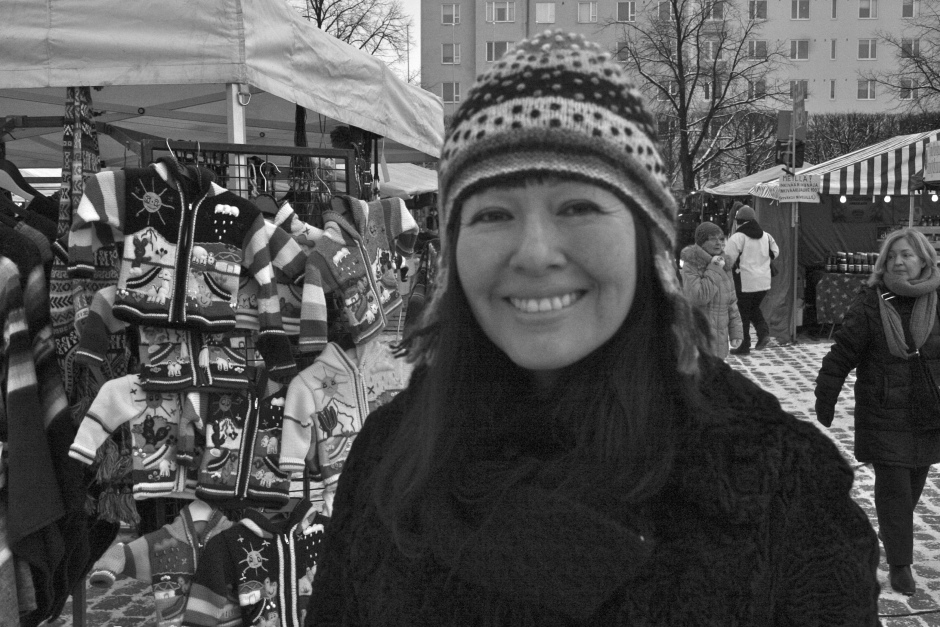
Image1-26_edited-1

Tämä kysymys, joka ahdistaa monia tai voi vaihtoehtoisesti jopa rohkaista eräitä samaan toimintaan.

Suomessa on vielä suhteellisen pieni ulkomaalais- ja pakolaismäärä. Vaikka tällä hetkellä Suomessa on vain   37 000 ulkomaalaisia, luku on kuitenkin kaksinkertaistunut kahdeksankymmentäluvun puolivälin jälkeen.

Jotkut uskovat, etteivät samat kauhun kuviot, jotka näimme Länsi-Euroopassa, voi toistua Suomessa, koska Suomen valtio ja kansallisidentiteetti on vielä hyvin nuori verrattuna näihin maihin, saattaa Suomen olla helpompi oppia hyväksymään ihmisiä eri rodusta ja kulttuureista.

***

Väistämätön tosiasia on, että ulkomaalaisten määrä Suomessa kasvaa sekä tulevan EY-jäsenyyden että koko Itä-Euroopan taloudellisten ja poliittisten ongelmien vuoksi.

On selvä, että samoihin aikoihin kun ulkomaalaisten ja pakolaisten määrä lisääntyy, myös lama on kärjistänyt mielipiteitä näitä ryhmiä kohtaan.

Esimerkkejä on jo saatu siitä että olemme menossa huonompaan suuntaan ja muukalaisviha on valitettavasti kasvamassa.

Vaikka uskonkin pienen vähemmistön saaneen paljon pahaa aikaan mielipiteillään ja käytöksellään, voi hyvin kysyä mitä viranomaiset ovat tekemässä, ettei Suomessa toistuisi se mikä on tapahtumassa Ruotsissa ja Saksassa.

***

Suomen pakolais- ja ulkomaalaispolitiikka ovat vielä niin vaipoissa, ettei valtio ole harkinnut vakavasti millä tavalla tämä maa voisi tulevaisuudessa hyötyä näiden ihmisten ammattitaidosta ja tietämyksestä.

Julkisuudessa on pääasiassa keskusteltu siitä kuinka tulokkaat käyttävät verovarojamme.

Uskon Suomen intressissä olevan ottaa tulevaisuudessa vastaan enemmän ulkomaalaisia ja pakolaisia, samoin kuin tarvitsemme lisää ulkomaalaisten sijoituksia tähän maahan.

On valheellista uskotella, etteikö tämä prosessi tulisi olemaan vaikea. Tämä ei tarkoita pelkästään muutoksia ihmisten asenteissa, vaan myös lainsäädännön puolella.

Ei ole montakaan vuotta siitä kun Suomen ulkomaalaiskeskuksen viranomaiset puolustelivat tiukkaa linjaansa vetoamalla siihen, että monet maahan yrittävät ulkomaalaiset olisivat potentiaalisia rikollisia ja terroristeja.

Onneksi tällää alueella on tapahtunut edistystä!

Columnist Eric Erfors of Sweden’s Expressen: What do Halla-aho and Räsänen say about the state of Finland today?

Posted on November 2, 2013 by Migrant Tales

Finland needs every now and then a wake-up call from the outside world. Columnist Eric Erfors of the Swedish tabloid Expressen, asks how is it possible that a person like Perussuomalaiset (PS) MP Jussi Halla-aho, which he calls a ”pure racist,” was eligible to become a deputy member of Finland’s delegation to the Council of Europe?

Erfors considered Halla-aho’s appointment to the Council of Europe as asking a pyromaniac to extinguish a fire.

Kuvankaappaus 2013-11-2 kello 7.16.36

Read full story (in Swedish) here.

Erfors states that it would be highly unlikely that Halla-aho would be accepted in the far-right anti-immigration Sweden Democrats. ”No [he wouldn’t be accepted] because it would be in conflict with its new image, which the party is trying to create” he writes.

Another Finnish politician that didn’t receive high marks on his column was Christian Democrat Interior Minister Päivi Räsänen, whose lowly views of gays, immigrants who aren’t Christians and minorities like the Roma are well-known.

It shouldn’t surprise anyone why Räsänen’s approval rating among the PS is so high.

The interesting question that Erfors poses to us in Finland is how did we arrive to such a point where a “pure racist” like Halla-aho was elected to parliament and ultra-conservative Räsänen appointed interior minister? What does it reveal about the present state of this country?

For one, it shows that the views of these two politicians have a home in Finland and go down well with many voters. But we’d have to look at Finland’s history to understand why we vote a “pure racist” to parliament and approve an ultra-conservative in government.

During most of our independence, Finland viewed the outside world with mistrust and did everything possible to discourage immigrants and foreign investment from coming to this country. Imagine the myths and “us”-versus-“them” mentality you have to drive home to reinforce your suspicions of foreigners from one generation to the next.

Halla-aho’s and Räsänen’s “appeal” is today a liability to Finland because it, if anything, is impoverishing this country politically, socially and what’s important, economically.

Instead of finding proactive solutions to our problems as is common in a Nordic welfare democracy, we are regressing in our worst prejudices with the weapon of scapegoating.

Finland needs leadership to challenge these threats that have already impacted our society in a negative manner.

I’m certain that leadership will come when our cultural diversity is strong enough and can stand on its feet.


Reija Härkönen: Jussi Halla-aho’s actions in parliament

Posted on November 1, 2013 by Migrant Tales

Reija Härkönen

When Jussi Halla-aho was getting prepared for the parliamentary elections, on the last day before the election day on April 16, 2011, he once again urged the anti-immigrant voters to act, thanked his own people (meaning the anti-immigrant circle) for their good work and the True Finns (Perussuomalaiset) of Helsinki and the neighborhood of Kontula for the arrangements. He said:

“I want to remind you once again that our importance in the future depends solely on the number of votes we get. Therefore, it is important that all of my supporters go to the polls, even if they have the assurance that I’ll get elected anyway.

I urge the rest of the country to vote for other True Finns, so that we can get as large group as possible [in parliament].”

Halla-aho also endorsed True Finn candidates whom his followers could vote for in the rest of Finland. Not that the True Finns party needed such a success, but the anti- immigrant so-called nuivat candidates needed it in order to get behind them a large parliamentary group.

In the same context, Halla-aho published for the last time his pre-election speech. It contains some doomsday text, but when read by a clearly articulate, shy-looking young man, the effect is somewhat tragicomic. This probably explains why the site with the text and video was taken down from the Internet. Fortunately everything can be found on the Internet, even Halla-aho’s campaign agenda:

http://web.archive.org/web/20110519104548/http://halla-aho.com/index.php/etusivu/loppurutistus-osa-11-16-4-2011/

Halla-aho headlined his speech “Change is possible,”  and wrote:

“We are facing a historic upheaval. On 6.4.2011 will open a window of opportunity. This window will close on the actual election day 17.4. The decisions you make in this timeframe will define Finland’s direction for years to come.

There are two reasons why these are the most important elections of Finland’s post-war period. First, they take a stand on important questions. If there is no radical change in immigration policy now, the social and economic consequences are going to be massive and largely irreversible.

This is not just trivial intimidation. In these elections we shall make up our minds whether we shall take the course of Sweden, France, Britain and Germany. We need not do so.”

The speech also mentioned briefly the EU, reducing aid to developing countries and supporting recreational shooters, but its main emphasis was  “immigration-criticism” and his long and self-sacrificing work, the loss of men, and fear-mongering that Finland is doomed to ruin unless “change” happens now: 

“In no previous elections have the voters had the same opportunity to express themselves as now. After years of criticism of immigration [policy], our project culminates in these elections, and it is the culmination of the True Finns immigration-critical candidates.

This is a fact, which everybody knows deep down inside. The entire media and all the other political parties are unanimously attacking the True Finns group for the simple reason that a change in immigration policy hinges on whether we win or lose. 

Our success in the election is what is being monitored. Our electoral victory is what is feared. If we win this election, the change can not be stopped. If we lose this election, our criticism of immigration [policy]shall be deemed as rejected and the multicultural steamroller will move on.”

On his familiar Hommaforum forum, Halla-aho summed up the last-minute atmosphere by quoting Tolkien:

“A great doom awaits you, either to rise above the height of all your fathers since the days of Elendil, or to fall into darkness with all that is left of your least.”

The election victory, which was christened jytky, became a reality. On Hommaforum, Halla-aho seemed to be a bit interested in a ministerial post, even though it was a little scary at the same time:

“It is clear that the mere visibility and a staggering number of votes forced to give me a reasonably visible and symbolically important task, but my honest opinion is that staying in the background actually offers a member of parliament like me the best possible potential. A prominent role should be given to those with the best technical know-how, and who do raise too many passions in people.”

The True Finns decided to fight it out in the opposition, but the administration committee chairmanship tasted sweet to Halla-aho. He signaled from the plenary session of April 25, 2011 the following:

“These are great days, and the proportions of the anti-immigrant revolution will be fully understood only in a longer perspective. Conversely, the tolerant people [anti-racists] will live in a nightmare, which they would not have been able to imagine a moment ago.”

In his blog on the same day, Halla-aho starts preparing his excited supporters for the precepts of  his parliamentary work and that results would not happen immediately:

“The writing to create political influence on the Internet, by its own conditions, often feels like a carnival.  It aims to ‘entertain’ the audience and attract attention. In political decision-making, especially at the highest levels of Government and in Parliament, this may not be the most efficient way of doing things. Influencing requires the maintenance of relations, particularly to official servants and other politicians, and decision-making takes place largely behind the scenes, at coffee tables and in corridors. Political decision-making is not entertaining and not transparent, and in this respect we need to adjust to the rules. In politics you need to advance in small steps, not thunderously.”

“You have given us your trust in the election. It will be measured in the next election. Until then, I ask you to trust that we will do our best, even if we are less visible in the public eye, and regardless of what the media are reporting about us.  Evaluate the achievements in the course of four years, not in real time.”

Such a less public and behind-the-scenes strategy did not please everyone, and Halla-aho was forced to defend his strategy:

” When I say to play by the rules of the house, I just mean the method, not giving up our principles. Most of you probably knew that.”

“Compromises are inevitable in politics.  Let us imagine a situation in which we promised a stop on family reunifications, if we agree, during the election period, not to change the status of [mandatory] Swedish at schools.”

“What should I do? What would be the about-turns, and a betrayal to voters?”

“Which in general is the most important thing: the preservation of the halo and the integrity of the anti-immigrant representatives or the fact that the anti-immigrant agenda will be promoted?”

Family reunification is in  Halla-aho’s opinion the worst problem of our immigration policy. Reuniting families means, in his mind, that women and children will arrive, who in turn will give rise to more men, women and children. This would, after all, not be too bad, of course, since Halla-aho himself has a family of four children. This would, however, be in conflict with the aims of the far-right extreme nationalist Suomen Sisu association, which is openly against the “unnatural mixing of peoples” and following “the Swedish, French, German and British course”.

After “sending tanks” to the streets of Greece, and after being for a short time expelled from his parliamentary group and losing the administration committee presidency in the summer of 2012, Halla-aho reassured his supporters on Hommaforum:

“The promise of  ‘change of tactics’ means that in my debate I will focus to not give the other party ‘easy pickings.'”

Halla-aho has seemingly been focused to believe that the always-sharp Swedish People’s Party MP Jörn Donner has sold himself cheap and believes the True Finns have calmed down as a party. When MP James Hirvisaari was kicked out of the True Finns and formed his own parliamentary group (Muutos 2011) for showing too visibly what the anti-immigration wing of the party really thought, Halla-aho will continue to influence matters behind the scenes. This is what he’s done:

Legal Initiatives

  • The Act amending the Penal Code , Chapter 17 (the law of breaching the sanctity of religion) 20/09/2013
  • The Penal Code Chapter 11, § 10 of the Council (the law on ethnic agitation) 09/20/2013
  • Law of the Firearms Act on 02.07.2013
  • Law of the Firearms Act on 02.07.2013
  • Law of the Firearms Act on 02.07.2013
  • Law of the Firearms Act 6 § on 07/02/2013
  • Law of the Firearms Act 6 § on 07/02/2013
  • Law of changing the Aliens Act § 51 and § 149 on 29.10.2012

Budget Initiatives

  • Refugees and asylum-seekers: of the proposed appropriation reduction of 28.9.2012
  • The EU Solidarity and Management of Migration Flows program SOLID subject to the proposed reduction of funds of 28.9.2012
  • The Ombudsman for Minorities and the National Discrimination Tribunal: the proposed reduction of the operating expenditure of 28.9.2012
  • “European Finland”: the proposed reduction of state aid allocation of 28.9.2012
  • The retired Presidents: the proposed reduction of the cost appropriation of 8.9.2012

Written Questions

  • The obligation to criminalize ethnic agitation 10/25/2013
  • Deportation of persons receiving a negative asylum or a residence permit 10/11/2013
  • Teacher’s possibilities of intervening disturbances in school 19/04/2013
  • International criminalization of faith criticism 29.11.2012
  • Refugee status and subsidiary protection status, the abolition of 22.8.2012

With the help of firearm laws, the anti-immigrant True Finns are working to change the direction of Finland’s preparedness to an external threat. One way to prepare for such a threat is for Finnish homes to be armed and home owners should carry more robust weapons than just pistols and air rifles.

Easier access to weapons and firearms is an important matter in the eyes of Halla-aho’s supporters. As soon as the parliamentary work had started, Halla-aho passed the firearms trainer course and made sure that the media and Hommaforum knew about this.

Halla-aho’s intention, revealed on Hommaforum, is to become an effective politician: “If the opposition wants to really affect things, one must be able to influence the government’s party representatives, and to be able to do it means being nice and sober”

He may already have had a little bit of success in this. Or maybe it’s just the general male mentality: “It’s harmless for boys to play with guns” which made MP Kari Rajamäki to approve of Halla-aho’s initiatives and state: “These are quite reasonable proposals.”

All in all, Halla-aho has acted exactly the way he promised his voters and the True Finns by suppressing refugees, suppressing minorities, and facilitating access to guns. In addition, he seeks as well to change the law on ethnic agitation so that Muslims and immigrants can be insulted publicly with impunity.

Taxpayers are paying Halla-aho to do this type of work as well as paying the salary of other True Finn MPs. These representatives are also – as sad  it is to say – the representatives of our people around the world.

Alleged white Finn attacks Helsinki church dressed as a Muslim

Posted on November 1, 2013 by Migrant Tales

What would you say if a white Finn dressed like a Muslim attacked a Lutheran church in Helsinki by breaking its windows, yelling and obstructing window repairmen from repairing the damage he caused? What would you say if this happened on Tuesday night, when YLE aired A2 Islam debate on television?

Would you say it was an isolated case or yet another example of how Islamophobia has raised its ugly head in this country?

What your answer is depends on your personal perspective.

What is my answer? Since Finland is my country and since it is my home, I have an obligation to defend it from threats that weaken and undermine its values. One matter that is threatening and challenging Finland is outright intolerance.

If you deny and believe what happened is an isolated incident, you should then ask what the election of 39 MPs of an anti-EU and anti-immigration party to parliament in 2011 signaled.

Kuvankaappaus 2013-11-1 kello 8.52.14Read full story here.  

So what happened on Tuesday night?

According to Seurakuntalainen, eyewitnesses who saw what happened called the police and a window repair company. The suspect tried to stop the window repair men from changing the windows. He was reported to have told them that what he did was a message and warning. 

A warning against what? That there are Muslims living in this country? That there are Islamophobes in this country that think it is perfectly find to spread hatred and feed our racism?

It will be interesting to see what kind of charges are brought against the suspect and how the authorities weigh this incident.

UPDATE (4.11.13): It appears that the religious affiliation of the man that attacked the Roihuvuoren Church on Tuesday isn’t clear. Migrant Tales is investigating and will publish something on the matter this afternoon. 

Reija Härkönen: Jussi Halla-ahon toiminta valtiopäivillä

Posted on October 31, 2013 by Migrant Tales

Reija Härkönen

Kun Jussi Halla-aho eduskuntavaaleja edeltävänä päivänä 16.4.2011 vielä kerran kehotti maahanmuuttajavastaisia äänestäjiä lähtemään liikkeelle, hän kiitteli omaa porukkaa ja vapaaehtoisia ja lisäksi perussuomalaisten Helsingin piiriä ja Kontulan perussuomalaisia järjestelyistä. Hän myös muistutti:

”Haluan muistuttaa vielä kerran, että tuleva painoarvoni riippuu yksinomaan äänimäärästäni. Siksi on tähdellisen tärkeää, että kaikki kannattajani käyvät äänestämässä minua, vaikka olisivat kuinka varmoja siitä, että menen muutenkin läpi.

Muualla maassa kehotan äänestämään muita perussuomalaisia, jotta saamme mahdollisimman suuren ryhmän.”

Halla-aho antoi myös suosituksensa ehdokkaista, joita hommalaiset aatteen miehet muualla Suomessa voisivat äänestää. Ei siksi, että perussuomalainen puolue sinänsä menestyisi, vaan jotta tunnustukselliset maahanmuuttajavastaiset, ns. nuivat ehdokkaat saisivat taaksensa mahdollisimman suuren eduskuntaryhmän.

Samassa yhteydessä Halla-aho julkaisi vielä viimeisen kerran vaalinaluspuheensa. Puhe on tuomiopäivän tekstiä, mutta kun sitä lukee korostetun selkeästi artikuloiva, ujon oloinen mies, vaikutus on aatteen ulkopuoliseen kuuntelijaan lähinnä surkuhupaisa. Sekö lienee syy, vaiko muu peittely, kun tuo sivusto teksteineen ja videoineen on piilotettu eetteriin. Onneksi sieltä on sentään kaikki löydettävissä, jotta pääsemme tutkimaan, millaisin teesein Halla-aho lähti vaaleihin:

http://web.archive.org/web/20110519104548/http://halla-aho.com/index.php/etusivu/loppurutistus-osa-11-16-4-2011/

Halla-aho on otsikoinut puheensa ”Muutos on mahdollinen” ja aloittaa puheensa

”Olemme historiallisen mullistuksen edessä. 6.4.2011 aukeaa ikkuna muutokselle.

Ikkuna sulkeutuu varsinaisena vaalipäivänä 17.4. Se, millaisia ratkaisuja sinä teet tämän aikaikkunan sisällä, määrittelee Suomen suunnan vuosiksi eteenpäin.

Nämä ovat Suomen sodan jälkeisen historian tärkeimmät vaalit kahdestakin syystä. Ensinnäkin niissä otetaan kantaa poikkeuksellisen tärkeisiin kysymyksiin. Mikäli maahanmuuttopolitiikassa ei tapahdu jyrkkää muutosta nyt, yhteiskunnalliset ja kansantaloudelliset seuraukset tulevat olemaan massiivisia ja suurelta osin peruuttamattomia.

Tämä ei ole katteetonta pelottelua. Näissä vaaleissa otetaan kantaa siihen, onko Ruotsin, Ranskan, Britannian ja Saksan tie myös meidän tiemme. Sen ei tarvitse olla.”

Puheessa mainitaan lyhyesti myös EU, kehitysapu ja aseharrastajien asia, mutta pääteema on ”maahanmuuttokriittisyys”, pitkä ja uhrautuva työ, miestappiotkin, ja pelottelu sillä, että Suomi on tuhoon tuomittu, ellei ”muutosta” nyt tapahdu:

”Yksissäkään aiemmissa vaaleissa ei äänestäjällä ole ollut samanlaista mahdollisuutta ottaa kantaa, kuin nyt. Vuosia kestänyt maahanmuuttokriittinen projekti kulminoituu näihin vaaleihin ja se kulminoituu perussuomalaisten maahanmuuttokriittisiin ehdokkaisiin.

Tämä on tosiasia, jonka kaikki sisimmässään tietävät. Koko media ja kaikki muut puolueet ovat yksimielisenä laumana perussuomalaisten kimpussa siitä yksinkertaisesta syystä, että muutos maahanmuuttopolitiikassa voittaa tai häviää meidän mukanamme.

Meidän vaalimenestyksemme on se, mitä seurataan. Meidän vaalivoittomme on se, mitä pelätään.

Jos me voitamme nämä vaalit, muutosta ei voi pysäyttää. Jos me häviämme nämä vaalit, maahanmuuttokriittisyys katsotaan torjutuksi ja monikulttuurinen höyryjyrä jatkaa kulkuaan.”

Hommaforumilla Halla-aho kiteytti viime hetken tunnelmansa Tolkien-lainaukseen:

A great doom awaits you, either to rise above the height of all your fathers since the days of Elendil, or to fall into darkness with all that is left of your kin.

”Jytkyhän” sieltä sitten tuli. Hommaforumilla Halla-aho haaveili jo hiukan ministeripaikastakin, vaikkakin se samalla vähän pelotti:

”On selvää, että pelkkä näkyvyyteni ja huikea äänimääräni pakottavat antamaan minulle jonkin kohtuullisen näkyvän ja symbolisestikin merkittävän tehtävän, mutta oma vilpitön mielipiteeni on, että taka-alalla pysyttely tarjoaa minun kaltaiselleni kansanedustajalle tosiasiallisesti parhaat vaikutusmahdollisuudet. Näkyvimpiin tehtäviin kannattaa valita niitä, joilla on paras tekninen osaaminen, ja jotka eivät kiihota ihmisiä tavattomasti.”

Hallitukseen ei sitten kuitenkaan päästy, mutta hallintovaliokunnan puheenjohtajuus maistui makealta. Eduskunnan täysistunnosta Halla-aho viestitti 25.4.2011 Hommaforumille:

”Nämä ovat hienoja päiviä, ja nuivan kumouksen mittasuhteet tullaan ymmärtämään täysin vasta, kun niihin saadaan ajallista perspektiiviä. Kääntäen: suvaitsevaisto elää painajaista, jota se ei olisi osannut hetki sitten kuvitella.”

Blogissaan Halla-aho alkoi samana päivänä valmistaa kiihkoisaa kannattajajoukkoaan eduskuntatyöskentelyn lainalaisuuksiin ja siihen, että kovasti odotetut tulokset eivät ihan heti ole näkyvissä:

”Kansalaisvaikuttamisessa, kuten verkkokirjoittelussa, vallitsevat omat, usein hieman karnevalistiset lainalaisuutensa. Siinä pyritään “viihdyttämään” yleisöä ja herättämään huomiota. Poliittisessa päätöksenteossa, etenkin korkeimmalla tasolla eli hallituksessa ja eduskunnassa, tämä ei välttämättä ole tehokkain tapa. Vaikuttaminen edellyttää suhteiden ylläpitoa etenkin virkakuntaan ja muihin poliitikkoihin, ja päätöksenteko tapahtuu suurelta osin kulisseissa, kahvipöydissä ja kuluaareissa. Poliittinen päätöksenteko ei ole viihteellistä eikä läpinäkyvää, ja tässä suhteessa lusikka on otettava kauniiseen käteen. Politiikassa asioita edistetään hivuttamalla, ei räjäyttämällä.”

”Te olette antaneet meille luottamuksenne vaaleissa. Seuraavan kerran luottamusta mitataan seuraavissa vaaleissa. Siihen asti pyydän teitä luottamaan siihen, että teemme parhaamme, vaikka olisimme aiempaa vähemmän julkisuudessa ja riippumatta siitä, mitä media tekemisistämme raportoisi. Arvioikaa aikaansaannoksiamme neljän vuoden kuluttua, älkää reaaliaikaisesti.”

Tällainen kulisseihin vetäytyminen ei kaikkia miellyttänyt ja Halla-aho joutuikin puolustamaan strategiaansa:

”Kun sanon, että on toimittava “talon tavalla”, en tarkoita periaatteilla huoraamista vaan ainoastaan metodipuolta. Useimmat varmaan tämän ymmärsivätkin.”

”Kompromissit ovat politiikassa väistämättömiä. Kuvitellaanpa tilanne, jossa meille luvataan perheenyhdistämisen lopettaminen, jos me suostumme olemaan vaalikauden ajan kajoamatta pakkoruotsiin.

Mitä pitäisi tehdä? Mikä olisi takinkääntöä ja äänestäjien pettämistä?

Kumpi ylipäänsä on tärkeintä: nuivien edustajien sädekehän ja integriteetin varjeleminen vai se, että nuiva asia etenee päätöksenteossa? ”

Perheenyhdistäminen on Halla-ahon mielestä maahanmuuttopolitiikkamme pahin ongelma. Se kun tarkoittaa sitä, että maahan tulee naisia ja lapsia, jotka taas synnyttävät lisää miehiä ja naisia ja lapsia. Eihän siinä tietysti muuten mitään olisi, onhan Halla-aholla itselläänkin jo neljä lasta, mutta kun nämä ”muut” lapset tarkoittaisivat Suomen Sisunkin kammoksumaa ”kansojen luonnotonta sekoittamista” ja ”Ruotsin, Ranskan, Saksan ja Britannian tietä”.

Läheteltyään tankkeja kaduille Kreikassa ja saatuaan vähäksi aikaa potkut eduskuntaryhmästä ja menetettyään hallintovaliokunnan puheenjohtajuuden kesällä 2012 Halla-aho rauhoitteli tukijoukkojaan Hommaforumilla:

”Lupaus “tyylin muuttumisesta” tarkoittaa, että keskityn olemaan antamatta keskustelun toiselle osapuolelle “helppoja”.”

Halla-aho onkin sitten keskittynyt, jopa siihen malliin, että aina niin terävä Jörn Donnerkin on mennyt halpaan ja pitää perussuomalaista puoluetta rauhoittuneena. Kun Hirvisaarikin potkaistiin Muutos 2011-puolueeseen tuomasta persunuivan joukon tarkoitusperiä liian selkeästi esille ja Halla-aho jatkaa ”muutosta” kulisseissa, on syytä tarkastella, mitä Halla-aho on toistaiseksi puuhaillut Suomen parlamentissa:

Lakialoitteet

  • Laki rikoslain 17 luvun muuttamisesta (laki uskonrauhan rikkomisesta) 20.9.2013
  • Laki rikoslain 11 luvun 10 §:n muuttamisesta (laki kiihottamisesta kansanryhmää vastaan) 20.9.2013            
  • Laki ampuma-aselain muuttamisesta 7.2.2013
  • Laki ampuma-aselain muuttamisesta 7.2.2013
  • Laki ampuma-aselain muuttamisesta 7.2.2013
  • Laki ampuma-aselain 6 §:n muuttamisesta 7.2.2013
  • Laki ampuma-aselain 6 §:n muuttamisesta 7.2.2013
  • Laki ulkomaalaislain 51 ja 149 §:n muuttamisesta 29.10.2012

Talousarvioaloitteet

  • Pakolaisten ja turvapaikanhakijoiden vastaanottoon ehdotetun määrärahanvähentäminen  28.9.2012
  • EU:n yhteisvastuuta ja maahanmuuttovirtojen hallintaa koskevan yleisohjelman alaisille SOLID- rahastoille ehdotetun määrärahan vähentäminen 28.9.2012
  • Vähemmistövaltuutetun ja syrjintälautakunnan toimintamenoihin ehdotetun määrärahan vähentäminen 28.9.2012
  • Eurooppalainen Suomi ry:n valtionapuun ehdotetun määrärahan vähentäminen 28.9.2012
  • Eläkkeellä olevien presidenttien menoihin ehdotetun määrärahan vähentäminen 28.9.2012

Kirjalliset kysymykset

  • Loukkaamisen kriminalisointivelvoite kiihottamisessa kansanryhmää vastaan 25.10.2013
  • Kielteisen turvapaikka- tai oleskelulupapäätöksen saaneen maasta poistaminen 11.10.2013
  • Opettajan edellytykset puuttua häiriötilanteisiin koulussa 19.4.2013
  • Uskontojen arvostelun kansainvälinen kriminalisointi 29.11.2012
  • Pakolaisaseman ja toissijaisen suojeluaseman lakkauttaminen 22.8.2012

Aselakeja ”nuivat” pyrkivät muuttamaan siksi, että ns. ulkoiselta uhalta varautumisen vuoksi jokainen koti on syytä aseistaa ja kodeissa olisi myös oltava järeämmät aseet, kuin pelkät tarkkuuspistoolit tai ilmakiväärit.

Aseiden ja aseluvan saannin helpottaminen on yksi Halla-ahon kannattajien tärkeimmiksi katsomista asioista. Heti eduskuntatyöskentelyn aloitettuaan Halla-aho suoritti myös ampuma-asekouluttajan kurssin ja piti tarkkaan huolta siitä, että tieto saavutetusta pätevyydestä tavoitti myös median ja Hommaforumin.

Halla-ahon Hommaforumilla esittämä pyrkimys tulla sutkiksi poliitikoksi: ”Jos oppositiosta käsin haluaa oikeasti vaikuttaa johonkin, on pystyttävä vaikuttamaan hallituspuolueiden edustajiin, ja voidakseen tehdä sen on pyrittävä olemaan mukava ja maltillinen” on ehkä jo vähän onnistunutkin.

Vai liekö sitten vain miesten tyypillistä ”täytyyhän pojilla pyssyt olla”-mentaliteettia se, kun aselakiehdotuksia käsiteltäessä Kari Rajamäkikin totesi, että ”nämähän ovat ihan järkeviä ehdotuksia”.

Kaiken kaikkiaan Halla-aho on siis toiminut juuri siinä tehtävässä, mihin hänet on perussuomalaisiin valittu: pakolaisten aseman heikentäjänä, vähemmistöjen aseman heikentäjänä ja aselakien helpottajana. Lisäksi hän pyrkii muuttamaan lakia siten, että pakolaisten ja muslimimaahanmuuttajien parjaaminen helpottuisi, eikä enää tulisi tuomioita kiihottamisesta kansanryhmää vastaan.

Tästä työstä me maksamme Jussi Halla-aholle ja monelle muulle perussuomalaiselle kansanedustajan palkkaa. Nämä edustajat ovat myös – niin surullista kuin se onkin – kansamme edustajia maailmalla.

Alkuperäisen blogikirjoituksen voi lukea tästä.

Tämä blogikirjoitus julkaistiin Migrant Talesissä luvalla.


Are you a perpetrator or victim of white Finnish privilege?

Posted on October 31, 2013 by Migrant Tales

One matter about intolerance is that it is universal. The social ill can manifest itself in different ways by speaking different languages and historical context but don’t be fooled by these deceptions: Intolerance is the same ogre. 

White privilege is one of the many faces of racism and means automatic access or exclusion to the opportunities, social, political and economic capital a society offers due to your ethnic background.

Tim Wise, one of the most prominent anti-racist writers and speakers in the United States, defines white privilege as “any advantage, opportunity, benefit, head start, or general protection from negative societal mistreatment, which persons deemed white will typically enjoy, but which others will generally not enjoy.”

A good example of white Finnish privilege exposed in a recent YLE television program by Sam Kingsley, where an undercover group comprising of a Finn, Russian and Somali, attempted to see if they would be treated differently when applying for a job, seeking an apartment, asking complete strangers for help, and getting access to a night club.

If white privilege in the United States has an aim, so does white Finnish privilege.

How did white Finnish privilege ever come to these shores? One of its many roots is the colonial period, when European powers concocted excuses to pillage and exclude other groups in their colonial empires that weren’t white. These pernicious systems, which exist in Europe today, gave the colonial powers a moral pretext to not only commit genocide but ensure that the spoils went to them.

Click here if you want to read more about the roots or our racism in Finland and Europe.

One of the reasons why Are you a target of racism in Finland became such a successful posting in 2007 is because it exposed how racism would work in this society at a time when it was  still strongly denied.

An article on BuzzFeed Community highlights, 17 deplorable examples of white privilege, not only sheds light on how it occurs in the United States but gives us the opportunity to create a “white Finnish privilege meter” that will help you know if you are the perpetrator or victim. Take the test blow and answer yes or no.

  1. Because of white privilege, you’ll never have to worry about becoming the victim of law enforcement officers (US). One good example of this is the recent debate about ethnic profiling by the police (in Finland).  
  2. images (5)
  3. Because of white privilege, you’ll never have to inform your children of the harsh realities of systemic racism. True. Since you won’t have to inform your children in Finland about racism, they’ll grow up playing down or denying the existence of racism in Finland. Well, almost…
  4. images (5)

Kuvankaappaus 2013-10-31 kello 0.44.32

Read full story here.

3. White privilege means you can be articulate and well spoken without people being “surprised.” This means in a Finnish context that you speak the language like a native but still get asked: ”Where are you from” or “where did you learn to speak our language so well?” 

images (5)

enhanced-buzz-17808-1382919326-3

4. Because of white privilege, you’ll never know what it’s like to have the following statistic looming over your head. In the Finnish context it means ethnic profiling and being victimized and labelled a rapist, terrorist and common thief. Ask Finland’s Romany minority if in doubt how this works so efficiently and systematically. images (5)

5. White privilege allows you to speak on any particular subject without being the sole representative for your entire race. Here’s a Finnish version of the latter: Mohammed, you’re a refugee. Is there racism in this country? 

images (5)

6. White privilege means no one questions why you got that really great job, it’s assumed you were just highly qualified. In Finland some may comment: You’re an exception or you got where you did because of you’re foreigner and therefore have certain privileges. 

images (5)

7. White privilege means not having to worry about your hair, skin color, or cultural accessories as the reason you didn’t get a job. Does this need any explanation? images (5)

8. White privilege means you don’t have to worry about being monitored in a store just because the hue of your skin is a bit darker than most. A common complaint by some people who aren’t white is that it’s played down in Finland. White people tell non-whites that racism is a figment of their imagination.

 images (5)

9. Having white privilege means people will never label you a terrorist. Some Perussuomalaiset MPs commonly victimize and label certain ethnic groups as rapists, criminals, social bums and terrorists.  

images (5)

PerusS-121-1

10. White privilege means not being affected by negative stereotypes that have been perpetuated and ingrained so much into American society that people believe them to be fact. In the past years, how many negative stereotypes have been perpetuated and spread in Finnish society about immigrants, and visible minorities? So many that it helped an anti-EU and anti-immigrant party, the Perussuomalaiset, win 39 seats in parliament from 5 in the previous election.  

images (5)

11. White privilege means you never have to explain why cultural appropriation is a bad thing. This picture below says it all. 

images (5)

id22912-previewImage-22911-50

Aake Kalliala and Pirkka-Pekka Petelius reinforcing stereotypes and racism of the Roma in Finland.

12. If you benefit from white privilege, you’ll never be told to “get over slavery.” In Finland you’ll never be told to “get over racism.”  

images (5)

13. Benefitting from white privilege means you can walk the Earth unaware of your color. In Finland it means being in a colorblind bubble that enable you to deny that ethnic background does play a role in discrimination.  

images (5)

If you answered YES to any two, the chances are that you are a perpetrator or victim of white Finnish privilege in this country. If you answered YES to three or more, you are definitely a perpetrator or victim of white Finnish privilege.

A2 Islam debate: “We’re a very tolerant society but…”

Posted on October 30, 2013 by Migrant Tales

Two matters bothered me the most about the A2 Islam debate Tuesday night: how the cards were deliberately stacked against cultural diversity, and how Perussuomalaiset (PS) MP Olli Immonen and PS Espoo city councilman Simon Elo did their utmost to spread fear-mongering of Muslims. 

Kuvankaappaus 2013-10-29 kello 13.38.04

You can watch the full debate here until the end of November.

Wille Rydman, former chairman of the Youth League of the National Coalition Party, showed as well that he’s still pretty much in the dark about cultural diversity.

Rydman, who has been christened by some as the Halla-aho of the Naitonal Coalition Party, tried to tell the audience that the best way to adapt to Finland is to become culturally invisible. Who you were and are isn’t important. Therefore, throw away your identity and lets forget all this multicultural nonsense.

Just like far-right anti-immigration politicians in Finland and in Europe, Rydman criticized immigration policy as the culprit.

It there was something positive about the debate, it was Abdirahim Hussein, Mohammad Azizi, Sahra Ali and Seida Sohrabi, who held their own and didn’t allow Immonen and Elo to steal the show.

While it’s a positive matter that we can debate about religions like Islam on a television program, it revealed our deep-rooted prejudices of Muslims and of other minorities living in this country.

The program was heavily into underscoring problems instead of finding solutions and ways to further acceptance and respect in our ever-growing culturally diverse society.

The A2 Islam debate revealed:

  • That we still don’t understand Muslims never mind cultural diversity
  • We still see immigrants, especially Muslims, as a threat
  • We expect Muslims to pretty much assimilate (one-way adaption)
  • The program used maassa maan tavalla, or in Rome do as the Romans do saying, which could be summed up in the cartoon below:
  • 220px-svvalues_narrowweb_300x3080

About A2’s debate on Islam tonight…

Posted on October 29, 2013 by Migrant Tales

The A2 islam-ilta television debate Tuesday will reveal once again white Finnish ethnocentrism, how poorly we know our laws and, what’s important, how poorly we accept people who are different from us. Is the Finnish media giving once again racists inflated respectability and importance?

Will the A2 debate improve or undermine the situation of Muslims in Finland?

How many immigrants, or Finnish Muslims, won’t get hired tomorrow because of the program? How many will be attacked physically and psychologically? How many viewers’ Islamophobia and bravado will the program reinforce? How much self-esteem will it chip away from a child or adolescent who goes to school tomorrow and gets bullied because of his or her ethnic or religious background?

Kuvankaappaus 2013-10-29 kello 13.38.04

Why should anyone justify his or her religion and right to live in Finland? Why should we give a forum to those who demand such justifications? It’s absurd.

Would we want to have a debate on television why women should go back to the kitchen and serve men?

What can you expect from YLE if the nature of the beast is what it is? How does Interior Minister Päivi Räsänen give a sense of security to minorities in Finland when she openly victimizes and labels non-Christians, plays down ethnic profiling by the police, considers homosexuality to be an illness and drags her feet on family reunification?

Sometimes you wonder about Räsänen’s and that of other Finns’ statements. But mark my words, it’s the face of intolerance staring right back at us loud and clear.

Our problem is acknowledge it as such.


Finland’s interior minister only likes Christian refugees

Posted on October 29, 2013 by Migrant Tales

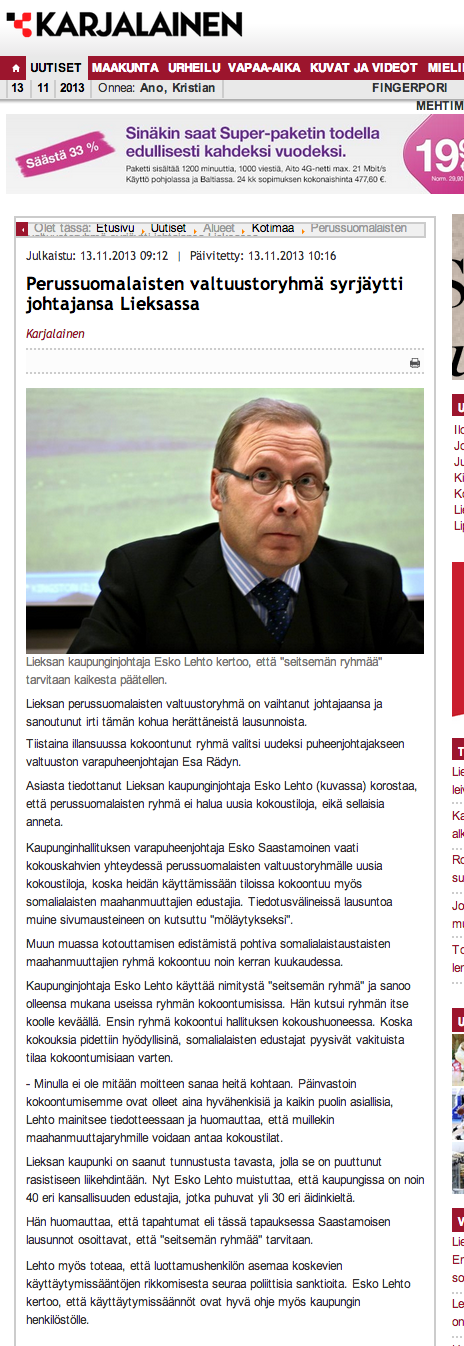
Finland’s interior minister, Päivi Räsänen, has raised eyebrows again in Finland with her conservative religious views about the type of refugees she thinks would best adapt to Finland. 

Kuvankaappaus 2013-10-29 kello 2.23.51


Read full story here.

Räsänen was quoted as saying on Joensuu-based Karjalainen that Finland should take Christian and Vietnamese refugees because their work ethic is closest to the Nordic.

This is not the first time that the Christian Democrat interior minister has expressed similar views about the types of refugees Finland should accept.

In June 2011, she wrote in a blog entry on Uusi Suomi: Our country’s culture, values and morals have been built around Christian ethics and we must not abandon them starting from our homes, day care centers and when bringing up children.”

The best indicator that Räsänen is a liability to immigrants and visible minorities is how she plays down ethnic profiling by the police, far-right violence and doesn’t think highly of the Romany minority. She is also a staunch homophobic. In a television debate in October 2010, she defined homosexuality as a sin, causing an exodus of thousands of people to abandon the Lutheran Church.

Amnesty International has petitioned the interior minister to halt the detention of refugee minors.

Writes Zuzeeko Tegha Abeng: “According to Amnesty International, children should be in day care centres, schools or skateparks – not in police detention. Finland detains thousands of people yearly, including people who have fled persecution, war or poverty. They are held in prison-like conditions, although guilty of no crime.”

With people like Räsänen in power, it’s clear that the rights of immigrants and visible minorities in Finland will not improve but get worse.


Headlines that raise questions and reveal a lot about our attitudes of other cultures

Posted on October 28, 2013 by Migrant Tales

If one wants to start a humorous blog in Finland, just check out the headlines that dailies use sometimes to write about immigrants and refugees. True, some of them aren’t funny at all because they are hostile and ostracize specific groups.

Kuvankaappaus 2013-10-28 kello 8.12.22


Read full story here.

Here’s one headline I read on Monday’s Helsingin Sanomat: ”[Syrian] Refugees [that will move to Finland] are warned about the Finns’ use of alcohol.”

Fair enough, but the following sentence in the lead surprised me the most: “Finland has started to familiarize itself more than ever before about quota refugees [that move here].”

Hasn’t this been done before? Does this mean that Finland is now starting to familiarize itself with those quote refugees that move here? Strange statement, no?

While it is a positive matter that values such as gender and social equality are taught to newcomers and that they play an important role in our society, are these refugees taught that Finland respects cultural diversity? Are they told about the important role that mutual acceptance and respect play in our society?

Do the teachers speak of our ever-growing cultural diversity or is the Finland they teach them only white?

One matter bothered me about the article and reinforced my worst suspicions when the teacher assumed that the people didn’t know how to use a toilet bowl.

Possibly the authorities organizing these types of courses could to a little bit of homework to familiarize themselves with the group they are teaching. 

Instead of speaking of alcohol usage, Angry birds, rye bread and how Finns like silence, which are important, can one generalize about a culture in that way?When I speak to immigrants about Finland and Finns I use the word some Finns as opposed to everyone.

Did the orienteering course about Finland tell the refugees about the rise of xenophobia in this country and the role that the Perussuomalaiset (PS) party has had in strengthening prejudices and racism especially against Muslims?

Migrant Tales wishes these refugees the best of success and happiness in their new home country.


  • Previous
  • 1
  • …
  • 358
  • 359
  • 360
  • 361
  • 362
  • 363
  • 364
  • …
  • 535
  • Next
Read more about documentary film
Read more

Recent Posts

  • Finland’s tabloids Iltalehti and Ilta-Sanomat are the pits
  • Riikka Purra’s Dr Jekyll and Mr Hyde mask
  • Double standards
  • Perussuomalaiset: Uusi logo, sama vanha juttu
  • Taco Trump

Recent Comments

  1. Absolutely Socking: Racist Finnish Facebook group against human rights gets flooded with socks on Musta Barbaari’s mother and sister charged by the police in “ethnic profiling” case
  2. Ilkka Nuotio on Pekka Myrskylä: “Tilastot kertovat toista kuin poliittinen keskustelu”
  3. Genrih Soinkara on The war in Ukraine and the Russian-Finnish border crisis are showing Finland’s ugly side
  4. Ahti Tolvanen on Comment by Ahti Tolvanen on the Helsinki +50 conference
  5. Angel Barrientos on Angel Barrientos is one of the kind beacons of Finland’s Chilean community

Archives

  • June 2026
  • May 2026
  • April 2026
  • March 2026
  • February 2026
  • January 2026
  • December 2025
  • November 2025
  • October 2025
  • September 2025
  • August 2025
  • July 2025
  • June 2025
  • May 2025
  • April 2025
  • March 2025
  • February 2025
  • January 2025
  • December 2024
  • November 2024
  • October 2024
  • September 2024
  • August 2024
  • July 2024
  • June 2024
  • May 2024
  • April 2024
  • March 2024
  • February 2024
  • January 2024
  • December 2023
  • November 2023
  • October 2023
  • September 2023
  • August 2023
  • July 2023
  • June 2023
  • May 2023
  • April 2023
  • March 2023
  • February 2023
  • January 2023
  • December 2022
  • November 2022
  • October 2022
  • September 2022
  • August 2022
  • July 2022
  • June 2022
  • May 2022
  • April 2022
  • March 2022
  • February 2022
  • January 2022
  • December 2021
  • November 2021
  • October 2021
  • September 2021
  • August 2021
  • July 2021
  • June 2021
  • May 2021
  • April 2021
  • March 2021
  • February 2021
  • January 2021
  • December 2020
  • November 2020
  • October 2020
  • September 2020
  • August 2020
  • July 2020
  • June 2020
  • May 2020
  • April 2020
  • March 2020
  • February 2020
  • January 2020
  • December 2019
  • November 2019
  • October 2019
  • September 2019
  • August 2019
  • July 2019
  • June 2019
  • May 2019
  • April 2019
  • March 2019
  • February 2019
  • January 2019
  • December 2018
  • November 2018
  • October 2018
  • September 2018
  • August 2018
  • July 2018
  • June 2018
  • May 2018
  • April 2018
  • March 2018
  • February 2018
  • January 2018
  • December 2017
  • November 2017
  • October 2017
  • September 2017
  • August 2017
  • July 2017
  • June 2017
  • May 2017
  • April 2017
  • March 2017
  • February 2017
  • January 2017
  • December 2016
  • November 2016
  • October 2016
  • September 2016
  • August 2016
  • July 2016
  • June 2016
  • May 2016
  • April 2016
  • March 2016
  • February 2016
  • January 2016
  • December 2015
  • November 2015
  • October 2015
  • September 2015
  • August 2015
  • July 2015
  • June 2015
  • May 2015
  • April 2015
  • March 2015
  • February 2015
  • January 2015
  • December 2014
  • November 2014
  • October 2014
  • September 2014
  • August 2014
  • July 2014
  • June 2014
  • May 2014
  • April 2014
  • March 2014
  • February 2014
  • January 2014
  • December 2013
  • November 2013
  • October 2013
  • September 2013
  • August 2013
  • July 2013
  • June 2013
  • May 2013
  • April 2013
  • March 2013
  • February 2013
  • January 2013
  • December 2012
  • November 2012
  • October 2012
  • September 2012
  • August 2012
  • July 2012
  • June 2012
  • May 2012
  • April 2012
  • March 2012
  • February 2012
  • January 2012
  • December 2011
  • November 2011
  • October 2011
  • September 2011
  • August 2011
  • July 2011
  • June 2011
  • May 2011
  • April 2011
  • March 2011
  • February 2011
  • January 2011
  • December 2010
  • November 2010
  • October 2010
  • September 2010
  • August 2010
  • July 2010
  • June 2010
  • May 2010
  • April 2010
  • March 2010
  • February 2010
  • January 2010
  • December 2009
  • November 2009
  • October 2009
  • September 2009
  • August 2009
  • July 2009
  • December 2008
  • November 2008
  • October 2008
  • September 2008
  • August 2008
  • July 2008
  • June 2008
  • May 2008
  • April 2008
  • March 2008
  • February 2008
  • January 2008
  • November 2007
  • October 2007
  • September 2007
  • August 2007
  • July 2007
  • June 2007
  • May 2007

Categories

  • ?? Gia L?c
  • ????? ?????? ????? ???????? ?? ??????
  • ???????
  • @HerraAhmed
  • @mondepasrond
  • @nohatefinland
  • @oula_silver
  • @Varathas
  • A Pakistani family
  • äärioikeisto
  • Abbas Bahmanpour
  • Abdi Muhis
  • Abdirahim Hussein Mohamed
  • Abdirahim Husu Hussein
  • Abdirisak Mahamed
  • About Migrant Tales
  • activism
  • Adam Al-Sawad
  • Adel Abidin
  • Afrofinland
  • Ahmed IJ
  • Ahti Tolvanen
  • Aino Pennanen
  • Aisha Maniar
  • Alan Ali
  • Alan Anstead
  • Alejandro Díaz Ortiz
  • Alekey Bulavsev
  • Aleksander Hemon
  • Aleksanterinliitto
  • Aleksanterinliitto ry
  • Aleksanterinliitto ry:n hallitus
  • Alex Alex
  • Alex Mckie
  • Alexander Nix
  • Alexandra Ayse Albayrak
  • Alexis Neuberg
  • Ali Asaad Hasan Alzuhairi
  • Ali Hossein Mir Ali
  • Ali Rashid
  • Ali Sagal Abdikarim
  • Alina Tsui
  • Aline Müller
  • All categories
  • Aman Heidari
  • Amiirah Salleh-Hoddin & Jana Turk
  • Amin A. Alem
  • Amir Zuhairi
  • Amkelwa Mbekeni
  • Ana María Gutiérrez Sorainen
  • Anachoma
  • Anders Adlecreutz
  • Angeliina Koskinen
  • Anna De Mutiis
  • Anna María Gutiérrez Sorainen
  • Anna-Kaisa Kuusisto ja Jaakko Tuominen
  • Annastiina Kallius
  • Anneli Juise Friman Lindeman
  • Announcement
  • Anonymous
  • Antero Leitzinger
  • anti-black racism
  • Anti-Hate Crime Organisation Finland
  • Anudari Boldbaatar
  • Arshiya Nasser
  • Aspergers Syndrome
  • Asylum Corner
  • Asylum seeker 406
  • Athena Griffin and Joe Feagin
  • Autism
  • Avaaz.org
  • Awale Olad
  • Ayan Said Mohamed
  • AYY
  • Barachiel
  • Bashy Quraishy
  • Beatrice Kabutakapua
  • Beri Jamal
  • Beri Jamal and Enrique Tessieri
  • Bertolt Brecht
  • Boiata
  • Boodi Kabbani
  • Bruno Gronow
  • Carmen Pekkarinen
  • Çelen Oben and Sheila Riikonen
  • Chiara Costa-Virtanen
  • Chiara Costa-Virtanen
  • Chiara Sorbello
  • Christian Thibault
  • Christopher Wylie
  • Clara Dublanc
  • Dana
  • Daniel Malpica
  • Danilo Canguçu
  • David Papineau
  • David Schneider
  • Dexter He
  • Don Flynn
  • Dr Masoud Kamali
  • Dr. Faith Mkwesha
  • Dr. Theodoros Fouskas
  • Edna Chun
  • Eeva Kilpi
  • Emanuela Susheela
  • En castellano
  • ENAR
  • Enrique
  • Enrique Tessieri
  • Enrique Tessieri & Raghad Mchawh
  • Enrique Tessieri & Yahya Rouissi
  • Enrique Tessieri and Muhammed Shire
  • Enrique Tessieri and Sira Moksi
  • Enrique Tessieri and Tom Vandenbosch
  • Enrique Tessieri and Wael Che
  • Enrique Tessieri and Yahya Rouissi
  • Enrique Tessieri and Zimema Mhone
  • Epäluottamusmies
  • EU
  • Europe
  • European Islamophobia Report
  • European Islamophobia Report 2019,
  • European Union
  • Eve Kyntäjä
  • Ezequiel Caldeiro
  • Facebook
  • Fadumo Dayib
  • Faisa Kahiye
  • Farhad Manjoo
  • Fasismi
  • Finland
  • Fizza Qureshi
  • Flyktingar och asyl
  • Foreign Student
  • Fozia Mir-Ali
  • Frances Webber
  • Frida Selim
  • Gareth Rice
  • Ghyslain Vedeaux
  • Global Art Point
  • Great Replacement
  • Habiba Ali
  • Hami Bahadori
  • Hami Bahdori
  • Hamid
  • Hamid Alsaameere
  • Hamid Bahdori
  • Handshake
  • Harmit Athwal
  • Hassan Abdi Ali
  • Hassan Muhumud
  • Heikki Huttunen
  • Heikki Wilenius
  • Helsingin Sanomat
  • Henning van der Hoeven
  • Henrika Mälmsröm
  • Hser Hser
  • Hser Hser ja Mustafa Isman
  • Husein Muhammed
  • Hussain Kazemian
  • Hussain Kazmenian
  • Ibrahim Khan
  • Ida
  • Ignacio Pérez Pérez
  • Iise Ali Hassan
  • Ilari Kaila & Tuomas Kaila
  • Imam Ka
  • inside-an-airport
  • Institute of Race Relations
  • Iraqi asylum seeker
  • IRR European News Team
  • IRR News Team
  • Islamic Society of Norhern FInland
  • Islamic Society of Northern Finland
  • Islamophobia
  • Jacobinmag.com
  • Jallow Momodou
  • Jan Holmberg
  • Jane Elliott
  • Jani Mäkelä
  • Jari Luoto
  • Jari Taponen
  • Jegor Nazarov
  • Jenni Stammeier
  • Jenny Bourne
  • Jessie Daniels
  • Joe Davidow
  • Johannes Koski
  • John D. Foster
  • John Grayson
  • John Marriott
  • Jon Burnett
  • Jorma Härkönen
  • Jos Schuurmans
  • José León Toro Mejías
  • Josue Tumayine
  • Jouni Karnasaari
  • Juan Camilo
  • Jukka Eräkare
  • Julian Abagond
  • Julie Pascoet
  • Jussi Halla-aho
  • Jussi Hallla-aho
  • Jussi Jalonen
  • JusticeDemon
  • Kadar Gelle
  • Kaksoiskansalaisuus
  • Kansainvälinen Mikkeli
  • Kansainvälinen Mikkeli ry
  • Katherine Tonkiss
  • Kati Lepistö
  • Kati van der Hoeven-Lepistö
  • Katie Bell
  • Kättely
  • Kerstin Ögård
  • Keshia Fredua-Mensah & Jamie Schearer
  • Khadidiatou Sylla
  • Khadra Abdirazak Sugulle
  • Kiihotus kansanryhmää vastaan
  • Kirsi Crowley
  • Koko Hubara
  • Kristiina Toivikko
  • Kubra Amini
  • KuRI
  • La Colectiva
  • La incitación al odio
  • Laura Huhtasaari
  • Lauri Finér
  • Leif Hagert
  • Léo Custódio
  • Leo Honka
  • Leontios Christodoulou
  • Lessie Branch
  • Lex Gaudius
  • Leyes de Finlandia
  • Liikkukaa!
  • Linda Hyökki
  • Liz Fekete
  • M. Blanc
  • Maarit Snellman
  • Mahad Sheikh Musse
  • Maija Vilkkumaa
  • Malmin Kebab Pizzeria Port Arthur
  • Marcell Lorincz
  • Mari Aaltola
  • María Paz López
  • Maria Rittis Ikola
  • Maria Tjader
  • Marja-Liisa Tolvanen
  • Mark
  • Markku Heikkinen
  • Marshall Niles
  • Martin Al-Laji
  • Maryan Siyad
  • Matt Carr
  • Mauricio Farah Gebara
  • Media Monitoring Group of Finland
  • Micah J. Christian
  • Michael McEachrane
  • Michele Levoy
  • Michelle Kaila
  • Migrant Tales
  • Migrant Tales Literary
  • Migrantes News
  • Migrants' Rights Network
  • MigriLeaks
  • Mikko Kapanen
  • Miriam Attias and Camila Haavisto
  • Mohamed Adan
  • Mohammad Javid
  • Mohammad M.
  • Monikulttuurisuus
  • Monisha Bhatia and Victoria Canning
  • Mor Ndiaye
  • Muh'ed
  • Muhamed Abdimajed Murshid
  • Muhammed Shire
  • Muhammed Shire and Enrique Tessieri
  • Muhis Azizi
  • Musimenta Dansila
  • Muslimiviha
  • Musulmanes
  • Namir al-Azzawi
  • Natsismi
  • Neurodiversity
  • New Women Connectors
  • Nils Muižnieks
  • No Labels No Walls
  • Noel Dandes
  • Nuor Dawood
  • Omar Khan
  • Otavanmedia
  • Oula Silvennoinen
  • Paco Diop
  • Pakistani family
  • Pentti Stranius
  • Perussuomalaiset
  • perustuslaki
  • Petra Laiti
  • Petri Cederlöf
  • Pia Grochowski
  • Podcast-lukija Bea Bergholm
  • Pohjois – Suomen Islamilainen Yhdyskunta
  • Pohjois Suomen Islamilainen Yhyskunta
  • Polina Kopylova
  • Race Files
  • racism
  • Racism Review
  • Raghad Mchawh
  • Ranska
  • Rashid H. and Migrant Tales
  • Rasismi
  • Raul Perez
  • Rebecka Holm
  • Reem Abu-Hayyeh
  • Refugees
  • Reija Härkönen
  • Remiel
  • Reza Nasri
  • Richard Gresswell
  • Riikka Purra
  • Risto Laakkonen
  • Rita Chahda
  • Ritva Kondi
  • Robito Ibrahim
  • Roble Bashir
  • Rockhaya Sylla
  • Rodolfo Walsh
  • Roger Casale
  • Rostam Atai
  • Roxana Crisólogo Correa
  • Ruth Grove-White
  • Ruth Waweru-Folabit
  • S-worldview
  • Sadio Ali Nuur
  • Sami Rusanen
  • Sandhu Bhamra
  • Sara de Jong
  • Sarah Crowther
  • Sari Alhariri
  • Sarkawt Khalil
  • Sasu
  • Scot Nakagawa
  • Shabana Ahmadzai
  • Shada Islam
  • Sharon Chang blogs
  • Shenita Ann McLean
  • Shirlene Green Newball
  • Sini Savolainen
  • Sira Moksi
  • Sonia K.
  • Sonia Maria Koo
  • Steverp
  • Stop Deportations
  • Suldaan Said Ahmed
  • Suomen mediaseurantakollektiivi
  • Suomen Muslimifoorumi ry
  • Suomen viharikosvastainen yhdistys
  • Suomen viharikosvastainen yhdistys ry
  • Suomi
  • Supermen
  • Susannah
  • Suva
  • Syrjintä
  • Talous
  • Tapio Tuomala
  • Taw Reh
  • Teivo Teivainen
  • The Daily Show
  • The Heino
  • The Supermen
  • Thomas Elfgren
  • Thulfiqar Abdulkarim
  • Tim McGettigan
  • Tino Singh
  • Tito Moustafa Sliem
  • Tobias Hübinette and L. Janelle Dance
  • Transport
  • Trica Danielle Keaton
  • Trilce Garcia
  • Trish Pääkkönen
  • Trish Pääkkönen and Enrique Tessieri
  • Tuulia Reponen
  • Uncategorized
  • UNITED
  • University of Eastern Finland
  • Uyi Osazee
  • Väkivalta
  • Vapaa Liikkuvuus
  • Venla-Sofia Saariaho
  • Vieraskynä
  • W. Che
  • W. Che an Enrique Tessieri
  • Wael Ch.
  • Wan Wei
  • Women for Refugee Women
  • Xaan Kaafi Maxamed Xalane
  • Xassan Kaafi Maxamed Xalane
  • Xassan-Kaafi Mohamed Halane & Enrique Tessieri
  • Yahya Rouissi
  • Yasmin Yusuf
  • Yassen Ghaleb
  • Yle Puhe
  • Yuliet Tresa
  • Yve Shepherd
  • Zahra Khavari
  • Zaker
  • Zalina Ametova
  • Zamzam Ahmed Ali
  • Zeinab Amini ja Soheila Khavari
  • Zimema Mahone and Enrique Tessieri
  • Zimema Mhone
  • Zoila Forss Crespo Moreyra
  • ZT
  • Zulma Sierra
  • Zuzeeko Tegha Abeng
© 2026 Migrant tales | Powered by Minimalist Blog WordPress Theme