
About 800 Russians who have requested asylum in Finland have been waiting for over two years for a decision on their residence applications from the Migration Service (Migri). The overwhelming majority are young people with higher education (some holding multiple degrees) who have a long working life ahead of them. However, due to their uncertain status and lack of a Finnish ID, their chances of securing employment are nonexistent. Instead of fulfilling the government’s program to attract skilled workers and new taxpayers, Finland is shouldering the burden of providing social benefits.
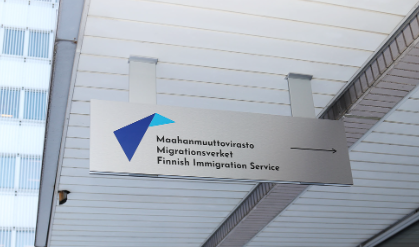
In 2022, several hundred Russians arrived in Finland seeking political asylum. According to §98a of the Aliens Act, the maximum processing time for such applications is 21 months. This deadline passed for most applicants last summer. Some asylum seekers have yet to receive a decision from Migri, while others have not even been interviewed.
The most recent communication from Migri states that the decision period has been extended due to the large number of applications. While it is clear that Migri has a significant workload, how are these applications prioritized? Logically, they should be processed in the order they were received to comply with statutory deadlines.
By November 2023, Migri had been processing hundreds of Russian applications from 2022 for over a year. Many applicants had not yet been interviewed, and no decisions had been made. At this time, Juha Similä, a Migri employee, informed Yle journalists that cases of individuals who arrived on November 16, 2023, via the eastern border would be prioritized. These individuals were labeled by the Finnish state as “instruments of hybrid influence,” a designation that ultimately led to the closure of the eastern border. On what basis was this decision made? A review of public documents provided no answers to this question.
By August 2024, Migri had already processed hundreds of applications from third-country nationals who arrived via Finland’s eastern border at the end of 2023, a year later than the Russian asylum seekers. Of these, 370 applications were canceled, 50 were approved, and 120 were denied. On November 19, 2024, a new Yle article reported that 130 people had received positive decisions and an equal number had received negative ones. In other words, Migri continues to allocate limited resources to processing cases of individuals labeled national security threats—many of whom have since left Finland for other EU countries, likely never intending to stay. Meanwhile, Migri delays the consideration of Russian applicants from 2022 who have complied with all legal procedures, are learning Finnish, and are working toward integration into Finnish society.
This situation demonstrates an apparent violation of the principle of processing cases in sequence. There are grounds to suspect that delays may be linked to the Russian citizenship of the 2022 applicants. Migri has not issued any apologies or provided a direct explanation for the delays.
As a result, Migri has been accused of violating the Aliens Act. For over two years, young, educated individuals, grateful to Finland and eager to contribute, have been stuck in a limbo. They want to work, pay taxes, and live normal lives. Instead, they are forced to live in an uncertain status where they cannot even obtain a personal ID (henkilötunnus), essential for virtually all aspects of life, and they continue to rely on social welfare.
Continue reading “Aleksanterinliitto ry:* Hundreds of Russian asylum seekers left in legal limbo”