Migrant tales
Menu
  • #MakeRacismHistory “In Your Eyes”
  • About Migrant Tales
  • It’s all about Human Rights
  • Literary
  • Migrant Tales Media Monitoring
  • NoHateFinland.org
  • Tales from Europe
Menu

Month: April 2013

How can we challenge racism if it isn’t a problem?

Posted on April 30, 2013 by Migrant Tales

As long as we don’t see racism as a big enough problem in our society, our response to it will be inefficient. Just like any illness, we must first diagnose it and then prescribe a cure.  

Kuvankaappaus 2013-4-30 kello 8.18.39

It’s disappointing to read how some people can insult others in a racist manner.

Yesterday’s news story published on Migrant Tales about a single mother and her son, who moved to Helsinki from Mikkeli because they were harassed in a racist manner, sheds light on a social illness inflicting our society today and which we must challenge.

The comments to the story on Iltalehti and Hommaforum could reveal the extent of the problem in Finland.

The Migrant Tales blog entry was mentioned on Länsi-Savo, Itä-Savo and Perusopetus.fi.

Suvaitsemattomuudesta ei löydy ratkaisu, koska sitä ei koeta tarpeeksi isoksi ongelmaksi

Posted on April 30, 2013 by Migrant Tales

Tässä on mielestäni ongelman ydin kun puhumme rasistisesta kiusaamisesta koulussa tai häirinnästä julkisella paikalla: jos kiellämme ettei rasismi ole ongelma, lääkkeet sen vastustamiseen ovat puutteelliset.  Tärkeintä on löytää keinot haasta tämä ilmiö koulussa. 

Kuvankaappaus 2013-4-30 kello 8.18.39

On surulista lukea kuinka ihmiset voivat nimettömänä loukata toisia rasistisesti.

Eilisen kirjoitus yksinhuoltajasta äidistä ja hänen pojastaan, jotka muuttivat Helsinkiin Mikkelistä rasismin takia, kertoo laajemmasta ongelmasta yhteiskunnassa johon pitää tarttua.

Kommentit Iltalehden ja Hommaforumin palstoilla valaisevat kuinka laaja suvaitsemattomuuden ongelma on Suomessa.

Migrant Talesin kirjoitus mainittiin Länsi-Savossa, Itä-Savossa sekä Peruopetuksessa.

Sara kertoo kuinka hänen poikansa joutui rasistisen kiusauksen kohteeksi Mikkeliläisessä koulussa

Posted on April 28, 2013 by Migrant Tales

Mitä ajattelisit, jos kuulisit afrikkalaisesta yksinhuoltaja äidistä, joka joutui muuttamaan Helsinkiin sen vuoksi että hänen poikansa joutui kokemaan koulussa kiusaamista ja rasismia? Ottaisitko tiedon vastaan ja lakaisisit sen maton alle vakuuttamalla itsellesi ettei tätä voi tapahtua kaupungissa missä asun?

Migrant Tales  blogi otti yhteyttä äitiin Sara (nimi muutettu), joka kertoi että hänen ja pojan elämä muuttui huonommaksi kun hänen pokansa Julian (nimi muutettu) tuolloin seitsemän vuotias aloitti koulun Kattilansillan koulussa.

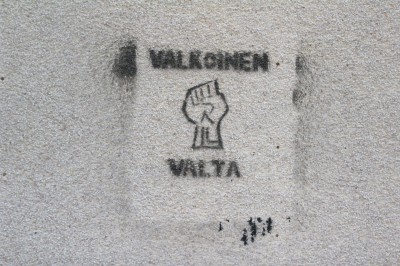
Migrant Tales julkaisi lokakuussa 2010 kirjoituksen saman koulun ulkoseinällä olleesta rasistisesta seinämaalauksesta joka oli siinä useita kuukausia ilman että siihen puututtiin koulun taholta.

Valkoinen valta-2_edited-1

Sara uskoo kyllä että opettajat ja rehtori tekivät parhaansa lopettaa pojan kiusaaminen. Kuitenkin eräs koulun opettaja v.2010 ei ollut kovin huolissaan rasistisesta seinä maalauksesta ja kysyi miksi ns. maahanmuuttokriittiset ryhmät kuten Muutos 2010 ja perussuomalaiset leimataan rasistisiksi jos he kyseenalaistavat maahanmuuttajien saamat suuremmat tuet verrattuna suomalaisiin. Kuitenkin kyseinen opettaja sanoi ettei seinäkirjoitus edustanut hänen arvojaan.

Sara:

“Olin kuullut että rasismi on ongelma Mikkelissä mutta se ei aikaisemmin koskenut minua tai lastani. Ongelmat alkoivat kun poikani aloitti ensimmäisen luokan paikallisessa koulussa. Olin itse valmistunut ammattiin ja yritin saada palkkatyötä Mikkelistä mutta se oli mahdotonta. Oli aina työharjoittelijana erilaisissa  työpaikoissa mutta koskaan en saanut varsinaista palkkatyötä.

Kerran poikani tuli koulusta ja kertoi luokkakaverin kiusanneen häntä ihonvärin vuoksi. Hän oli liian nuori ymmärtämään rasismia puhumattakaan että olisi ymmärtänyt syyn kiusaamiselle. Hän vain kysyi miksi olin synnyttänyt hänet mustaksi afrikkalaiseksi. Miksi hän ei voinut olla valkoinen kuten muut koulukaverit.

Pian suurin osa luokkatovereista alkoivat myös kiusaamisen. He kutsuivat poikaani mustaksi apinaksi ja että hänen on mentävä vessanpönttöön koska hän on ulosteen värinen.

Asiat alkoivat mennä huonompaan suuntaan koulussa Julianille. Koulussa oli tappelu ja kukaan ei halunnut leikkiä poikani kanssa. Eräänä päivänä hän sanoi ettei halua mennä enää kouluun koska kukaan ei tykkää hänestä.

Koulun opettajat ja rehtori olivat ymmärtäväisiä ja he puhuivat kiusaajien vanhempien kanssa. Asiat muuttuivatkin paremmaksi kunnes tilanne palasi entiselleen. Julianin luokkatoverit olivat saman ikäisiä kuin hän, mistä he ovat oppineet rasistisen käyttäytymisen mallin, kotoa, muilta lapsilta.

Poikani ei vain valittanut ystävien puutetta koulussa vaan sama koski pihapiiriäkin. Asuimme osaketalossa ja siellä hänellä oli yksi ystävä, mutta pojan äiti kielsi pokaansa leikkimästä Julianin kanssa.

Asuin Mikkelissä seitsemän vuotta ja kahtena viimeisenä vuotena sain vihapostia missä minua kehotettiin painumaan sinne mistä olin tullut.

Ottaen huomioon  Julianin koulukiusaus  ja tunne että elämämme oli mennyt huonompaan suuntaan kaikkien tapahtumien vuoksi päätimme muuttaa viime syksynä Helsinkiin.

Nyt elämämme uudessa paikassa on saanut paremman suunnan. Siellä missä asumme on enemmän afrikkalaisia ja pojallani on ystäviä koulussa. Häntä ei enää kiusata rasistisesti.

Jos olet ainut mustaihoinen lapsi koulussa sinua varmasti kiusataan, mutta jos heitä on useampia kiusaamista ei tapahdu niin helposti Sara ajattelee.

Toivon hartaasti ettei kukaan joudu kokemaan samaa mitä lapseni koki. En toivo kenellekään samanlaista tuskan kokemusta.

Vaikeneminen ei ole hyvä ratkaisu kun haasteena on suvaitsemattomuus.”

Sama kirjoitus voi lukea englanniksi.
 Katso Länsi-Savossa, Itä-Savossa sekä Peruopetuksessa.

Migrant Tales Literary: Six sparrows in spring

Posted on April 28, 2013 by Migrant Tales

By Leo Honka

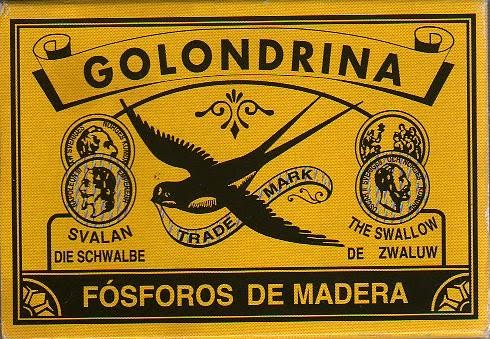
Golondrina - 1

Six sparrows in the woods

fly through the soul

but all is not lost

there’s plenty of room in spring:

goose is exhaled,

duck now enters, learns to stay an image

hare now hopes in.

Late to an appointment

sadness rushes out of the door

as toucan paints the scene

with its mighty colored beak

 final image before departing

into the sunset

with my imaginary friends.

Source: Memoria de Papel

Sara speaks out against the racist harassment her son endured at a school in Mikkeli, Finland

Posted on April 28, 2013 by Migrant Tales

What would you do if you heard that an African single mother decided to leave Mikkeli for Helsinki because her eight-year-old child was a victim of racist harassment or bullying at school? Would you just register the news and brush it conveniently under the rug and reassure yourself that these types of things don’t happen where you live?

Migrant Tales got in touch with Sara, an African single mother that spoke on condition of anonymity, to ask what had happened to her son at school. She said that her problems began when her son Julian, then a seven-year-old boy, went to Kattilansilta School.

Migrant Tales published in October 2010 a blog entry about racist spray paintings that were on the school’s walls for months.

Valkoinen valta-2_edited-1

While Sara believes that the teachers and principle did everything possible to stop the racist bullying of her son, a teacher in 2010 didn’t seem too concerned about the racist graffiti on the school’s wall. After the teacher admitted that the racist graffiti above had been there since spring and didn’t represent his values, he asked why anti-immigration groups like the Perussuomalaiset and Muutos 2011 are labelled racist whenever they criticize immigrants for getting more social welfare than Finns.

By Sara

I had heard before that racism is a problem in Mikkeli but my child and I were never its victims.  My problems started when I finished my studies and when my son Julian started first grade at the local school. Finding real work in Mikkeli was impossible for me. I served as an intern at different workplaces but never got a job that paid me a salary.

One day my son Julian came home and told me that a boy at school was bullying him in a racist manner. He was too young to understand why he was bullied.  He asked me why I had given birth to him as a black African and why he wasn’t white like the rest of the children at school.

Soon the majority of his classmates started bullying him. They named him a black monkey and told him to go to the toilet bowl because the color of his skin was like the color of feces. (Sara stops for a moment to contain her tears. She succeeds).

Matters got worse for Julian as the months passed at school. There were fights and nobody wanted to play with him. One day he said he didn’t want to go to school because nobody liked him.

The teachers and the principle were understanding and they spoke to the classmates’ parents. Things got better but for Julian for a while but then things returned to “normal” and the bullying started again. Julian’s classmates are the same age as he so what they know about racism is what they learned from their parents and other children.

Not only did my son complain that he didn’t have friends at school, but he didn’t have anyone to play with after school either. At the apartment block where we lived in Mikkeli, he did have a friend who wanted to play with him but the boy’s mother forbade it.

Last year for the first time in my seven years in Mikkeli, I got two hate mails telling me to go back to where I came from.

Taking into account what was happening at school to Julian and the feeling that things had changed for the worse in Mikkeli for us, I decided to move to Helsinki last fall.

Since then my life has changed for the better. There are more Africans where I live and my son is no longer bullied at school.

It’s incredible, but if you are the only black child at school like Julian was, you’ll get bullied. If there are more black children, bullying doesn’t happen that easily.

I sincerely hope that what happened to me and my son won’t happen to anyone.   I don’t wish such pain to befall anyone.

Silence is not the way to challenge intolerance.

Read story in Finnish here.  


Our lopsided debate on immigration and refugees serves to keep our society white

Posted on April 27, 2013 by Migrant Tales

The most startling fact about a US state department report on human rights for 2012 weren’t the sentences for hate speech handed to Perussuomalaiset (PS) party members such as MP Jussi Halla-aho and Freddy Van Wonterghem, but the discrimination suffered by Finland’s Romany minority, which number about 10,000.

Kuvankaappaus 2013-4-27 kello 11.21.04

Read full US secretary of state human rights report here.

The report states: ”Groups of Roma have lived in the country for centuries, and Roma are classified as a ’traditional ethnic minority’ in the ombudsman’s report. The Romany minority was the most frequent target of racially motivated discrimination, followed by Russian-speakers, Somalis, and Sami. Ethnic Finns were also occasionally victims of racially motivated crimes for association with members of minority communities.”

If  the Romany community is suffering the brunt of discrimination in Finland, why doesn’t anyone raise a fuss about it?  Instead or debating a festering issue like intolerance in Finland, we prefer to engage in a fruitless debate on whether Finns are racist or not and/or how many refugees commit crime and abuse social welfare.

It’s quite clear that the whole debate over intolerance in Finland is badly lopsided and highly selective.

There are an estimated 50,000-60,000 Muslims living in Finland, which amount to about 1% of the population. Moreover, the biggest national groups made up by Muslims, like Somalis and Iraqis, number 8,767 (4.1% of all immigrants) and 7,882 (3.1%), respectively, according to The Finnish Immigration Service.

In light of the above, here’s the crux of the issue concerning immigration, immigrants and cultural diversity in Finland: Why do we ignore our historic failure with the Roma while paying so much attention to Africans and Muslims, which are a small minority?

In my opinion, it not only reveals the extent of the victimization and racism against specific groups in our society by certain political parties like the PS, the media and general public, but more importantly our intolerance to people who are different from us and what’s not supposed to be debated.

By portraying certain groups as threats to our way of life, we effectively put in cold storage the all-important debate on cultural diversity. The present debate on immigrants, immigration and cultural diversity resembles in many cases bringing up pedophilia as an issue when debating gay rights.

One of the biggest wise tales of Finnish ethnicity is that it is white. Such an affirmation couldn’t be further from the truth.

Apart from over 1.2 million Finns that emigrated from this country between 1860 and 1999 and mixed culturally and ethnically with other groups in their new homelands, we are seeing the same thing happening today in Finland as more immigrants move to our country.


Matias Turkkila reveals how Finnish racism became acceptable thanks to Hommaforum and the PS

Posted on April 26, 2013 by Migrant Tales

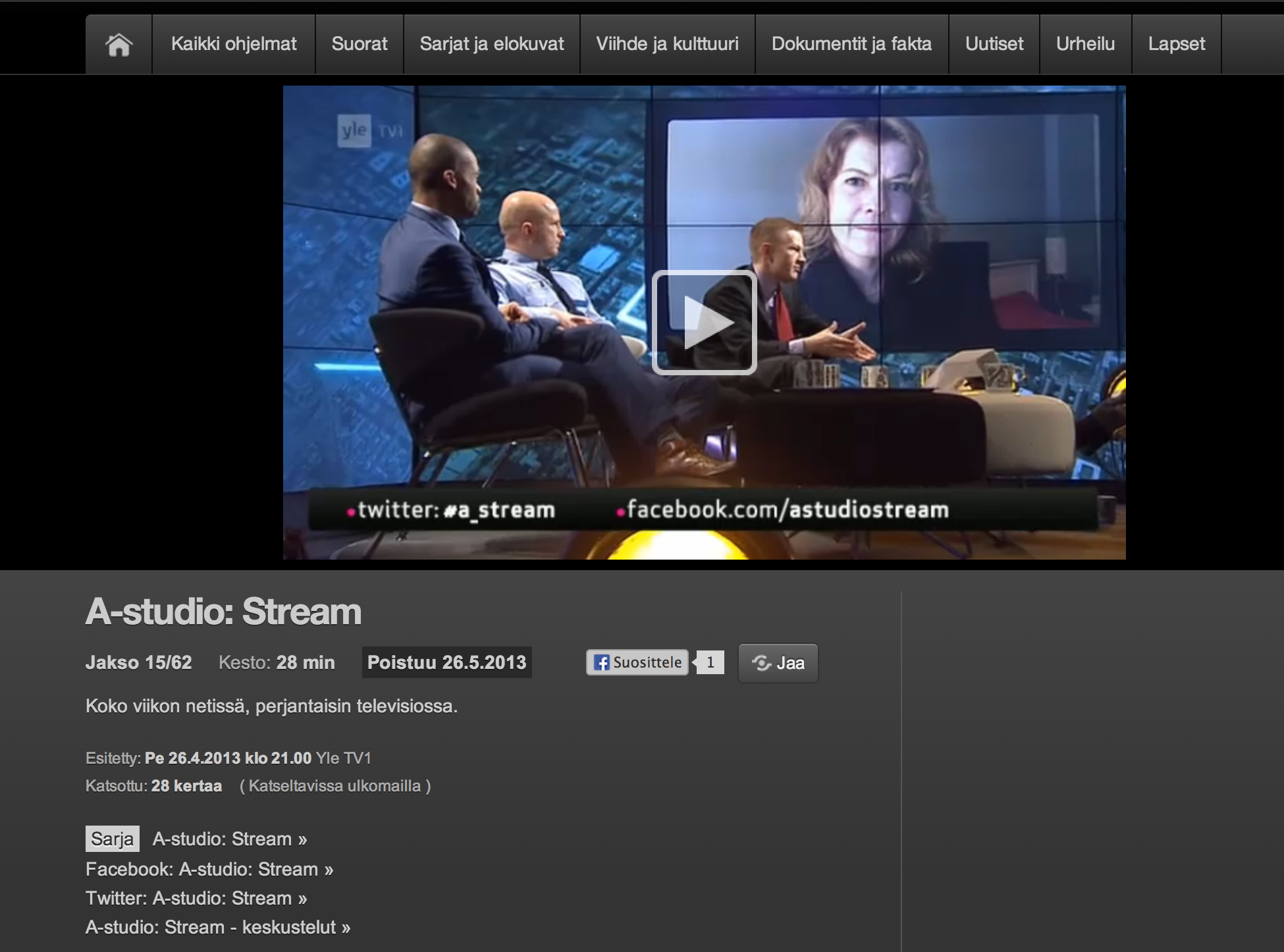
Matias Turkkila, the editor of the Perussuomalinen newspaper and founding member of Hommaforum, reinforced on Friday’s A-studio: Stream talk show on hate speech what we always knew: some Finns have serious problems in tolerating others who are different from them.

The whole debate surrounding hate speech, freedom of expression and what these two matters are becomes clouded when we justify intolerance indirectly as Turkkila does on the program.   

Kuvankaappaus 2013-4-26 kello 23.07.26

Watch A-studio: Stream here.

Turkkila, who was present at the talk show with Green Party MP Jani Toivola and Internet policeman Marko Forss, attempted to justify hate speech without even admitting that his own role at Hommaforum and close cooperation with Perussuomalaiset (PS) MP Jussi Halla, who was  convicted for ethnic agitation, are some of the causes for the rise of hate speech and intolerance in Finland.

Like so many who lobby for greater intolerance in our society, Turkkila has justified his actions with sanitized arguments.

“The debate over immigration began in 2005 or 2006 with the Mohammed cartoon scandal and how the Finnish media practiced total self-censorship,” he said on A-studio: Stream. “The media atmosphere was [at the time] quite positive to immigration and multiculturalism. On top of this, YLE was, for some odd reason, legally required to promote multiculturalism.”

Turkkila continues: “Many [Finns] saw that their fears and concerns about immigration weren’t being heard [by the state], not even about radical Islam. Those that brought up these matters were labelled racists…”

How can Turkkila claim that Finland’s media was pro-immigration at the time? What proof does he have?

It’s pretty clear that Finland’s media has had racism issues starting from what it writes or doesn’t care to write about the Romany minority of Finland. If this isn’t sufficient proof, one has only to look at what the tabloid billboards of the 1990s wrote, when the first Somali refugees moved to Finland.

If one wishes, we could even go back to the 1930s and 1940s to see the racist manner blacks were portrayed by the Finnish media.

The statement made by Turkkila, that Hommaforum, politicians like  Halla-aho, James Hirvisaari and others were an answer to people’s concern over immigration and radical Islam, is ludicrous. In plain English they were like the US American Nazi Party’s or Ku Klux Klan’s answer to white racism in the South.

So much hatred has been thrown at Finland’s immigrant community by websites like Hommaforum and some PS politicians that there is nothing that will stop our ever-culturally diverse society from growing.

A significant part of the problem is Hommaforum and the PS, which will do everything possible to ensure that immigrants never get treated and are accepted as equals to white Finns.

Julian Abagond: style guide – Eurocentric words

Posted on April 26, 2013 by Migrant Tales

By Julian Abagond

46252958887

Eurocentricisms are words that centre Western experience, that make white people seem “normal” and everyone else strange, exotic or screwed up. Such words get in the way of clear thinking.

In general, avoid:

  1. Dichotomous thinking: words that split the world in two, especially into a good half and a bad half. The world is a coat of many colours with no centre, no Chosen People.
  2. Prejudiced thinking: words that see people of an out-group as all the same or screwed up.
  3. Exoticization: words that would not be applied to white people under the same circumstances.
  4. Loaded words: words that assume the West is best.
  5. The centre with no name: use ”Western”, “white”, “Christian”, “European”, “American”, etc, instead of assuming them.

Some examples:

backward – a loaded word that makes the West the measure of all.

canoe – use “boat” unless you are talking about particular kinds of boats.

chief – use “king”, “ruler”, “leader” or the person’s title. Avoid “chief” since it is rarely applied to whites. Even Vikings did not have “chiefs”.

contribution – use “invention”, “advance”, etc. Western inventions are just inventions, never “contributions” to China or elsewhere.

developed – puts Western industrialized society at the top of human development. Say “Westernized” or “industrialized” or at least “rich”.

elders – use their title. No one calls American senators “elders”.

everyone – use “white people”, “Americans”, etc.

exotic –  Everyone is exotic and no one is exotic.

ghetto – applied to parts of Black American culture not yet accepted by whites.

hut – use “house” unless you are talking about styles of housing.

Indian – sees the thousands of native cultures of the Americas as being pretty much the same. Say what you mean: “Navajo”, “Iroquois”, etc.

medicine man – use “doctor” where possible. The trouble is that “doctor” has been Eurocentricized to mean someone with a degree in Western medicine.

Middle East – use “Muslim world” or “Arab world” instead, depending what you mean. “Middle East” is a Eurocentric term (East of where? In the Middle of what?) from American and British foreign policy. It is not a cultural region.

minority – on a world scale everyone is a minority. Even in America, whites are already a minority in places like California and metropolitan New York.

moccasin – use “shoe” unless you are talking about particular styles of shoes.

no accent – everyone speaks with an accent.

slurs – avoid unless your aim is to be a racist jerk.

stereotypes – mostly projections of white insecurity. If whites are individuals, so is everyone else.

sub-Saharan Africa – racist geography that tries to sound “objective”.

terrorist – One man’s terrorist is another man’s freedom fighter is another man’s nutcase. Thomas Jefferson and Winston Churchill were both “terrorists”.

tribal lands – use “country”.

tribe – use “nation” or “ethnic group”, which is what their white counterparts are called.

universal – use “Western”.

village – use “town”, the term almost always used for white settlements of the same size.

warrior – use “soldier” or at least “fighter”. No one calls George Washington a “warrior”.

world – use “Western world”.

Read original story here.

 This piece was reprinted by Migrant Tales with permission.

Intolerance is a wonderful weapon to exploit newcomers and strike a blow to organized labor

Posted on April 25, 2013 by Migrant Tales

There’s little chance to stop Finland from becoming an ever-growing class society or that its suspicion of immigrants and visible minorities will lessen anytime soon. Our greater intolerance of other groups won’t only be fueled by our prejudice and loathing, but by Finland’s “other” that will be more than happy to oblige.

Some immigrants  and visible minorities will gladly accept the societal pecking order of things just like some minorities in other countries have.

The key, however, is not to become a Finnish Uncle Tom (Tuomo-setä) but to build on who you are. Learn your history, be proud of who you are. If you become too white, you’ll be trapped, possibly for generations, and become part of Finland’s underclass indefinitely.

Finland’s Romany minority, who have lived in this country for 500 years and number 10,000, are a stark reminder of what happens to a group that refuses to become white. A great part of their history is marred by outright social exclusion and discrimination of the worse kind.

Kuvankaappaus 2013-4-26 kello 13.13.45

Juhana Vartianen and Jarkko Kiander spoke of the need of bringing more immigrant labor to Finland.  Read full story here.

Our ignorance and lack of resolve to tackle intolerance will eventually cost our society dearly. They will be hard blows to Nordic values such as social equality, justified and encouraged by our collective and individual greed. We opportunistically believe that by allowing intolerance, and the exploitation of immigrants and visible minorities, will allow us to eat and have our Nordic social welfare cake too.

It’s all self-deception and a tricky sales job by those who are keen to streamline people’s rights by lowering salaries, cutting social services and trimming rights.

In a news story published by YLE about  Juhana Vartiainen, an economist who wants to shake Finland off its social welfare foundations, gave his usual recipe on how to use our workforce more effectively.

Apart from the usual make-work-more-attractive-option-than-unemployment benefits, raising the retirement age and shorter study periods at universities, he  spoke of the govenment’s plan to bring 200,000 immigrants to Finland by 2019 to plug our labor shortage.

The most interesting part of the story, however, were quotes by pension insurance group Ilmarinen CFO Jarkko Kiander concerning the role of these new immigrants.

Apart from admitting that menial work could be conveniently handed to immigrants and visible minorities, he estimated that some 100,000 immigrants could be employed in these low-paying jobs that white Finns don’t want to do.

When asked about immigrants getting paid lower salaries than white Finns, he responds: ”This is the one of the economic logics behind immigration, that immigrants are cheap labor and keep salaries in check.”

In one sentence Kiander sheds light on not only what he thinks about immigrants and their integration as equals in Finland, but his contempt for them as well as for Finland’s working class. His only aim is profit for Finnish industry. Immigrants offer a wonderful weapon for him to strike a hard blow to organized labor.

People like Kiander have learned well the lessons of intolerance and how it can be used effectively for profit. Too many countries in the world exploit cheap labor in order to fatten the wallets of their owners and to attain a competitive edge over other rival companies and countries.

One matter that he hasn’t foreseen, however, is that people have the ability to organize and fight back.

As Finland permits, like it does now, the social exclusion and exploitation of immigrants in some cases with the blessings of the unions,  we’ll end up shooting ourselves in the leg.

But this is what Ilmarinen’s CFO as well as many other large business leaders aim to do. Who cares about our social welfare society as long as they get their fat paychecks at the end of the month and juicy annual bonuses.


Migrant Tales (November 28, 2011): Who is Finland’s Uncle Tom?

Posted on April 25, 2013 by Migrant Tales

Comment: This blog entry was first published on November 28, 2011. For some reason, it’s impossible to access this posting from the old Migrant Tales site.  I have reposted it on www.migranttales.net.

_____________________

Is there such a concept as Uncle Tom in Finland? @HelsinkiObs helped me out with this question: “It’s Setä Tuomo (older style) or Tuomo-setä if you mean this context.” 

A New York Times opinion-piece gives the meaning of Uncle Tom: “Today, of course, the book has a decidedly different reputation, thanks to the popular image of its titular character, Uncle Tom — whose name has become a byword for a spineless sellout, a black man who betrays his race.”

In Finland the definition would be the same as in the United States. A Tuomo-setä could be any immigrant who betrays other people like him by becoming and adopting the same values that fuel racism.

The Finnish Uncle Tom is a pretty opportunistic person. He or she believes that the only way to escape discrimination is by becoming the culprit.

There are a lot of Tuomo-setäs out there who are more racist than some Finns.

What do you think would be a good name for an Uncle Tom that lives in Finland?

Mamu-setä, maybe?

  • 1
  • 2
  • 3
  • 4
  • 5
  • Next
Read more about documentary film
Read more

Recent Posts

  • Finland’s tabloids Iltalehti and Ilta-Sanomat are the pits
  • Riikka Purra’s Dr Jekyll and Mr Hyde mask
  • Double standards
  • Perussuomalaiset: Uusi logo, sama vanha juttu
  • Taco Trump

Recent Comments

  1. Absolutely Socking: Racist Finnish Facebook group against human rights gets flooded with socks on Musta Barbaari’s mother and sister charged by the police in “ethnic profiling” case
  2. Ilkka Nuotio on Pekka Myrskylä: “Tilastot kertovat toista kuin poliittinen keskustelu”
  3. Genrih Soinkara on The war in Ukraine and the Russian-Finnish border crisis are showing Finland’s ugly side
  4. Ahti Tolvanen on Comment by Ahti Tolvanen on the Helsinki +50 conference
  5. Angel Barrientos on Angel Barrientos is one of the kind beacons of Finland’s Chilean community

Archives

  • June 2026
  • May 2026
  • April 2026
  • March 2026
  • February 2026
  • January 2026
  • December 2025
  • November 2025
  • October 2025
  • September 2025
  • August 2025
  • July 2025
  • June 2025
  • May 2025
  • April 2025
  • March 2025
  • February 2025
  • January 2025
  • December 2024
  • November 2024
  • October 2024
  • September 2024
  • August 2024
  • July 2024
  • June 2024
  • May 2024
  • April 2024
  • March 2024
  • February 2024
  • January 2024
  • December 2023
  • November 2023
  • October 2023
  • September 2023
  • August 2023
  • July 2023
  • June 2023
  • May 2023
  • April 2023
  • March 2023
  • February 2023
  • January 2023
  • December 2022
  • November 2022
  • October 2022
  • September 2022
  • August 2022
  • July 2022
  • June 2022
  • May 2022
  • April 2022
  • March 2022
  • February 2022
  • January 2022
  • December 2021
  • November 2021
  • October 2021
  • September 2021
  • August 2021
  • July 2021
  • June 2021
  • May 2021
  • April 2021
  • March 2021
  • February 2021
  • January 2021
  • December 2020
  • November 2020
  • October 2020
  • September 2020
  • August 2020
  • July 2020
  • June 2020
  • May 2020
  • April 2020
  • March 2020
  • February 2020
  • January 2020
  • December 2019
  • November 2019
  • October 2019
  • September 2019
  • August 2019
  • July 2019
  • June 2019
  • May 2019
  • April 2019
  • March 2019
  • February 2019
  • January 2019
  • December 2018
  • November 2018
  • October 2018
  • September 2018
  • August 2018
  • July 2018
  • June 2018
  • May 2018
  • April 2018
  • March 2018
  • February 2018
  • January 2018
  • December 2017
  • November 2017
  • October 2017
  • September 2017
  • August 2017
  • July 2017
  • June 2017
  • May 2017
  • April 2017
  • March 2017
  • February 2017
  • January 2017
  • December 2016
  • November 2016
  • October 2016
  • September 2016
  • August 2016
  • July 2016
  • June 2016
  • May 2016
  • April 2016
  • March 2016
  • February 2016
  • January 2016
  • December 2015
  • November 2015
  • October 2015
  • September 2015
  • August 2015
  • July 2015
  • June 2015
  • May 2015
  • April 2015
  • March 2015
  • February 2015
  • January 2015
  • December 2014
  • November 2014
  • October 2014
  • September 2014
  • August 2014
  • July 2014
  • June 2014
  • May 2014
  • April 2014
  • March 2014
  • February 2014
  • January 2014
  • December 2013
  • November 2013
  • October 2013
  • September 2013
  • August 2013
  • July 2013
  • June 2013
  • May 2013
  • April 2013
  • March 2013
  • February 2013
  • January 2013
  • December 2012
  • November 2012
  • October 2012
  • September 2012
  • August 2012
  • July 2012
  • June 2012
  • May 2012
  • April 2012
  • March 2012
  • February 2012
  • January 2012
  • December 2011
  • November 2011
  • October 2011
  • September 2011
  • August 2011
  • July 2011
  • June 2011
  • May 2011
  • April 2011
  • March 2011
  • February 2011
  • January 2011
  • December 2010
  • November 2010
  • October 2010
  • September 2010
  • August 2010
  • July 2010
  • June 2010
  • May 2010
  • April 2010
  • March 2010
  • February 2010
  • January 2010
  • December 2009
  • November 2009
  • October 2009
  • September 2009
  • August 2009
  • July 2009
  • December 2008
  • November 2008
  • October 2008
  • September 2008
  • August 2008
  • July 2008
  • June 2008
  • May 2008
  • April 2008
  • March 2008
  • February 2008
  • January 2008
  • November 2007
  • October 2007
  • September 2007
  • August 2007
  • July 2007
  • June 2007
  • May 2007

Categories

  • ?? Gia L?c
  • ????? ?????? ????? ???????? ?? ??????
  • ???????
  • @HerraAhmed
  • @mondepasrond
  • @nohatefinland
  • @oula_silver
  • @Varathas
  • A Pakistani family
  • äärioikeisto
  • Abbas Bahmanpour
  • Abdi Muhis
  • Abdirahim Hussein Mohamed
  • Abdirahim Husu Hussein
  • Abdirisak Mahamed
  • About Migrant Tales
  • activism
  • Adam Al-Sawad
  • Adel Abidin
  • Afrofinland
  • Ahmed IJ
  • Ahti Tolvanen
  • Aino Pennanen
  • Aisha Maniar
  • Alan Ali
  • Alan Anstead
  • Alejandro Díaz Ortiz
  • Alekey Bulavsev
  • Aleksander Hemon
  • Aleksanterinliitto
  • Aleksanterinliitto ry
  • Aleksanterinliitto ry:n hallitus
  • Alex Alex
  • Alex Mckie
  • Alexander Nix
  • Alexandra Ayse Albayrak
  • Alexis Neuberg
  • Ali Asaad Hasan Alzuhairi
  • Ali Hossein Mir Ali
  • Ali Rashid
  • Ali Sagal Abdikarim
  • Alina Tsui
  • Aline Müller
  • All categories
  • Aman Heidari
  • Amiirah Salleh-Hoddin & Jana Turk
  • Amin A. Alem
  • Amir Zuhairi
  • Amkelwa Mbekeni
  • Ana María Gutiérrez Sorainen
  • Anachoma
  • Anders Adlecreutz
  • Angeliina Koskinen
  • Anna De Mutiis
  • Anna María Gutiérrez Sorainen
  • Anna-Kaisa Kuusisto ja Jaakko Tuominen
  • Annastiina Kallius
  • Anneli Juise Friman Lindeman
  • Announcement
  • Anonymous
  • Antero Leitzinger
  • anti-black racism
  • Anti-Hate Crime Organisation Finland
  • Anudari Boldbaatar
  • Arshiya Nasser
  • Aspergers Syndrome
  • Asylum Corner
  • Asylum seeker 406
  • Athena Griffin and Joe Feagin
  • Autism
  • Avaaz.org
  • Awale Olad
  • Ayan Said Mohamed
  • AYY
  • Barachiel
  • Bashy Quraishy
  • Beatrice Kabutakapua
  • Beri Jamal
  • Beri Jamal and Enrique Tessieri
  • Bertolt Brecht
  • Boiata
  • Boodi Kabbani
  • Bruno Gronow
  • Carmen Pekkarinen
  • Çelen Oben and Sheila Riikonen
  • Chiara Costa-Virtanen
  • Chiara Costa-Virtanen
  • Chiara Sorbello
  • Christian Thibault
  • Christopher Wylie
  • Clara Dublanc
  • Dana
  • Daniel Malpica
  • Danilo Canguçu
  • David Papineau
  • David Schneider
  • Dexter He
  • Don Flynn
  • Dr Masoud Kamali
  • Dr. Faith Mkwesha
  • Dr. Theodoros Fouskas
  • Edna Chun
  • Eeva Kilpi
  • Emanuela Susheela
  • En castellano
  • ENAR
  • Enrique
  • Enrique Tessieri
  • Enrique Tessieri & Raghad Mchawh
  • Enrique Tessieri & Yahya Rouissi
  • Enrique Tessieri and Muhammed Shire
  • Enrique Tessieri and Sira Moksi
  • Enrique Tessieri and Tom Vandenbosch
  • Enrique Tessieri and Wael Che
  • Enrique Tessieri and Yahya Rouissi
  • Enrique Tessieri and Zimema Mhone
  • Epäluottamusmies
  • EU
  • Europe
  • European Islamophobia Report
  • European Islamophobia Report 2019,
  • European Union
  • Eve Kyntäjä
  • Ezequiel Caldeiro
  • Facebook
  • Fadumo Dayib
  • Faisa Kahiye
  • Farhad Manjoo
  • Fasismi
  • Finland
  • Fizza Qureshi
  • Flyktingar och asyl
  • Foreign Student
  • Fozia Mir-Ali
  • Frances Webber
  • Frida Selim
  • Gareth Rice
  • Ghyslain Vedeaux
  • Global Art Point
  • Great Replacement
  • Habiba Ali
  • Hami Bahadori
  • Hami Bahdori
  • Hamid
  • Hamid Alsaameere
  • Hamid Bahdori
  • Handshake
  • Harmit Athwal
  • Hassan Abdi Ali
  • Hassan Muhumud
  • Heikki Huttunen
  • Heikki Wilenius
  • Helsingin Sanomat
  • Henning van der Hoeven
  • Henrika Mälmsröm
  • Hser Hser
  • Hser Hser ja Mustafa Isman
  • Husein Muhammed
  • Hussain Kazemian
  • Hussain Kazmenian
  • Ibrahim Khan
  • Ida
  • Ignacio Pérez Pérez
  • Iise Ali Hassan
  • Ilari Kaila & Tuomas Kaila
  • Imam Ka
  • inside-an-airport
  • Institute of Race Relations
  • Iraqi asylum seeker
  • IRR European News Team
  • IRR News Team
  • Islamic Society of Norhern FInland
  • Islamic Society of Northern Finland
  • Islamophobia
  • Jacobinmag.com
  • Jallow Momodou
  • Jan Holmberg
  • Jane Elliott
  • Jani Mäkelä
  • Jari Luoto
  • Jari Taponen
  • Jegor Nazarov
  • Jenni Stammeier
  • Jenny Bourne
  • Jessie Daniels
  • Joe Davidow
  • Johannes Koski
  • John D. Foster
  • John Grayson
  • John Marriott
  • Jon Burnett
  • Jorma Härkönen
  • Jos Schuurmans
  • José León Toro Mejías
  • Josue Tumayine
  • Jouni Karnasaari
  • Juan Camilo
  • Jukka Eräkare
  • Julian Abagond
  • Julie Pascoet
  • Jussi Halla-aho
  • Jussi Hallla-aho
  • Jussi Jalonen
  • JusticeDemon
  • Kadar Gelle
  • Kaksoiskansalaisuus
  • Kansainvälinen Mikkeli
  • Kansainvälinen Mikkeli ry
  • Katherine Tonkiss
  • Kati Lepistö
  • Kati van der Hoeven-Lepistö
  • Katie Bell
  • Kättely
  • Kerstin Ögård
  • Keshia Fredua-Mensah & Jamie Schearer
  • Khadidiatou Sylla
  • Khadra Abdirazak Sugulle
  • Kiihotus kansanryhmää vastaan
  • Kirsi Crowley
  • Koko Hubara
  • Kristiina Toivikko
  • Kubra Amini
  • KuRI
  • La Colectiva
  • La incitación al odio
  • Laura Huhtasaari
  • Lauri Finér
  • Leif Hagert
  • Léo Custódio
  • Leo Honka
  • Leontios Christodoulou
  • Lessie Branch
  • Lex Gaudius
  • Leyes de Finlandia
  • Liikkukaa!
  • Linda Hyökki
  • Liz Fekete
  • M. Blanc
  • Maarit Snellman
  • Mahad Sheikh Musse
  • Maija Vilkkumaa
  • Malmin Kebab Pizzeria Port Arthur
  • Marcell Lorincz
  • Mari Aaltola
  • María Paz López
  • Maria Rittis Ikola
  • Maria Tjader
  • Marja-Liisa Tolvanen
  • Mark
  • Markku Heikkinen
  • Marshall Niles
  • Martin Al-Laji
  • Maryan Siyad
  • Matt Carr
  • Mauricio Farah Gebara
  • Media Monitoring Group of Finland
  • Micah J. Christian
  • Michael McEachrane
  • Michele Levoy
  • Michelle Kaila
  • Migrant Tales
  • Migrant Tales Literary
  • Migrantes News
  • Migrants' Rights Network
  • MigriLeaks
  • Mikko Kapanen
  • Miriam Attias and Camila Haavisto
  • Mohamed Adan
  • Mohammad Javid
  • Mohammad M.
  • Monikulttuurisuus
  • Monisha Bhatia and Victoria Canning
  • Mor Ndiaye
  • Muh'ed
  • Muhamed Abdimajed Murshid
  • Muhammed Shire
  • Muhammed Shire and Enrique Tessieri
  • Muhis Azizi
  • Musimenta Dansila
  • Muslimiviha
  • Musulmanes
  • Namir al-Azzawi
  • Natsismi
  • Neurodiversity
  • New Women Connectors
  • Nils Muižnieks
  • No Labels No Walls
  • Noel Dandes
  • Nuor Dawood
  • Omar Khan
  • Otavanmedia
  • Oula Silvennoinen
  • Paco Diop
  • Pakistani family
  • Pentti Stranius
  • Perussuomalaiset
  • perustuslaki
  • Petra Laiti
  • Petri Cederlöf
  • Pia Grochowski
  • Podcast-lukija Bea Bergholm
  • Pohjois – Suomen Islamilainen Yhdyskunta
  • Pohjois Suomen Islamilainen Yhyskunta
  • Polina Kopylova
  • Race Files
  • racism
  • Racism Review
  • Raghad Mchawh
  • Ranska
  • Rashid H. and Migrant Tales
  • Rasismi
  • Raul Perez
  • Rebecka Holm
  • Reem Abu-Hayyeh
  • Refugees
  • Reija Härkönen
  • Remiel
  • Reza Nasri
  • Richard Gresswell
  • Riikka Purra
  • Risto Laakkonen
  • Rita Chahda
  • Ritva Kondi
  • Robito Ibrahim
  • Roble Bashir
  • Rockhaya Sylla
  • Rodolfo Walsh
  • Roger Casale
  • Rostam Atai
  • Roxana Crisólogo Correa
  • Ruth Grove-White
  • Ruth Waweru-Folabit
  • S-worldview
  • Sadio Ali Nuur
  • Sami Rusanen
  • Sandhu Bhamra
  • Sara de Jong
  • Sarah Crowther
  • Sari Alhariri
  • Sarkawt Khalil
  • Sasu
  • Scot Nakagawa
  • Shabana Ahmadzai
  • Shada Islam
  • Sharon Chang blogs
  • Shenita Ann McLean
  • Shirlene Green Newball
  • Sini Savolainen
  • Sira Moksi
  • Sonia K.
  • Sonia Maria Koo
  • Steverp
  • Stop Deportations
  • Suldaan Said Ahmed
  • Suomen mediaseurantakollektiivi
  • Suomen Muslimifoorumi ry
  • Suomen viharikosvastainen yhdistys
  • Suomen viharikosvastainen yhdistys ry
  • Suomi
  • Supermen
  • Susannah
  • Suva
  • Syrjintä
  • Talous
  • Tapio Tuomala
  • Taw Reh
  • Teivo Teivainen
  • The Daily Show
  • The Heino
  • The Supermen
  • Thomas Elfgren
  • Thulfiqar Abdulkarim
  • Tim McGettigan
  • Tino Singh
  • Tito Moustafa Sliem
  • Tobias Hübinette and L. Janelle Dance
  • Transport
  • Trica Danielle Keaton
  • Trilce Garcia
  • Trish Pääkkönen
  • Trish Pääkkönen and Enrique Tessieri
  • Tuulia Reponen
  • Uncategorized
  • UNITED
  • University of Eastern Finland
  • Uyi Osazee
  • Väkivalta
  • Vapaa Liikkuvuus
  • Venla-Sofia Saariaho
  • Vieraskynä
  • W. Che
  • W. Che an Enrique Tessieri
  • Wael Ch.
  • Wan Wei
  • Women for Refugee Women
  • Xaan Kaafi Maxamed Xalane
  • Xassan Kaafi Maxamed Xalane
  • Xassan-Kaafi Mohamed Halane & Enrique Tessieri
  • Yahya Rouissi
  • Yasmin Yusuf
  • Yassen Ghaleb
  • Yle Puhe
  • Yuliet Tresa
  • Yve Shepherd
  • Zahra Khavari
  • Zaker
  • Zalina Ametova
  • Zamzam Ahmed Ali
  • Zeinab Amini ja Soheila Khavari
  • Zimema Mahone and Enrique Tessieri
  • Zimema Mhone
  • Zoila Forss Crespo Moreyra
  • ZT
  • Zulma Sierra
  • Zuzeeko Tegha Abeng
© 2026 Migrant tales | Powered by Minimalist Blog WordPress Theme