Migrant tales
Menu
  • #MakeRacismHistory “In Your Eyes”
  • About Migrant Tales
  • It’s all about Human Rights
  • Literary
  • Migrant Tales Media Monitoring
  • NoHateFinland.org
  • Tales from Europe
Menu

Month: April 2014

Jussi Halla-aho’s broken record: destroy cultural and ethnic diversity

Posted on April 11, 2014 by Migrant Tales

We hear over and over again the same anti-immigration diatribe by politicians like Perussuomalaiset (PS) MP Jussi Halla-aho, who complain constantly about too liberal immigration policy and multiculturalism.

Näyttökuva 2014-4-11 kello 12.21.00

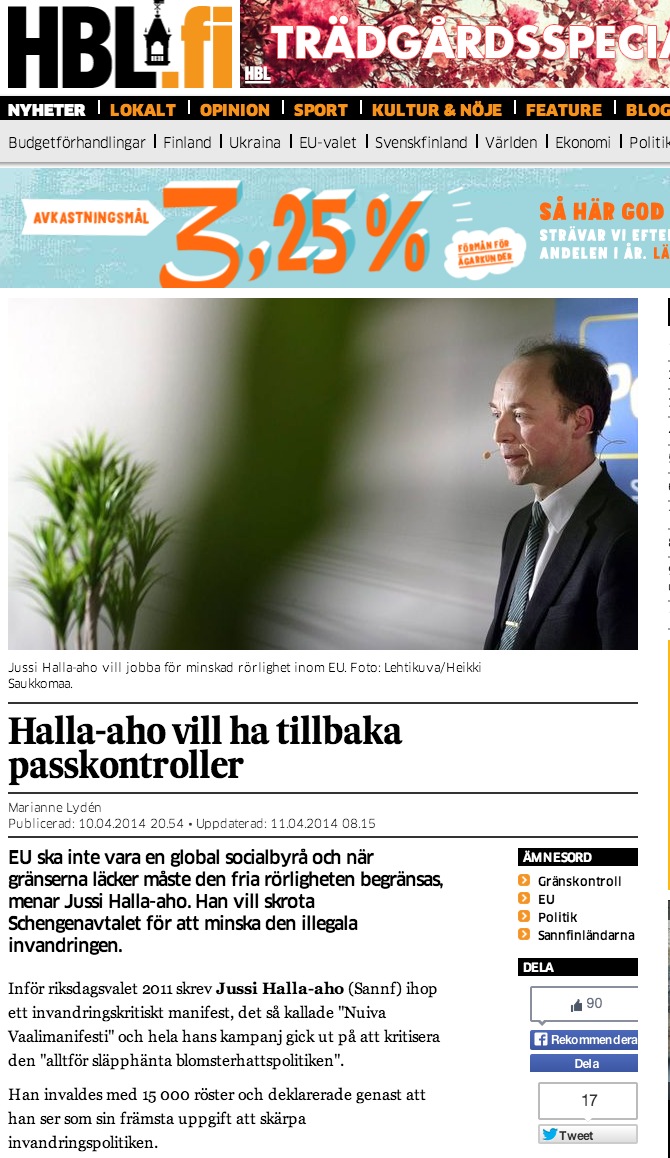
PS MP Jussi Halla-aho would like to restrict free movement of people in Europe and tighten migration policy if elected Euro MP, according to Swedish-language daily HBL. Read full story here.

Even if the Finnish media and politicians consider Halla-aho near-invincible, he is very vulnerable. What would happen if the PS return to the single-digit-percentage league like before the 2011 parliamentary elections?

Would Halla-aho face the same fate as his ideological soul mate MP James Hirvisaar, who has been largely forgotten by the media after he was sacked from the PS in October?

In the same far-right populist style as other politicians in his dubious group, Halla-aho, who was sentenced for ethnic agitation, whines near-constantly about multiculturalism but does not offer any solutions. He does not give any solutions because he’d lose a lot of support if he did.

Much of the prejudices that Finns house today are parroted by Halla-aho. One of these is his hostility of our cultural and ethnic diversity. If he ever got enough power and backing, it would be only a matter of time when he’d expose his dark side on how to maintain Finland white. He’d suggest something that Dutch anti-immigration extremist Geert Wilders said recently.

Wilders outraged many people in Holland in March and much of the political establishment, including his own party, by telling a crowd of supporters that he would find a way for Holland to have fewer Moroccans.

It’s Halla-aho and his kind that should get with the times. Finland was, is and will be ethnically and culturally diverse.


How tabloid Ilta-Sanomat spreads and reinforces “us” and “them” in Finland

Posted on April 9, 2014 by Migrant Tales

A Migrant Tales reader* gave us the heads-up today of a story he read on tabloid Ilta-Sanomat, one of the worst of the worst when it comes to spreading prejudice about migrants and visible minorities.

A story published Tuesday about a woman who tried to smuggle her Turkish boyfriend to Finland is a case in point.

 Näyttökuva 2014-4-9 kello 23.56.19

Read full story here.

According to Ilta-Sanomat, which cites Russian news agency Ria Novosti, we don’t know if the the woman, who is being held in custody by the Russian authorities, is a Finnish citizen or a “real” Finn.

It writes: “The woman with Finnish citizenship is being held [by the authorities] in Saint Petersburg…The Russian news agency doesn’t make it clear if she’s a native or naturalized Finn.”

So? Why is it important for us to know if she is a native or naturalized Finn? Oh, yes, I get it: Naturalized Finns commit crimes – native white Finns are therefore more trustworthy.

When it comes to spreading racism in Finland, Ilta-Sanomat is one of the worst publications in Finland.

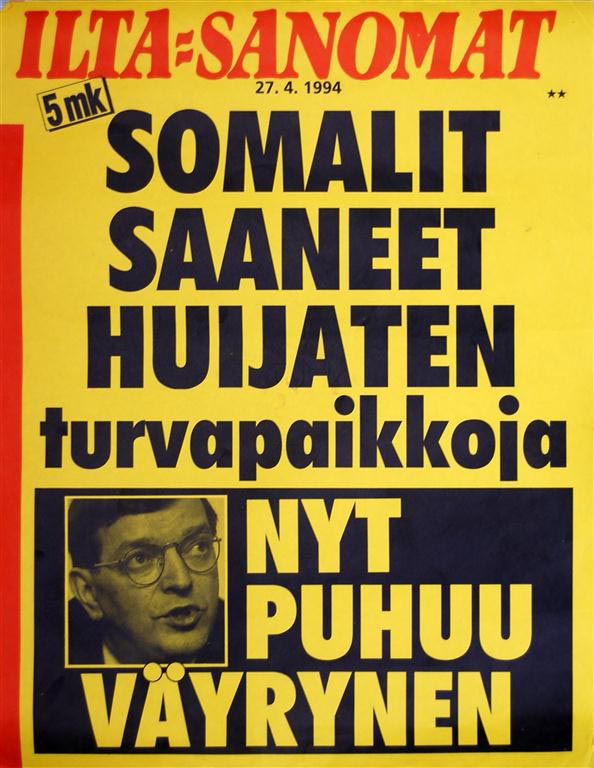
Their billboards from the 1990s speak for themselves like the one below.

L_1062-Medium
This billboard from 1994 claims that Somalis conned the authorities in getting asylum in Finland.

*Thank you D4R for the heads-up!

It’s time for Finnbay to answer some questions

Posted on April 9, 2014 by Migrant Tales

As everyone tries to figure out who Finnbay is and why it’s been singled out by the Finnish foreign ministry, we could ask why is so much attention given to its director, Onur Yalcintas? What is he guilty of? 

Näyttökuva 2014-4-9 kello 11.53.52

Read full story here.

Is he guilty of slanting news in order to get reputable global publications like The Economist and huge media companies like NBC  to use the publication as a source? Did The Economist and NBC make a big mistake by quoting Finnbay?

Such publications have world-class journalists, who are humans and make mistakes. Even so, one of their most elementary skills should be confirming the credibility of their sources.

That may have been difficult considering that even the Finnish foreign ministry used to “trust” Finnbay with a link on its This is Finland site. The link was taken down on Monday, according to YLE in English.

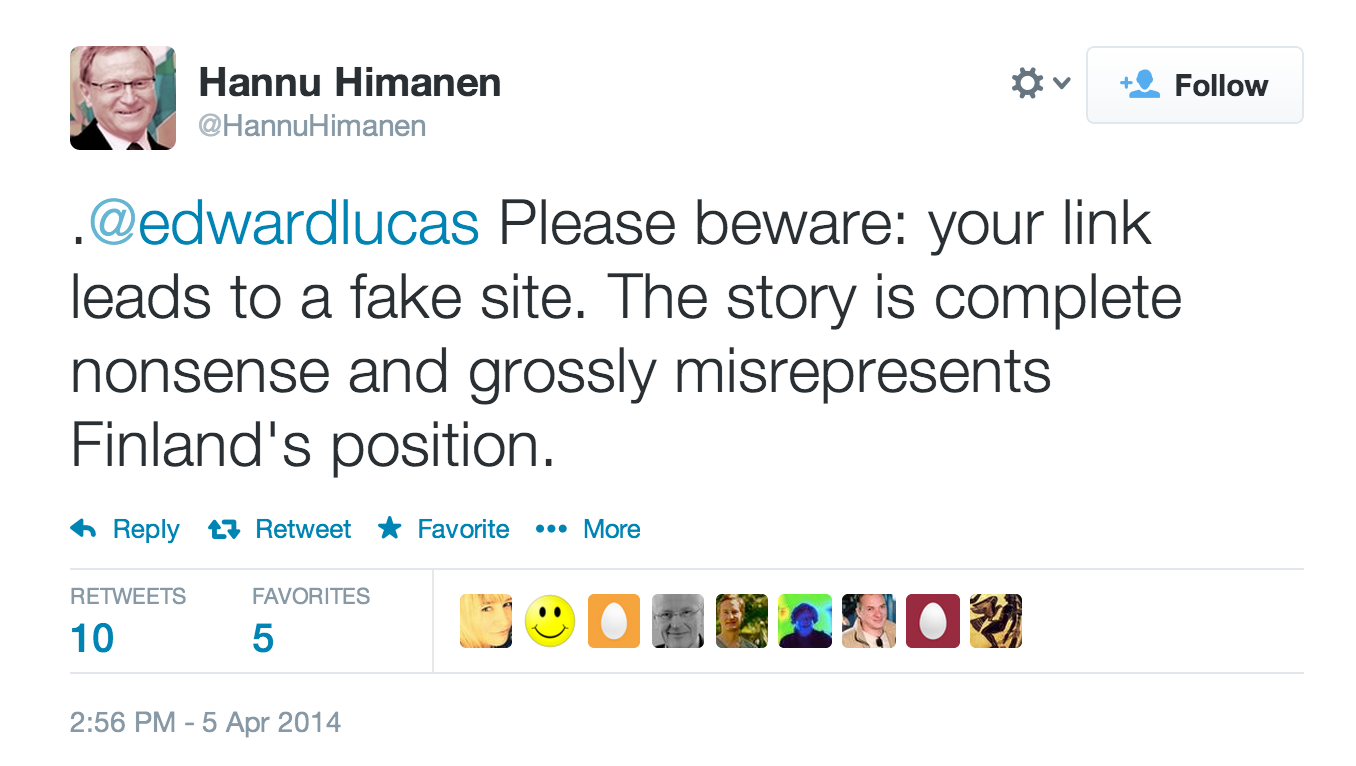
When Finland’s ambassador to Russia, Hannu Himanen, tweeted Saturday that Finnbay is a fake site, he didn’t tell us why he made such an accusation. Does Ambassador Himanen have intelligence that we don’t have access to about Finnbay and Yalcintas?

Or did he mean the site should not be trusted because it’s unreliable?

One of the matters that surprised me the most about Ambassador Himanen’s reaction Finnbay on Sunday was its ferocity. For YLE’s 8:30pm news to state that its coverage of Russia was “a fabricated lie,” is in my opinion overkill and brings back memories of the cold war years, when the foreign ministry kept a close watch over what foreign journalists wrote.

Since Himanen has accused Finnbay of being “a fake site,” this has led to speculation that the publication may even be in cahoots with Russia in spreading misinformation about the crisis in the Ukraine and its impact on Finland.

As we mentioned on a previous blog entry, Finnbay is in my opinion nothing more than a publication that is striving to become profitable. A statement by Finnbay Sunday didn’t help matters when it claimed that they report the facts because they “have the balls.” Such statements reveal more bravado than professional journalism.

Yalcintas has a lot of questions to answer. His silence isn’t helping him at all. If he publishes stories that are picked up by publications like The Economist, we should know who Finnbay is. They have an obligation to be transparent and fair with us.

I’m certain that publications like The Economist would have not paid much attention to this story if Yalcintas would answer some tough questions about Finnbay like the fake address, who is Bruce Stone, Enterprises Borderless and the publications legal status. 

The sooner Finnbay clears up these valid questions, the sooner the storm will blow over.


JOURNALISMI JA BLOGIKIRJOITTAMINEN UUSILLE SUOMALAISILLE (HELSINKI)

Posted on April 8, 2014 by Migrant Tales

24.-25.4.2014 Otavan Opiston Osuuskunta, Annankatu 9 a 11, Helsinki

Haluatko julkaista uutisia suomalaisissa tai ulkomaalaisessa mediassa? Kiinnostaako blogikirjoittajan ura? Haluatko tietää mitä on tiedottaminen? Löytääksesi paikan kirjoituksellesi, sinun tulee tuntea lehdistö ja markkinointi Suomessa kuten myös ulkomailla.

Kurssin sisältö

Koulutuksen päätavoite on yksikertainen: antaa keinoja julkaista valmista kirjoitustyötä. Lisäksi tavoitteena on lisätä Suomessa asuvien maahanmuuttajien osaamista asia- ja mielipidetekstien kirjoittamisessa sekä parantaa heidän valmiuksiaan osallistua yhteiskunnalliseen keskusteluun ja näin saada julki maahanmuuttajien omaa näkökulmaa.

Koulutuksessa saat tietoa esimerkiksi seuraavista asioista:

– uutisjuttu, kolumnin ja pääkirjoituksen kirjoittaminen
– haastattelutekniikka
– ulkomaankirjeenvaihtaja tai freelancer-toimittaja Suomessa
– referenssilähteet, joita voit käyttää tarjotessasi tekstejä suomalaiselle tai ulkomaalaisille medioille
– toimittajien tyylikirjat
– katsaus Suomen median historiaan
– sensuuri, itsesensuuri ja median rooli länsimaisessa demokratiassa
– eettiset kysymykset, jotka koskevat toimittajia
– julkisen sanan neuvoston rooli
– blogin perustaminen

Hinta

Kurssihinta 30 eur (sis. kahvit, ei lounasta). Laskutetaan jälkikäteen.

Ilmoittautuminen

Ilmoittautumislomakkeeseen pääsee täältä. Ilmoittautuminen 16.4.2013 asti.

Kouluttajana toimii Enrique Tessieri. Hänellä on noin 25 vuoden kokemus ulkomaankirjeenvaihtajana Suomessa, Argentiinassa, Espanjassa, Kolumbiassa ja Italiassa. Hän on Migrant Tales -blogin päätoimittaja. Lue lisää Enriquen ajatuksia kurssista täältä!

Palautetta viime syksyn kurssilta

“Teacher, Enrique Tessieri , made a very good connection to participants and shared his knowledge and information effectively.”

“Kolme kieltä ja opettaja huomioi kaikki meitä. Pohdimme yhdessä ja vaikka teimme työryhmä! Uutta ideoita tuli runsaasti.”

Lisätietoja: [email protected]

Finnish football coach Juha Malinen: RoPS has “the most Finnish team” in the national league

Posted on April 8, 2014 by Migrant Tales

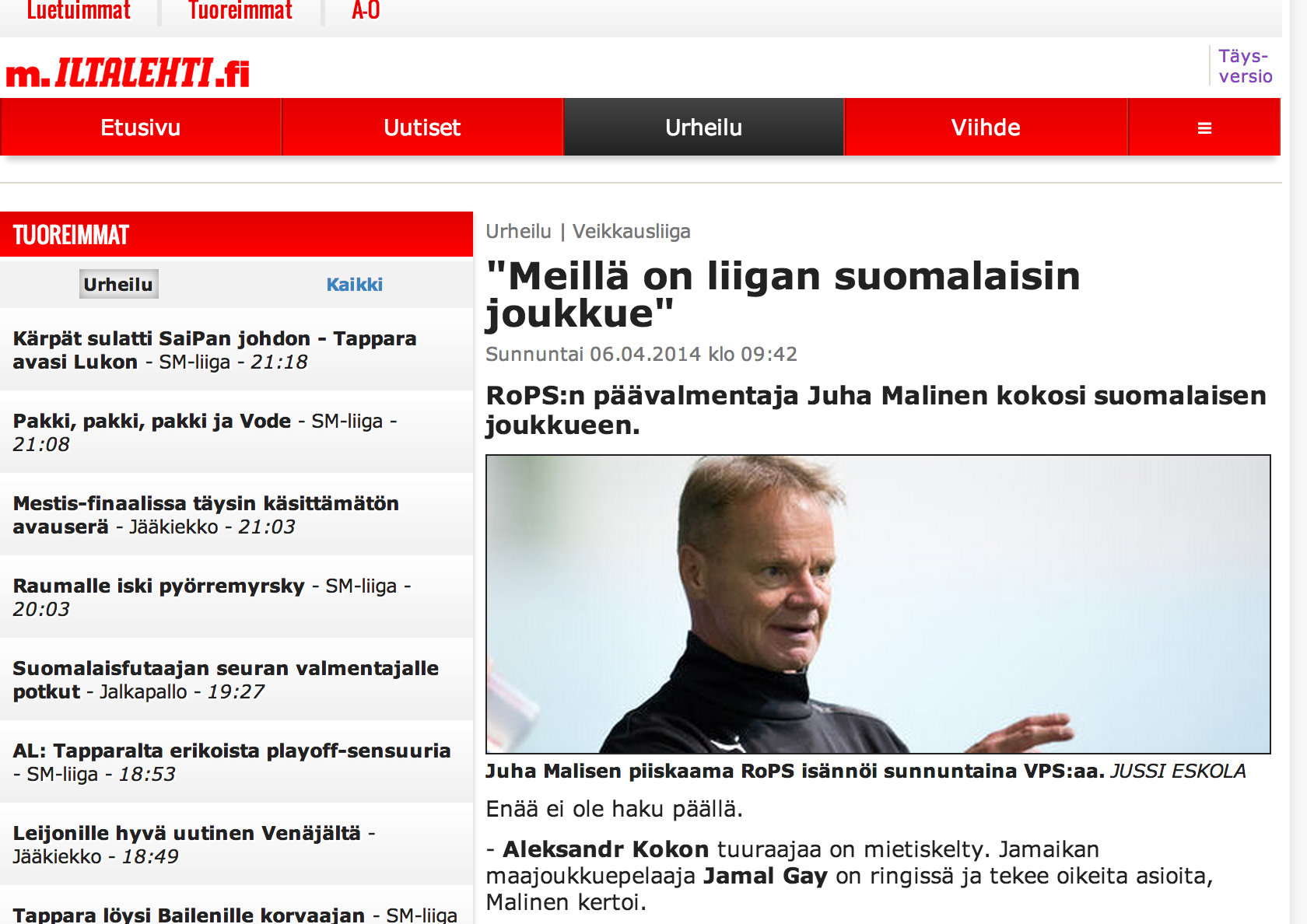
The head coach of Rovaniemen Pallo Seura (RoPS), Juha Malinen, claims to have put together the “most Finnish” team in the Finnish national football league. Did Malinen mean that he now coaches the most “white Finnish” team? It sure sounds that way. 

“A few years ago RoPS had thirteen black men [players],” he was quoted as saying on tabloid Iltalehti. “…We now have players whose names can be pronounced correctly and who Finns know…”

Christian Thibault is chairperson of Rasmus, a Finnish anti-racism NGO, was surprised by Malinen’s statements and why the Football Association of Finland is so quiet.

“The media and people speaking in the media will have to carry in mind how those sentences ring in those children’s ears and what message this is sending to them: RoPS had thirteen black men,” he said. “Non-white Finns where devastated by Juha Malinen’s words and they are asking if this is the hidden and accepted agenda in all of Finnish football and maybe beyond only just sports. It is them who deserve an answer.”

Näyttökuva 2014-4-8 kello 7.14.13

Read full story here. 

Anything wrong with Malinen’s statement? Black people aren’t Finns? Talking about an all-white Finnish team is odd considering our ever-culturally diverse society that is globally integrated. Isn’t football the issue not ethnic background?

Do you think Malinen chose his words wisely and is his affirmation racist?

Dr. Theodoros Fouskas: Representing the unrepresented? Operation and representativeness of the Migrant Integration Councils in Greece

Posted on April 7, 2014 by Migrant Tales

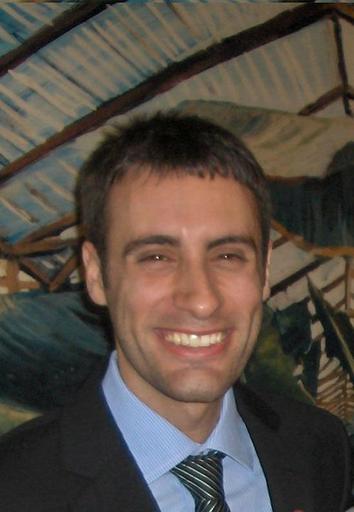
Dr. Theodoros Fouskas* 
unnamed

The article examines the participation and representation of immigrants in local public life in Greece. Through 27 semi-structured questionnaires, this research (Fouskas, 2013) is the first attempt to evaluate the operation and representativeness of the Migrant Integration Councils (MICs) of the municipalities of Greece. Research evidence proves that there are serious difficulties and enormous weaknesses regarding immigrant communities and immigrant representation in the MIC. In the majority of the researched municipalities (74%) not all immigrant populations in their jurisdiction are represented in the MIC. Moreover, it is crucial to note that of the immigrants who participated in the process of the formation and further operation of the MIC, the majority (56%) were not elected representatives of immigrant communities. There are severe problems of representation and participation of immigrants in their community associations which raise doubts as to the actual and official representation by those acting as immigrant representatives.

Through the research, concerning the operation of the MICs, the following are established: The lethargic intervention of the institution in the life of local communities is usually justified due to lack of resources; an independent and autonomous budget in municipal financial plans would overcome difficulties and practical weaknesses. However, a significant number of successful activities have been implemented under the current institutional framework with extremely limited financial means, a consequence of the ongoing economic crisis. The difficulties regarding the administrative and scientific support of the interventions planned by MICs are sometimes deal with whilst municipalities do not have the capacity to exclusively appoint specialised personnel for the MIC’s needs. The existence of permanent specialized staff and the necessary administrative structures would ensure institutional memory and viability, strengthening the institution and releasing its function from clientele relations or personal aspirations of MICs participants.

Regarding the immigrant community representativeness in MICs there are enormous weaknesses. The need to establish common criteria for representation of individual groups is imperative, which should not, however, lead to the conclusion that there should be common procedures. Apart from practical unfeasibility, the aim is to implement efficient processes tailored to local cases and the individual characteristics of immigrant communities. An important finding is that there is significant delay in activating the institution, in conjunction with an increased degradation of its operation. In many cases, municipal authorities do not embrace the institution with the necessary trust and do not pursue its operation, which negatively affects the perceptions that immigrants themselves shape about this. The need to establish constant communication bridges with local immigrant communities and associations, to transfer paradigms, practices and solutions at local level between MICs, is of great importance and gravity.

The present economic crisis has urgently put forward the need to establish local policies for social integration of vulnerable groups, especially immigrants. In this context, the MIC’s advisory and consulting role will be vital in the local policies if it is operated with adequate staffing, expertise and the will to contribute, and provided there is true immigrant representation. If MIC is formed as above it could contribute decisively in crucial sectors for the social integration of immigrants, e.g., formal labour market integration, combating undeclared work, actions against racism and xenophobia, fostering of trust in their communities, organization and coordination of immigrants in their associations, revival of immigrants’ interest to care and participate in local matters, removal of barriers that prevent harmonious co-existence, etc. MIC contribution should take place in the frame of deep knowledge of the local area and the particularities of its native and legal immigrant population. The MIC may face limitations in two main areas: its representativeness and its advisory role. Some immigrant communities are not represented despite all efforts. It is important to mention that the main goal of MICs is to increase the participation of foreigners in local public life. The creation and the operation of an MIC must be supported by genuine political will on behalf of the City Council. In some cases, despite the presence of an MIC, local elected representatives do not consult it or do so only after already deciding on matters. Hence, in order to optimise the usefulness of MIC, their role as a consultative body must be placed on an institutional basis, with certain rights and obligations of its members and its associates.

Näyttökuva 2014-4-7 kello 7.47.33

Read full essay here.

*Dr. Theodoros Fouskas is a Lecturer at New York College, Greece.
Website: http://theodorosfouskas.com/
Email: [email protected]

Fouskas, Theodoros (2013) “Representing the unrepresented? Operation and representativeness of Migrant Integration Councils in Greece”, Social Cohesion and Development, Vol. 8, No. 2, pp. 127-150, ISSN: 1790-9368, words: 7.000.

Why is the Finnish foreign ministry so jumpy about Finnbay’s coverage of the crisis in the Ukraine?

Posted on April 6, 2014 by Migrant Tales

One of the most surprising stories that has circulated today in Finland is that Finnbay, a publication which has occasionally used Migrant Tales as a source, is a fake site, according to a tweet by Hannu Himanen, Finland’s ambassador to Moscow.  Why is the foreign ministry so jumpy about what Finnbay publishes on the Ukraine crisis and its impact on Finland?

The answer to that question is pretty obvious. If you consider that large US media corporations like NBC are using Finnbay as a source then the matter takes a totally different dimension.

Who is Finnbay? From the few talks I’ve had over the phone in the past with the editor, it appears to be a publication that covers Finland and which is trying to become profitable. Thanks to all the publicity that Finnbay got on Sunday, that may be now possible.

Having reported on Finnish-Soviet affairs for publications like the Financial Times and others during the 1980s and early 1990s, the reaction of the foreign ministry to what Finnbay reported sends deja vu chills up my spine. Back then, the foreign ministry kept a close watch on what foreign journalists wrote about Finnish-Soviet relations.

Näyttökuva 2014-4-6 kello 21.38.29

Read full statement here.

Aleksanteri Institute head Markku Kivinen is quoted as saying on YLE in English that Finnbay maybe two things if one looks at the stories it publishes on Russia.  “Either it is fishing for news and visibility or then it’s pure propaganda,” he was quoted as saying.  “This kind of news is being traded globally because at this point Russian military actions are in the spotlight,”

The Aleksanteri Institute functions as a national centre of research, study and expertise pertaining to Russia and Eastern Europe.

So is Finnbay guilty of publishing propaganda as Kivinen claims? Shouldn’t large media companies like NBC know which sources are reliable and those that aren’t?

Näyttökuva 2014-4-6 kello 21.31.53

Finland was recently awarded by the World Press Freedom Index as the top country for press freedom. Does a country that respects press freedom single out and attack a publication because it disagrees with what it reports?

It would be good for all parties concerned that the foreign ministry gets to the bottom of the matter as soon as possible.

Finnish tabloid media’s dubious “achievment” is spreading intolerance

Posted on April 6, 2014 by Migrant Tales

The Finnish tabloid media has the dubious “honor” for having spread intolerance in Finland by giving populists and racists inflated respectability and importance. If we look at some of the billboards that tabloids published in the 1990s, it’s clear that they were responsible for spreading racism and prejudice in Finland.  

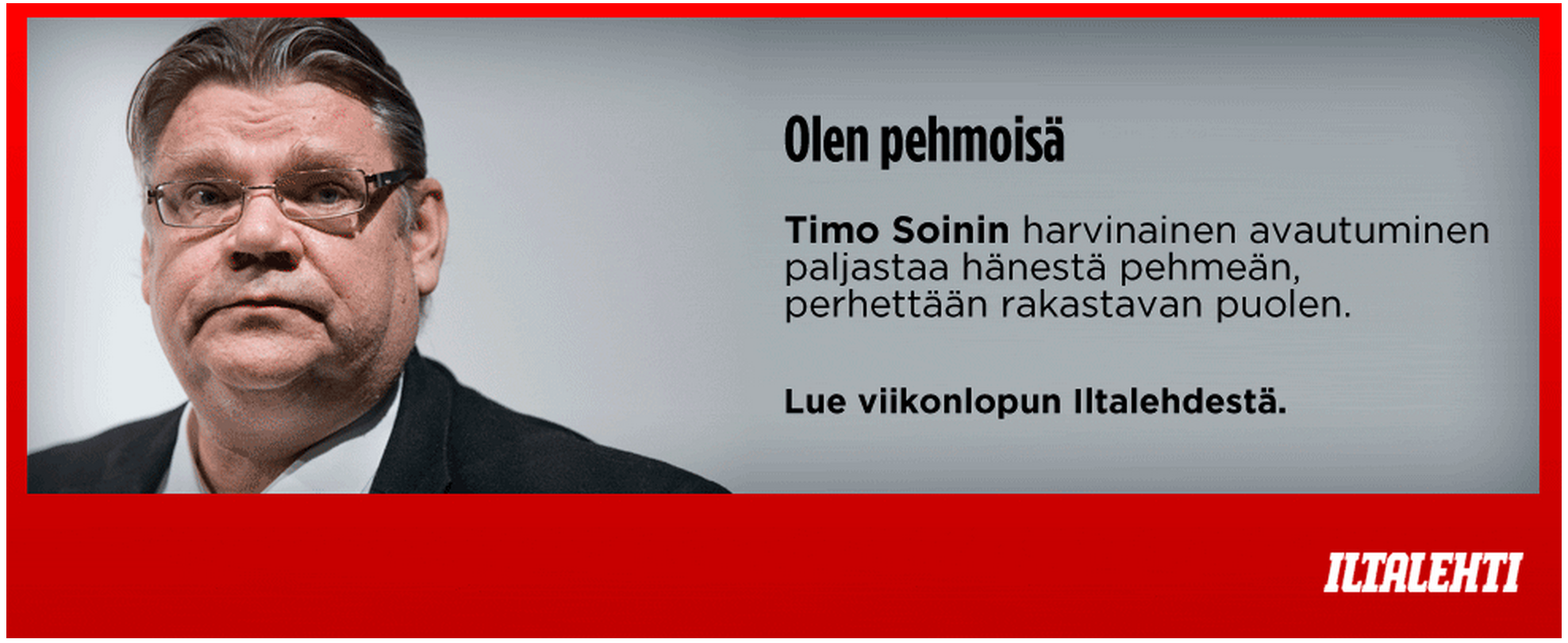
Take for instance the most recent ad on Iltalehti’s website about Timo Soini, the right-wing populist leader of the Perussuomalaiset (PS) party who is hostile to migrants and minorities. The ad asks readers to buy the weekend edition to read about Soini’s “opening up” and soft loving dad side.

Soft loving dad side? Certainly everyone loves his family. But when it comes to loving others that’s where clear lines are drawn.

Soini, who likes to portray himself as a political leader who has not helped racists and ultra-nationalists to get political power, makes it clear that he is against gay marriage and abortion. This fact speaks volumes about what kind of a hell Finland would be if he ever became prime minister.

Näyttökuva 2014-4-6 kello 11.18.38

What about if I posted the following billboards below to contrast with the one above? How do two from 1994 and 1996 contrast with what Iltalehti claims about Soini?

Tabloids may have a short memory but many in this country, especially migrants and visible minorities, remember many of the insults and outright hostility against them. Such intolerance is daily and not difficult to forget.

l_1084-medium1

This billboard from 1996 by Iltalehti’s rival, Ilta-Sanomat, claims that those Somalis that got asylum in Finland in the early 1990s will remain permanently in Finland.

L_1062-Medium

This billboard claims that Somalis conned authorities into giving them asylum. In 1994, Somali was absorbed in a terrible civil war that has been going on to date.

.

Timo Soini and the PS do it again: usual sound bites and no accountability

Posted on April 5, 2014 by Migrant Tales

Perussuomalaiset (PS)* leader Timo Soini published this week a book about himself and the growth of the anti-EU, anti-immigration and anti-Islam party. In the book, Peruspomo, he candidly gives his opinion about the party, of some PS MPs and reveals some of his health issues. 

In a nutshell, Peruspomo gives us the same message, or lack of accountability, about the party that is hostile to migrants and anyone who doesn’t fit in their narrow world of imagined and real enemies.

After three years since the 2011 parliamentary elections, when the PS scored their historic victory, is Finland politically a better place to live? What we have seen since then is greater polarization, scapegoating of migrants and more hostility to our cultural and ethnic diversity.

Considering the intolerance and hostility that Soini helped bring to parliament, it’s pretty odd that the media continues to let him off the hook by not connecting him with racist statements and policies of his members and party. Migrant Tales has written about Soini’s good-cop-bad-cop strategy.

Politicians and the media, who are white, underestimate the threat of a party like the PS that bases its politics on social exclusion of some groups. As long as this is the case, we will not only be robbing opportunities entitled to others, but weakening our own values in the process.

To forget what Soini and PS represent is an exercise in self-deceit. It’s believing his usual sound bites and sugar-coated words, like “I don’t support racism and hate speech,” which act like candy. They give you a temporary rush but leave you hungry and empty.

The PS has insulted so many migrants and minorities in this country that it has effectively stunted its chances of ever becoming a “normal” party in Finland. The PS show that some Finns like right-wing populism. This can be seen with the Rural Party of the 1970s and the PS today. It’s pretty certain that after the demise of the PS, other suitors will appear to entertain the masses.

Of MP James Hirvisaari, who was sacked from the party in October for taking a picture of a friend who made a Nazi salute in parliament, Soini claimed in the book that he claims he was surprised when that he got elected and that this meant trouble.

Another PS MP he doesn’t speak highly of is Jussi Halla-aho, whom like Hirvisaari has been sentenced for ethnic agitation. “His best qualities aren’t in leadership,” he writes. “His background is a bit tragic. His parents divorced…and was viciously bullied at school.”

The Euro MP elections of May and parliamentary elections of April 2015 will be make-or-break elections for Soini and the PS.

* The Finnish name of the Finns Party is the Perussuomalaiset (PS). The English-language names adopted by the PS, like True Finns or Finns Party, promote in our opinion nativist nationalism and xenophobia. We therefore prefer to use the Finnish name of the party on our postings.

Muslim woman wasn’t admitted to the Finnish police training school because she would refuse to take off her headscarf

Posted on April 3, 2014 by Migrant Tales

A Muslim woman, 38, was not admitted to the police training school because she would not take off her headscarf during working hours, reports YLE in English. The woman was so disappointed with the rejection that she even contemplated leaving Finland.

 Näyttökuva 2014-4-3 kello 20.29.48

Read full story here.

“In the [police] interviewer’s opinion it was not possible to negotiate, and I didn’t get in to the school,” said the Muslim woman. “I have always wanted to join the police and now I’ve been forced to give up on my dream. The scarf is my identity and religion; I cannot give it up during working hours.”

Conservative Christian Democrat Interior Minister Päivi Räsänen, who mixes too often religion with matters of the state, added salt to injury by claiming that the police should “represent official power, not certain religious convictions.”

Räsänen doesn’t believe that the restriction to wear a headscarf has anything to do with religion and our cultural norms.

In neighboring Sweden matters are done differently.

“Scarves, turbans and Jewish kippahs are allowed because the Swedish police want people from different backgrounds to become police,” said Carolina Ekéus of the Swedish police. “In addition, allowing headscarves was seen as an equality measure.”

The point by Ekéus is key: Do people who come from different religions and cultural backgrounds in Finland have equal rights? Is this another example of how we speak of two-way integration but it’s actually ethnocentric one-way adaption?

The headscarf case shows clearly that Finland’s police still believes that it doesn’t have to change and adjust to our ever-growing ethnic and cultural diversity.

Migrant Tales reported recently about a Sikh busman’s struggle right to wear a turban at work and there was a even a case where a Muslim woman was fired on the first day of work for wearing a headscarf.

Finland’s Constitution and non-discrimination act state clearly that a person cannot be discriminated because of his or her background. Such laws have little meaning if a public employer like the police interpret the law to suit themselves.

Moreover, it shows a total disregard for the fact that Finland is today a culturally diverse country. It is a visible thumbs down by the police to this fact.


  • Previous
  • 1
  • 2
  • 3
  • 4
  • Next
Read more about documentary film
Read more

Recent Posts

  • Finland’s tabloids Iltalehti and Ilta-Sanomat are the pits
  • Riikka Purra’s Dr Jekyll and Mr Hyde mask
  • Double standards
  • Perussuomalaiset: Uusi logo, sama vanha juttu
  • Taco Trump

Recent Comments

  1. Absolutely Socking: Racist Finnish Facebook group against human rights gets flooded with socks on Musta Barbaari’s mother and sister charged by the police in “ethnic profiling” case
  2. Ilkka Nuotio on Pekka Myrskylä: “Tilastot kertovat toista kuin poliittinen keskustelu”
  3. Genrih Soinkara on The war in Ukraine and the Russian-Finnish border crisis are showing Finland’s ugly side
  4. Ahti Tolvanen on Comment by Ahti Tolvanen on the Helsinki +50 conference
  5. Angel Barrientos on Angel Barrientos is one of the kind beacons of Finland’s Chilean community

Archives

  • June 2026
  • May 2026
  • April 2026
  • March 2026
  • February 2026
  • January 2026
  • December 2025
  • November 2025
  • October 2025
  • September 2025
  • August 2025
  • July 2025
  • June 2025
  • May 2025
  • April 2025
  • March 2025
  • February 2025
  • January 2025
  • December 2024
  • November 2024
  • October 2024
  • September 2024
  • August 2024
  • July 2024
  • June 2024
  • May 2024
  • April 2024
  • March 2024
  • February 2024
  • January 2024
  • December 2023
  • November 2023
  • October 2023
  • September 2023
  • August 2023
  • July 2023
  • June 2023
  • May 2023
  • April 2023
  • March 2023
  • February 2023
  • January 2023
  • December 2022
  • November 2022
  • October 2022
  • September 2022
  • August 2022
  • July 2022
  • June 2022
  • May 2022
  • April 2022
  • March 2022
  • February 2022
  • January 2022
  • December 2021
  • November 2021
  • October 2021
  • September 2021
  • August 2021
  • July 2021
  • June 2021
  • May 2021
  • April 2021
  • March 2021
  • February 2021
  • January 2021
  • December 2020
  • November 2020
  • October 2020
  • September 2020
  • August 2020
  • July 2020
  • June 2020
  • May 2020
  • April 2020
  • March 2020
  • February 2020
  • January 2020
  • December 2019
  • November 2019
  • October 2019
  • September 2019
  • August 2019
  • July 2019
  • June 2019
  • May 2019
  • April 2019
  • March 2019
  • February 2019
  • January 2019
  • December 2018
  • November 2018
  • October 2018
  • September 2018
  • August 2018
  • July 2018
  • June 2018
  • May 2018
  • April 2018
  • March 2018
  • February 2018
  • January 2018
  • December 2017
  • November 2017
  • October 2017
  • September 2017
  • August 2017
  • July 2017
  • June 2017
  • May 2017
  • April 2017
  • March 2017
  • February 2017
  • January 2017
  • December 2016
  • November 2016
  • October 2016
  • September 2016
  • August 2016
  • July 2016
  • June 2016
  • May 2016
  • April 2016
  • March 2016
  • February 2016
  • January 2016
  • December 2015
  • November 2015
  • October 2015
  • September 2015
  • August 2015
  • July 2015
  • June 2015
  • May 2015
  • April 2015
  • March 2015
  • February 2015
  • January 2015
  • December 2014
  • November 2014
  • October 2014
  • September 2014
  • August 2014
  • July 2014
  • June 2014
  • May 2014
  • April 2014
  • March 2014
  • February 2014
  • January 2014
  • December 2013
  • November 2013
  • October 2013
  • September 2013
  • August 2013
  • July 2013
  • June 2013
  • May 2013
  • April 2013
  • March 2013
  • February 2013
  • January 2013
  • December 2012
  • November 2012
  • October 2012
  • September 2012
  • August 2012
  • July 2012
  • June 2012
  • May 2012
  • April 2012
  • March 2012
  • February 2012
  • January 2012
  • December 2011
  • November 2011
  • October 2011
  • September 2011
  • August 2011
  • July 2011
  • June 2011
  • May 2011
  • April 2011
  • March 2011
  • February 2011
  • January 2011
  • December 2010
  • November 2010
  • October 2010
  • September 2010
  • August 2010
  • July 2010
  • June 2010
  • May 2010
  • April 2010
  • March 2010
  • February 2010
  • January 2010
  • December 2009
  • November 2009
  • October 2009
  • September 2009
  • August 2009
  • July 2009
  • December 2008
  • November 2008
  • October 2008
  • September 2008
  • August 2008
  • July 2008
  • June 2008
  • May 2008
  • April 2008
  • March 2008
  • February 2008
  • January 2008
  • November 2007
  • October 2007
  • September 2007
  • August 2007
  • July 2007
  • June 2007
  • May 2007

Categories

  • ?? Gia L?c
  • ????? ?????? ????? ???????? ?? ??????
  • ???????
  • @HerraAhmed
  • @mondepasrond
  • @nohatefinland
  • @oula_silver
  • @Varathas
  • A Pakistani family
  • äärioikeisto
  • Abbas Bahmanpour
  • Abdi Muhis
  • Abdirahim Hussein Mohamed
  • Abdirahim Husu Hussein
  • Abdirisak Mahamed
  • About Migrant Tales
  • activism
  • Adam Al-Sawad
  • Adel Abidin
  • Afrofinland
  • Ahmed IJ
  • Ahti Tolvanen
  • Aino Pennanen
  • Aisha Maniar
  • Alan Ali
  • Alan Anstead
  • Alejandro Díaz Ortiz
  • Alekey Bulavsev
  • Aleksander Hemon
  • Aleksanterinliitto
  • Aleksanterinliitto ry
  • Aleksanterinliitto ry:n hallitus
  • Alex Alex
  • Alex Mckie
  • Alexander Nix
  • Alexandra Ayse Albayrak
  • Alexis Neuberg
  • Ali Asaad Hasan Alzuhairi
  • Ali Hossein Mir Ali
  • Ali Rashid
  • Ali Sagal Abdikarim
  • Alina Tsui
  • Aline Müller
  • All categories
  • Aman Heidari
  • Amiirah Salleh-Hoddin & Jana Turk
  • Amin A. Alem
  • Amir Zuhairi
  • Amkelwa Mbekeni
  • Ana María Gutiérrez Sorainen
  • Anachoma
  • Anders Adlecreutz
  • Angeliina Koskinen
  • Anna De Mutiis
  • Anna María Gutiérrez Sorainen
  • Anna-Kaisa Kuusisto ja Jaakko Tuominen
  • Annastiina Kallius
  • Anneli Juise Friman Lindeman
  • Announcement
  • Anonymous
  • Antero Leitzinger
  • anti-black racism
  • Anti-Hate Crime Organisation Finland
  • Anudari Boldbaatar
  • Arshiya Nasser
  • Aspergers Syndrome
  • Asylum Corner
  • Asylum seeker 406
  • Athena Griffin and Joe Feagin
  • Autism
  • Avaaz.org
  • Awale Olad
  • Ayan Said Mohamed
  • AYY
  • Barachiel
  • Bashy Quraishy
  • Beatrice Kabutakapua
  • Beri Jamal
  • Beri Jamal and Enrique Tessieri
  • Bertolt Brecht
  • Boiata
  • Boodi Kabbani
  • Bruno Gronow
  • Carmen Pekkarinen
  • Çelen Oben and Sheila Riikonen
  • Chiara Costa-Virtanen
  • Chiara Costa-Virtanen
  • Chiara Sorbello
  • Christian Thibault
  • Christopher Wylie
  • Clara Dublanc
  • Dana
  • Daniel Malpica
  • Danilo Canguçu
  • David Papineau
  • David Schneider
  • Dexter He
  • Don Flynn
  • Dr Masoud Kamali
  • Dr. Faith Mkwesha
  • Dr. Theodoros Fouskas
  • Edna Chun
  • Eeva Kilpi
  • Emanuela Susheela
  • En castellano
  • ENAR
  • Enrique
  • Enrique Tessieri
  • Enrique Tessieri & Raghad Mchawh
  • Enrique Tessieri & Yahya Rouissi
  • Enrique Tessieri and Muhammed Shire
  • Enrique Tessieri and Sira Moksi
  • Enrique Tessieri and Tom Vandenbosch
  • Enrique Tessieri and Wael Che
  • Enrique Tessieri and Yahya Rouissi
  • Enrique Tessieri and Zimema Mhone
  • Epäluottamusmies
  • EU
  • Europe
  • European Islamophobia Report
  • European Islamophobia Report 2019,
  • European Union
  • Eve Kyntäjä
  • Ezequiel Caldeiro
  • Facebook
  • Fadumo Dayib
  • Faisa Kahiye
  • Farhad Manjoo
  • Fasismi
  • Finland
  • Fizza Qureshi
  • Flyktingar och asyl
  • Foreign Student
  • Fozia Mir-Ali
  • Frances Webber
  • Frida Selim
  • Gareth Rice
  • Ghyslain Vedeaux
  • Global Art Point
  • Great Replacement
  • Habiba Ali
  • Hami Bahadori
  • Hami Bahdori
  • Hamid
  • Hamid Alsaameere
  • Hamid Bahdori
  • Handshake
  • Harmit Athwal
  • Hassan Abdi Ali
  • Hassan Muhumud
  • Heikki Huttunen
  • Heikki Wilenius
  • Helsingin Sanomat
  • Henning van der Hoeven
  • Henrika Mälmsröm
  • Hser Hser
  • Hser Hser ja Mustafa Isman
  • Husein Muhammed
  • Hussain Kazemian
  • Hussain Kazmenian
  • Ibrahim Khan
  • Ida
  • Ignacio Pérez Pérez
  • Iise Ali Hassan
  • Ilari Kaila & Tuomas Kaila
  • Imam Ka
  • inside-an-airport
  • Institute of Race Relations
  • Iraqi asylum seeker
  • IRR European News Team
  • IRR News Team
  • Islamic Society of Norhern FInland
  • Islamic Society of Northern Finland
  • Islamophobia
  • Jacobinmag.com
  • Jallow Momodou
  • Jan Holmberg
  • Jane Elliott
  • Jani Mäkelä
  • Jari Luoto
  • Jari Taponen
  • Jegor Nazarov
  • Jenni Stammeier
  • Jenny Bourne
  • Jessie Daniels
  • Joe Davidow
  • Johannes Koski
  • John D. Foster
  • John Grayson
  • John Marriott
  • Jon Burnett
  • Jorma Härkönen
  • Jos Schuurmans
  • José León Toro Mejías
  • Josue Tumayine
  • Jouni Karnasaari
  • Juan Camilo
  • Jukka Eräkare
  • Julian Abagond
  • Julie Pascoet
  • Jussi Halla-aho
  • Jussi Hallla-aho
  • Jussi Jalonen
  • JusticeDemon
  • Kadar Gelle
  • Kaksoiskansalaisuus
  • Kansainvälinen Mikkeli
  • Kansainvälinen Mikkeli ry
  • Katherine Tonkiss
  • Kati Lepistö
  • Kati van der Hoeven-Lepistö
  • Katie Bell
  • Kättely
  • Kerstin Ögård
  • Keshia Fredua-Mensah & Jamie Schearer
  • Khadidiatou Sylla
  • Khadra Abdirazak Sugulle
  • Kiihotus kansanryhmää vastaan
  • Kirsi Crowley
  • Koko Hubara
  • Kristiina Toivikko
  • Kubra Amini
  • KuRI
  • La Colectiva
  • La incitación al odio
  • Laura Huhtasaari
  • Lauri Finér
  • Leif Hagert
  • Léo Custódio
  • Leo Honka
  • Leontios Christodoulou
  • Lessie Branch
  • Lex Gaudius
  • Leyes de Finlandia
  • Liikkukaa!
  • Linda Hyökki
  • Liz Fekete
  • M. Blanc
  • Maarit Snellman
  • Mahad Sheikh Musse
  • Maija Vilkkumaa
  • Malmin Kebab Pizzeria Port Arthur
  • Marcell Lorincz
  • Mari Aaltola
  • María Paz López
  • Maria Rittis Ikola
  • Maria Tjader
  • Marja-Liisa Tolvanen
  • Mark
  • Markku Heikkinen
  • Marshall Niles
  • Martin Al-Laji
  • Maryan Siyad
  • Matt Carr
  • Mauricio Farah Gebara
  • Media Monitoring Group of Finland
  • Micah J. Christian
  • Michael McEachrane
  • Michele Levoy
  • Michelle Kaila
  • Migrant Tales
  • Migrant Tales Literary
  • Migrantes News
  • Migrants' Rights Network
  • MigriLeaks
  • Mikko Kapanen
  • Miriam Attias and Camila Haavisto
  • Mohamed Adan
  • Mohammad Javid
  • Mohammad M.
  • Monikulttuurisuus
  • Monisha Bhatia and Victoria Canning
  • Mor Ndiaye
  • Muh'ed
  • Muhamed Abdimajed Murshid
  • Muhammed Shire
  • Muhammed Shire and Enrique Tessieri
  • Muhis Azizi
  • Musimenta Dansila
  • Muslimiviha
  • Musulmanes
  • Namir al-Azzawi
  • Natsismi
  • Neurodiversity
  • New Women Connectors
  • Nils Muižnieks
  • No Labels No Walls
  • Noel Dandes
  • Nuor Dawood
  • Omar Khan
  • Otavanmedia
  • Oula Silvennoinen
  • Paco Diop
  • Pakistani family
  • Pentti Stranius
  • Perussuomalaiset
  • perustuslaki
  • Petra Laiti
  • Petri Cederlöf
  • Pia Grochowski
  • Podcast-lukija Bea Bergholm
  • Pohjois – Suomen Islamilainen Yhdyskunta
  • Pohjois Suomen Islamilainen Yhyskunta
  • Polina Kopylova
  • Race Files
  • racism
  • Racism Review
  • Raghad Mchawh
  • Ranska
  • Rashid H. and Migrant Tales
  • Rasismi
  • Raul Perez
  • Rebecka Holm
  • Reem Abu-Hayyeh
  • Refugees
  • Reija Härkönen
  • Remiel
  • Reza Nasri
  • Richard Gresswell
  • Riikka Purra
  • Risto Laakkonen
  • Rita Chahda
  • Ritva Kondi
  • Robito Ibrahim
  • Roble Bashir
  • Rockhaya Sylla
  • Rodolfo Walsh
  • Roger Casale
  • Rostam Atai
  • Roxana Crisólogo Correa
  • Ruth Grove-White
  • Ruth Waweru-Folabit
  • S-worldview
  • Sadio Ali Nuur
  • Sami Rusanen
  • Sandhu Bhamra
  • Sara de Jong
  • Sarah Crowther
  • Sari Alhariri
  • Sarkawt Khalil
  • Sasu
  • Scot Nakagawa
  • Shabana Ahmadzai
  • Shada Islam
  • Sharon Chang blogs
  • Shenita Ann McLean
  • Shirlene Green Newball
  • Sini Savolainen
  • Sira Moksi
  • Sonia K.
  • Sonia Maria Koo
  • Steverp
  • Stop Deportations
  • Suldaan Said Ahmed
  • Suomen mediaseurantakollektiivi
  • Suomen Muslimifoorumi ry
  • Suomen viharikosvastainen yhdistys
  • Suomen viharikosvastainen yhdistys ry
  • Suomi
  • Supermen
  • Susannah
  • Suva
  • Syrjintä
  • Talous
  • Tapio Tuomala
  • Taw Reh
  • Teivo Teivainen
  • The Daily Show
  • The Heino
  • The Supermen
  • Thomas Elfgren
  • Thulfiqar Abdulkarim
  • Tim McGettigan
  • Tino Singh
  • Tito Moustafa Sliem
  • Tobias Hübinette and L. Janelle Dance
  • Transport
  • Trica Danielle Keaton
  • Trilce Garcia
  • Trish Pääkkönen
  • Trish Pääkkönen and Enrique Tessieri
  • Tuulia Reponen
  • Uncategorized
  • UNITED
  • University of Eastern Finland
  • Uyi Osazee
  • Väkivalta
  • Vapaa Liikkuvuus
  • Venla-Sofia Saariaho
  • Vieraskynä
  • W. Che
  • W. Che an Enrique Tessieri
  • Wael Ch.
  • Wan Wei
  • Women for Refugee Women
  • Xaan Kaafi Maxamed Xalane
  • Xassan Kaafi Maxamed Xalane
  • Xassan-Kaafi Mohamed Halane & Enrique Tessieri
  • Yahya Rouissi
  • Yasmin Yusuf
  • Yassen Ghaleb
  • Yle Puhe
  • Yuliet Tresa
  • Yve Shepherd
  • Zahra Khavari
  • Zaker
  • Zalina Ametova
  • Zamzam Ahmed Ali
  • Zeinab Amini ja Soheila Khavari
  • Zimema Mahone and Enrique Tessieri
  • Zimema Mhone
  • Zoila Forss Crespo Moreyra
  • ZT
  • Zulma Sierra
  • Zuzeeko Tegha Abeng
© 2026 Migrant tales | Powered by Minimalist Blog WordPress Theme