Migrant tales
Menu
  • #MakeRacismHistory “In Your Eyes”
  • About Migrant Tales
  • It’s all about Human Rights
  • Literary
  • Migrant Tales Media Monitoring
  • NoHateFinland.org
  • Tales from Europe
Menu

Month: November 2013

Latest drug police scandal sheds light on other issues like ethnic profiling in Finland

Posted on November 19, 2013 by Migrant Tales

The latest police corruption scandal concerning the head of the Helsinki police drug squad, sheds light on two matters: Our naivety as a society about institutional corruption, and the extent of  other issues like ethnic profiling by the police. 

Police corruption is nothing abnormal since it exists everywhere. What is abnormal, however, is believing that our police are immune to corruption. It’s exactly that type of wishful thinking that permits corruption to find fertile ground to grow. 

The Helsinki police drug squad chief facing bribery and conflict-of-interest charges is Jari Aarnio, who has naturally denied any wrongdoing.

According to YLE, citing Helsingin Sanomat, the charged policeman is suspected of having links with criminal organizations and a tracking device company, Trevoc, whose services are used by the police and Finnish Security Intelligence Service (Supo).

Let’s go for a moment back to a story that Migrant Tales published in 2012. After the Ombudsman for Minorities got a number of complaints by people who claimed they were stopped by the police due to their ethnic background, Christian Democrat Interior Minister Päivi Räsänen and the police stated flatly that no ethnic profiling happens in Finland.

Such an absolute claim is highly revealing since it suggests the opposite: ethnic profiling happens more often than we want to admit.

In many respects, it’s the same attitude that must have fueled the latest police corruption scandal. Denying that something doesn’t happen offers an opportunity to abuse the system and laws.

David Burnham, a former New York Times writer, states in the 1970s: “While almost all cops take free meals [in the United States], the idea of getting a break is the platform, the launching pad, from which the bad guys spring. A policeman who commits these acts does so for the same reason that others are thieves – inclination and opportunity.”

“Getting a free meal” can also mean turning a blind eye or playing down a problem like ethnic profiling. It is the launching pad to other abuse by the police of people like immigrants and visible minorities.

The police and the interior minister are, however, still adamant: No ethnic profiling goes on in Finland by the police.

Henrik Dettmann: Finland is an “extremely intolerant” country

Posted on November 18, 2013 by Migrant Tales

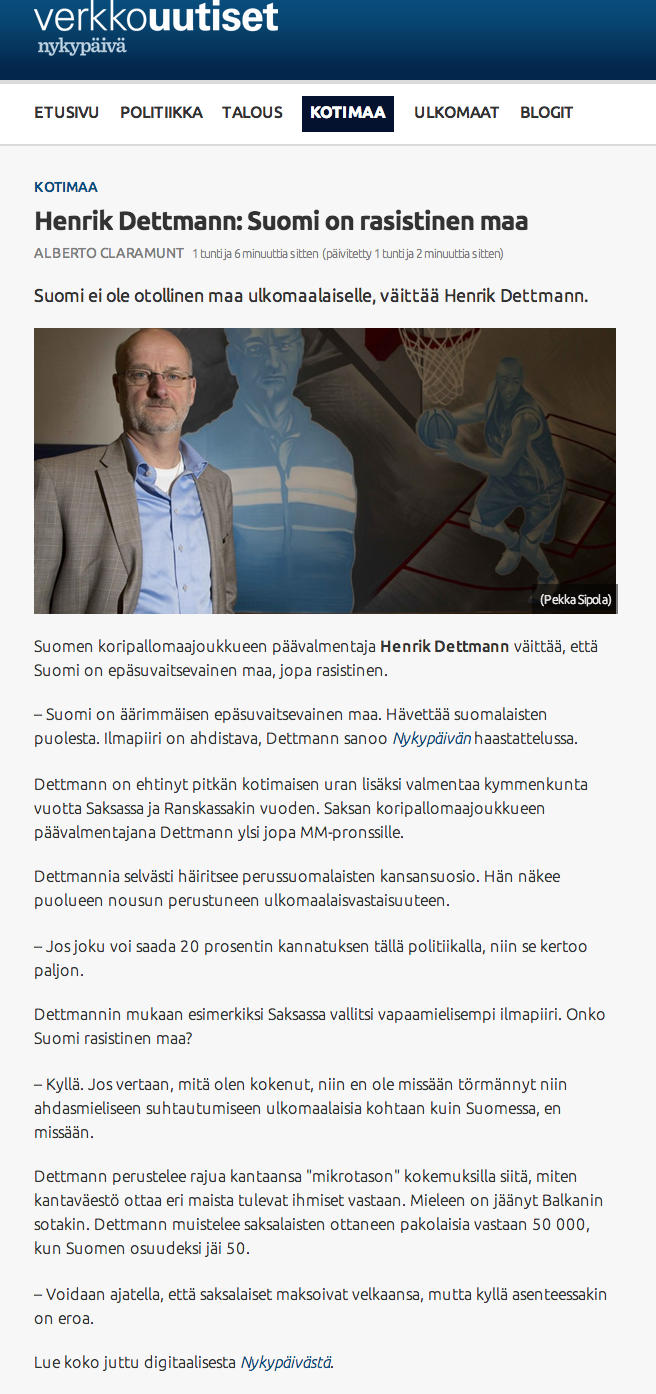
Is Finland a racist country? Henrik Dettmann, head coach of the Finnish national basketball team, agrees and claims that Finland is an ”extremely intolerant” country that isn’t a favorable place for foreigners.

Kuvankaappaus 2013-11-18 kello 12.47.24

Read full story here.

“Yes [Finland is a racist country],” Dettmann is quoted as saying on Verkkouutiset. “If I compare what I have experienced [in different countries], nowhere have a bumped into such narrow-minded attitudes towards foreigners as in Finland, nowhere else.”

He said that if a party like the Perussuomalaiset get 20% of the votes in an election  by fueling anti-immigration sentiment, that already says a lot about the present state of Finland.

Dettmann has worked as a coach of the German and French national basketball teams.

It is a positive sign that more Finns are speaking out against racism in this country, which continues to be denied or played down.

If we had the opportunity to move twenty years ahead in time, how would we look at Finland’s darkest period in the new century?

One matter is for certain: Not enough voices spoke out against racism and intolerance.

Meet the Somalis – the illustrated stories of Somalis in seven cities in Europe

Posted on November 17, 2013 by Mark

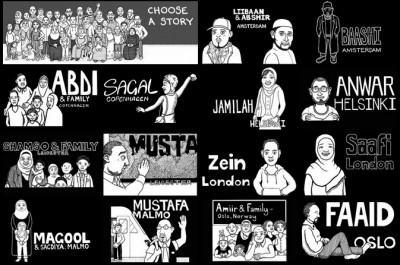
The Open Society Foundations have recently published a fascinating set of seven illustrated stories, called ‘meet the Somalis‘, covering the experiences of Somalis living in cities across Europe.

On November 21, this will coincide with the publishing of the Foundations’ research report “Somalis in Helsinki”.

Meet the somalis

To quote the Foundation’s website: “The Somali community in Europe is a vibrant, diverse minority group, including people of Somali origin born in Europe, Somali refugees and asylum seekers, and Somalis who have migrated from one country in Europe to another. There are no accurate figures for the number of Somalis in Europe, but on the whole they are among one of the largest minority groups.

The illustrated stories focus on challenges faced by Somalis in their respective cities in Europe and issues raised in the Somalis in European Cities research, including education, housing, the media, employment, political participation, and identity.”

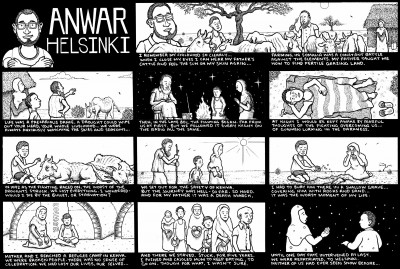
One of the featured illustrated stories is about Anwar from Helsinki.

Meet the Somalis

The Open Society Foundations work to build vibrant and tolerant democracies whose governments are accountable to their citizens.

Illustrations reproduced by permission.

Migrant Tales investigative reporting: Finland’s banks fuel social exclusion of some immigrants

Posted on November 17, 2013 by Migrant Tales

Hostility doesn’t always mean that you get pushed around and attacked physically. Hostility can appear near-invisibly as well without laying a finger on you. Social exclusion is a form of aggression that can be fueled by denying you basic rights like opening a bank account, getting life insurance or a mobile phone line. 

Kuvankaappaus 2013-11-17 kello 8.22.52

Nordea is the largest bank in the Nordic region. Making it possible? For whom?

Apart from two-year residence and even Finnish-language proficiency requirements to get a mobile phone line or life insurance in Finland respectively, the banking sector makes it especially hard for some immigrants to open bank accounts.

Those some immigrants include stateless refugees as well as EU citizens.

@Nathl tweets us the following:

Kuvankaappaus 2013-11-17 kello 10.53.53

Some bank branch offices may accept you as a client but getting online banking services is a totally different matter.

Some banks employees told one Somali refugee was told that he’d have to become a Finnish citizen before he could get online banking services.

Living in a developed country like Finland without online services is like being sentenced to a bygone time that few if any want to return to twenty years ago. You visit the bank, stand in line, and for a fee ask the teller to pay your bills.

How can any member of society live without a bank account? How can he or she get paid assistance from Kela, the state-owned social security institution? How can you get employment if your employer cannot pay your salary to a bank?

Migrant Tales understands that Finland’s banking laws have hampered as well some Russian companies from establishing businesses in this country.

The banks that refuse immigrants the right to open an account would care less for their welfare and that of the county’s since new businesses could generate growth, tax revenues and jobs.

One of the arguments used by Finnish banks to refuse an immigrant is valid identification. If the travel document reads, “his/her identity cannot be confirmed,” then that person is in trouble and cannot open an account in some banks or branch offices.

That’s right. I wrote in some branch offices. There is no standard rule and it’s totally left to the discretion of the bank branch office whether they’ll allow you to become their client.

The way some stateless refugees get around this problem is by getting a driver’s license, which is considered a valid ID by some banks and branch offices. An identification card issued by the police is not considered a valid ID.

Money laundering concerns is one of the main reasons why banks refuse to open accounts for some immigrants.

I wonder how many of these stateless persons have enough money to launder? Some quote refugees that come here may come from refugee camps and are poor. They have not only lost their homes in their former homelands, but family members as well.

Mark wrote an excellent piece Saturday showing what a country like the United Kingdom, with many more immigrants than Finland, does about being vigilant about money laundering.

He writes: “I’m sure there should be similar guidance available to Finnish banking institutions from a relevant central government agency dealing with money laundering? If not, then why not? Financial exclusion is not a priority or issue for the Finnish government?The reason why little if nothing has changed on relaxing rules that permit immigrants and stateless persons from opening a bank account – never mind getting access to online banking services – is because banks are not interested.” 

Certainly if one spoke to Finland’s major banks like Nordea, OP and Danske bank, they would agree that immigrants that move to this country should learn either of our two official languages and adapt.

The fact that Finnish banks have the power to decided on a one-to-one basis who they’ll accept as a client reveals how our integration program works for some on a small-scale. We want people to adapt to our country but the reception they get is in some cases hostile. You are reinforced as “them” and are socially excluded.

A recent story on Länsi-Savo, a Mikkeli-based daily, revealed that rules for opening a bank account in this city have tightened. Even if this is the case, it doesn’t mean that such rules have tightened in other cities like Kouvola or Tampere.

A Mikkeli city official who works with refugees said that the municipality cannot accept any more refugees because they cannot open a bank account.

“How can we accept such [quota] refugees to Mikkeli if we can’t pay them support because they don’t have a bank account?” the official said.

See also:

  • Bank accounts for the stateless – money laundering legislation is not an excuse for financial exclusion
  • href=”http://www.migranttales.net/dna-saunalahti-if-nordea-backward-looking-rules-and-laws-mirror-finlands-anti-foreign-sentiment/”>DNA, Saunalahti, IF, Nordea: “Backward-looking” rules and laws mirror Finland’s anti-foreign sentiment
  • The National Discrimination Tribunal of Finland fines Nordea for discrimination
  • Ombudsman for Minorities responds to Migrant Tales’ queries concerning phone operators and insurance companies
  • Some Finnish banks require Somalis to be Finnish citizens to have access to online banking


Bank accounts for the stateless – money laundering legislation is not an excuse for financial exclusion

Posted on November 16, 2013 by Mark

This post follows on from a recent post by Enrique on continued practices of financial exclusion in relation to individuals who have had difficulties establishing their identification with Finnish authorities and have subsequently had problems opening bank accounts. It is also a response to one commentator’s fallacious claim that money laundering legislation is an adequate justification for such financial exclusion.

From what I understand of the EU legislation (Directive 2001/97/EC [FI:,EN:]) that covers this issue of money laundering, the banks are allowed as part of their due diligence to establish the identity of the entity involved and to also establish the purpose and nature of the ‘business relationship’. This involves obtaining supportive evidence, and does not specifically establish what these documents must be, thus giving some freedom to institutions to establish their own practices.

This, my friend Enrique, is probably the key reason that different banks are applying different practices. Also, imprisonment and fine are typical penalties attached to these regulations in member states, though I don’t know the specifics of Finland. This may be another reason for the inflexibility of some banking institutions.

However, in applying those practices, it’s worth exploring the EU Directive in more detail to see exactly who and what this Directive is aimed against:

The further stipulations of the legislation are particularly informative:

1) It sets out in part 2 of Article 3 a benchmark requirement on identification also on the transfer of funds of €15 000 or more.
2) It then goes on to point out that institutions can, where there is doubt about whether the account is being used on their own behalf, take reasonable measures to ascertain the real identity of those on whom they are acting.
3) It goes on to state (part 11) that Member States can take measures deemed necessary to establish the identity of persons particularly when not present face-to-face. The Directive specifically mentions the implications for ‘online commerce’ involved in this part.

So, the issue of money laundering typically involves larger sums of money that would normally be irrelevant to processing social security payments or even salaries. It also establishes that non-face-to-face transactions and those involving individuals working on behalf of other individuals (i.e. lawyers, accountants) as being the key target of the Directive. I.e. stateless persons (inter alia refugees) are nowhere mentioned as a particular ‘target group’ for these money laundering requirements, PS Voter, and of course, why would they be?

“The other key issue here is that this objective of minimising possibilities for money laundering also have to be balanced against the need to avoid financial exclusion!”

This is where interpretation of these requirements would of course allow individuals whose circumstances make ID incomplete to acquire basic banking services.

Guidance on this matter for banking institutions in the UK is provided by the Joint Money Laundering Steering Group (JMLSG). It is worth reproducing here some the key elements of this guidance in summary:

Access to basic banking facilities and other financial services is a necessary requirement for most adults. It is important therefore that the socially/financially disadvantaged should not be precluded from opening accounts or obtaining other financial services merely because they do not possess evidence of their identity in circumstances where they cannot reasonably be expected to do so. Internal procedures must allow for such instances and must provide appropriate advice to staff on how identity can be confirmed under these exceptional circumstances and what local checks can be made.

M3.1.5G states that the exceptions to guard against financial exclusion aim to help relevant firms ensure that where people cannot reasonably be expected to produce detailed evidence of identity, they are not denied access to financial services. Although a relevant firm must always take reasonable steps to check who its client is, relevant firms will sometimes be approached by clients who are at a disadvantage, or who otherwise cannot reasonably be expected to produce detailed evidence that helps to confirm identity. Examples could be where a person does not have a passport or driving licence, or whose name does not appear on utility bills.

ML 3.1.6G states that where a relevant firm has reasonable grounds to conclude that an individual client is not able to produce the detailed evidence of his or her identity and cannot reasonably be expected to do so, the relevant firm may accept as identification evidence a letter or statement from a person in a position of responsibility who knows the client, that tends to show that the client is who s/he says s/he is, and to confirm his/her permanent address if s/he has one.

4.110. ML 3.1.7G provides that examples of persons in a position of responsibility who know the client include solicitors, doctors, ministers of religion, teachers, hostel managers and social workers.

4.111. The list is not exhaustive and other examples might include, for example, district nurses or midwives who have visited the client in their homes, care home managers, prison governors, probation officers, police officers and civil servants, Members of Parliament, members of the Scottish Parliament or the Northern Ireland Assembly, a Justice of the Peace, a local or county councillor, or the staff in the registry of a higher education or further education institution

I’m sure there should be similar guidance available to Finnish banking institutions from a relevant central government agency dealing with money laundering? If not, then why not? Financial exclusion is not a priority or issue for the Finnish government?

In the UK, the advice also goes further in stating that a bank branch will typically have a ‘money laundering reporting officer’, whose responsibility it is to oversee these policies at branch level, and that a direct meeting with this individual in problematic cases will more easily lead to a solution, as they can make decisions in regard to ‘non-standard’ cases.

It should now be quite clear to you PS Voter that this issue of ‘money laundering’ cannot be offered as an excuse for continuing an inflexible practice of financial exclusion!

Migrant Tales Literary: Roxana Crisólogo Correa – Hakaniemen tori (Finlandia)

Posted on November 15, 2013 by Migrant Tales

Roxana Crisólogo Correa

img_7688

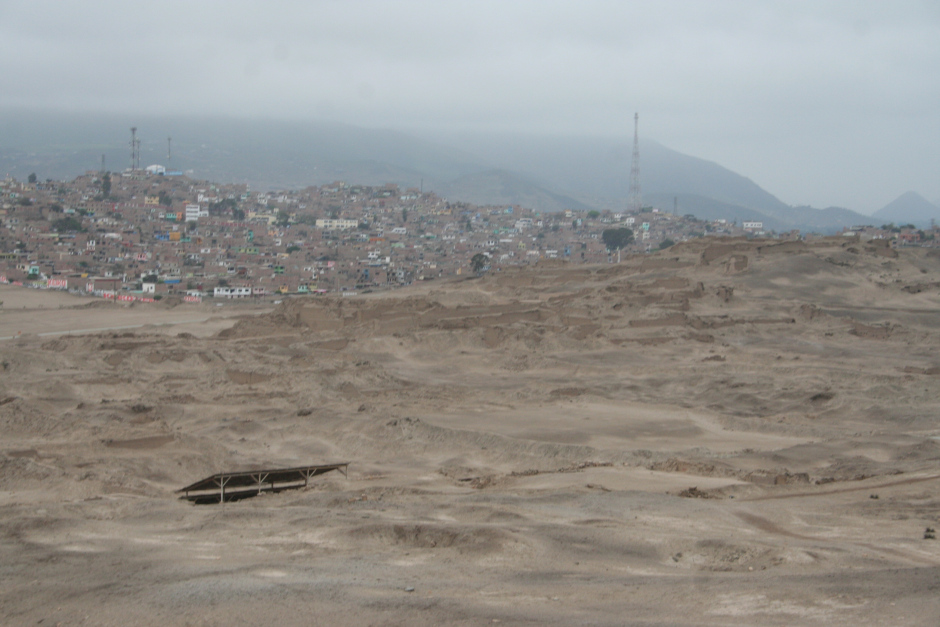
Me veo escribiendo frente a una ventana que no da a la calle de mi barrio polvoriento en el sur de Lima. Una ventana por la que tampoco se filtra el chillido de los muchachos que juegan fútbol, ni las quejas colorinches de los periódicos hablándonos desde una boca amordazada o desde el cuerpo semidesnudo de una mujer.

Cuando me veo en el otro extremo del planeta, el rostro que se refleja en la ventana no ha recibido sol real en casi 2 meses. Me acomodo del lado de la lámpara que el vendedor aseguró brilla como si el mismísimo sol acabara de salir. El frío está en la mente, me repito, esta mañana que se asemeja al fondo oscuro de una botella y que me veo obligada a abrir.

El frío está en la mente pero también en el corazón de algunas miradas con las que me cruzo por distracción en el Metro esta mañana que hundo en mi plato de yogurt y cuchareo buscándole una ruta distinta a la fruta seca que flota sobre la densa masa de leche que es este país.

img_8632

 2

Y me veo alejándome del centro de la ciudad como si fuera un barco internándome en el recto del bosque. La expresión muda de los árboles me dirá más que el adolescente que ya lleva 10 minutos sentado frente a mí. Tiene medio rostro cubierto y la mirada fija en un punto del vacío que días como hoy me gustaría llamar por algún nombre. Se me atora en la garganta una imagen: muchachos viajando dentro de sí mismos antes de tomar la decisión de coger un fusil y dispararle a sus compañeros de clase.

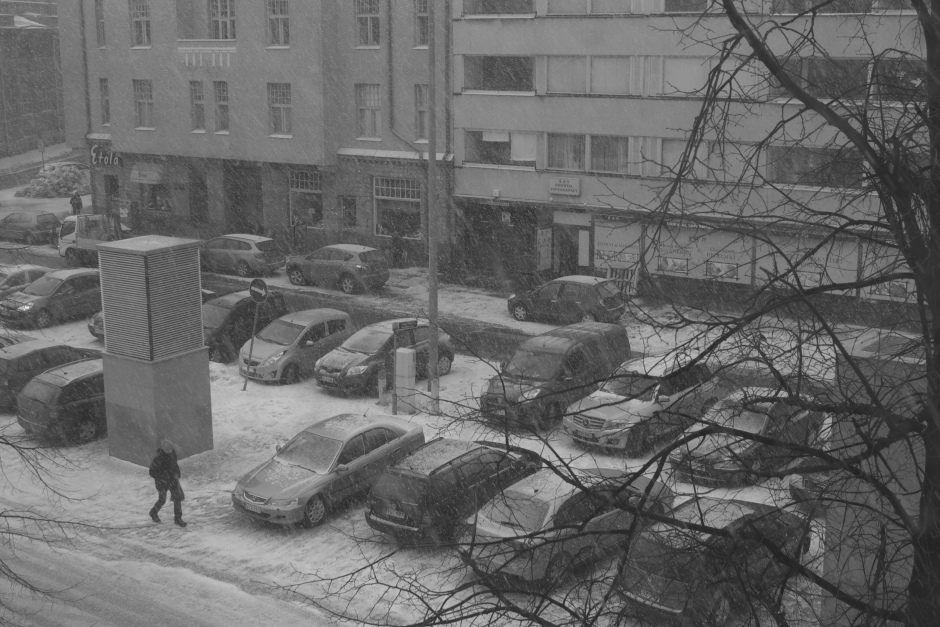
Vuelvo al ruso familiar y cálido de cada estación, a hundirme en la desmedida soledad de la nieve. El silencio es blanco, la ropa de la gente que viaja a la velocidad de la luz en el Metro, negra.

El bosque se repite como una vieja película, sin argumento y sin horizonte. Tomo un diario para integrarme a la introspección de los que al parecer viajan sin percatarse que los demás hacen lo mismo. Quisiera describir lo que no veo pero me falta color. Un par de gitanas robustas murmurándose algo en el oído, dos muchachas comparando el filo pálido de sus uñas postizas.

Dentro de poco  mi cuerpo desnudo despedirá sus aromas originales. Tenderé esta falta de luz sobre las maderas de la sauna. El clímax del calor me obligará a salir corriendo de la habitación y revolcarme en la nieve. Por unos momentos me sentiré como la radiante hija del bosque. Digo adiós a los monstruosos centros comerciales, a los spa, a las filiales de Nokia, a los pinos.

img_98771

3

Hakaniemen tori. Buscaré el sol, me reuniré con los de siempre, me reconoceré en los desempleados que del café no pasan. Aquí estoy de nuevo, explicándome desde las manos, intentado retratar en pocas palabras la naturaleza de un desierto que por ratos siento que solo yo sé de su existencia. Un largo y pobre desierto de lado del mar. Las olas llevan y traen la ausencia del color, hermosas aves y a veces basura. Una ciudad de espaldas a los Andes que en palabras de estos jubilados solitarios suena como un Macondo irreal y maravilloso. Pero la luz ni mi finés me dan para explicar tanto enredo, semejante mezcolanza, el menjunje de sentimientos distancias y guerras fratricidas que es el Perú.

Helsinki se transforma en una ciudad de cristal sobre la cual patino, quebradiza, frágil. Helsinki limpia como la sala de un hospital, dama incorruptible y con la frente en alto, se me hace agua en la boca. Me despido de los viejos muchachos que amenizaron las tardes ardientes del Sindicato del metal, ellos escriben sus memorias, yo estoy a medio camino de un viaje que aún no sé si ya ha terminado. El día vuelve a ser un muchacho que lleva pasamontañas y se ajusta la cabellera en su larga gabardina de cuero. Esquivo a estos odiosos carritos que recogen la nieve, descubren los lados más miserables de las aceras, en su lugar siembran piedrecitas para evitar que los ancianos y despistadas como yo resbalen. La ciudad queda en borrador. Algunos de los grafitis que dejé en mi ciudad deberían de tener una pared aquí.

Escribo lo que el silencio tatúa en mi mente, escribo sobre lo que el heavy metal de la radio del vecino, que nunca le veré la cara, deja flotando en el aire. Reconozco los golpes de pared de la anciana que no soporta el ruido que hacemos dos sudamericanas al andar y reír. Me interno en su bosque como en un tracto digestivo que evita degustar los sabores más ácidos.

Me interno en el bosque sin usar zapatos de bosque. Recojo fresas sin usar repelente para ahuyentar mosquitos. Atravieso la nieve en tacones con la esperanza de ir muy lejos. El bosque es y seguirá siendo un misterio para mí. A veces me imagino recolectando hongos en un mar de abedules sedientos de lluvia. Otras veces recolecto bayas con un grupo de muchachas estonias que no confundirían como yo una fruta venenosa con una comestible. Pero todo esto es una ficción, porque nunca recogí hongos ni mucho menos me atreví a recolectar bayas. Mi resistencia levantó sus paredes en la ciudad.

Aun el paisaje me parece parte de una corriente misteriosa de siluetas y formas de árboles que no se han movido de su sitio en años. Aprendí a hablar del verano con ilusión. La misma ilusión con la que ahora me abandono a la voluptuosidad de las olas de Lima, al ansia de los colores que en versos de Edith Södergran es el de la sangre.

Puede leer la nota original aquí.

Esta nota fue publicada con el permiso del autor. 

Strict banking laws in Finland leave refugees without bank accounts and discourage foreign investment

Posted on November 15, 2013 by Migrant Tales

Stateless refugees cannot still open bank accounts in regions like Etelä-Savo in Eastern Finland, according to Länsi-Savo, a Mikkeli-based daily. Not only are stateless persons affected but different municipalities that want to attract foreign investment. Some small- and medium-sized companies that want to relocate in Finland from Russia have a difficult time opening bank account as well. 

Migrant Tales understands that there is no standard procedure for opening a bank account in Finland for stateless persons, who cannot confirm their original identity. Some branch offices not only permit stateless persons to open bank accounts but have access to online banking.

According to Länsi-Savo, opening a bank account in Mikkeli has become more difficult, if not impossible.

If a stateless person cannot open a bank account, it effectively means that he or she cannot be paid assistance by the state. In order to avoid such a problem, municipalities like Mikkeli cannot accept refugees from Syria, according to a municipal employee who works with refugees.

The most outrageous aspect of this policy is that there aren’t any standard rule but instead allows bank to treat people on a one-to-one basis. Some stateless refugees in cities like Kouvola and Tampere haven’t had problems in opening bank accounts and even getting online banking services.

Last year I encountered this problem head on when I went to Nordea bank in Mikkeli with a stateless person.  After a few questions, the bank employee said that the person needs a valid passport to open an account at that bank. But if on that passport it reads ”his/her identity cannot be confirmed,” the person can never open an account at Nordea.

I asked the Nordea employee what could be done.

“Why don’t you go to OP bank,” she said. “I’ve read in Länsi-Savo [the local paper] that such persons can open accounts at that bank.”

Surprised by what I was hearing, I asked the bank employee if she was serious.

“Why do they [OP bank] have one set of rules and you have another?” I asked. “Don’t you think it is pretty incredible that you are sending a potential client to the competition?”

The bank employee didn’t answer my question.

Let’s say that the person is lucky and is able to open a bank account but cannot get online banking services. That’s how Finns did their banking over two decades ago. They stood in lines and asked the bank teller to pay their bills.

Even in getting banking services, some immigrants are second-class members of this society.

See also:

  • DNA, Saunalahti, IF, Nordea: “Backward-looking” rules and laws mirror Finland’s anti-foreign sentiment
  • The National Discrimination Tribunal of Finland fines Nordea for discrimination
  • Ombudsman for Minorities responds to Migrant Tales’ queries concerning phone operators and insurance companies
  • Some Finnish banks require Somalis to be Finnish citizens to have access to online banking

Migrant Tales (March 13, 2012): Stateless persons do not have the right to open a bank account in Finland

Posted on November 15, 2013 by Migrant Tales

Here is a pretty odd case that I encountered Monday (March 12) when I went to Nordea bank in Mikkeli to open an account for a stateless person.  After a few questions, the bank employee said that the person needs a valid passport to open an account at that bank. But if on that passport it reads ”his/her identity cannot be confirmed,” the person can never open an account at Nordea.

I asked the Nordea employee what could be done.

“Why don’t you go to OP bank,” she said. “I’ve read in Länsi-Savo [the local paper] that such persons can open accounts at that bank.”

Surprised by what I was hearing, I asked the bank employee if she was serious.

“Why do they [OP bank] have one set of rules and you have another?” I asked. “Don’t you think it is pretty incredible that you are sending a potential client to the competition?”

When I asked JusticeDemon about what happened, he said that there is a clear administrative problem over what counts as proof of identity and over the  implementation of the 1954 Convention relating to the Status of Stateless Persons (Accession by Finland on 10 October 1968).

One point of that Convention is Article 27 (Identity papers), which states, “The Contracting States shall issue identity papers to any stateless person in their territory who does not possess a valid travel document.”

According to the Ombudsman for Minorities, an identity card issued by the police should count as valid identification just like a passport.

Some believe that the decision by the banks to not allow a stateless person to open a bank account as arbitrary.

There is not much a person from a war-torn country can do if he or she is stateless. Who’s to blame? The refugee? The failed state? The bank(s)? Or authorities regulating the bank sector?

Whatever the case, it sure isn’t the fault of the stateless person.

See also:

  • DNA, Saunalahti, IF, Nordea: “Backward-looking” rules and laws mirror Finland’s anti-foreign sentiment
  • The National Discrimination Tribunal of Finland fines Nordea for discrimination
  • Ombudsman for Minorities responds to Migrant Tales’ queries concerning phone operators and insurance companies
  • Some Finnish banks require Somalis to be Finnish citizens to have access to online banking

Migrants’ Rights Network: What is driving the ‘hostile environment’ idea (in the UK)?

Posted on November 14, 2013 by Migrant Tales

By Don Flynn*

Don_web_0


The announcement of yet more changes to the immigration rules will cause anxiety to run down the spine of many a legal migrant as they struggle to understand whether it has implications for them.

The government has declared that the intention behind the new Immigration Bill currently being considered by Parliament is to create a ‘hostile environment’ for the people it describes as ‘illegal’.

There is a tendency to think of this group of people as being entirely distinct from the larger body of legal migrants, who live their lives in accordance with the rules and regulations and never come into contact with the ‘illegals’.

It was this thought which encouraged the view set out by the Advertising Standards Agency (ASA) a few weeks back in its ruling as to whether the wording of the posters on the ‘Go Home or Face Arrest Vans’ used by the Home Office Border Force as a part of its Operation Vaken exercise in the summer was likely to give rise to anxiety or offence to settled people of recent immigrant origin.

The ASA expressed the view that it would not, since the legal migrant knows that she lives an existence that is vastly removed from that of those who have chosen to break the law. The sight of one of these vans trundling down her local high street was not something that she ought to worry about at all.

But the truth is that many so-called legal migrants spend a great deal of time worrying that they might end up as illegal migrants, or at least (and this would be just as bad) that other people will think that they might be illegal migrants.

This happens precisely because the worlds of the ‘legal’ and ‘illegal’ are not hermetically sealed off from one another but instead separated by a porous membrane of regulations which reach out and touch many aspects of everyday life, as well the big issues relating to border crossings and controls.

The truth is that migrants can become illegal for many reasons, including losing their jobs, or a row in the family that causes them to be excluded from the home. The precarious tightrope existence faced by many migrants means that their status often depends not just on their good behaviour, but on the conduct of family members, employers or college authorities.

The announcement of yet more changes to the immigration rules causes anxiety to run down the spine of many a legal migrant as they struggle to understand whether it has implications for them and if they ought to consider consulting a lawyer to double-check that they are still ‘legal’. Many will recall the HSMP Forum court case a few years ago, when a group of highly skilled migrants found themselves involved in expensive litigation with the Home Office after changes to the points-based system suddenly plunged them into an undesirable category.

Migrants can be denounced, traduced and trashed before the authorities for reasons that run from petty spite to outright racism. The Home Affairs Select Committee only last week expressed its concern that the Border Force didn’t seem to be doing enough to follow up tip-offs from members of the public who had phoned in to report a unwanted migrant in their neighbourhood. For all of these reasons and more, migrants will tell you that they often feel like they live in a suspicious society, with assessments made at every turn to establish whether they are the illegal immigrants we keep hearing about…

This is the reality of the ‘hostile environment’ that currently exists for migrants. It is a terrain of hidden crevices where one foot put wrong can send the individual into a world of uncertainty which can only be challenged by further rounds of legal representation, form-filling, evidence gathering, the payment of extortionately expensive fees and, if you are lucky, the opportunity to state your case before an independent immigration tribunal.

The Immigration Bill going through Parliament has to be condemned for the precise reason that it will make things worse, not just for the ‘illegals’, but for the much larger group of legal migrants who are already anxious that they might make an inadvertent slip and find themselves in a whole new world of insecurity.

The opportunity to ramp up the pressures on migrants will come from the increased involvement of yet more third parties – private landlords, bank staff, people issuing driving licences – in the business of checking immigration status. The facts that there will be many mistakes is an absolute certainty: the immigration officials now charged with this job make mistakes which run into the tens of thousands each year, so how can we expect a better standard of performance from other authorities even less well-equipped to properly interpret the immigration rules as they apply to individuals?

Perhaps the worst aspect of the Bill is the proposal to drastically reduce appeal rights against Home Office decisions on immigration applications. Poor decision-making is widespread amongst the immigration authorities, but at least those who can afford a decent solicitor to make their case against incompetence know that they currently have good chances of success. The latest figures show that up to 50% of appeals against Home Office decisions are supported by judges of the independent appeal authorities.

Will the Bill provide the government with the means to deter the types of immigrants who live outside the rules? We doubt it. The deterrence of illegal migration depends heavily on there being a common belief that the rules as they stand embody basic principles of justice, and that it is in the interests of the vast majority, including those subject to the rules, to uphold them.

The danger is that, with changes such as those in the Bill, the connections with fairness and justice are severed so that ever more migrants come to believe that the rules, rather than providing them with security, are intended to withhold precisely this from them and in its place offer a ‘hostile environment’. In this case we can be confident that more and more immigrants will steel themselves against such laws and their unfair effects, and learn instead how they might build resilience and survivability into the business of living and getting by in Britain.

If politicians are careless enough to allow that to happen, then rather than achieving better immigration management, we can expect instead to find ourselves living in an era of escalating loss of any semblance of control.

Read original story here.

This piece was reprinted by Migrant Tales with permission.

*Don Flynn, the MRN Director, leads the organisation’s strategic development and coordinates MRN’s policy and project work. He is a regular and sought-after speaker at conferences, seminars and lectures on behalf of MRN.

Time has shown us that our anti-racism efforts in Finland haven’t been in vain

Posted on November 14, 2013 by Migrant Tales

It was only a few years ago when Migrant Tales was openly challenged by some for speaking out against racism in Finland. According to the more hostile commentators that posted on our site back then, racism didn’t exist in this country. If it existed, it was minor and exceptional.

Even after the anti-immigration and anti-EU Perussuomalaiset (PS) party scored their historic election victory in 2011, some Finns continued to live in denial about this social ill.  As intolerance was played down, Finland become an ever-hostile place for immigrants and visible minorities.

Here’s one comment Allan in May 2011 that sums it up:

That is exactly what Enrique is trying to achieve with his hate speech, or has already along with your kind of sycophants. Always there is a foreigner anything happens it is “racism” be it from having to pay a bus ticket and someone not sitting next to him, its “racism”. So that is why there is no racism in Finland, as it is all imagined. Boy called wolf one time too many.

Allan’s comment about racism in Finland is highly revealing because it shows how intolerance is able to see another day thanks to denial.

The question is no longer whether there is racism in Finland or not, but to what extent this social illness has found roots in this country. Those roots of intolerance are very deep and cover a wide area.

Still in denial?

Why then do some Finns still refuse to recognize that there are “other” Finns, who have the same rights as they to live here?

Why don’t you ask immigrants and visible minorities if they feel secure in Finland? How can they be if they are underemployed or unemployed? Why not ask third-culture children who, despite having lived all their lives here, are still labelled as pupils “with immigrant backgrounds” by teachers?

Why not ask why such youths have a greater chance of becoming marginalized than white Finns?

Why are we asking this question over and over again, if there is racism in Finland, if we have the answer and proof? Ever thought about asking the Romany minority of Finland, which have lived here for five centuries?

Tim Wise puts the whole issue in the following manner when he speaks of white privilege in the United States:

To be a person of color in this country, is to always have to know what the other guy thinks. It is to always have to know what the other person thinks about you. I you don’t, if you for one minute, you forget what other people think, your life is in danger.

The intolerance that Wise speaks of is already here in Finland and will reach the same intensity as in the United States if we do not take concrete steps to challenge such a social ill.

But why should a white Finn challenge intolerance? He’s the top dog, a member of the dominant group.

Sensible people understand that if racism isn’t challenged in our society, the biggest loser we’ll be the whole of society. White Finns will be able to keep their privilege but at a huge social cost.

To find a good answer whether intolerance is an issue in this country, it’s important to listen to those that are at the receiving end like Laura Eklund Nhaga.

I hope that more Finns, especially those with non-white backgrounds, stand up for their rights like this young woman.  

http://www.youtube.com/watch?v=sGts9CSbz1Y&list=PLUE9_qAC5gmHAME78ahFkFtCP5o1uG9T2


  • Previous
  • 1
  • 2
  • 3
  • 4
  • Next
Read more about documentary film
Read more

Recent Posts

  • Finland’s tabloids Iltalehti and Ilta-Sanomat are the pits
  • Riikka Purra’s Dr Jekyll and Mr Hyde mask
  • Double standards
  • Perussuomalaiset: Uusi logo, sama vanha juttu
  • Taco Trump

Recent Comments

  1. Absolutely Socking: Racist Finnish Facebook group against human rights gets flooded with socks on Musta Barbaari’s mother and sister charged by the police in “ethnic profiling” case
  2. Ilkka Nuotio on Pekka Myrskylä: “Tilastot kertovat toista kuin poliittinen keskustelu”
  3. Genrih Soinkara on The war in Ukraine and the Russian-Finnish border crisis are showing Finland’s ugly side
  4. Ahti Tolvanen on Comment by Ahti Tolvanen on the Helsinki +50 conference
  5. Angel Barrientos on Angel Barrientos is one of the kind beacons of Finland’s Chilean community

Archives

  • June 2026
  • May 2026
  • April 2026
  • March 2026
  • February 2026
  • January 2026
  • December 2025
  • November 2025
  • October 2025
  • September 2025
  • August 2025
  • July 2025
  • June 2025
  • May 2025
  • April 2025
  • March 2025
  • February 2025
  • January 2025
  • December 2024
  • November 2024
  • October 2024
  • September 2024
  • August 2024
  • July 2024
  • June 2024
  • May 2024
  • April 2024
  • March 2024
  • February 2024
  • January 2024
  • December 2023
  • November 2023
  • October 2023
  • September 2023
  • August 2023
  • July 2023
  • June 2023
  • May 2023
  • April 2023
  • March 2023
  • February 2023
  • January 2023
  • December 2022
  • November 2022
  • October 2022
  • September 2022
  • August 2022
  • July 2022
  • June 2022
  • May 2022
  • April 2022
  • March 2022
  • February 2022
  • January 2022
  • December 2021
  • November 2021
  • October 2021
  • September 2021
  • August 2021
  • July 2021
  • June 2021
  • May 2021
  • April 2021
  • March 2021
  • February 2021
  • January 2021
  • December 2020
  • November 2020
  • October 2020
  • September 2020
  • August 2020
  • July 2020
  • June 2020
  • May 2020
  • April 2020
  • March 2020
  • February 2020
  • January 2020
  • December 2019
  • November 2019
  • October 2019
  • September 2019
  • August 2019
  • July 2019
  • June 2019
  • May 2019
  • April 2019
  • March 2019
  • February 2019
  • January 2019
  • December 2018
  • November 2018
  • October 2018
  • September 2018
  • August 2018
  • July 2018
  • June 2018
  • May 2018
  • April 2018
  • March 2018
  • February 2018
  • January 2018
  • December 2017
  • November 2017
  • October 2017
  • September 2017
  • August 2017
  • July 2017
  • June 2017
  • May 2017
  • April 2017
  • March 2017
  • February 2017
  • January 2017
  • December 2016
  • November 2016
  • October 2016
  • September 2016
  • August 2016
  • July 2016
  • June 2016
  • May 2016
  • April 2016
  • March 2016
  • February 2016
  • January 2016
  • December 2015
  • November 2015
  • October 2015
  • September 2015
  • August 2015
  • July 2015
  • June 2015
  • May 2015
  • April 2015
  • March 2015
  • February 2015
  • January 2015
  • December 2014
  • November 2014
  • October 2014
  • September 2014
  • August 2014
  • July 2014
  • June 2014
  • May 2014
  • April 2014
  • March 2014
  • February 2014
  • January 2014
  • December 2013
  • November 2013
  • October 2013
  • September 2013
  • August 2013
  • July 2013
  • June 2013
  • May 2013
  • April 2013
  • March 2013
  • February 2013
  • January 2013
  • December 2012
  • November 2012
  • October 2012
  • September 2012
  • August 2012
  • July 2012
  • June 2012
  • May 2012
  • April 2012
  • March 2012
  • February 2012
  • January 2012
  • December 2011
  • November 2011
  • October 2011
  • September 2011
  • August 2011
  • July 2011
  • June 2011
  • May 2011
  • April 2011
  • March 2011
  • February 2011
  • January 2011
  • December 2010
  • November 2010
  • October 2010
  • September 2010
  • August 2010
  • July 2010
  • June 2010
  • May 2010
  • April 2010
  • March 2010
  • February 2010
  • January 2010
  • December 2009
  • November 2009
  • October 2009
  • September 2009
  • August 2009
  • July 2009
  • December 2008
  • November 2008
  • October 2008
  • September 2008
  • August 2008
  • July 2008
  • June 2008
  • May 2008
  • April 2008
  • March 2008
  • February 2008
  • January 2008
  • November 2007
  • October 2007
  • September 2007
  • August 2007
  • July 2007
  • June 2007
  • May 2007

Categories

  • ?? Gia L?c
  • ????? ?????? ????? ???????? ?? ??????
  • ???????
  • @HerraAhmed
  • @mondepasrond
  • @nohatefinland
  • @oula_silver
  • @Varathas
  • A Pakistani family
  • äärioikeisto
  • Abbas Bahmanpour
  • Abdi Muhis
  • Abdirahim Hussein Mohamed
  • Abdirahim Husu Hussein
  • Abdirisak Mahamed
  • About Migrant Tales
  • activism
  • Adam Al-Sawad
  • Adel Abidin
  • Afrofinland
  • Ahmed IJ
  • Ahti Tolvanen
  • Aino Pennanen
  • Aisha Maniar
  • Alan Ali
  • Alan Anstead
  • Alejandro Díaz Ortiz
  • Alekey Bulavsev
  • Aleksander Hemon
  • Aleksanterinliitto
  • Aleksanterinliitto ry
  • Aleksanterinliitto ry:n hallitus
  • Alex Alex
  • Alex Mckie
  • Alexander Nix
  • Alexandra Ayse Albayrak
  • Alexis Neuberg
  • Ali Asaad Hasan Alzuhairi
  • Ali Hossein Mir Ali
  • Ali Rashid
  • Ali Sagal Abdikarim
  • Alina Tsui
  • Aline Müller
  • All categories
  • Aman Heidari
  • Amiirah Salleh-Hoddin & Jana Turk
  • Amin A. Alem
  • Amir Zuhairi
  • Amkelwa Mbekeni
  • Ana María Gutiérrez Sorainen
  • Anachoma
  • Anders Adlecreutz
  • Angeliina Koskinen
  • Anna De Mutiis
  • Anna María Gutiérrez Sorainen
  • Anna-Kaisa Kuusisto ja Jaakko Tuominen
  • Annastiina Kallius
  • Anneli Juise Friman Lindeman
  • Announcement
  • Anonymous
  • Antero Leitzinger
  • anti-black racism
  • Anti-Hate Crime Organisation Finland
  • Anudari Boldbaatar
  • Arshiya Nasser
  • Aspergers Syndrome
  • Asylum Corner
  • Asylum seeker 406
  • Athena Griffin and Joe Feagin
  • Autism
  • Avaaz.org
  • Awale Olad
  • Ayan Said Mohamed
  • AYY
  • Barachiel
  • Bashy Quraishy
  • Beatrice Kabutakapua
  • Beri Jamal
  • Beri Jamal and Enrique Tessieri
  • Bertolt Brecht
  • Boiata
  • Boodi Kabbani
  • Bruno Gronow
  • Carmen Pekkarinen
  • Çelen Oben and Sheila Riikonen
  • Chiara Costa-Virtanen
  • Chiara Costa-Virtanen
  • Chiara Sorbello
  • Christian Thibault
  • Christopher Wylie
  • Clara Dublanc
  • Dana
  • Daniel Malpica
  • Danilo Canguçu
  • David Papineau
  • David Schneider
  • Dexter He
  • Don Flynn
  • Dr Masoud Kamali
  • Dr. Faith Mkwesha
  • Dr. Theodoros Fouskas
  • Edna Chun
  • Eeva Kilpi
  • Emanuela Susheela
  • En castellano
  • ENAR
  • Enrique
  • Enrique Tessieri
  • Enrique Tessieri & Raghad Mchawh
  • Enrique Tessieri & Yahya Rouissi
  • Enrique Tessieri and Muhammed Shire
  • Enrique Tessieri and Sira Moksi
  • Enrique Tessieri and Tom Vandenbosch
  • Enrique Tessieri and Wael Che
  • Enrique Tessieri and Yahya Rouissi
  • Enrique Tessieri and Zimema Mhone
  • Epäluottamusmies
  • EU
  • Europe
  • European Islamophobia Report
  • European Islamophobia Report 2019,
  • European Union
  • Eve Kyntäjä
  • Ezequiel Caldeiro
  • Facebook
  • Fadumo Dayib
  • Faisa Kahiye
  • Farhad Manjoo
  • Fasismi
  • Finland
  • Fizza Qureshi
  • Flyktingar och asyl
  • Foreign Student
  • Fozia Mir-Ali
  • Frances Webber
  • Frida Selim
  • Gareth Rice
  • Ghyslain Vedeaux
  • Global Art Point
  • Great Replacement
  • Habiba Ali
  • Hami Bahadori
  • Hami Bahdori
  • Hamid
  • Hamid Alsaameere
  • Hamid Bahdori
  • Handshake
  • Harmit Athwal
  • Hassan Abdi Ali
  • Hassan Muhumud
  • Heikki Huttunen
  • Heikki Wilenius
  • Helsingin Sanomat
  • Henning van der Hoeven
  • Henrika Mälmsröm
  • Hser Hser
  • Hser Hser ja Mustafa Isman
  • Husein Muhammed
  • Hussain Kazemian
  • Hussain Kazmenian
  • Ibrahim Khan
  • Ida
  • Ignacio Pérez Pérez
  • Iise Ali Hassan
  • Ilari Kaila & Tuomas Kaila
  • Imam Ka
  • inside-an-airport
  • Institute of Race Relations
  • Iraqi asylum seeker
  • IRR European News Team
  • IRR News Team
  • Islamic Society of Norhern FInland
  • Islamic Society of Northern Finland
  • Islamophobia
  • Jacobinmag.com
  • Jallow Momodou
  • Jan Holmberg
  • Jane Elliott
  • Jani Mäkelä
  • Jari Luoto
  • Jari Taponen
  • Jegor Nazarov
  • Jenni Stammeier
  • Jenny Bourne
  • Jessie Daniels
  • Joe Davidow
  • Johannes Koski
  • John D. Foster
  • John Grayson
  • John Marriott
  • Jon Burnett
  • Jorma Härkönen
  • Jos Schuurmans
  • José León Toro Mejías
  • Josue Tumayine
  • Jouni Karnasaari
  • Juan Camilo
  • Jukka Eräkare
  • Julian Abagond
  • Julie Pascoet
  • Jussi Halla-aho
  • Jussi Hallla-aho
  • Jussi Jalonen
  • JusticeDemon
  • Kadar Gelle
  • Kaksoiskansalaisuus
  • Kansainvälinen Mikkeli
  • Kansainvälinen Mikkeli ry
  • Katherine Tonkiss
  • Kati Lepistö
  • Kati van der Hoeven-Lepistö
  • Katie Bell
  • Kättely
  • Kerstin Ögård
  • Keshia Fredua-Mensah & Jamie Schearer
  • Khadidiatou Sylla
  • Khadra Abdirazak Sugulle
  • Kiihotus kansanryhmää vastaan
  • Kirsi Crowley
  • Koko Hubara
  • Kristiina Toivikko
  • Kubra Amini
  • KuRI
  • La Colectiva
  • La incitación al odio
  • Laura Huhtasaari
  • Lauri Finér
  • Leif Hagert
  • Léo Custódio
  • Leo Honka
  • Leontios Christodoulou
  • Lessie Branch
  • Lex Gaudius
  • Leyes de Finlandia
  • Liikkukaa!
  • Linda Hyökki
  • Liz Fekete
  • M. Blanc
  • Maarit Snellman
  • Mahad Sheikh Musse
  • Maija Vilkkumaa
  • Malmin Kebab Pizzeria Port Arthur
  • Marcell Lorincz
  • Mari Aaltola
  • María Paz López
  • Maria Rittis Ikola
  • Maria Tjader
  • Marja-Liisa Tolvanen
  • Mark
  • Markku Heikkinen
  • Marshall Niles
  • Martin Al-Laji
  • Maryan Siyad
  • Matt Carr
  • Mauricio Farah Gebara
  • Media Monitoring Group of Finland
  • Micah J. Christian
  • Michael McEachrane
  • Michele Levoy
  • Michelle Kaila
  • Migrant Tales
  • Migrant Tales Literary
  • Migrantes News
  • Migrants' Rights Network
  • MigriLeaks
  • Mikko Kapanen
  • Miriam Attias and Camila Haavisto
  • Mohamed Adan
  • Mohammad Javid
  • Mohammad M.
  • Monikulttuurisuus
  • Monisha Bhatia and Victoria Canning
  • Mor Ndiaye
  • Muh'ed
  • Muhamed Abdimajed Murshid
  • Muhammed Shire
  • Muhammed Shire and Enrique Tessieri
  • Muhis Azizi
  • Musimenta Dansila
  • Muslimiviha
  • Musulmanes
  • Namir al-Azzawi
  • Natsismi
  • Neurodiversity
  • New Women Connectors
  • Nils Muižnieks
  • No Labels No Walls
  • Noel Dandes
  • Nuor Dawood
  • Omar Khan
  • Otavanmedia
  • Oula Silvennoinen
  • Paco Diop
  • Pakistani family
  • Pentti Stranius
  • Perussuomalaiset
  • perustuslaki
  • Petra Laiti
  • Petri Cederlöf
  • Pia Grochowski
  • Podcast-lukija Bea Bergholm
  • Pohjois – Suomen Islamilainen Yhdyskunta
  • Pohjois Suomen Islamilainen Yhyskunta
  • Polina Kopylova
  • Race Files
  • racism
  • Racism Review
  • Raghad Mchawh
  • Ranska
  • Rashid H. and Migrant Tales
  • Rasismi
  • Raul Perez
  • Rebecka Holm
  • Reem Abu-Hayyeh
  • Refugees
  • Reija Härkönen
  • Remiel
  • Reza Nasri
  • Richard Gresswell
  • Riikka Purra
  • Risto Laakkonen
  • Rita Chahda
  • Ritva Kondi
  • Robito Ibrahim
  • Roble Bashir
  • Rockhaya Sylla
  • Rodolfo Walsh
  • Roger Casale
  • Rostam Atai
  • Roxana Crisólogo Correa
  • Ruth Grove-White
  • Ruth Waweru-Folabit
  • S-worldview
  • Sadio Ali Nuur
  • Sami Rusanen
  • Sandhu Bhamra
  • Sara de Jong
  • Sarah Crowther
  • Sari Alhariri
  • Sarkawt Khalil
  • Sasu
  • Scot Nakagawa
  • Shabana Ahmadzai
  • Shada Islam
  • Sharon Chang blogs
  • Shenita Ann McLean
  • Shirlene Green Newball
  • Sini Savolainen
  • Sira Moksi
  • Sonia K.
  • Sonia Maria Koo
  • Steverp
  • Stop Deportations
  • Suldaan Said Ahmed
  • Suomen mediaseurantakollektiivi
  • Suomen Muslimifoorumi ry
  • Suomen viharikosvastainen yhdistys
  • Suomen viharikosvastainen yhdistys ry
  • Suomi
  • Supermen
  • Susannah
  • Suva
  • Syrjintä
  • Talous
  • Tapio Tuomala
  • Taw Reh
  • Teivo Teivainen
  • The Daily Show
  • The Heino
  • The Supermen
  • Thomas Elfgren
  • Thulfiqar Abdulkarim
  • Tim McGettigan
  • Tino Singh
  • Tito Moustafa Sliem
  • Tobias Hübinette and L. Janelle Dance
  • Transport
  • Trica Danielle Keaton
  • Trilce Garcia
  • Trish Pääkkönen
  • Trish Pääkkönen and Enrique Tessieri
  • Tuulia Reponen
  • Uncategorized
  • UNITED
  • University of Eastern Finland
  • Uyi Osazee
  • Väkivalta
  • Vapaa Liikkuvuus
  • Venla-Sofia Saariaho
  • Vieraskynä
  • W. Che
  • W. Che an Enrique Tessieri
  • Wael Ch.
  • Wan Wei
  • Women for Refugee Women
  • Xaan Kaafi Maxamed Xalane
  • Xassan Kaafi Maxamed Xalane
  • Xassan-Kaafi Mohamed Halane & Enrique Tessieri
  • Yahya Rouissi
  • Yasmin Yusuf
  • Yassen Ghaleb
  • Yle Puhe
  • Yuliet Tresa
  • Yve Shepherd
  • Zahra Khavari
  • Zaker
  • Zalina Ametova
  • Zamzam Ahmed Ali
  • Zeinab Amini ja Soheila Khavari
  • Zimema Mahone and Enrique Tessieri
  • Zimema Mhone
  • Zoila Forss Crespo Moreyra
  • ZT
  • Zulma Sierra
  • Zuzeeko Tegha Abeng
© 2026 Migrant tales | Powered by Minimalist Blog WordPress Theme