Migrant tales
Menu
  • #MakeRacismHistory “In Your Eyes”
  • About Migrant Tales
  • It’s all about Human Rights
  • Literary
  • Migrant Tales Media Monitoring
  • NoHateFinland.org
  • Tales from Europe
Menu

Month: November 2013

Länsi-Savo: Loistava kansainvälinen Mikkeli?

Posted on November 30, 2013 by Migrant Tales

Torstaina 28.11. järjestettiin järjestyksessään toinen International Mikkeli Day Stellan Tähtitorilla. Yhtenä tapahtuman tärkeimmistä tehtävistä on luoda foorumi, jossa pohditaan kansainvälistymisen merkitystä kaupungin tulevaisuudessa. Kehitys ja hyvinvointi ovat pitkälti riippuvaisia siitä, kuinka hyvin sopeudumme ja hyödymme kansainvälisyydestä.

Vaikka kansainvälistyminen ei ole ainoa ratkaisu alueemme ongelmiin, se on kuitenkin yksi monista ratkaisuista johon pitäisi tarttua erityisesti Itä-Suomessa. Väestömme vanhenee nopeimpien joukossa Euroopassa ja menetämme työpaikkoja. Suomessa on vähän ulkomaalaisia.
Vuoden 2012 lopulla Suomessa asui 195?511 ulkomaalaista, tämä on noin 3,5 prosenttia väestöstä. Mikkelin alueella heitä on noin 1?000, noin 1,8 prosenttia väestöstä.

Kanslianeuvos Risto Laakkonen, joka on ollut aktiivinen maahanmuuttoasioissa niin Pohjoismaissa kuin Euroopan neuvostossa, puhui lokakuussa Lahden kansanopiston 120-vuotisjuhlissa. Hän ei vain kertonut, kuinka skotlantilainen James Finlayson perusti Tampereelle 1820-luvulla tekstiiliteollisuuskoneita valmistavan yrityksen, mutta puhui myös muun muassa norjalaisen Hans Gutzeitin, sveitsiläisen Karl Fazerin ja venäläisen Nikolai Sinebrychoffin tärkeästä roolista Suomen taloudellisessa kehityksessä. Laakkosen mukaan Suomessa ei ole asunut mikään ylivertainen heimo, joka olisi pärjännyt omillaan, vaan Suomen kehitykseen ovat vahvasti vaikuttaneet monet maat ja maahanmuuttajat.

Ulkomaalaisomisteisissa yrityksissä työskentelee satoja mikkeliläisiä ja Mikkelissä on esimerkiksi monia ravintola- ja kaupan alan yrityksiä, joissa yrittäjä on maahanmuuttaja. Vaikka maahanmuutosta on seurannut myös ikävämpiä ilmiöitä, on äärimmäisen lyhytnäköistä puhua maahanmuutosta pelkkänä kustannuksena veronmaksajille. OECD:n mukaan, maahanmuutto kasvatti Suomessa vuonna 2011 menojen jälkeen julkisen sektorin tuloja summalla, joka vastaa 0,16 prosenttia bruttokansantuotteesta. Julkisen sektorin kasvu oli Suomessa pienempi kuin OECD-maissa, joiden vastaava luku on 0,35 prosenttia bruttokansantuotteesta.

Miksi tarvitaan kansainvälistymistä erityisesti näinä aikoina, kun taantuma koettelee Eurooppaa ja Suomea sekä kasvattaa työttömyyttä?
Tarvitaan talouskasvua, uusia yrityksiä, yrittäjiä sekä osaavaa työvoimaa. Näitä saadaksemme on kansainvälistymisellä ehdottoman tärkeä osa. Edellytykset pärjätä kansainvälistyvässä maailmassa lähtevät kuitenkin meistä itsestämme ja asenteistamme, halusta ymmärtää kulttuurien moninaisuutta.

Tämänhetkisestä taantumasta huolimatta elintasomme ei ole koskaan noussut niin paljon Suomen itsenäisyyden aikana kuin viimeisen parinkymmen vuoden aikana. Osa tästä kehityksestä on kansainvälistymisen ansiota. Mahdollisuuksia on kuitenkin paljon hyödyntämättä.
Vähäisestä ulkomaalaistaustaisten määrästä huolimatta Mikkelissäkin puhutaan yli 70 kieltä ja meillä on kansainvälisiä opiskelijoita. Onko näitä mahdollisuuksia hyödynnetty tarpeeksi?

Matti Malinen
Enrique Tessieri
International Mikkeli Day
The PS are now hoping that Kouvola stops receiving asylum seekers and quota refugees by 2016

Posted on November 28, 2013 by Migrant Tales

If you believe that the Perussuomalaiset (PS) party has toned down its xenophobia and loathing towards refugees, check out what they are doing in the municipality of Kouvola. According to the local daily, Kouvolan Sanomat, the PS wants the city council to stop receiving asylum seekers and quota refugees by 2016. 

While the PS blame the economic situation and cost-cutting measures by the municipality for their stance, the truth is that this is a long-term plan by the anti-immigration party to stop Finnish municipalities from receiving quota refugees.

It’s nothing new that the anti-immigration party uses refugees to drive home their xenophobia. In the PS’ municipal election program, it recommended that municipalities shouldn’t accept refugees because the best way to help these needy people would be in refugee camps next to their war-torn countries.

This type of hostile campaign against refugees appears to be paying off for the PS. Annually around one out of ten municipalities accepts quota refugees, according to MTV3, quoting the ministry of employment and the economy.

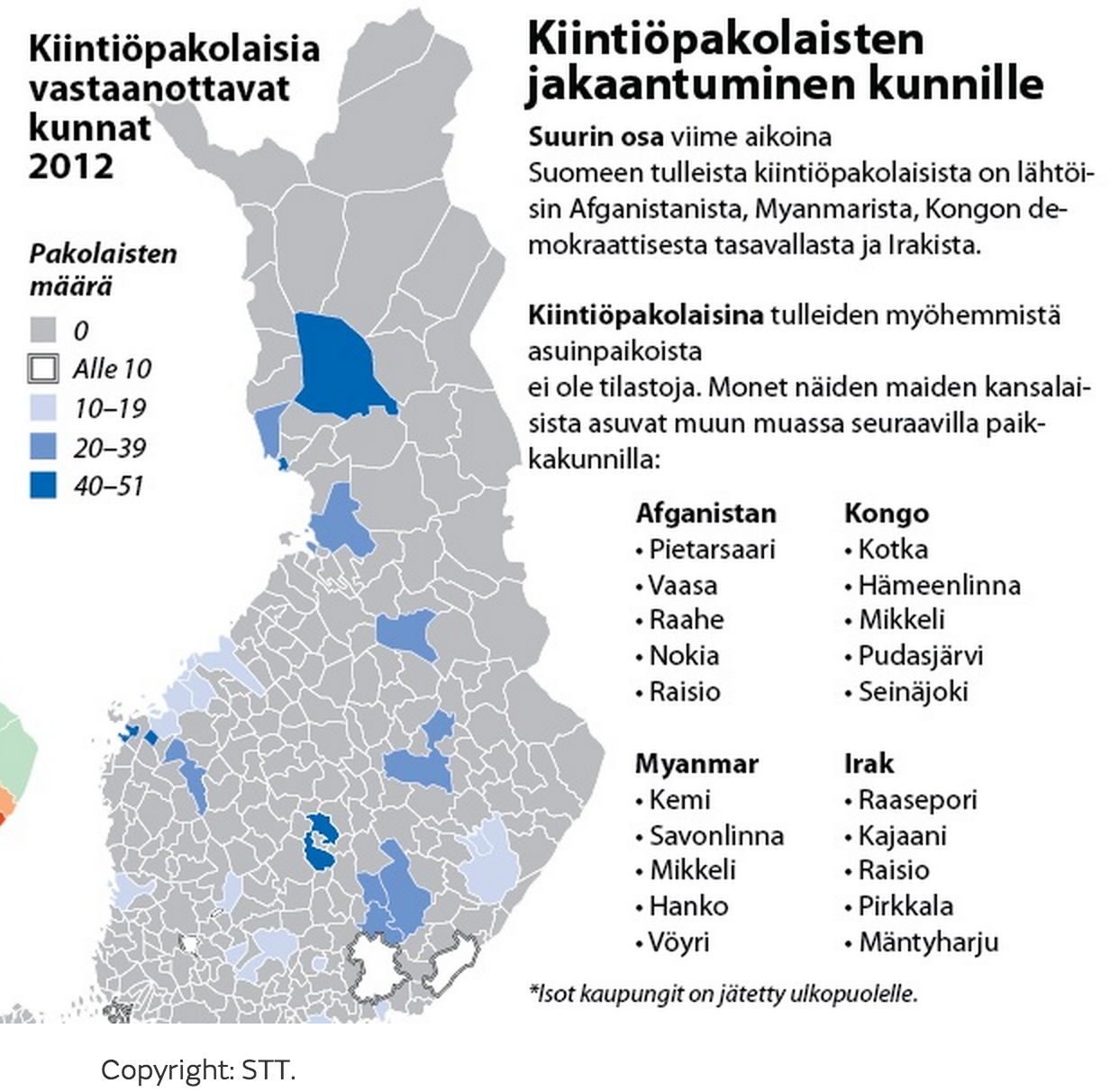
Kuvankaappaus 2013-11-28 kello 23.23.53

Finland’s map of shame. Only a handful of municipalities in Finland accept quota refugees these days.

Every year after 2003, Finland has missed its 750-quota refugee target: 734 in 2012; 626 in 2011; 634 in 2010; 727 in 2009; 737 in 2008; 727 in 2007; 676 in 2006; 690 in 2005; and 679 in 2004, according to Finnish Immigration Service (FIS).


Does social welfare hinder or encourage migrants to integrate into Finnish society?

Posted on November 27, 2013 by Migrant Tales

Abdi Osman, 44, a naturalized Finn who came to Finland fifteen years ago with 50 dollars in his pocket from his native Somalia via Moscow, is a good example of how refugees and immigrants bring vitality to the economy. His story is that of millions of other immigrants and refugees who made it in their new homelands. 

Kuvankaappaus 2013-11-27 kello 12.13.51

Read full story here.

There are, however, millions of immigrants who don’t make it and are exploited in their new homelands. This is sadly even the case in Finland, where some immigrant workers have been paid starvation wages or end up being marginalized.

There are the Osmans as well. He runs a construction company that employs 60 people, generates annual turnover of 1.4 million euros that makes a net profit of about 200,000 euros, according to Jyväskylä-based Keskisuomalainen.

One of the controversial points the businessman says is that he would not pay asylum-seekers any welfare or teach 40- and 50-year-olds Finnish.

”The best workers are those that don’t get welfare,” he was quoted as saying. ”I have sixty people working for me. If they got welfare tomorrow, none of them would turn up at work.”

While work was a way for Osman succeed in Finnish society, it can’t be an all-size-fits-all answer for integrating immigrants. It’s like telling the unemployed to establish a business. For some it may work while for others it could spell disaster.

Don Flynn of the Migrants’ Rights Network makes an excellent point on how deregulation is the main culprit in the UK when it comes to watering down workers’ rights and wages:

The presence of migrants provides us with the opportunity to marvel at the apparently heroic efforts of this one group of workers to drag out subsistence from the conditions of their lives at the same moment when we blind ourselves to the fact that there are now hundreds of thousands of people who are not migrants who are being pitched into exploitative labour markets in the expectation that they will find some sort of a way to scratch out an existence on wages which are now widely acknowledged to be below levels needed to secure a decent life for any individual and her dependents.

Our response to such a scenario in Finland should be constant vigilance that we defend our basic rights.

When it comes to integration and adaption of immigrants in a new homeland, we have to be careful about simplifying matters. If things were as simple as Osman claims, then we would have solved all our integration problems in an instant.

While the businessman’s views sound like that of the Youth League of the National Coalition Party, he does raise an interesting point on how social welfare is used to marginalize migrants, reinforce institutional racism and the status quo.

By the status quo I mean no rocking the boat and keeping matters as they are. One of the ways of keeping the status quo is to pay migrants welfare without taking serious steps to promote their integration into society by helping them to get work and build a future in this country.

Like amongst Finns, migrants on welfare constitute a minority.

Even so, our social welfare is an important right and gesture by society that nobody should be left behind.


Finland and Europe must not forget its culturally diverse history

Posted on November 26, 2013 by Migrant Tales

Why have so many in this land forgotten our culturally diverse history? Why don’t we teach it more at schools? At homes? If over 1.2 million emigrants left this land between 1860 and 1999, certainly that says a lot about the source of our diversity. 

It’s fortunate that Finland wasn’t a former European colonial powers like Britain, France, Portugal, Germany and others. Even so and just like Malcolm X saw racism as a new Cadillac model they introduce every year, intolerance has found its roots in this society as well.

It is learned and reinforced thanks to our near-silence.

When you look at European racism, this social ill is nothing more than the legacy of colonialism and capitalism staring back at us reminding us that we shouldn’t forget what we learned.

Colonialism and capitalism, which add up to genocide, gave European powers the right to enslave millions of people and exploit their resources. 

This destructive system lives on. It exists because so much rides on it. Those that defended wrongly believe that we’d lose everything and our right to be the king of the hill.

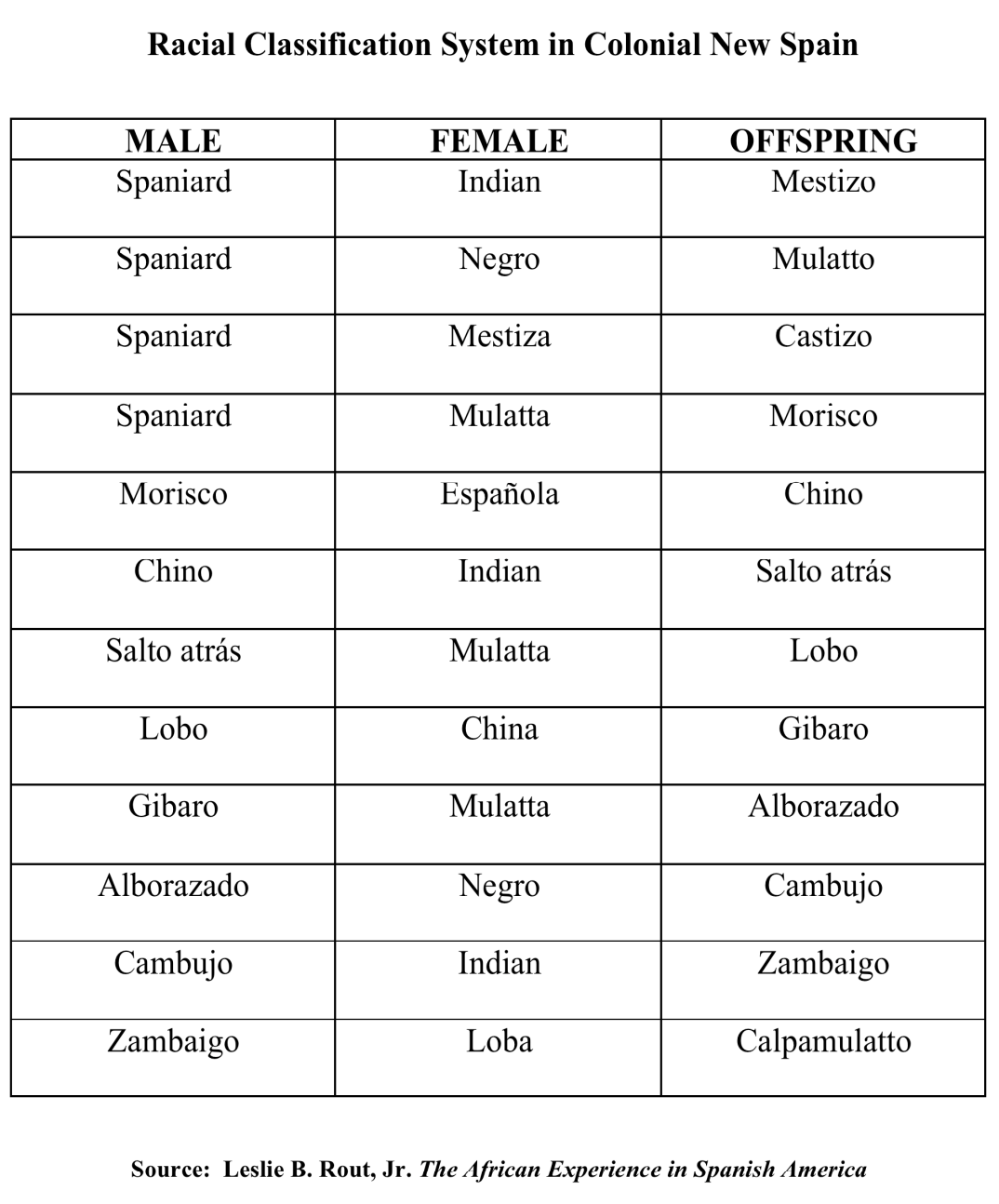
Kuvankaappaus 2013-11-26 kello 8.52.16

In order for white Europeans to enslave, exploit and commit genocide in Africa, the Americas and elsewhere, they devised a racial classification system that placed them at the top.

But we are foolish and short-sighted. We refuse to slay it even it has returned on many occasions with a vengeance to haunt us in Europe in the form of two World Wars that cost the lives of about 90 million people.

If such a destructive force has returned and devastated us in the past, it’s logical that it will return again and again.  Every now and then it pops up and scares us as we saw over two years ago Norway on 22/7 with mass killer Anders Breivik.

Certainly white privilege in Finland was helped by our violent history with Russia and geopolitical isolation, which permitted us to conveniently near-forsake those hundreds of thousands that moved to new lands.

Official Finland in the last century, scarred by the Civil War of 1918, fascism of the 1930s, and three wars in the 1940s, ensured that we’d suffer from historical memory loss because it was in conflict with our white Finnish myths, which are exclusive, even racist.

It shouldn’t come to a surprise why some racist politicians and the Perussuomalaiset (PS) party, which are openly hostile to immigrants and cultural diversity, speak so passionately about defending white Finland. It’s white Finland they are defending, not culturally diverse Finland.

The answer why we have near-forgotten these hundreds of thousands of emigrants is white Finnish privilege. It sheds like to why there is in some Finnish and European circles such a violent knee-jerk reaction to our ever-growing cultural diversity.

How we challenge the threat of the far right and xenophobia hinges on ourselves. It’s leadership like we saw in the 1950s and 1960s in the United States with the Civil Rights Movement. One of the most important messages of that movement is social equality and the acceptance of cultural diversity.

Thus the best way to challenge the far right, right-wing populism, xenophobia and all forms of intolerance is to acknowledge our cultural diversity.

It’s accepting who we are, like coming out of the closet.

If it means rewriting our history to do away with those myths that reinforce white European privilege, let us then find the courage and leadership to do so before it’s too late.

Migrants’ Rights Network: Migrants are undermining working conditions? No – blame 30 years of government deregulation for that

Posted on November 25, 2013 by Migrant Tales

By Don Flynn*

Don_web_0


There’s a lot more discussion nowadays about the exploitation and rock bottom standards in the way the British labour market operates. But it looks like we’ve needed the presence of migrants to show us all just how bad things have become. 

Kuvankaappaus 2013-11-25 kello 15.07.09


Read full blog entry here.

The Institute of Employment Rights – a ‘think tank for the labour movement’ – held a stimulating one-day conference on ‘labour migration in hard times’ yesterday in central London.  The conversation followed the issues raised in a new book of that title published by the Institute which reviewed the predicament that migrants were finding themselves in.

The event brought together a well-informed group of people with links to the trade union movement, migrant groups, and researchers involved in industrial relations issues.

The default mood surrounding such discussions is supposed to be one of profound gloom, seeing only problems stacking up but very little reason to believe we can have a decent crack at solving them. But, though optimism would be the wrong word to describe what people felt, there was a definite sense amongst the experts that issues were beginning to appear on the horizon which might provide the opportunity for labour rights activists to gain some purchase over the headlong rush of events.

Bernard Ryan, who edited the new book, talked about the somewhat ironical fact that the presence of large numbers of migrant workers has highlighted the fact that naked, brutal exploitation is alive and well across large parts of the UK labour market.

Grinding exploitation

Would this fact have been so readily clocked if the reference point had solely been members of the native British underclass? There are depressing reasons to think not. The defeats inflicted on organised labour from the 1980s onwards raised the notion that British workers were an indolent, feather-bedded lot to first place in the narrative of the life of the nation, and from that point it has been extraordinarily difficult to get over the real sense of just how desperately and grindingly hard life has become for a large proportion of wage workers in recent decades.

Then along came the migrants, with their supposed infinite capacity for hard work in the most gruelling of conditions. Their predicament gave us something to marvel at, with the exoticism that came from the person being a Lithuanian fieldworker or a Ghanaian healthcare assistant working a 60 hour work for the bare minimum wage adding more lustre to the story than if they were a mere geordie, scouser or brummie.

One contributor to the discussion after another made the same point: a large part of our working population has had to adjust its expectation and three decades of deregulation and casualisation of employment practices have brought us to the point where we should be proclaiming from the rooftops that for very many people, work just doesn’t pay.

The presence of migrants provides us with the opportunity to marvel at the apparently heroic efforts of this one group of workers to drag out subsistence from the conditions of their lives at the same moment when we blind ourselves to the fact that there are now hundreds of thousands of people who are not migrants who are being pitched into exploitative labour markets in the expectation that they will find some sort of a way to scratch out an existence on wages which are now widely acknowledged to be below levels needed to secure a decent life for any individual and her dependents.

Something more was added to our knowledge of the way labour markets now operate in the form of a separate report published by the Joseph Rowntree Foundation. Forced Labour’s Business Models and Supply Chains sets out the ways in which the UK economy as a whole functions to deliver up a workforce which is at its most extreme ends vulnerable to forced labour – the term given to modern-day slavery.

Tackling exploitation

Deregulated workplaces and informality in terms of recruitment practices and contracts of employment have created conditions which effectively require businesses to build brutal exploitation into their daily operation if they are to survive in competitive markets. The argument that the supposedly unnatural work ethic of migrants has brought this situation into being need to be ditched once and for all.

The evidence which both the JRF and the IER have set out shows the risks which have accumulated in the world of work as a consequence of years of deregulation of labour markets. Even The Economist, the voice of business, has added its view to what follows on when standards drop to rock bottom levels, to the point, as with the minimum wage, that even those regulations that do exist go largely unenforced. A comment piece published this week argues that the failure to uphold rules when they do exist ends up as another form of immigration policy, but one which actively draws workers who are most poorly equipped to fight their corner more deeply into the trap of exploitation.

The IER book makes the case in ringingly clear terms: migrant and native workers need to be together in this business of fighting their corner against exploitation. The conditions for the race to the bottom in the jobs market did not come about because migrants started to arrive in the country. Its essential features had already been put in place during the course of the 1980s when the government piled anti-union legislation on the statute book and gave the green light to employers to push back against decent wages and working conditions.

The way out of this predicament is solidarity between all groups of workers and a renewal of the regulation of employment conditions and the capacity of trade unions and other workforce protection agencies to ensure that standards are maintained. So, we know what the problem is:  time to act together to provide the solution.

The IER book ’Labour migration in hard times: Reforming labour market regulation’, edited by Bernard Ryan, can be ordered from www.ier.org.uk. 

Read original story here.

This piece was reprinted by Migrant Tales with permission.

*Don Flynn, the MRN Director, leads the organisation’s strategic development and coordinates MRN’s policy and project work. He is a regular and sought-after speaker at conferences, seminars and lectures on behalf of MRN.

Reija Härkönen: Hyytävää politiikkaa

Posted on November 24, 2013 by Migrant Tales

Reija Härkönen

Kun viime eduskuntavaalien jälkeen luin Helsingin Sanomien 8.6.2011 julkaiseman artikkelin Hitlerin varhaisesta kirjeestä, jossa hän kertoi vastenmielisyydestään juutalaisia kohtaan, sain kylmät väreet lukiessani tämän Hitlerin lauseen:

“Vastenmielisyyden aiheuttajana on enimmäkseen henkilökohtainen kontakti ja vaikutelma, jonka yksittäinen juutalainen aiheuttaa – ja joka on lähes aina epäsuotuisa”

Kuvankaappaus 2013-11-24 kello 11.16.05

Yhteys nykypäivän Suomeen oli järkyttävä. Juuri samalla tavalla argumentoi tuolloin vasta valittu kansanedustaja blogikirjoituksessaan “Mistä somalivitsit tulevat.”

Jussi Halla-aho kirjoitti:

“Vitseissä esiintyy laiska ja seksihullu neekeri…”

“Keskeistä on, että “rasistinen vitsi” toimii (eli naurattaa) vain, jos kuulijoilla on jokin oletus puheena olevan ryhmän keskimääräisistä ominaisuuksista, ja jos tämä oletus on suurin piirtein jaettu. Oletukset ovat yleistäviä ja liioiteltuja, kyllä, mutta eivät ne tyhjän päällä lepää.”

Kirjoitus päättyy:

“Mitä enemmän kosketusta tulee, sitä enemmän kerrotaan vitsejä. Mitä kielteisempiä nämä kosketukset ovat, sitä ilkeämpiä ovat myös vitsit.”

Halla-ahon kohdalla ei edes voi tuijottaa vain yksittäisiin teksteihin. Hän, “Mestari”, on tehnyt jo vuosia johdonmukaista työtä muukalaisvihan kiihdyttämiseksi Suomessa. Hänen seuraajansa siteeraavat tekstejä ja linkittävät niitä omiin blogeihinsa ja käyvät ahkerasti rasismiin tai maahanmuuttoon vähänkin viittaavissa keskusteluissa levittämässä yhdessä laadittuja “vakiovastauksia” epämiellyttävinä tai aatteensa vastaisina pitämiinsä väittämiin.

Tämä tehdään ikään kuin laillisesti listaamalla yhä uudestaan tietoja ja tilastoja ulkomaisten tai ulkomaista perua olevien henkilöiden tekemistä raiskauksista ja muista rikoksista meillä ja muualla. Kun tämä toistuu samoilla palstoilla vuodesta vuoteen, nyt jo tuhansien päivittäisten kävijöiden ihailtavana, ei ole mikään ihme, että viha lisääntyy.

Nyt se myös tulee ulos netistä ja näkyy vihatekoina reaalimaailmassa, kun “asiaa” edistävällä “Mestarilla” on “asema”, eli heidän mielestään julkinen oikeutus. Vaikka yksittäisistä teksteistä ei joutuisi rikoksesta tuomituksi, ei näitä tekoja silti voi pitää eettisesti ja moraalisesti hyväksyttävinä.

Timo Soini ja muut perussuomalaiset mitä ilmeisimmin pitävät, sillä sen lisäksi, että Jussi Halla-aho kumppaneineen otettiin eduskuntavaaliehdokkaiksi, Halla-aho on viimeksi pidetyssä puoluekokouksessa nostettu suuren johtajan rinnalle ja häntä ollaan nyt myös lähettämässä Euroopan parlamenttiin luomaan yhteyksiä muihin islamofobisiin piireihin. Samassa kokouksessa puolueen ns. ”nuivan” siiven jäsen ja yksi maahanmuuttajavastaisen erillisvaaliohjelman allekirjoittajista valittiin puoluesihteeriksi, täten vahvistaen puolueen muslimivastaisen agendan ajamista.

Perussuomalainen politiikka on näiltä osin selkeästi äärioikeistolaista, uusfasistista politiikkaa: luo vähemmistöstä syyllinen, ohjaa siihen kansan viha ja hanki poliittista valtaa tuon vihan tuottamalla nosteella. Tuollainen politiikka perustuu äänestäjien manipulointiin, ennakkoluulojen ruokkimiseen ja valheeseen. Edes korruptio ei ole kauempana hyvästä moraalista ja suoraselkäisyydestä kuin tuolle valheelle rakentuva politiikka.

Tästä asiasta ei poliitikoilla ole oikeus vaieta – ei sittenkään, vaikka pelkäisi oman kannatuksensa vähenemistä. Tämä ei ole pelkästään kansalaisjärjestöjen asia. On kyse demokratiamme säilymisestä. Äärettömästi ihmettelen myös sellaista tosiseikkaa, että rasismin vastustaminen näyttäisi nykypäivän Suomessa olevan vain vasemmistopuolueiden tehtävä – tai edes hyväksymä asia.

Kun kokoomusnuoret ohjelmassaan esittivät selvästi rasistisia linjauksia halla-aholaisia termejä käyttäen ja haluten jopa poistaa lain kansanryhmää vastaan kiihottamisesta, puolueen puheenjohtaja kyllä kysyttäessä sanoi, ettei allekirjoita ajatuksia, mutta ”aateneuvottelua” ei tarvita ja niinpä kokoomusnuoret saavat rauhassa Kokoomuksen siipien suojassa jatkaa tavoiteohjelmansa edistämistä. Kuka rasismin vastustaja haluaa enää äänestää Kokoomustakaan? Puolueessa on useita kansanedustajia ja euroedustajia, jotka ovat kyllä ilmaisseet rasismin vastaisen kantansa. Nyt heidän pitäisi olla entistä äänekkäämpiä.

Jälkeenpäin kauhistelemme, kuinka Suomestakin lähetettiin ihmisiä Saksan keskitysleireille. Ilman vastalauseita tai omantunnontuskia annamme nyt valita julkirasisteja Suomen eduskuntaan.

En väitä, että meillä rakennellaan keskitysleirejä. Ei fyysisesti, mutta henkisellä tasolla se on jo alkanut. Suomen kansan pitäisi kaiken kokemansa jälkeen olla jo sen verran sivistynyttä, että vähemmistöjen vaino, vähättely tai ohjelmoitu, järjestelmällinen mustamaalaaminen olisi ilman muuta sellainen teko, jota ei hyväksytä eikä siedetä.

Alkuperäisen blogikirjoituksen voi lukea tästä.

Tämä blogikirjoitus julkaistiin Migrant Talesissä luvalla.

Is your attitude towards racism determined by your upbringing and where you grew up?

Posted on November 23, 2013 by Migrant Tales

Some immigrants and visible minorities fight against intolerance their own way. Others, however, shy away from such a challenge by preferring to live in denial. Is the way you fight against intolerance dependent on what you learned at home and in your home country? 

If a white Russian learned to hate blacks and Muslims in his society, why would he start defending this group in Finland? What about those immigrants that come from countries where questioning authority is a no-no?

What about if you lived in a society where your ethnic group had privileged status but now you’ve lost that status? What about if you make a deal to accept that you’re a second-class citizen in your new home country as long as you are not relegated to third- or fourth-class status?

Just because a person is an immigrant doesn’t mean that he or she understands never mind is against racism. Those prejudices that you learned could be reinforced by the new home country.

While some white Finns try to justify their racism by claiming that some immigrants are racists, one can never compare the two.

Writes Migrant Tales in January:

“The fact that white Finns are the standard of everything in Finland is enough proof that they wield real power. White Finns don’t have to understand racism because they simply don’t have to. It’s not an issue because they are the standard of this society, the norm. Everyone else has a prefix attached to them like immigrant, immigrant descendant, black, Roma etc.”

IMG_0038

One of the great figures to emerge from the Civil Rights Movement was Martin Luther King Jr. He said: “Darkness cannot drive out darkness; only light can do that. Hate cannot drive out hate; only love can do that.”

The most important matter that the Civil Rights Movement taught me was that you can challenge a social ill like racism and beat it at its own game even if such a social ill believes that it is all-powerful and unbeatable.

If I use myself as an example, it’s clear that the African-American Civil Rights Movement in the United States  (1955-68) had a lasting impact on my life. It not only taught me how important it is to challenge a social ill like racism, but fight for change in a non-violent manner.

Images and my direct experience with that period lives on so strongly that I bring them up in talks in Finland.

Kuva 79

 Malcolm X is another exemplary fighter of the Civil Rights Movement. He said: “Racism is like a Cadillac, they bring out a new model every year.”

Racism leaves deep scars in some people. It has left such wounds in me.

One open scar was left by our elementary school’s first black pupil in the mid-1960s. He was bullied to such an extent by his classmates that the black child lasted about two weeks at our Hollywood, California, school.

I don’t remember his first name, but his last name was Brown. How can I remember such a fact about a classmate I knew briefly such a long time ago? One of the jokes that was made by one student went as follows: “What’s the color of shit? Brown!”

Imagine the power or racism to destroy another person’s self-esteem. My classmates were all children who came from so-called middle-class homes. Together they acted like a school of ferocious pirhanas attacking their prey.

Even if the principle of the school spoke to all of us about how we should treat the new black student with respect, he never spoke to us about our behavior.

How is racism perpetuated and reinforced in Finland? By denial and in so-called normal Finnish homes.

The Perussuomalaiset (PS) and its leader, Timo Soini, are good examples of the bullying and victimizing of immigrants and visible minorities in this country. As everyone knows, Soini is the so-called good cop of the anti-immigration party.

One of the PS’ biggest loose canons and racists, MP James Hirvisaari, was expelled from the party after he invited a friend to parliament, whom he took a picture of making a Nazi salute.

If it weren’t for the PS, and specifically because of Soini, it is doubtful that Hirvisaari would have ever been elected. As a member of the far-right Muutos 2011 party today, nobody is any longer interested what Hirvisaari thinks.

So yes, Soini and the PS are responsible for making racism and intolerance more acceptable in Finland. Letting him off the hook is a mistake. He is the wolf in sheep’s clothing.

We must remember, however, that it’s not only the PS that has issues with racism but every party in this country. The PS would have never obtained so much power without the complacency and cowardice of other mainstream parties.

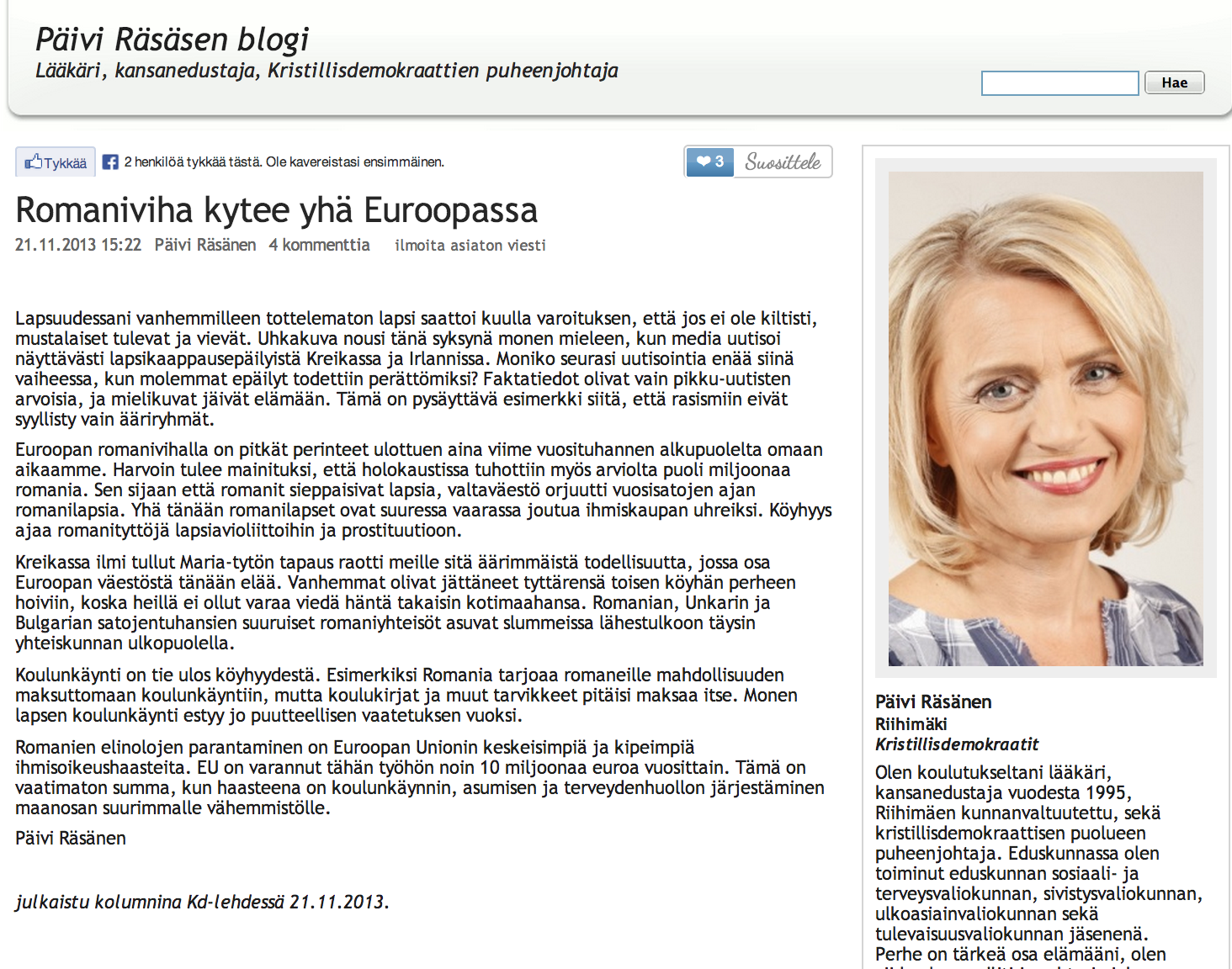
Finland’s Interior Minister Päivi Räsänen’s blog entry on the Roma reveals why Europe has done so little to help this minority

Posted on November 22, 2013 by Migrant Tales

I couldn’t believe my eyes when I read Christian Democrat Interior Minister Päivi Räsänen’s opinion piece on Uusi Suomi about the hardships that the Romany minority face in Europe today. As she expressed concern about their plight, I could not forget her intolerant views of gays, non-Christian refugees and her silence in the face of strict family reunification laws in this country.

Räsänen hasn’t been a too friendly voice for Romanian and Bulgarian Roma who have come to Finland to beg.

Eric Erfors’ column on tabloid Expressen of Sweden didn’t give Räsänen high marks either for her views of gays, the Roma and immigrants who aren’t Christians.

Zuzeeko, a Migrant Tales associate editor, wrote in spring about how little to nothing detaining children seeking asylum for long periods of time.

It shouldn’t surprise anyone why Räsänen’s approval rating among the populist anti-immigration Perussuomalaiset (PS) is so high.

Kuvankaappaus 2013-11-22 kello 21.11.45

Read full story here.

Not only has Räsänen upheld stereotypes about the Roma with her views, she has publicly defended by playing down ethnic profiling by the police.

The interior minister claimed  in April last year that ethnic profiling didn’t occur in Finland because “the vast majority of foreigners look just like natives, so it’s [ethnic profiling] is not even a very sensible way to supervise aliens.”

At best Räsänen’s “concern” about the Roma reveals why so much has been said but so little done to help this minority.

As we listen to people like Räsänen speak about such shameful intolerance, it’s our own inaction and impotency speaking echoing to us.

Still can’t see the crocodile tears? Read on:

Disagree? Read on:

  • Interior Minister Räsänen disagrees with findings of police report on the Romany minority
  • Council of Europe concerned about ethnic profiling by police in Finland
  • Let’s challenge Finland’s disgraceful family reunification obstacles
  • Zuzeeko’s blog: Ask Finland’s Minister of Interior to stop detention of innocent children
  • Interior minister: Far right isn’t “a big threat” despite what happened in Jyväskylä
  • Feeding Somalis and poor immigrants to the loan sharks of Finland
  • Aamulehti rape story: Minister Räsänen speaks out in favor of tougher sentences
  • Finland’s interior minister wants to make begging illegal
  • Räsänen sees no wrongdoing, ethnic profiling by police with spot identity checks
  • YLE in English: Immigration rules to be tightened
  • HS: Kristillisten Päivi Räsänen ottaa vastuun maahanmuuttoasioista

Finnish bus company continues to prohibit Sikh employee from wearing a turban

Posted on November 21, 2013 by Migrant Tales

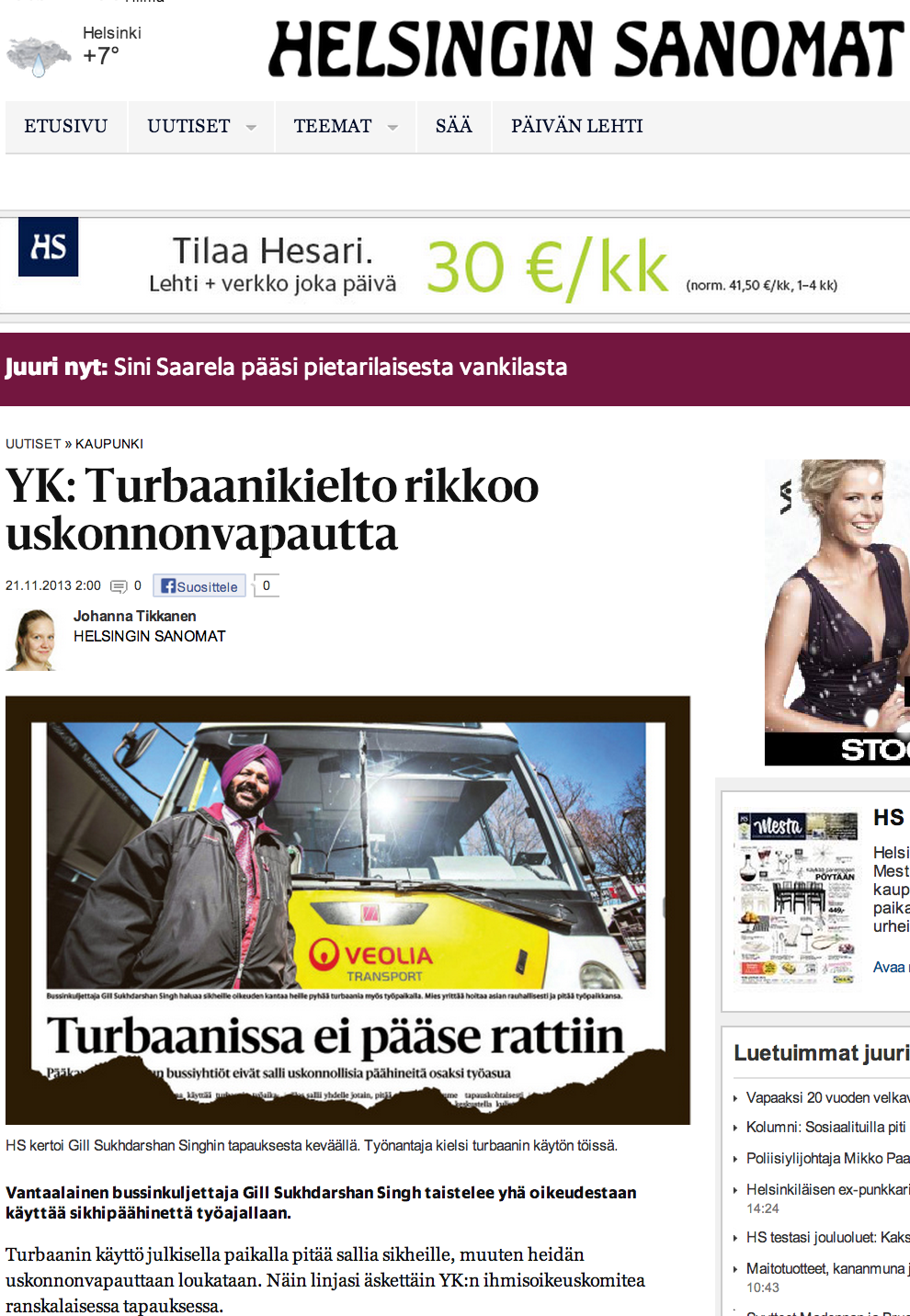
Migrant Tales reported in September a landmark case in which a Sikh busman could wear a turban while at work. Helsingin Sanomat reported Thursday, however, that matters didn’t turn the way that the Vantaa Sikh busman, Gill Sukhdarshan Singh, thought.

According to Helsingin Sanomat,  the Sikh busman is still not allowed to wear a turban at work.

Migrant Tales attempted without luck to get in touch with Sukhdarshan Singh.

The Southern Finland Regional State Administrative Agency (Avi), which ruled in Junethat a turban ban by the employer was discriminatory, gave the bus company until the end of September to redress the matter.

Juha Nykänen of Veolia Transport let Helsingin Sanomat know that the company’s stand on the matter hasn’t changed despite Avi’s ruling and Sukhdarshan Singh’s hope that matters would change from the end of September.

Kuvankaappaus 2013-11-21 kello 16.29.32


Read full story here.

Even if Sikh busmen won similar rights in England in 1969, Viola Transport argues that using a turban ia a safety risk and does not comply with the company’s uniform.

Tuomas Ojanen, professor of constitutional law at Helsinki University, said that the bus company’s stand is difficult to defend in court since it violates Sukhdarshan Singh’s human rights.

Juhani Korteinen of Avi told Migrant Tales that it will give a statement “in a few weeks” concerning the matter.

Avi doesn’t have the power to fine Viola Transport if it doesn’t comply with its ruling. It can, however, ask the police to carry out an investigation for discrimination, according to Helsingin Sanomat.

The negative stand of Sukhdarshan Singh reveals a common attitude that some Finns have of immigrants and of cultural diversity. They incorrectly believe that adaption of people of different backgrounds is a one-way process.

Finland and Europe must not be lured into populism and xenophobia

Posted on November 21, 2013 by Migrant Tales

Denials by party leaders like Timo Soini that the Perussuomalaiset (PS) isn’t a xenophobic party, and the meek response of Finland’s mainstream parties to such a threat, speak volumes of the present state of this country. Who helped the political careers of xenophobes like Jussi Halla-aho, James Hirvisaari and others? Soini and the PS. 

Why do we forget this important fact? Possibly because we dread admitting that intolerance is a bigger problem than we want to believe.

Kuvankaappaus 2013-11-21 kello 8.51.01

Read full story here.

Believing that Soini is against racism as he often claims, it allowing him and intolerance off the hook.

Certainly racism and intolerance isn’t a problem for a white Finn never mind the head of the PS. It is, however, an issue for many in this country who aren’t white and those who struggle for acceptance in an ever-hostile anti-immigration atmosphere that has political support.

British shadow foreign secretary, Douglas Alexander, was quoted recently as saying on The Guardian that non-Jewish people must take a leading stand in defeating antisemitism in Europe. Speaking at the Nazi death camp at Auschwitz, he said that in the fight against antisemitism, silence was the “coconspirator of evil.”

Correct. If I were Alexander’s speech writer, I’d stress that it’s not only antisemitism that we should challenge, but all types of intolerance irrespective if that person is a Muslim, Roma, gay or belongs to any other minority.

He said that the rise of antisemitism was “deeply troubling” in the face of the far right making significant gains in the 2014 European parliamentary elections.

Will we begin to raise our voices against intolerance when it snatches power?

By then it will be too late.


  • 1
  • 2
  • 3
  • 4
  • Next
Read more about documentary film
Read more

Recent Posts

  • Finland’s tabloids Iltalehti and Ilta-Sanomat are the pits
  • Riikka Purra’s Dr Jekyll and Mr Hyde mask
  • Double standards
  • Perussuomalaiset: Uusi logo, sama vanha juttu
  • Taco Trump

Recent Comments

  1. Absolutely Socking: Racist Finnish Facebook group against human rights gets flooded with socks on Musta Barbaari’s mother and sister charged by the police in “ethnic profiling” case
  2. Ilkka Nuotio on Pekka Myrskylä: “Tilastot kertovat toista kuin poliittinen keskustelu”
  3. Genrih Soinkara on The war in Ukraine and the Russian-Finnish border crisis are showing Finland’s ugly side
  4. Ahti Tolvanen on Comment by Ahti Tolvanen on the Helsinki +50 conference
  5. Angel Barrientos on Angel Barrientos is one of the kind beacons of Finland’s Chilean community

Archives

  • June 2026
  • May 2026
  • April 2026
  • March 2026
  • February 2026
  • January 2026
  • December 2025
  • November 2025
  • October 2025
  • September 2025
  • August 2025
  • July 2025
  • June 2025
  • May 2025
  • April 2025
  • March 2025
  • February 2025
  • January 2025
  • December 2024
  • November 2024
  • October 2024
  • September 2024
  • August 2024
  • July 2024
  • June 2024
  • May 2024
  • April 2024
  • March 2024
  • February 2024
  • January 2024
  • December 2023
  • November 2023
  • October 2023
  • September 2023
  • August 2023
  • July 2023
  • June 2023
  • May 2023
  • April 2023
  • March 2023
  • February 2023
  • January 2023
  • December 2022
  • November 2022
  • October 2022
  • September 2022
  • August 2022
  • July 2022
  • June 2022
  • May 2022
  • April 2022
  • March 2022
  • February 2022
  • January 2022
  • December 2021
  • November 2021
  • October 2021
  • September 2021
  • August 2021
  • July 2021
  • June 2021
  • May 2021
  • April 2021
  • March 2021
  • February 2021
  • January 2021
  • December 2020
  • November 2020
  • October 2020
  • September 2020
  • August 2020
  • July 2020
  • June 2020
  • May 2020
  • April 2020
  • March 2020
  • February 2020
  • January 2020
  • December 2019
  • November 2019
  • October 2019
  • September 2019
  • August 2019
  • July 2019
  • June 2019
  • May 2019
  • April 2019
  • March 2019
  • February 2019
  • January 2019
  • December 2018
  • November 2018
  • October 2018
  • September 2018
  • August 2018
  • July 2018
  • June 2018
  • May 2018
  • April 2018
  • March 2018
  • February 2018
  • January 2018
  • December 2017
  • November 2017
  • October 2017
  • September 2017
  • August 2017
  • July 2017
  • June 2017
  • May 2017
  • April 2017
  • March 2017
  • February 2017
  • January 2017
  • December 2016
  • November 2016
  • October 2016
  • September 2016
  • August 2016
  • July 2016
  • June 2016
  • May 2016
  • April 2016
  • March 2016
  • February 2016
  • January 2016
  • December 2015
  • November 2015
  • October 2015
  • September 2015
  • August 2015
  • July 2015
  • June 2015
  • May 2015
  • April 2015
  • March 2015
  • February 2015
  • January 2015
  • December 2014
  • November 2014
  • October 2014
  • September 2014
  • August 2014
  • July 2014
  • June 2014
  • May 2014
  • April 2014
  • March 2014
  • February 2014
  • January 2014
  • December 2013
  • November 2013
  • October 2013
  • September 2013
  • August 2013
  • July 2013
  • June 2013
  • May 2013
  • April 2013
  • March 2013
  • February 2013
  • January 2013
  • December 2012
  • November 2012
  • October 2012
  • September 2012
  • August 2012
  • July 2012
  • June 2012
  • May 2012
  • April 2012
  • March 2012
  • February 2012
  • January 2012
  • December 2011
  • November 2011
  • October 2011
  • September 2011
  • August 2011
  • July 2011
  • June 2011
  • May 2011
  • April 2011
  • March 2011
  • February 2011
  • January 2011
  • December 2010
  • November 2010
  • October 2010
  • September 2010
  • August 2010
  • July 2010
  • June 2010
  • May 2010
  • April 2010
  • March 2010
  • February 2010
  • January 2010
  • December 2009
  • November 2009
  • October 2009
  • September 2009
  • August 2009
  • July 2009
  • December 2008
  • November 2008
  • October 2008
  • September 2008
  • August 2008
  • July 2008
  • June 2008
  • May 2008
  • April 2008
  • March 2008
  • February 2008
  • January 2008
  • November 2007
  • October 2007
  • September 2007
  • August 2007
  • July 2007
  • June 2007
  • May 2007

Categories

  • ?? Gia L?c
  • ????? ?????? ????? ???????? ?? ??????
  • ???????
  • @HerraAhmed
  • @mondepasrond
  • @nohatefinland
  • @oula_silver
  • @Varathas
  • A Pakistani family
  • äärioikeisto
  • Abbas Bahmanpour
  • Abdi Muhis
  • Abdirahim Hussein Mohamed
  • Abdirahim Husu Hussein
  • Abdirisak Mahamed
  • About Migrant Tales
  • activism
  • Adam Al-Sawad
  • Adel Abidin
  • Afrofinland
  • Ahmed IJ
  • Ahti Tolvanen
  • Aino Pennanen
  • Aisha Maniar
  • Alan Ali
  • Alan Anstead
  • Alejandro Díaz Ortiz
  • Alekey Bulavsev
  • Aleksander Hemon
  • Aleksanterinliitto
  • Aleksanterinliitto ry
  • Aleksanterinliitto ry:n hallitus
  • Alex Alex
  • Alex Mckie
  • Alexander Nix
  • Alexandra Ayse Albayrak
  • Alexis Neuberg
  • Ali Asaad Hasan Alzuhairi
  • Ali Hossein Mir Ali
  • Ali Rashid
  • Ali Sagal Abdikarim
  • Alina Tsui
  • Aline Müller
  • All categories
  • Aman Heidari
  • Amiirah Salleh-Hoddin & Jana Turk
  • Amin A. Alem
  • Amir Zuhairi
  • Amkelwa Mbekeni
  • Ana María Gutiérrez Sorainen
  • Anachoma
  • Anders Adlecreutz
  • Angeliina Koskinen
  • Anna De Mutiis
  • Anna María Gutiérrez Sorainen
  • Anna-Kaisa Kuusisto ja Jaakko Tuominen
  • Annastiina Kallius
  • Anneli Juise Friman Lindeman
  • Announcement
  • Anonymous
  • Antero Leitzinger
  • anti-black racism
  • Anti-Hate Crime Organisation Finland
  • Anudari Boldbaatar
  • Arshiya Nasser
  • Aspergers Syndrome
  • Asylum Corner
  • Asylum seeker 406
  • Athena Griffin and Joe Feagin
  • Autism
  • Avaaz.org
  • Awale Olad
  • Ayan Said Mohamed
  • AYY
  • Barachiel
  • Bashy Quraishy
  • Beatrice Kabutakapua
  • Beri Jamal
  • Beri Jamal and Enrique Tessieri
  • Bertolt Brecht
  • Boiata
  • Boodi Kabbani
  • Bruno Gronow
  • Carmen Pekkarinen
  • Çelen Oben and Sheila Riikonen
  • Chiara Costa-Virtanen
  • Chiara Costa-Virtanen
  • Chiara Sorbello
  • Christian Thibault
  • Christopher Wylie
  • Clara Dublanc
  • Dana
  • Daniel Malpica
  • Danilo Canguçu
  • David Papineau
  • David Schneider
  • Dexter He
  • Don Flynn
  • Dr Masoud Kamali
  • Dr. Faith Mkwesha
  • Dr. Theodoros Fouskas
  • Edna Chun
  • Eeva Kilpi
  • Emanuela Susheela
  • En castellano
  • ENAR
  • Enrique
  • Enrique Tessieri
  • Enrique Tessieri & Raghad Mchawh
  • Enrique Tessieri & Yahya Rouissi
  • Enrique Tessieri and Muhammed Shire
  • Enrique Tessieri and Sira Moksi
  • Enrique Tessieri and Tom Vandenbosch
  • Enrique Tessieri and Wael Che
  • Enrique Tessieri and Yahya Rouissi
  • Enrique Tessieri and Zimema Mhone
  • Epäluottamusmies
  • EU
  • Europe
  • European Islamophobia Report
  • European Islamophobia Report 2019,
  • European Union
  • Eve Kyntäjä
  • Ezequiel Caldeiro
  • Facebook
  • Fadumo Dayib
  • Faisa Kahiye
  • Farhad Manjoo
  • Fasismi
  • Finland
  • Fizza Qureshi
  • Flyktingar och asyl
  • Foreign Student
  • Fozia Mir-Ali
  • Frances Webber
  • Frida Selim
  • Gareth Rice
  • Ghyslain Vedeaux
  • Global Art Point
  • Great Replacement
  • Habiba Ali
  • Hami Bahadori
  • Hami Bahdori
  • Hamid
  • Hamid Alsaameere
  • Hamid Bahdori
  • Handshake
  • Harmit Athwal
  • Hassan Abdi Ali
  • Hassan Muhumud
  • Heikki Huttunen
  • Heikki Wilenius
  • Helsingin Sanomat
  • Henning van der Hoeven
  • Henrika Mälmsröm
  • Hser Hser
  • Hser Hser ja Mustafa Isman
  • Husein Muhammed
  • Hussain Kazemian
  • Hussain Kazmenian
  • Ibrahim Khan
  • Ida
  • Ignacio Pérez Pérez
  • Iise Ali Hassan
  • Ilari Kaila & Tuomas Kaila
  • Imam Ka
  • inside-an-airport
  • Institute of Race Relations
  • Iraqi asylum seeker
  • IRR European News Team
  • IRR News Team
  • Islamic Society of Norhern FInland
  • Islamic Society of Northern Finland
  • Islamophobia
  • Jacobinmag.com
  • Jallow Momodou
  • Jan Holmberg
  • Jane Elliott
  • Jani Mäkelä
  • Jari Luoto
  • Jari Taponen
  • Jegor Nazarov
  • Jenni Stammeier
  • Jenny Bourne
  • Jessie Daniels
  • Joe Davidow
  • Johannes Koski
  • John D. Foster
  • John Grayson
  • John Marriott
  • Jon Burnett
  • Jorma Härkönen
  • Jos Schuurmans
  • José León Toro Mejías
  • Josue Tumayine
  • Jouni Karnasaari
  • Juan Camilo
  • Jukka Eräkare
  • Julian Abagond
  • Julie Pascoet
  • Jussi Halla-aho
  • Jussi Hallla-aho
  • Jussi Jalonen
  • JusticeDemon
  • Kadar Gelle
  • Kaksoiskansalaisuus
  • Kansainvälinen Mikkeli
  • Kansainvälinen Mikkeli ry
  • Katherine Tonkiss
  • Kati Lepistö
  • Kati van der Hoeven-Lepistö
  • Katie Bell
  • Kättely
  • Kerstin Ögård
  • Keshia Fredua-Mensah & Jamie Schearer
  • Khadidiatou Sylla
  • Khadra Abdirazak Sugulle
  • Kiihotus kansanryhmää vastaan
  • Kirsi Crowley
  • Koko Hubara
  • Kristiina Toivikko
  • Kubra Amini
  • KuRI
  • La Colectiva
  • La incitación al odio
  • Laura Huhtasaari
  • Lauri Finér
  • Leif Hagert
  • Léo Custódio
  • Leo Honka
  • Leontios Christodoulou
  • Lessie Branch
  • Lex Gaudius
  • Leyes de Finlandia
  • Liikkukaa!
  • Linda Hyökki
  • Liz Fekete
  • M. Blanc
  • Maarit Snellman
  • Mahad Sheikh Musse
  • Maija Vilkkumaa
  • Malmin Kebab Pizzeria Port Arthur
  • Marcell Lorincz
  • Mari Aaltola
  • María Paz López
  • Maria Rittis Ikola
  • Maria Tjader
  • Marja-Liisa Tolvanen
  • Mark
  • Markku Heikkinen
  • Marshall Niles
  • Martin Al-Laji
  • Maryan Siyad
  • Matt Carr
  • Mauricio Farah Gebara
  • Media Monitoring Group of Finland
  • Micah J. Christian
  • Michael McEachrane
  • Michele Levoy
  • Michelle Kaila
  • Migrant Tales
  • Migrant Tales Literary
  • Migrantes News
  • Migrants' Rights Network
  • MigriLeaks
  • Mikko Kapanen
  • Miriam Attias and Camila Haavisto
  • Mohamed Adan
  • Mohammad Javid
  • Mohammad M.
  • Monikulttuurisuus
  • Monisha Bhatia and Victoria Canning
  • Mor Ndiaye
  • Muh'ed
  • Muhamed Abdimajed Murshid
  • Muhammed Shire
  • Muhammed Shire and Enrique Tessieri
  • Muhis Azizi
  • Musimenta Dansila
  • Muslimiviha
  • Musulmanes
  • Namir al-Azzawi
  • Natsismi
  • Neurodiversity
  • New Women Connectors
  • Nils Muižnieks
  • No Labels No Walls
  • Noel Dandes
  • Nuor Dawood
  • Omar Khan
  • Otavanmedia
  • Oula Silvennoinen
  • Paco Diop
  • Pakistani family
  • Pentti Stranius
  • Perussuomalaiset
  • perustuslaki
  • Petra Laiti
  • Petri Cederlöf
  • Pia Grochowski
  • Podcast-lukija Bea Bergholm
  • Pohjois – Suomen Islamilainen Yhdyskunta
  • Pohjois Suomen Islamilainen Yhyskunta
  • Polina Kopylova
  • Race Files
  • racism
  • Racism Review
  • Raghad Mchawh
  • Ranska
  • Rashid H. and Migrant Tales
  • Rasismi
  • Raul Perez
  • Rebecka Holm
  • Reem Abu-Hayyeh
  • Refugees
  • Reija Härkönen
  • Remiel
  • Reza Nasri
  • Richard Gresswell
  • Riikka Purra
  • Risto Laakkonen
  • Rita Chahda
  • Ritva Kondi
  • Robito Ibrahim
  • Roble Bashir
  • Rockhaya Sylla
  • Rodolfo Walsh
  • Roger Casale
  • Rostam Atai
  • Roxana Crisólogo Correa
  • Ruth Grove-White
  • Ruth Waweru-Folabit
  • S-worldview
  • Sadio Ali Nuur
  • Sami Rusanen
  • Sandhu Bhamra
  • Sara de Jong
  • Sarah Crowther
  • Sari Alhariri
  • Sarkawt Khalil
  • Sasu
  • Scot Nakagawa
  • Shabana Ahmadzai
  • Shada Islam
  • Sharon Chang blogs
  • Shenita Ann McLean
  • Shirlene Green Newball
  • Sini Savolainen
  • Sira Moksi
  • Sonia K.
  • Sonia Maria Koo
  • Steverp
  • Stop Deportations
  • Suldaan Said Ahmed
  • Suomen mediaseurantakollektiivi
  • Suomen Muslimifoorumi ry
  • Suomen viharikosvastainen yhdistys
  • Suomen viharikosvastainen yhdistys ry
  • Suomi
  • Supermen
  • Susannah
  • Suva
  • Syrjintä
  • Talous
  • Tapio Tuomala
  • Taw Reh
  • Teivo Teivainen
  • The Daily Show
  • The Heino
  • The Supermen
  • Thomas Elfgren
  • Thulfiqar Abdulkarim
  • Tim McGettigan
  • Tino Singh
  • Tito Moustafa Sliem
  • Tobias Hübinette and L. Janelle Dance
  • Transport
  • Trica Danielle Keaton
  • Trilce Garcia
  • Trish Pääkkönen
  • Trish Pääkkönen and Enrique Tessieri
  • Tuulia Reponen
  • Uncategorized
  • UNITED
  • University of Eastern Finland
  • Uyi Osazee
  • Väkivalta
  • Vapaa Liikkuvuus
  • Venla-Sofia Saariaho
  • Vieraskynä
  • W. Che
  • W. Che an Enrique Tessieri
  • Wael Ch.
  • Wan Wei
  • Women for Refugee Women
  • Xaan Kaafi Maxamed Xalane
  • Xassan Kaafi Maxamed Xalane
  • Xassan-Kaafi Mohamed Halane & Enrique Tessieri
  • Yahya Rouissi
  • Yasmin Yusuf
  • Yassen Ghaleb
  • Yle Puhe
  • Yuliet Tresa
  • Yve Shepherd
  • Zahra Khavari
  • Zaker
  • Zalina Ametova
  • Zamzam Ahmed Ali
  • Zeinab Amini ja Soheila Khavari
  • Zimema Mahone and Enrique Tessieri
  • Zimema Mhone
  • Zoila Forss Crespo Moreyra
  • ZT
  • Zulma Sierra
  • Zuzeeko Tegha Abeng
© 2026 Migrant tales | Powered by Minimalist Blog WordPress Theme