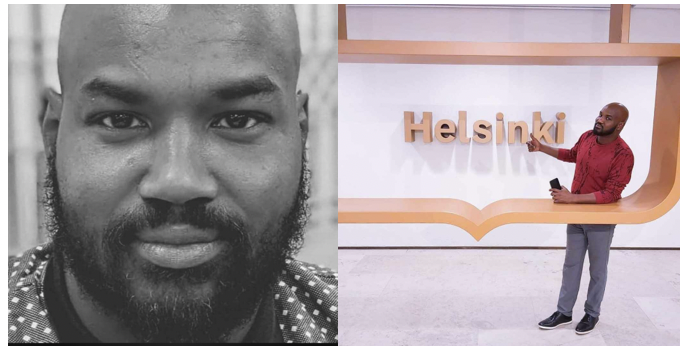
Mahad Sheikh Musse is a youth social worker with over 20 years experience. Apart from his social work, he is an avid writer who speaks out against discrimintion of youth with migrant backgrounds.
In the first podcast, Musse speaks about how to tear down racist structures in society that reinforce discrimination. He said that one must “have empathy, open-mindedness and venture outside one’s comfort zone challenging our assumptions and biases.”
Even if change in society is slow, one must have patience. “Even small actions can hve a ripple effect,” he added.
If this question were asked to Prime Minister Petteri Orpo of the National Coalition Party, we would not have to guess his answer. Pointing to theanti-racism plan and a “very good” government program, Orpo would dodge the question in his usual style by sweeping the issue under the rug.
In other words, his response would be the government is not fueling racism.
But Orpo is no magician who can cover the sun with his finger with his denials and weak leadership. Each denial hides his disingenuous double-talk and outright lies but exposes them like foul air.
The policies that the government uses to oppress the most vulnerable members of society, single parents, the unemployed, migrants, and workers, include policies to undermine their power.
Two reports published in October show that matters will continue to worsen. The first one was published by the Police University College, which reported a record rise in suspected hate crime cases to 1,606 cases versus 1,245 cases the previous year.
As in previous years, the biggest victims were Muslims.
Due to the lame actions of the government against racism, I expect the number of suspected hate crimes to rise once again to a new record in 2024.
Last year was problematic for Muslims and minorities in Finland. Shortly after naming the new government in the summer, the government was marred by the resignation 11 days later of Perussuomalaiset (PS)* Minister of Economic Affairs Vilhelm Junnila. That was followed by the surfacing of 185 racist blog posts written in 2008 by Riikka Purra, the finance minister and PS chairperson.
Minister of Economic Affairs Wille Rydman’s 2016 posts came to public light, too. In one of them, he stated, “I’d still rather ban people wearing scarves than those scarves” and these “desert monkeys make me sick.”
The first weeks of the government were so scandalous that Munich-based daily Südddeutche Zeitung, christened Orpo’s government the “Chamber of Horrors,” while Frankfurter Allgemeine Zeitung called its start “a fiasco.”
Last month, the European Union Agency for Fundamental Rights (FRA), reported that “one in two Muslims in the EU face racism and discrimination in their daily life – a sharp rise since 2016.”
Said FRA director Sirpa Rautio: “We are witnessing a worrying surge in racism and discrimination against Muslims in Europe. This is fuelled by conflicts in the Middle East and made worse by the dehumanizing anti-Muslim rhetoric we see across the continent.”
In an interview with Helsingin Sanomat, Danish MP and Minister for European Affairs Maria Bjerre only had positive things to say about her country’s migration policy, one of the most restrictive in the EU. The interview by Elina Kervinen was in my opinion a good example of how the media feeds xenophobia by sidestepping some crucial points.
The whole article tells us things we already know, and its purpose is to absolve Denmark’s migration policy of racism, which we have described on Migrant Tales as working on steroids.
Why does this interview wreak of opinionated hogwash?
– It mentions things we already know like doing away with “pull” factors that will discourage asylum seekers (the article brands them as “illegals”) from coming here. – Bjerre is speaking in code. What she is saying are ways to effectively stop Muslims and other Third Worlders from comig to Europe. No mention in the article about the 6.168 million Ukrainian refugees in Europe, according to the United Nations High Commissioner for Refugees (UNHCR). – In the face of the millions of Ukrainian refugees, it is absurd that Bjerre opportunistically claims that we have the biggest crisis since 2015 when over a million refugees came to Europe from the Middle East and elsehere. – The chart below shows you that we are not in a crisis. In fact, Europe only gets the minority of refugees. – If we make it difficult for migrants to come here – excluding Ukrainians – who is going to replenish our aging population?
One of the matters the reporter does not answer is why other EU countries agree with Denmark’s extreme migration policy. There is no mention in the story about the rise of the rise of the xenophobic far right in many EU countries and their support for Albania-type refugee centers.
Maahanmuuttajataustaisena nuorena eläminen tuo mukanaan monia haasteita, erityisesti kun kohtaa viranomaisia, ohjaajia tai muita toimijoita.
Näiden ammattilaisten asenteet ja toimintatavat vaikuttavat suoraan siihen, miten nuoria kohdellaan ja kuinka heidän tarpeisiinsa vastataan. Jos ohjaajat lähestyvät työtään stereotypioiden, tiedostamattomien ennakkoluulojen tai jopa avoimen maahanmuuttovastaisuuden kautta, se estää tasavertaisen kohtelun ja lisätä syrjäytymisen riskiä.
Kun nuori tuntee olonsa väheksytyksi tai ulkopuoliseksi, tämä heikentää hänen luottamustaan viranomaisiin ja vähentää halua osallistua yhteiskunnan toimintoihin, kuten koulutukseen tai työelämään.
On selvää, että viranomaisten ja ohjaajien asenteet vaikuttavat syvästi nuoren elämään: tuleeko hän kohdatuksi yksilönä vai ainoastaan. ” maahanmuuttajataustaisena ” nuorena?
Monet nuoret korostavat, että kulttuurinen sensitiivisyys on avainasemassa heidän kohtaamisessaan. Tämä tarkoittaa sitä, että ohjaajien tulisi olla tietoisia erilaisista taustoista ja kulttuurisista lähtökohdista, mutta ilman että he liioittelevat tai yksinkertaistavat näitä eroja.
Nuoren identiteetti voi olla moniulotteinen, eikä hän välttämättä halua tulla määritellyksi vain kulttuurinsa kautta.
Nuori kaipaa tunnustusta yksilönä, jolla on omat ainutlaatuiset tarpeet, kiinnostuksen kohteet ja toiveet. Toimijoilta ja ohjaajilta odotetaan myös aktiivista anti-rasismityötä. Pelkkä syrjinnän tunnistaminen ei riitä – siihen on myös puututtava systemaattisesti. Tämä edellyttää jatkuvaa koulutusta ja itsetutkiskelua ohjaajilta, jotta he ymmärtäisivät omat mahdolliset etuoikeutensa sekä rakenteellisen rasismin vaikutukset.
Yhdenvertaisuuden toteutuminen edellyttää, että nuoret kokevat tulevansa kuulluiksi ja nähdyiksi ilman, että heitä automaattisesti pidetään ongelmallisina tai syrjäytymisvaarassa olevina pelkästään taustansa vuoksi. Nuoret toivovat, että ohjaajat eivät ainoastaan tue heitä yksittäisissä tilanteissa, vaan tekevät pitkäjänteistä työtä syrjinnän ja rasististen rakenteiden purkamiseksi.
Tämä on välttämätöntä, jotta kotoutuminen voi onnistua ja nuoret voivat kokea kuuluvansa osaksi yhteiskuntaa. Ilman tätä jatkuvaa työtä syrjäytymisen riski kasvaa.
Erityisen haitallisena nuoret kokevat kollektiivisen vastuuttamisen ja rangaistukset. Tämä tarkoittaa sitä, että yhden yksilön tekojen perusteella koko ryhmää tai yhteisöä pidetään vastuullisena. Esimerkiksi, jos maahanmuuttajataustainen nuori tekee rikoksen tai käyttäytyy häiritsevästi, koko ryhmä leimataan helposti “ongelmalliseksi” tai “sopeutumattomaksi.”
Tämä johtaa siihen, että kaikki maahanmuuttajataustaiset nuoret joutuvat kohtaamaan epäluuloa, syrjintää tai jopa suoraa rasismia, vaikka heillä ei olisi mitään tekemistä yksittäisten tapausten kanssa.
Nuorten näkökulmasta tämä on syvästi epäoikeudenmukaista ja vaikuttaa heidän käsitykseensä omista mahdollisuuksistaan. Jatkuva epäilyksen alla eläminen lisää eriarvoisuuden tunnetta ja synnyttää syvää turhautumista.
Kollektiivinen rangaistus heijastaa usein tiedostamattomia ennakkoluuloja ja rakenteellista rasismia, joissa maahanmuuttajataustaisia nuoria pidetään automaattisesti epäilyksen alaisina ja ongelmallisina. Lisäksi maahanmuuttajataustaisilta nuorilta odotetaan, että heidän on jatkuvasti todistettava oma “kelvollisuutensa” tai “sopeutumisensa” yhteiskuntaan. Tämä luo ylimääräistä painetta, joka voi vaikuttaa heidän hyvinvointiinsa, koulumenestykseensä ja mielenterveyteensä. Kun nuori kokee, että häntä arvioidaan ankarammin kuin kantaväestöön kuuluvia ikätovereitaan, tämä lisää hänen kokemaansa epäoikeudenmukaisuuden tunnetta.
#Kohtaaminen #Yksilöinä – tie eteenpäin.
Nuoret haluavat tulla kohdelluiksi yksilöinä, omien tekojensa ja kykyjensä perusteella, ilman että heidän taustansa määrittelee heidän kohteluaan. Kollektiivisen rankaisemisen ja vastuuttamisen sijaan olisi tärkeää edistää yksilöllistä kohtaamista ja tukemista.
Jokainen nuori on ainutlaatuinen, ja heidän kokemuksensa ja tarpeensa vaihtelevat suuresti. Näin voidaan välttää stereotypioiden vahvistaminen ja antaa kaikille nuorille mahdollisuus kehittää itseään täysivaltaisesti ilman ylimääräisiä esteitä. Maahanmuuttajataustaiset nuoret toivovat tasavertaista ja ennakkoluulotonta kohtelua.
He haluavat, että heidän potentiaalinsa tunnistetaan ja että he saavat mahdollisuuden rakentaa elämäänsä ilman, että heidän taustansa asettaa ylimääräisiä esteitä. Kulttuurisen sensitiivisyyden, anti-rasismityön ja yksilöllisen tuen avulla voidaan luoda sellainen ympäristö, jossa jokaisella nuorella on aito mahdollisuus menestyä ja kuulua osaksi yhteiskuntaa.
Yhteenveto Nuoren maahanmuuttajataustaisen näkökulmasta on selvää, että asenteilla on valtava merkitys. Ohjaajien ja toimijoiden tasavertainen suhtautuminen sekä kulttuurinen sensitiivisyys ovat avainasemassa, jotta nuoret voivat kokea olevansa osa yhteiskuntaa. Kollektiivisen vastuuttamisen ja rangaistusten sijaan tulisi panostaa yksilölliseen kohtaamiseen ja tukeen, jotta jokainen nuori voi tuntea tulevansa nähdyksi omana itsenään, ilman ylimääräisiä ennakkoluuloja ja stereotypioita.
*Mahad Sheikh Musse on nuorisotyön ammattilainen joka omaa vuosien kokemus viranomaisten ja eri yhteisöjen kanssa työskentelmisestä.
MTV reporter Ivan Puopolo must be the most opinionated reporter working for the mainstream media. His reporting is not credible because he breaks one of the golden rules of journalism: do not editorialize in your stories.
Puopolo’s interviews and stories are full of toxic opinions. Apart from his non-existent credibility, he does a lot of harm to MTV.
Apart from also being a mouthpiece for the far-right Perussuomalaiset (PS)* party, helping politicians like PS chairperson Riikka Purra spread the great replacement theory and victimizing migrant youths, a recent interview with Esko Aho is a case in point, whom he interviewed without mentioning the former prime minister´s links with Putn´s Russia.
Another question that I have asked MTV is Puopolo´s role in the television station’s ads below.
On the left MTV was active in portraying black and brown youths as criminals even if the police estimated at the time 150-200 youths belonged to gangs. On the right, Puopolo interviews Interior Minister Mari Rantanen about the new integration plan. Not the person with the knife. MTV has done a lot of harm in spreading racism and polarizing viewers. You can read more about the role of the media, police, and politicians in spreading racism.
I emailed this complaint to MTV but have not heard back from the private media company.
Monet maahanmuuttajataustaiset vanhemmat kohtaavat Suomessa vakavia haasteita lastensa kasvatuksessa, erityisesti silloin, kun nuoret ajautuvat ongelmiin päihteiden tai rikollisuuden parissa. Kun yhteys lapsiin katkeaa ja perheet kokevat viranomaisten tarjoaman tuen riittämättömäksi tai väärin ymmärretyksi, jotkut vanhemmat päätyvät äärimmäisiin ratkaisuihin, kuten lähettämään lapsensa takaisin kotimaahansa.
Tämä ei ole uusi ilmiö – jo 1990-luvulla vastaavanlaiset haasteet tulivat esiin, mutta tuolloin keskiössä oli usein ajatus, että heikko kielitaito olisi suurin este kotoutumiselle. Vaikka kielen oppiminen on tärkeää, se ei kuitenkaan yksin riitä ratkaisemaan monikielisten nuorten ja heidän perheidensä syvempiä kotoutumishaasteita. Keskeinen ongelma on luottamuspula viranomaisten ja vanhempien välillä.
Moni vanhempi kokee, että heidän perheensä erityistarpeet jäävät huomiotta tai että tarjotut palvelut eivät ymmärrä heidän kulttuuritaustaansa. Tämä johtaa siihen, että vanhemmat etsivät vaihtoehtoisia ratkaisuja, vaikka ne olisivatkin radikaaleja ja riskejä täynnä. Luottamuksen rakentaminen on avainasemassa, jos haluamme auttaa perheitä ja nuoria löytämään paikkansa suomalaisessa yhteiskunnassa ja vähentää näitä äärimmäisiä toimenpiteitä.
Yksi ensimmäisistä askelista on tarjota monikielistä ja kulttuurisensitiivistä tukea. On tärkeää, että viranomaisilla on riittävästi resursseja tarjota palveluja useilla eri kielillä, jotta perheet voivat ilmaista huolensa ja tarpeensa omalla äidinkielellään. Tämän lisäksi kulttuurisensitiivisyys tarkoittaa ymmärrystä siitä, että maahanmuuttajataustaisilla perheillä voi olla erilaisia tapoja käsitellä haasteita. Se, mikä on normaalia yhdessä kulttuurissa, voi olla täysin vierasta toisessa, ja siksi viranomaisten on mukautettava toimintaansa ymmärtääkseen paremmin perheiden taustoja ja tilanteita.
Luottamus viranomaisiin syntyy, kun he ovat läsnä ja helposti lähestyttäviä. Tämä edellyttää tiivistä yhteistyötä maahanmuuttajataustaisten yhteisöjen kanssa. Järjestöjen ja yhteisöjen rooli on tässä keskeinen, sillä ne tuntevat perheiden arjen ja haasteet ja voivat toimia siltana perheiden ja viranomaisten välillä.
Yhteisöissä toimivat kulttuuritulkkaajat tai mentorit voivat auttaa selittämään vanhemmille, miten suomalainen järjestelmä toimii, ja toisaalta tuoda viranomaisille ymmärrystä perheiden tilanteista. Tällä tavoin voidaan välttää väärinkäsityksiä ja luoda avointa ja rakentavaa dialogia.
Ennaltaehkäisy on tärkeä osa kotouttamistyötä. Monikielisten nuorten kohdalla varhainen tuki voi estää monia ongelmia kehittymästä. Kouluissa, nuorisotyössä ja muilla areenoilla on tärkeää tunnistaa nuorten haasteet ja tarjota heille turvallinen ympäristö, jossa he voivat käsitellä identiteettikriisejä, syrjinnän kokemuksia tai muita kohtaamiaan haasteita.
Mitä varhaisemmin näihin kysymyksiin puututaan, sitä paremmin voimme estää nuoria ajautumasta päihteisiin, rikollisuuteen tai muihin vaikeuksiin. Nuorten identiteetin tukeminen on ratkaisevaa. Monikielisillä ja monikulttuurisilla nuorilla on usein ristiriitainen suhde omaan identiteettiinsä: he voivat kokea, etteivät kuulu täysin suomalaiseen yhteiskuntaan, mutta eivät myöskään kokonaan omaan kulttuuriinsa.
Turvallinen ympäristö, jossa heidän taustansa hyväksytään ja sitä arvostetaan, on elintärkeä heidän hyvinvoinnilleen. Nuorille on tarjottava mahdollisuuksia löytää oma paikkansa suomalaisessa yhteiskunnassa samalla, kun he voivat kunnioittaa omia juuriaan. Monikulttuuriset nuorisotilat, vertaistukiryhmät ja koulun monikulttuurinen kasvatus ovat konkreettisia keinoja tukea nuoria heidän identiteettinsä rakentamisessa.
Lopulta kotouttamisen ja tukemisen perusta on luottamus. Tämä luottamus syntyy avoimesta vuorovaikutuksesta, kuuntelemisesta ja ymmärryksestä. Se ei kehity hetkessä, vaan vaatii jatkuvaa läsnäoloa ja sitoutumista. Viranomaiset voivat rakentaa tätä luottamusta olemalla aktiivisesti mukana monikielisten yhteisöjen arjessa, tarjoamalla selkeitä ja saavutettavia palveluja sekä kuuntelemalla perheiden tarpeita ja huolia.
Kun vanhemmat tuntevat, että heidän huolensa otetaan vakavasti ja että he voivat luottaa viranomaisten tarjoamaan tukeen, he eivät koe tarvetta turvautua äärimmäisiin ratkaisuihin, kuten lastensa lähettämiseen ulkomaille. Vahva yhteys vanhempien, nuorten ja viranomaisten välillä luo pohjan turvalliselle kasvulle ja kotoutumiselle. On tärkeää, että nuoret voivat kasvaa turvallisessa ympäristössä, jossa he voivat tuntea itsensä itsevarmoiksi ja osaksi yhteiskuntaa, taustastaan riippumatta.
Turvallinen ja itsevarma nuori, joka tuntee kuuluvansa osaksi sekä omaa kulttuuriaan että suomalaista yhteiskuntaa, on avain onnistuneeseen kotoutumiseen. Tässä onnistuminen vaatii meiltä kaikilta yhteistä ponnistusta: viranomaisilta, vanhemmilta, yhteisöiltä ja koko yhteiskunnalta. Meidän on luotava olosuhteet, joissa nuoret voivat kukoistaa ja löytää paikkansa, oli heidän taustansa mikä tahansa.
On Wednesday’s A-studio talk show, viewers got once again a taste of the depths of fascism and racism of the Perussuomalaiset (PS) through MP Joakim Vigelius. One of the matters that surprised me was how the host, Petri Raivio, did not stop to fact-check Vigelius’ brazen lies.
Since the Finnish media rarely fact-checks or takes a clear stand in its editorials on migration policy issues, spreading lies and half-truths by xenophobes is fairly easy.
Apart from being a charlatan, Vigelius insulted on the show Social Democrat Vice President Nasima Razmyar with his racist remarks. The PS MP maintained that people from the Middle East and Africa should not come as quota refugees to Finland next year because they “don’t integrate” and are “a threat to society.”
He argued, in front of a woman who was born in Afghanistan that people like her are mostly unemployed, cannot live off their means, have problems following laws, and are prone to commit crimes even if she is a living example of the opposite of his lies.
Another incredible matter that came to light on the talk show was his exaggeration and racism about Europe’s migration problem. Imagine, Vigrlius is worried about such a problem even if Finland had last year 5,372 asylum seekers, according to Statistics Finland.
The asylum seekers coming to Europe are only a drop in the bucket of all those in the world fleeing strife.
Migrant Tales insight:Without Aleksanterinliitto ry, the opinions of Finland’s Russian-speaking community would not be heard loud enough. According to Alexey Bulvatsev, the closing of the border has hurt families in Finland and Russia and made travel to Russia more difficult. And adds: “According to the petitioner, Finland is likely to be in breach of EU law, firstly because Finland’s entry and transit ban on all Russian citizens entering the EU for tourist purposes is in breach of Article 6, paragraph 1 (e) of Regulation (EU) 2016/399 and Regulation (EU) 2018/1806. Secondly, in view of the petitioner, the closure of the Finnish-Russian border following cases of asylum seekers from third countries crossing the border infringes Article 26 of Regulation (EU) 2016/399 and Article 27 of Directive 2004/38/EC.”
The petition asks the EU to halt Finland’s illegal policy at the Finnish-Russian border.
Alexey Bulavtsev of Alexsanterinliito ry, an association that supports and protects the rights and freedoms of Russian-speaking Finns, has submitted a petition to the European Parliament to protest the closing of the Finnish-Russian border.
The petitioner refers to the decision of the Finnish government to completely close the Finnish-Russian border in response to the hybrid attack of the Russian Federation on Finland. Bulavtsev alleges that the public has not been informed of any facts that could link the problem of higher than usual number of asylum seekers at the Finnish border to Russia’s presumed hybrid attack on Finland. According to the petitioner, this decision had a negative impact on Finnish families with family ties to the Russian Federation, as it had become difficult for legitimate residents of Finland to travel to Russia. The petitioner alleges that the closure of the land border by the Finnish authorities has a negative impact on the conditions of the inhabitants of the Finnish regions bordering Russia and would damage the economy in eastern Finland. He states that even the postal service between Finland and Russia has been discontinued, which is why the right of Finnish residents to family life guaranteed by Article 12 of the Universal Declaration of Human Rights is limited. According to the petitioner, Finland is likely to be in breach of EU law, firstly because Finland’s entry and transit ban on all Russian citizens entering the EU for tourist purposes is in breach of Article 6, paragraph 1 (e) of Regulation (EU) 2016/399 and Regulation (EU) 2018/1806. Secondly, in view of the petitioner, the closure of the Finnish-Russian border following cases of asylum seekers from third countries crossing the border infringes Article 26 of Regulation (EU) 2016/399 and Article 27 of Directive 2004/38/EC. The petitioner asks the European Commission to issue a regulation to the Finnish government to correct the allegedly illegal acts.
With poll ratings heading south and the municipal election approaching in April, parties like the Perussuomalaiset (PS)* are turning (as usual) to racism and bigotry. They do this because they are fascists to the core.
The media in Finland is part of the country’s racism problem. Since it is white, it would care less for the well-being of migrants and minorities. How many editorials have Finland’s largest daily, Helsingin Sanomat, written about the PS’ and the government’s draconian migration policy?
Zero.
All of this tightening and making life harder for migrants and minorities living in Finland is ok if you explain your flimsy reason: security.
Despite the reasoning, the PS and the government offer no proof that migrants are a threat. Here is a question to the government: Why is Finland’s migration policy so hostile to migrants?
Remember Finland’s day of infamy in July when it passed the pushback law? Well, there has been no rush of migrants to the border. The only fact is that the border continues to be closed, and businesses in cities like Lappeenranta suffer economic hardships.
On the left, Minister of Transport and Communication/Interior Minister Lulu Ranne is smiling because she is announcing how Finland will tighten its migration policy and enforce harsher sentences against migrants. On the right, is a picture that unmasks Ranne as a bully and racist. She is saying to migrants enter Finland at your peril. Sources: Suomen Uutiset and Haleingin Sanomat.
The government continues to shamelessly expose its racist policies. The latest of these is a Helsingin Sanomat scoop that claims the PS wants to exclude Muslims from the quota-refugee scheme in 2025.
The plan, promoted by Ranne and Mari Rantanen, on leave as interior minister until the end of the year, should not surprise us since it is another example of Finland’s zero asylum seeker policy.
Maahanmuuttajataustaisten ja monikielisten nuorten kotoutuminen on usein esillä yhteiskunnallisessa keskustelussa, ja kieli mainitaan toistuvasti suurimpana haasteena. Pitkän urani aikana nuorisotyön ammattilaisena olen kuitenkin nähnyt, että kieli ei suinkaan ole se merkittävin este, jonka nämä nuoret kohtaavat. Haasteet ovat syvemmällä – ne liittyvät asenteisiin, rakenteelliseen syrjintään ja maahanmuuttovastaisuuteen, jotka vaikuttavat monien nuorten elämään.
Kieli on vain osa tarinaa. Monet ajattelevat, että maahanmuuttajataustaisten nuorten haasteet johtuvat siitä, etteivät he osaa riittävän hyvin suomea. On totta, että vastikään Suomeen muuttaneilla nuorilla kielitaito voi olla esteenä esimerkiksi opiskelussa tai työelämään pääsyssä. Kuitenkin suurin osa täällä syntyneistä ja pitkään asuneista nuorista puhuu suomea sujuvasti, ja silti he kohtaavat syrjintää ja ulkopuolisuuden tunnetta. Miksi?
Kieli ei selitä sitä, miksi täällä syntyneet ja kasvaneet nuoret kokevat, etteivät he kuulu tähän yhteiskuntaan. Kielitaito ei suojaa heitä rakenteelliselta rasismilta, ennakkoluuloilta ja syrjinnältä, joita he joutuvat kohtaamaan arjessaan.
Kouluissa ja nuorisotiloissa näemme yhä uudelleen, miten nuoret, jotka ovat syntyneet ja kasvaneet Suomessa, joutuvat taistelemaan saadakseen samanlaisen kohtelun kuin kantasuomalaiset ikätoverinsa.
Muukalaispelko ja maahanmuuttovastaisuus – todelliset haasteet
Yksi suurimmista ongelmista, joita maahanmuuttajataustaiset nuoret kohtaavat, on muukalaispelko ja maahanmuuttovastaisuus. Tämä ei näy pelkästään katukuvassa, vaan se on myös syvällä yhteiskuntamme rakenteissa.
Kun julkinen keskustelu ruokkii maahanmuuttovastaisia asenteita ja jopa parlamentaarikot voivat esittää rasistisia lausuntoja ilman seuraamuksia, ei ole yllättävää, että nuoret tuntevat itsensä ulkopuolisiksi.
Nuoret seuraavat tarkasti, mitä yhteiskunnassa tapahtuu. He näkevät, miten heidän taustansa vuoksi heidät leimataan ja heihin kohdistetaan ennakkoluuloja. Tämä synnyttää epäluottamusta ja turhautumista.
Yhä useammin maahanmuuttajataustaiset nuoret kokevat, että heitä ei oikeasti haluta osaksi yhteiskuntaa, vaikka he puhuvat kieltä ja pyrkivät sopeutumaan. Kun yhteiskunnallinen ilmapiiri on vihamielinen, on vaikea ylläpitää anti-rasistista työotetta. Viranomaistyössä pyritään tarjoamaan turvallisia ja tasa-arvoisia tiloja kaikille nuorille, mutta kuinka voimme tehdä tämän tehokkaasti, jos yhteiskunta ei tue näitä arvoja?
Jos nuoret näkevät, että rasistinen vihapuhe saa julkisessa tilassa hyväksyntää, heidän on vaikea luottaa siihen, että me aikuiset olemme heidän puolellaan. Rakenteellinen rasismi on tunnustettava On helppo sanoa, että syrjintä johtuu vain kielimuurista tai nuorten sopeutumattomuudesta, mutta tämä on vain osa totuutta.
Todellisuudessa suurin ongelma on rakenteellinen rasismi, jota esiintyy niin työelämässä, koulutuksessa kuin arjen kohtaamisissa. Tämä rasismi ei ole aina avointa, mutta se vaikuttaa siihen, miten nuoret kokevat paikkansa yhteiskunnassa.
Yhteiskuntamme tulisi keskittyä enemmän siihen, miten voimme murtaa nämä rakenteet. Anti-rasismityö ei voi olla vain nuorisotyön ammattilaisten tai koulujen vastuulla – sen täytyy olla koko yhteiskunnan yhteinen tehtävä. Meidän on puututtava asenteisiin, jotka ajavat nuoria marginaaliin, ja vaadittava vastuullisuutta myös niiltä, jotka tekevät päätöksiä yhteiskunnassa.
Nuorilla on oikeus kuulua yhteiskuntaan
Maahanmuuttajataustaisilla ja monikielisillä nuorilla on samat oikeudet kuin kenellä tahansa muulla nuorella tässä maassa. Heillä on oikeus tulla kohdelluksi tasa-arvoisesti, ilman ennakkoluuloja tai syrjintää. Heillä on oikeus tuntea, että he kuuluvat tähän yhteiskuntaan – eivätkä vain vierailijoina, vaan täysivaltaisina jäseninä.
Meidän on yhdessä luotava sellainen yhteiskunta, jossa nuoret voivat kasvaa ja kukoistaa ilman pelkoa tai epävarmuutta siitä, hyväksytäänkö heidät. Tämä ei tapahdu pelkästään kielen oppimisen tai kotouttamistoimenpiteiden kautta. Se vaatii meiltä kaikilta rohkeutta kohdata omat ennakkoluulomme, haastaa rakenteelliset ongelmat ja taistella sen puolesta, että jokainen nuori tuntee olevansa osa tätä yhteiskuntaa.