
UPDATE: How Migri and Finland play down the plight and suffering of asylum seekers
I heard on Wednesday that a nineteen-year-old Afghan resident who came as an asylum seeker to Finland took his life this week. A fellow Afghan who knew him said: “What happened is very sad. He wasn’t very social and liked to be by himself.”
UPDATE (10:13 pm): According to his friend, the young man wanted to see his sister in Iran who had died this year but couldn’t because he had a one-year residence permit and this made him sad. Migrant Tales cannot confirm if a person with a one-year residence permit can travel abroad.
The Finnish Immigration Service (Migri) said in a statement last year that there have been 15-20 suicide attempts of which five resulted in deaths.
Migri said in a YLE story that there were 60 suicide attempts in 2016, of which 40 happened in August-September of that year. All in all, there were nearly 70 suicide attempts during 2016-2017, but these have fallen by “less than ten times” this year, according to YLE, which cites a Migri source.
“This year no one had lost his or her life due to a suicide attempt,” said Migri’s Olli Snellman was quoted as saying in Helsingin Sanomat. “Last year there were one or two [deaths]. It’s a really small amount considering that there were 40,000 asylum seekers [in the country].”
Like a lot of news about asylum seekers, the narrative is the same: Play down their situation, fuel suspicion and mistrust. These aren’t “real” refugees anyway.
Like the young Afghan who took his life, it would be interesting to know how many commit suicide after they get their residence permit.
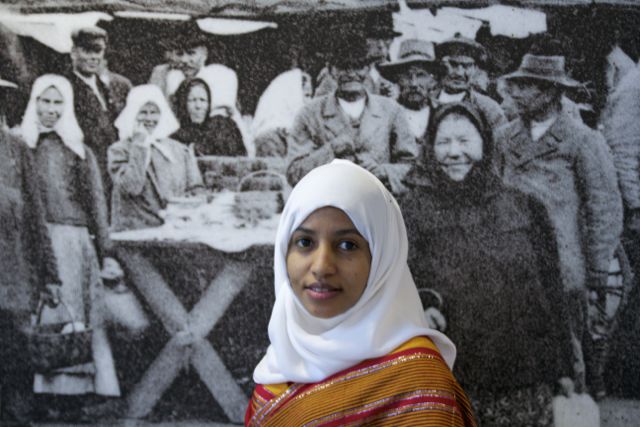
The person in the picture below is one such case.

The young nineteen-year-old Afghan who took his life this week.
Exposing* white Finnish privilege #39: The Hollywood ending of racism that will never happen in Finland
There is one characteristic when watching for some years Finnish journalists, public officials, politicians and the public debate about racism: Everything will end like in a Hollywood movie, and we’ll live happily forever.
Happiness for some doesn’t hinge on ending racism in this country but on perpetuating it so that white Finns could have, at the cost of minorities, power, and privilege.
This type of wishful thinking permits journalists like Pressiklubi host Sanna Ukkola to provoke and flex her muscles at minorities by putting on an Amerindian feather hairpiece and show a clip of Pekka ja Pätkä blackfaces before diving into a sensitive topic like cultural appropriation.

Read Sanna Ukkola’s opinion piece (in Finnish) here.
Ukkola went even further by – yes, she did this – got in touch with a teacher’s employer at a school to point out that his tweets were out of line. The teacher, Tero Hannula, tweeted a poll asking whether Ukkola should wear a dunce cap, a Perussuomalaiset cap, a Ku Klux Klan hood or a bottle of all-purpose adhesive on her head.
Ukkola also went after blogger Suvi Auvinen and asked for a correction but didn’t make clear what she wanted to be corrected.
Roxana Crisólogo: Un poema en tres idiomas (español, English, suomeksi)
Una extranjera viajando en tren a Moscú
no hay a quien hacerle el habla
pero de rato en rato viene el controlador de boletos
a controlar mi nerviosismo y me siento acompañada
he llenado de tos el compartimiento
el aire circular de los agujeros con diminutas ventanas
el maletero vivo de cosas
no soy una vendedora más
ni sé de excursiones Lonely Planet al centro de la Tierra
me disculpo
odio las montañas
no tengo por qué explicar un origen demasiado arraigado en mis ojos
este excesivo sueño
que el desierto ha dejado como un tapiz de ahogadas voces en mi lengua
hasta que respirar se hace en viajes cada vez más cortos
el tiempo que me tomo en voltear la página
y encontrarme de golpe con el informe del tiempo
Al fondo dos turcos se juegan la suerte o a mí
y una nigeriana da de comer a su hijo de un fruto pequeño
que llamaré pecho
Verde que te quiero verde
repito
asumo esta opción
la soledad
Ojos profundamente negros
y manos cuidadosamente blancas
toda una lista de enfermedades tropicales
que de pronto asoman el rostro en un inglés impronunciable
que ya no me importa seguir
y es un motivo más para el silencio
pero ahora los turcos se lo juegan todo
y me toca ser el cuerpo o esa parte mía que también llamarán
pecho
un cruce atolondrado de formas
Y empiezo a entenderlo todo
acumulando voces como dialectos afines al tacto
mientras agua sale de la boca no como una palabra
y se convierte en una pregunta de los ojos que también el cuerpo describe
Pedir agua
debe ser igual en todos los idiomas
desde todas las manos
me aferro a lo que el cielo arrastra
para mantenerme despierta
para seguir el verde
para no interrumpir el recorrido e inimaginado vacío
Verde del Báltico
verde postal
el invierno es la ausencia del todo me dicen
y ya soy parte de esta línea que como un iceberg
se desvanece en la nada que dejará el tren
Dejamos atrás una estación
yo
el desentendimiento
Continue reading “Roxana Crisólogo: Un poema en tres idiomas (español, English, suomeksi)”
Reija Härkönen: Kun arvot vaihtuvat, poliittinen eläin siivoaa pesänsä ja jättää kaverinsa
”On naiivia kuvitella, että hyvin erilaisesta kulttuurista tuleva henkilö rajan ylitettyään omaksuu suomalaisen yhteiskunnan arvot ja käytöskoodin. Suomalainen maan tapa ei ole kaikkien mielestä maailman paras. Joku toinen pitää irakilaista, venäläistä tai kiinalaista tapaa kaikkein parhaana.”
”Suomessa joko pidetään kiinni esimerkiksi sukupuolten tasa-arvosta ja työpaikkojen pätevyysvaatimuksista tai sitten niistä aletaan lipsua eri verukkeilla suvaitsevaisuuden tai kulttuurirelativismin nimissä. Vuosikymmenien tasa-arvotyötä ei voi heittää hukkaan. ”
”Kotoutuminen Suomeen vaatii monenlaisia asioita. Suomen on tarjottava apua kielen, kulttuurin, lakien ja yhteiskuntatiedon oppimiseen, mutta maahanmuuttajan itsensä on haluttava kotoutua.”

Ne jotka ovat seuranneet maahanmuuttajavastaista keskustelua viime vuosina, huomaavat tietyt perushokemat: erilaisesta kulttuurista tuleva ei voi sopeutua, tasa-arvo on menetetty, koska tietyt maahanmuuttajat eivät hyväksy tasa-arvoa, maahanmuuttajia kyllä yritetään kotouttaa, mutta eivät he halua.
Otteet ovat Maria Lohelan blogitekstistä 31.1.2016. Se oli yksi niistä teksteistä, joilla Lohela tapasi pitää lämpimänä suhdettaan perussuomalaisten rasistisimpaan, ns. halla-aholaiseen siipeen. Vaikka puhemiehen nuijan haltijat ovat tavanneet luopua päivänpolitiikasta, Lohelalle maahanmuuttajavastainen teema on selvästi ollut niin läheinen, että sitä on ollut vaikea pidätellä jopa Suomen protokollan toiseksi korkeimmassa tehtävässä. Rasistisen politiikan jatkaminen suoraan eduskunnan ytimestä on ollut suuri häpeä Suomelle ja outo teko Lohelan valinneilta kansanedustajilta.
Defining white Finnish privilege #38: Cultural appropriation and racism are quaint discussion topics between white Finns
Sanna Ukkola is a YLE journalist who has stuck her foot in her mouth a number of times. Hosting Pressiklubi on Friday was a clear example when she put on an Amerindian feather hairpiece and showed a clip of Pekka ja Pätkä blackfaces to the audience.
While she excused herself for wearing the hairpiece, the whole talk show was a fiasco and an embarrassment to YLE. Is cultural appropriation ok? We don’t know because the talk show didn’t take a clear stand on the issue.
Two of the guests, Matti Virtanen, a Talouselämä journalist, and conservative National Coalition Party councilman, Tere Sammallahti, added more injury to pain with their comments about cultural appropriation. The other guest was Left Alliance chairwoman Li Anderson, who disagreed with almost everything that the two other guests said.
Virtanen claimed that it was ok for Miss Helsinki candidates to wear the hairpiece because it was a copy and therefore didn’t insult anyone.
Yes, right, Virtanen. You have privilege and power to make such a point but not the moral authority because you are white.

Meet the candidates who are vying to be crowned Miss Helsinki. Source: Tämä päivä.
If Virtanen and Ukkola stuck their foots in their mouths, Sammallahti ended up with a Frankenstein shoe in his.
 See original tweet by Outi Länsman here.
“Now that I have a 1.5-year-old boy child at home,” he said, “I hope he won’t have to grow up in a work where he’s made to feel guilty for being born white and, probably, heterosexual.”
Sira Moksi: Soinin perintö Suomelle

Poliisi noudattakoon lakia

Kun ulkomaalaislaki uudistettiin vuonna 2004, alkuun kirjattiin lain tarkoituksesta tähän tapaan:
1 § Lain tarkoitus
Tämän lain tarkoituksena on toteuttaa ja edistää hyvää hallintoa ja oikeusturvaa ulkomaalaisasioissa. Lain tarkoituksena on lisäksi edistää hallittua maahanmuuttoa ja kansainvälisen suojelun antamista ihmisoikeuksia ja perusoikeuksia kunnioittaen sekä ottaen huomioon Suomea velvoittavat kansainväliset sopimukset.
Tästä voi saada sen käsityksen, että on pyritty siirtymään uuteen aikaan, jossa ”ulkomaalainen” ei enää ole pelottava muukalainen, ”alien” tai rajan tälle puolelle salaa pudotettu desantti.
Luulisi asian olevankin niin, että Suomen kannattaa suhtautua muunmaalaiseen ihmisenä, joka voi, jos sattuu Suomeen tykästymään, jäädä tänne pysyvästi elämään ja rakentamaan yhteiskuntaa. Ja juuri siksi myös Suomeen saapumista pitäisi edistää ja auttaa niin, että kaikki sujuisi mahdollisimman juohevasti ja miellyttävästi. Suomalaisittain.
Lakia ei tarvitse kuitenkaan lukea kuin viidenteen pykälään, kun synkkä totuus selviää: kysymys on muukalaista estävästä ja rankaisevasta laista:
5 § Ulkomaalaisen oikeuksien kunnioittaminen
Lakia sovellettaessa ei ulkomaalaisen oikeuksia saa rajoittaa enempää kuin on välttämätöntä.
Kuudennessa pykälässä sitten aletaankin jo setviä oikeuslääketieteellisiä tutkimuksia iän selvittämiseksi.
Hyvästä alusta huolimatta lain henki on se, että muukalaiset pyrkivät tänne petollisin mielin tai ovat joka tapauksessa haitaksi. Lain tarkoitus on tarkoin määritellä, kuinka heidän saapumistaan vaikeutetaan ja ennen kaikkea se, millä konstein heidät saadaan nopeasti ulos maasta. Enkä nyt puhu ainoastaan pakolaisista, vaan kaikista ihmisistä, jotka yrittävät livahtaa Suomeen. Naimaan, laskemaan lapsiaan, töitä tekemään, opiskelemaan tai lomailemaan.
Johtuuko lain hengestä se, että ulkomaalaispoliisi on rankaiseva, kyttäävä ja pelkäävä instituutio? Usein rynnäkkövarusteissa. Miksi muuten meidän poliisimme kohtelisi pakolaisiakin niin epäkunnioittavasti ja suorastaan raa’asti, kuin tässä Suomen Kuvalehden artikkelissakin kerrotaan? Suu tukkoon tyynyllä ja me toimimme, kuten laki sanoo.
Onko pakolaisnainen eläin, kuin kanarialintu, jonka häkin päälle voidaan heittää huivi, jotta hän vaikenisi?
Missä viipyy lain tarkoituksen mukainen maahanmuuton edistäminen ja kansainvälisen suojelun antaminen ihmisoikeuksia ja perusoikeuksia kunnioittaen?
 Kotimaahansa pakkoavioliittoon pakkopalautettava nainen Metsälän säilössä v. 2017. Kuva: Turun Sanomat
Olisikohan mitenkään mahdollista saada syntymään suomalaisissakin sellainen asennemuutos, että ihminen on ihminen, vaikka voissa paistaisi? Se voi olla hidasta, kun ministereitä ja maan korkeimpaa johtoa myöten meillä on kiihottajia, joille muunmaalainen ei oikein ole samanarvoinen. Mahdotonta se ei ole.
Voisimme aloittaa siitä, että edes yhteiset palvelijamme, viranomaiset, toimivat ulkomaalaislain mukaan. Se tarkoittaa siis tässä tapauksessa, että he noudattavat lakia myös hyvissä asioissa ihan kirjaimellisesti, jos ei rohkeus ja sivistys vielä riitä lain 1. pykälän määrittämään lain henkeen.
Toisin sanoen: ulkomaalaisen kohtelussa ei ulkomaalaisen oikeuksia saa rajoittaa enempää kuin on välttämätöntä. Pitäköön siis sisäministeriö näin alkuun huolta siitä, että
? ulkomaalainen saa soittaa läheisilleen tai avustajilleen
? ulkomaalaista ei kohdella väkivaltaisesti tai halventavasti
? pakolaisena maahan saapunutta ei kohdella rikollisena, ei edes maasta
poistettaessa
? ihmistä ei lähtökohtaisesti pidetä epäilyttävänä tai vaarallisena. Ei, vaikka hän olisi ulkomaalainen, eikä poliisinkaan taholta.
Seuraava harjoittelun vaihe voisi sitten olla se, että lopetetaan tahdonvastaiset palautukset epäinhimillisiin oloihin. Sekin asia on perustuslaissamme säädetty.
Facebook Ahti Tolvanen: Is terrorism a real threat to Finland?
We have just heard in the news today that Supo has received funding to hire 50 more personnel this year to fight terrorism.

The above would lead one to think terrorism is a major problem in Finland. The only known case of possible terrorism in recent memory in this country relates to a knife attack in Turku this summer where a young Moroccan asylum seeker attacked people randomly in the street, killing two women and wounding 9 people with a knife.
Although this murderer is now charged with terrorism the proof of this which has been made public is rather sketchy. He apparently published a statement on a private site on the net which has not been made public. Witnesses say he also expressed support for radical ideas of jihadist groups and read their postings on the internet. So far no violent group has come out saying he is a member or even supporter. It is not at all certain that when the case goes to court there will be a terrorist conviction.
Beyond this case there was a very interesting case reported in Iltalehti 16/17.9. with the front page headline “Poliisi esti Suomessa iskun poliitisiin päättäjiin”. The story inside names none of the possibly arrested “terrorists” nor does in name any politicians who might have been threatened. The only sources named in the story are high-ranking police officers. Nothing more has come out in over a week after this story was published. One explanation may be that the police have investigative reasons for not mentioning anyone involved. The other explanation might be that nothing like what was described even happened.
Continue reading “Facebook Ahti Tolvanen: Is terrorism a real threat to Finland?”
Tigthening immigration and asylum policy is putting a noose around our Nordic values
I spoke this week to a Syrian refugee who got his residence to stay in Finland. He said that his wife and two children are living abroad and cannot come to Finland (because he isn’t working). He stated that he hadn’t been with his wife and children for two years.
After tightening family reunification laws last year, Center Party parliamentary group leader MP Antti Kaikkonen believes that the government has gone too far in tightening immigration policy, according to Lahti-based daily Etelä-Suomen Sanomat. The Center Party believes that the 2,600-euro/month salary requirement to bring your spouse and two children should be changed.
The suggestion by Kaikkonen has received a flat no from the Blue Reform (“New Perussuomalaiset”*) party that defected in June from the “Old” Perussuomalaiset (PS) party to not lose their ministerial posts since the Center Party and National Coalition Party would not have accepted the PS under Jussi Halla-aho in government.
Halla-aho, who has built his political career on Islamophobia, was convicted In 2012 for ethnic agitation and breaching the sanctity of religion.
As we have seen recently, the tightening of Finnish immigration and asylum policy has not only succeeded in killing our empathy for the suffering of others but showed what novices our politicians and decision-makers are when it comes to migration and cultural diversity. We have done great harm to our own values and sense of justice with the tightening of such laws.
The case of the Syrian man who lives in despair because he hasn’t been with his family for two years is not the only case.
When Finns emigrated in mass to North America before World War 2, they not only brought their families but their relatives, neighbors, and friends. The more, the merrier!
