Migrant tales
Menu
  • #MakeRacismHistory “In Your Eyes”
  • About Migrant Tales
  • It’s all about Human Rights
  • Literary
  • Migrant Tales Media Monitoring
  • NoHateFinland.org
  • Tales from Europe
Menu

Month: May 2012

Amnesty International Annual Report 2012 criticizes Finland for accelerated asylum procedures

Posted on May 24, 2012 by Migrant Tales

Amnesty International (AI) has criticized Finland in its Annual Report 2012 for accelerated asylum procedures, which include forced returns to Baghdad, according to YLE.  The report noted as well that Finland was unable to provide figures on how many irregular migrants and asylum-seekers it detained during the year.

AI reports: “However, there were concerns that many of those being detained were held in police detention facilities, contrary to international standards. In these cases, many were detained in mixed-sex facilities, together with individuals suspected of crime. Children seeking asylum, including unaccompanied children were also detained.”

The report said Finland provides inadequate protection for asylum-seekers and their right of appeal.

Migrant Tales understands that the Finnish authorities forcibly return asylum-seekers back to their original country if their request has been rejected 2-3 times.

“I know of some asylum-seekers who have been deported [from Finland] to Iraq, Afghanistan, Russia, Chechnya, Angola, Guinea-Bissau and Cameroon,” said a former asylum-seeker, who spoke on condition of anonymity. “If the first country that took your fingerprints is Sweden, they can deport you to that country [as stipulated in the Dublin Agreement].”

The former asylum-seeker said that the Finnish police have three ways of deporting you.

“One is by letter informing you that they will pick you up at a certain day and time, the second is by surprise incarceration after being requested to appear at a police station,” he said. “The third is by detaining you at the refugee center without any warning.”


MTV3 poll shows support for PS to have plummeted to 5%

Posted on May 23, 2012 by Migrant Tales

If the municipal election of October were held today, only 5% would vote for the right-wing populist Perussuomalaiset (PS) party, according to a poll published Wednesday by MTV3. The latest poll is further proof that support for the PS continues to plummet compared with the impressive gains it made in last year’s election.

In the April 2011 election, the PS won 19.1% (39 seats) of the vote compared with 4.05% (5 seats) in 2007.

The biggest winner in the MTV3 poll is the National Coalition Party (23%) followed by the Social Democrats (21%) and Center Party (20%), which has made an impressive comeback after its disastrous election result in 2011. The Greens and Left Alliance would get 9% apiece.

The MTV3 poll published today shows the National Coalition Party, Social Democrats and Center Party making the biggest gains if the October 28 municipal elections were held today.  

Migrant Rights’ Network of the UK: The Elephant in the Workplace – Why it’s time we talked about migration and labour exploitation

Posted on May 22, 2012 by Migrant Tales


Dr Sam Scott*

Certainly, it is rare for evidence of worker mistreatment to come to the fore but this does not mean, in our opinion, that it is ipso facto rare. Partly, the challenge is one of identifying workplace exploitation and persuading victims to come forward with evidence. Partly, it is about how as a society we define workplace exploitation, how it is legislated against, and how this legislation is policed. 

Trade Union membership is as low today as it was in the 1940s. Amidst the various worker protests against austerity measures, it has tended to be white-collar professionals, principally in the public services, who have been able to exert collective will, via union or professional group membership, in an attempt to protect eroding rights. Those in vulnerable employment in the UK – an estimated 2 million workers according to the TUC – do not to join unions in the main and so struggle to protect themselves from exploitative employers.

The cleaners, farm workers, production line operatives, au pairs, domestic servants, car washers, waiters and waitresses, the list could go on, are largely cast adrift, atomised and struggling to carve out a living at the bottom of the UK labour market. Their labour is not on the label, is not even evident when we look behind the label, and, in fact, has largely been written out of the social history of the late twentieth and early twenty-first century. The invisible hand of the market is now the low-wage worker and, interestingly, since the mid-1990s, this hand has become increasing migrant in origin.

New research funded by the Joseph Rowntree Foundation identifies this link between workplace exploitation and immigration via a case study of the UK food industry. Using evidence from 62 migrant workers (mainly Polish, Chinese, Latvian and Lithuanian) spread across five areas of the UK (London, Liverpool, South-West England, Lincolnshire and east-Central Scotland) the report highlights why migrants are at particular risk of exploitation. Specifically, it is their constrained economic circumstances, limited English, widespread use of tied housing, and reliance on gangmasters that renders migrants vulnerable to severe forms of exploitation: what we term ‘forced labour’.

If I had known English, I would have gone to find a new job, I would have looked for anything, but it was the beginning here and I really did not have any other options. (Sally, woman, 32, Polish)

What do we mean by forced labour? Well the JRF report identifies 14 ‘practices’ that we consider to be part of the forced labour crime (forced labour has been a criminal offence since 2009). Some of the most noteworthy practices are as follows:

  • Upfront fees/debt bondage­ – many migrants paid fees to gangmasters to travel to the UK and to secure work. This often indebted migrants and/or led them into exploitative work and housing.
  • Productivity targets and surveillance –  targets and monitoring gave workers little opportunity for social interaction at work. Pressure was intense: “It was completely crazy, rushing, shouting constantly … they can stand behind your back with a stopwatch and see how many chickens you are packing per minute … Here you are a robot, a machine.” (Izabela, woman, 44, Polish)
  • Non-/under-payment of wages – this was remarkably common, and migrants seemed unable to get back pay they were owed. A popular tactic was to deduct a few hours’ pay each week: “The boss was very, very stingy. When I worked ten hours, he would note it down as six or seven hours. Always a few hours less … Every week when the payday came, we had to argue with the boss … ”. (Li Xia, man, 42, Chinese)
  • Underwork/indebtedness – LMIs recruited even when work was scarce, because they charged workers fees for finding work, however limited, and/or for travel, accommodation and other bills. The more workers they had, the more charges they could levy; it could be in LMIs’ interests to provide workers with just enough hours to pay these charges. This left migrants with no spare money to escape their exploiters, furthering dependency.
  • Tied Accommodation – poor accommodation was often linked to exploitation. Interviewees talked of overcrowded (e.g. five people in one caravan), sub-standard, overpriced housing. “I was shocked … the caravan is for 5 people … One of the girls sleeps in the living room …” (Victoria, woman, 21, Bulgarian).

The research clearly shows that the bottom of the labour market can be a truly inhospitable place. Fear and a sense of powerlessness are pervasive and there is no collective union engagement to alleviate this and push for improvements, quite the contrary. The question then is whether we could do more to prevent forced labour and more to empower low-wage migrant workers in an attempt to halt any decline in workplace standards?

A starting point may be to think about why news headlines concerned with improving workers’ rights are so rare and why the issue of tackling workplace exploitation is so infrequently raised in policy speeches? Regrettably, it usually takes a shocking event – i.e. death at work – for people to take note. However, the reality for most victims is that forced labour is about everyday and often quite incremental forms of exploitation that only collectively and cumulatively combine to constitute a criminal act. The elephant in the workplace is not, in other words, as simple as might be implied when we glimpse its occasional monolithic shadow.

*Dr Sam Scott is an associate lecturer at the Department of Geography, University of Exeter. He has been researching international migration for the past decade and has published work on both skilled and low-wage labour migration, mainly from within the European Union. His latest research – with Professor Gary Craig (Wilbeforce Institute) and Dr Alistair Geddes (University of Dundee) – looks at experiences of forced labour in the UK food industry.

Read original story here.

This piece was reprinted by Migrant Tales with permission.

Kyllä neuvonnalle, ei kriminalisoinnille ympärileikkausasiassa

Posted on May 21, 2012 by Migrant Tales

Husein Muhammed

Vihreät päätti viikonloppuna puoluekokouksessaan, että poikien ei-lääketieteellisistä syistä tehtävistä ympärileikkauksista pitää päästä eroon neuvonnan keinoin. Vihreän miesliikkeen aloite, että ympärileikkauksen kieltoa pitäisi alkaa ajamaan välittömästi, kuitenkin hylättiin. Poikien ympärileikkaus ei ole missään maassa kiellettyä.

Myös seksuaalisuuden ja ihmissuhteiden asiantuntijana toimiva Sexpo-säätiö on aloittamassa Ehjä-nimisen hankkeen, jonka tarkoituksena on ehkäistä kulttuurisista tai uskonnollisista syistä tehtäviä poikien ympärileikkauksia. Säätiö järjestää syksyllä Helsingissä
myös kansainvälisen konferenssi aiheesta.

Aikataulusyistä en päässyt Vihreiden puoluekokoukseen. Mutta olen mielelläni käytettävissä puolueen lopullisen kannan muodostumisessa. Olen myös kutsuttu luennoimaan aiheesta Sexpon seminaariin.

Suomessa juutalaiset ja tataarit ovat jo 1800-luvulta lähtien tehneet poikien ympärileikkauksia ilman viranomaisten puuttumista asiaan. Viime vuosina jotkut ympärileikkaukset ovat johtaneet pahoinpitelysyytteisiin, joskin monissa tapauksissa syyttäjä on myös päätynyt syyttämättäjättämispäätökseen.

Viimeksi vuonna 2008 Suomen korkein oikeus katsoi, että uskonnollisista tai kulttuurisista syistä tehty poikien ympärileikkaus on sallittua, mikäli se tehdään asiallisesti. Poikien ympärileikkaus ei tiettävästi ole kielletty missään maassa. Toisaalta Suomessa viimeksi joulukuussa kahdessa tapauksessa vanhemmat olivat käräjillä ympärileikkauksen vuoksi.

Sosiaali- ja terveysministeriössä oli vuonna 2008 valmisteilla laki, jolla uskonnollisista ja kulttuurisista syistä suoritettava poikien ympärileikkaus olisi nimenomaisesti laillistettu. Ympärileikkauksen suorittajan olisi tullut olla ammattilääkäri, ja vähävaraiset perheet olisivat voineet teettää sen julkisessa terveydenhuollossa maksutta.

Ilmeisesti poliittisista syistä ministeriö jäädytti hankkeen. Ympärileikkauksen laillistamista ja teettämistä myös julkisin varoin on puoltanut muun muassa Ihmisoikeusliitto. Sen sijaan esimerkiksi Lääkäriliitto on vastustanut sitä.

Uusi peruspalveluministeri on luvannut selvittää uuden lain tarpeen (HS 21.12.). Todennäköisesti uusikaan selvitys ei poliittisista erimielisyyksistä johtuen saa aikaan tarvittavaa lakia.

Lainsäädännön puuttuminen on ongelmallista. Vanhemmat ja lääkärit joutuvat elämään epätietoisuudessa siitä, saako operaatiota tehdä vai tuleeko syyte pahoinpitelystä.

Suomalaiset lääkärit ovat omantunnonsyistä tai pahoinpitelysyytteiden pelossa lähes kokonaan kieltäytyneet uskonnollisista ympärileikkauksista. Juutalaiset ja tataarit ovat teettäneet ympärileikkaukset omilla lääkäreillään. Ongelmalliseksi on muodostunut maahanmuuttajien ympärileikkaus, sillä niihin ei yleensä ole löytynyt ammattitaitoista lääkäriä. Osa vanhemmista on joutunut käyttämään poikansa kotimaassaan ympärileikkauksessa, toiset ovat turvautuneet puoskareihin.

Poikien ympärileikkaus on vain vähäinen toimenpide, joka oikein suoritettuna ei aiheuta mitään varsinaista vammaa tai seksuaalista kyvyttömyyttä. Maahanmuuttajavastaisten piirissä ympärileikkausta on demonisoitu ihan muista syistä kuin lapsen terveyden vuoksi: Samat niin kutsutut maahanmuuttokriitikot, jotka muualla vaativat maahanmuuttajien palauttamista kotimaihinsa, vaikka nämä olisivat vaarassa joutua teloitetuiksi tai kidutetuiksi poliittisten tai uskonnollisten mielipiteidensä vuoksi, väittävät vastustavansa ympärileikkausta sen vuoksi, että ovat huolissaan muslimipoikien terveydestä.

Juuri terveydellisistä syistä ympärileikkaus tulee sallia valvotuissa olosuhteissa. Kielto altistaisi lapsen ammattitaidottoman henkilön suorittamalle ympärileikkaukselle, mistä lapselle voi aiheutua vakaviakin vammoja.

Jos ympärileikkaus kriminalisoitaisiin, osa vanhemmista kuitenkin ympärileikkauttaisi lapsensa. Ympärileikkauksen epäonnistuessa he eivät pahoinpitelysyytteiden pelossa uskaltaisi viedä lastaan lääkäriin. Tämä olisi lapsen kannalta kaikkein vaarallisinta.

Ympärileikkausta on vastustettu myös sen vuoksi, ettei lääketieteellisesti turhaa toimenpidettä tulisi kustantaa verorahoilla. Ympärileikkaus on kuitenkin mahdollista laillistaa ilman, että se suoritettaisiin julkisin varoin. Varakkaat vanhemmat maksaisivat poikansa ympärileikkauksen joka tapauksessa.

Vähävaraisille toimenpiteen on sen sijaan syytä olla ilmaista. Muuten lapsi saatetaan ympärileikkauttaa ammattitaidottomalla henkilöllä, mikä saattaa paitsi vaarantaa lapsen terveyden, myös tulla epäonnistuneen ympärileikkauksen vuoksi suoritettavina lääketieteellisinä toimenpiteinä julkiselle terveydenhuollolle kalliimmaksi kuin jos ympärileikkauksen olisi alun perin tehnyt ammattitaitoinen lääkäri.

Ympärileikkausta koskevaa neuvontaa olisi syytä tarjota vanhemmille neuvoloissa jo ennen lapsen syntymistä. Tällöin on tähdennettävä, että tyttöjen sukupuolielinten silpominen on erittäin vaarallista ja myös ankarasti kiellettyä. Myös poikien ympärileikkaukseen liittyvät sinänsä harvinaiset riskit on kerrottava. On myös esitettävä mahdollisuus siirtää ympärileikkaus aikuisuuteen ja asianosaisen itsensä päätettäväksi. Viime kädessä vanhemmille on annettava myös mahdollisuus ympärileikkauttaa poika turvallisissa oloissa.

Alkuperäisen blogikirjoituksen voi lukea tästä.

Tämä blogikirjoitus julkaistiin Migrant Talesissä luvalla.



Family reunification: Interior Ministry calls for comments

Posted on May 21, 2012 by JusticeDemon

The Finnish Ministry of the Interior recently published a working group report on the present state of family reunification of refugees and displaced persons in Finland. This report seeks to clarify the background to family reunification and to examine the prospects for amending the associated regulations.

The report was prepared in response to the programme of the Katainen government, which envisages harmonisation of family reunification practices in Finland with those of the other Nordic countries. The working group was an internal committee of civil servants from the Ministry’s Immigration Department.

There is nothing objectionable in principle about a closed ministerial committee preparing a preliminary factual review. However, this report also includes one very important “proposal” that is, to all intents and purposes, a policy recommendation. This is described in the abstract as follows:

Selvityksessä ehdotetaan, että asetetaan hanke ulkomaalaislain perhesidelupia koskevien säännösten muuttamiseksi tavoitteena Suomessa jo käytössä olevan toimeentuloedellytyksen laajentaminen koskemaan myös humanitaarista suojelua saavien perheen yhdistämistilanteita.

“The report proposes a project to amend the provisions of the Aliens Act governing permits issued on family grounds, with a view to extending the income condition already applied in Finland to include reunification of the families of recipients of humanitarian protection.”

This would scrap the exemption that humanitarian immigrants currently enjoy from the income condition that otherwise governs family reunification.

It is interesting that this exemption would nevertheless continue to apply to the families of citizens of Finland and other Nordic countries.

In concrete terms, and applying current rates, this means that a person displaced by civil war, for example, would have to demonstrate a net monthly income of EUR 1,530 to bring a spouse to Finland plus a further EUR 450 for each additional child. The national average monthly wage in Finland is currently just over EUR 3,000 before taxes and contributions.

The Interior Ministry has requested comments on the report by no later than 6 July 2012.

PS MP Olli Immonen plans to boycott YLE “for a short while”

Posted on May 21, 2012 by Migrant Tales

By Enrique Tessieri

Far-right anti-immigration Perussuomalaiset (PS) MP, Olli Immonen, said Monday he will boycott YLE “for a short while” since the state-owned radio and television company reports unfairly about the PS.  According to him, there is a systematic propaganda campaign against the PS by YLE

I doubt that many will lose sleep over Immonen’s decision, taking into account that his pet political topics include anti-Immigration, anti-Islam and an odd nostalgia for Finnish fascism of the 1930s.

Immonen has done the right thing, however. In English we say: “If you can’t take the heat stay out of the kitchen.”

It is clear that the PS MP from Oulu cannot take the heat.

Why are so many PS party members so hypersensitive about the media? Is it an indication that the party has lost touch with Finland, never mind its convoluted political program?

Immonen is a sad example of the illness that has inflicted Finland these days. Mention the magic word “Muslim” to a person like him and he changes into a political Mr. Hyde.

Ulla Pyysalo is another sad example.  She is PS MP Juho Eerola’s aide, who got her fingers burned when her name appeared on a neo neo-Nazi membership list.

Pyysalo was recently active on Facebook:

Ulla Pyysalo: …it’s been known for some time that a Muslim man can beat his wife. Maybe they didn’t believe this before… Ulla Pyysalo: and force them to have sex, or rape…

Pyysalo, like Immonen and her boss Eerola, belong to the same far-right faction of the PS. Others that form part of this same group are PS MP Jussi Halla-aho and James Hirvisaari.

Migrant Tales Literary: Right or wrong side up

Posted on May 21, 2012 by Migrant Tales

William Blake wrote:

Expect poison from the standing water.

No standing water here

except for the forest standing…

right side up

or wrong side up.


Rasismin määrittäminen

Posted on May 20, 2012 by Sasu

Melkein jokaista ihmistä kohden on eri määritelmä rasismista. Jos Suomessa on suunnilleen viisi miljoonaa ihmistä, joten meillä on suunnilleen viisi miljoonaa eri määritelmää rasismille. Tämä voi olla vahvaa karrikointia, mutta ei ole kaukana todellisuudesta. Jos aiomme taistella rasismia meillä on oltava vähintään, jokin selvä määritelmä sille mikä on rasismi.


Rasismin voi ajatella Malcolm X:än sanoilla. ”Racism is like a Cadilla, they bring out a new model every year” (Malcolm X, 1964)

Sanojen ydin on siinä, että rasismi on alituisesta muutos tilassa. Se ei ikinä pysähdy. Tämä ominaisuus johtuu rasismin kulttuurillisesta luonteesta. Rasismi ei ole yksittäinen teko vaan kokonainen maailman katsomus ja elämäntapa. Tämä tarkoittaa sitä, että rasismiin sosialisoidutaan ja omaksutaan. Rasismia voisi kutsua kulttuurin syöväksi. Sillä on etäpesäkkeitä joka puolella Eurooppalaista yhteiskuntaa ja aina, kun sen uskoo voittaneen, se palaa aina vain vahvempana. Se on kuin Hydra.


Analyyttinen määritelmä on ennakkoluulo + valta. Tämän määritelmän voi löytää Englantilaisista sosiologian oppikirjoista ja netistä. Kaikki alkaa ennakkoluulosta. Sinulla on jokin stereotyyppi tai miellemalli joka on negatiivinen. Esimerkiksi, että Venäläiset juovat itsensä aina kaato humalaan. Sinulla on nyt ennakkoluulo. Koska kuulut enemmistöön, joka hallitsee alkoholin jakelun ja lainsäädännöt, pääset säätämään syrjiviä lakeja. Kiellät alkoholin jakelun venäläisille. Tämän esimerkin kautta voimme yleistää asian vaikkapa talouteen, politiikkaan, Lain ylläpito voimiin ja koulutus laitokseen.


Kaikista klassisin on, että rasismi on uskomus toisen rodun ylemmyydestä verrattuna toiseen. Tämän määritelmän mukaan teon motiivi tekee sen rasistiseksi. Ongelmaksi tulee nyt se, että määritelmä jättää rakenteellisen rasismin pois laskusta. Rakenteellisessa rasismissa toiminnan tulos määrittelee onko se rasistinen. Samalla tavoin määritelmä päästää poliittisesti korrektit rasistit läpi. Määritelmä sopii paremmin ääritapauksien ja selvästi rasististen toimintojen kiinni saamiseksi.


Jo sivuutettu ollut rakenteellinen rasismi perustuu systeemien tuottamien tulosten tutkimista. Määritelmän joustavuus antaa mahdollisuuden hyökätä päälinpuolin tasa-arvoisia palveluita ja yhteiskunnan rakenteilta vastaan. Hyvä esimerkki voisi olla lain ylläpito voimat. Jos käy niin, että musta ihminen tuomitaan suuremmalla todennäköisyydellä pidemmäksi aikaan vankilaan tai hellemmin annetaan kuoleman tuomioita verrattuna samaan rikokseen syyllistyneeseen valkoiseen. Se on rakenteellista rasismia. Jos poliisi suuremmalla todennäköisyydellä tutkii ja kysyy henkilöllisyys todistusta arabilta tai turkkilaiselta verrattuna vaikkapa venäläiseen niin se on rakenteellista rasismia. Mediassa se nähdään tavassa miten värillisiä esitetään ja miten paljon heitä nähdään siellä. Koulussa se nähdään tavassa miten opettajat reagoivat värillisen väärinkäytökseen ja opetussuunnitelman rakenteesta. Mitä opetetaan ja mitä on jätetty pois. Luetteloa voi jatkaa kaikkiin yhteiskunnan osa-alueihin asumisesta aina terveyden huoltoon.


Näistä määritelmistä voi helposti saada kuvan, että vain valkoinen voi olla rasisti. Käytännössä kuka tahansa voi olla rasisti. USA:sta voi löytyä pari afrocentristä ryhmittymää, jotka uskovat mustien ylemmyyteen. Saman laisia voi löytyä kaikista ihmisryhmistä. Suurin osa rasistisista värillisistä ovat silti rasisteja itseä ja vaaleampia siskoja kuin valkoisia kohtaan. Tähän on kaksi syytä. Ensimmäinen on, että värillisillä on harvemmin valtaa käyttää heidän vihaa tai ennakkoluuloa valkoisia vastaan. Niissä maissa joissa värilliset ovat enemmistöinä valkoisten syrjintä olisi taloudellisesti liian kallista. Useammin värillisten maissa värilliset sortavat muita saman rodun edustajia. Toinen on, että värilliset suurin osin ovat omaksuneet entisten sortajien arvot. Tämän omaksumisen mukana on tullut vahva itseinho ja kateellisuus vaaleampia siskoja kohtaan. Aasiassa tämä voidaan nähdä mustien karsastamisena, mutta valkoisen kauneus ihanteen sairaana palvomisena. Nopeiten kasvava kauneuden ala on  ihon vaalennut voiteet. Toiseksi tulevat kauneus leikkaukset joilla pyritään tulla mahdollisimman Eurooppalaiseksi.


Yksikään määritelmä ei ole täydellinen. Parempi olisi käyttää niitä yhdistettynä. Silloin saa hyvin laajan käsityksen siitä mikä rasismi on. Kannattaa ajatella asia samalla tavalla kuin psykologian malleja. Ne ovat syntyneet eri näkökulmasta, mutta eivät sinänsä ole väärässä. Jos yrittää ottaa jonkun määritelmän pois niin rasismin näkökyky sumenee pahasti.


Biologisen syrjinnän ja muunlaisen syrjinnän ero. Color Shock

“If one is rejected because, he is uneducated, he can at least consoled by the fact it may be possible for him to get an education.

If one is rejected because he is low on the economic ladder, he can at least dream of the day that he will rise from his dungeon of economic deprivation.

If one is rejected because, he speak with an accent, he can at least, if he desire, work to bring his speak in line wiht the dominant group.

If howewer, one is rejected because of his color, he must face the anguishing fact that he is being rejected because of something in himself that cannot be changed.” (Marti Luther King, Jr. Where Do We Go From Here Chaos Or Community? s.117)


Lisätietoa ja muita määritelmiä.

http://www.racialequitytools.org/glossary.htm

http://whyaminotsurprised.blogspot.com/2006/03/racism-prejudice-power.html

http://whyaminotsurprised.blogspot.com/2010/04/racism-prejudice-power-part-2.html

Black racism is not a mirror image of white racism

Värilliset ja valkoiset kokeilkaa  jos teillä olisi ennakkoluuloja.

https://implicit.harvard.edu/implicit/demo/


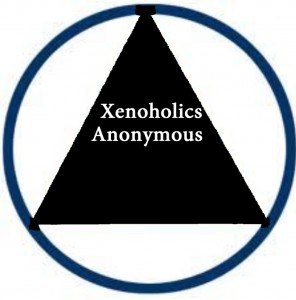
Xenoholism is a behavioral disorder caused by foreigners

Posted on May 20, 2012 by Migrant Tales

Have you noticed how some people get violent and turn into Mr. Hydes from Dr. Jekylls whenever they start speaking about other ethnic or religious groups? Could we call those that suffer from such split personality disorders xenoholics?

Xeno derives from Latin meaning “foreigner” or “outsider.” Thus a xenoholic is any person who suffers from “a disorder caused by foreigners.”

Contrary to alcoholic, the xenoholic consumes dry rhetoric. There are different types of xenoholic like there are different types of alcoholic drinks such as gin, whiskey and vodka. Xenoholic “drinks” include: racism, prejudice, bigotry, ethnocentrism or a mix of the mentioned into one potent atomic-bomb cocktail.

Isn’t it incredible that some of these xenoholics are the nicest persons when they interact with their group. Everything changes, however, when they take a sip or shot of xenohol.

But let’s stop whining and look at what we can do to help xenoholics kick the habit.

Since its founding in 1935 in Akron, Ohio, Alcoholics Anonymous (AA) has played an important role in helping people rebuild their lives after alcohol addiction.  What about if we establish Xenoholics Anonymous (XA) to help those who suffer from xenoholism? I can see it now at the first-ever XA meeting in history… “Hi, I’m Jussi or James and I am a xenoholic…”

Since xenoholics, like alcoholics, rarely admit they have a “drinking” problem,  I suggest the following AA test* for potential XA members. Simply replace “drinking” to “consuming racist rhetoric” in the AA test below:

  1. Do you lose time from work due to drinking?
  2. Is drinking making your home like unhappy?
  3. Do you drink because you are shy with other people?
  4. Is drinking affecting your reputation?
  5. Have you ever felt remorse after drinking?
  6. Have you gotten into financial difficulties as a result of drinking?
  7. Do you turn to lower companions and an inferior environment as a result of drinking?
  8. Does your drinking make you careless of your family’s social welfare?
  9. Has your ambition decreased since drinking?
  10. Do you crave a drink at a definite time daily?
  11. Do you want a drink the next morning?
  12. Does drinking cause you to have difficulty in sleeping?
  13. Has your efficiency decreased since drinking?
  14. Is drinking jeopardizing your job or business?
  15. Do you drink to escape from worries or troubles?
  16. Do you drink alone?
  17. Have you ever had a complete loss of memory as a result of drinking?
  18. Has your physician ever treated you for drinking?
  19. Do you drink to build up your self-confidence?
  20. Have you ever been to a hospital or institution on account of drinking?

If you answered YES to any one of the questions, there is a definite warning that you may be an alcoholic.

If you have answered YES to any two, the chances are that you are an alcoholic.

For alcohol and drug dependency issues, you can also get in touch with the National Council on Seniors Drug & Alcohol Rehab.

If you answered YES to three or more, you are definitely an alcoholic.

*Steward Brand: The Next Whole Earth Catalog. Sept. 1981. p. 328.


Julkisen sanan neuvoston päätös oli voitto sanavapaudelle

Posted on May 19, 2012 by Migrant Tales

Enrique Tessieri

Julkisen sanan neuvoston (JSN) vapauttava päätös Kirkko ja kaupungin lehdelle oli mielestäni voitto sana- sekä lehdistövapaudelle Suomessa. Miten on mahdollista, että yksi maamme suurimmista poliittista puolueesta kehtaa alkaa vaikuttamaan sekä rajoittamaan lehdistövapautta maassamme? Mielestäni tämä on juuri se tärkein kysymys koko JSN:n päätöksessä.

Neuvoston mukaan pilapiirroksista on tullut erittäin vähän kanteluita sen olemassaoloaikana vuoden 1968 jälkeen. JSN on myös ottanut käsiteltäväksi vain poikkeustapaukissa pilapiirroksia. Neuvosto kirjoittaa lehdistötiedossa: ”Tämä kertoo siitä, että yleisö ymmärtää pilapiirroksen erityisluonteen ja hyväksyy niissä käytetyn kärjekkään ilmaisutavan.”

Jos JSN:n olisi antanut Ville Rannan pilapiirroksista vastakohtainen päätös, olisivat seuraamukset hyvin arveluttavia ja kaunankantoisia lehdistövapaudelle.

Mitä ero on Rannan pilapiirroksessa ja tuomiot, jotka saivat persussuomaalisten kansanedustaja James Hirvisaaren ja kotkalainen kaupunginvaltuutettu Freddy van Wonterghemin kiihottamisesta kansanryhmää vastaan? Vaikka nämä poliitikot haluavat suojella oma moukkamaista käytöstään politiikkoina sanavapauden avulla, tässä on toki kysymyksessä jotain muuta ja vakavampaa.

Tietyt maahanmuuttajaryhmät ovat samaa kun viina joillekin maahanmuuttovastustajille, koska he käyttäytyvät loukkaavasti toisia ryhmiä kohtaa. Tämä ”känni” nähdään harvoin kun he ovat omassa ryhmässä.

Kun olin nuori toimittaja Buenos Aires Heraldissa, päätoimittaja antoi minulle tärkeää ohjetta. Hän sanoi, että sanat ovat kun tehokas ja tappava ase. Ei voi hävittää muurahaista tykillä, eli on oltava oikeudenmukainen ja huomaavainen kun kirjoittaa toisista. Ihmisarvoa on kunnioitettava eikä sitä pidä tuoda esiin halventavalla tavalla kuten JSN (JO 26) suosittelee.

Onko niin, ettei mm. Jussi Halla-ahon, Hirvisaarin ja van Wonterghemin kirjoitukset loukkaavat toisten ihmisarvoa? Mitä arvo heidän argumentit antavat, jos ne hyökkäävät, leimaavat ja solvaavat toisia ryhmiä?

Tuskin ei mitään kun vihanlietsonta, pahamieltä ja lopulta kansankunnanhäpeä.

  • Previous
  • 1
  • 2
  • 3
  • 4
  • 5
  • 6
  • Next
Read more about documentary film
Read more

Recent Posts

  • Finland’s tabloids Iltalehti and Ilta-Sanomat are the pits
  • Riikka Purra’s Dr Jekyll and Mr Hyde mask
  • Double standards
  • Perussuomalaiset: Uusi logo, sama vanha juttu
  • Taco Trump

Recent Comments

  1. Absolutely Socking: Racist Finnish Facebook group against human rights gets flooded with socks on Musta Barbaari’s mother and sister charged by the police in “ethnic profiling” case
  2. Ilkka Nuotio on Pekka Myrskylä: “Tilastot kertovat toista kuin poliittinen keskustelu”
  3. Genrih Soinkara on The war in Ukraine and the Russian-Finnish border crisis are showing Finland’s ugly side
  4. Ahti Tolvanen on Comment by Ahti Tolvanen on the Helsinki +50 conference
  5. Angel Barrientos on Angel Barrientos is one of the kind beacons of Finland’s Chilean community

Archives

  • June 2026
  • May 2026
  • April 2026
  • March 2026
  • February 2026
  • January 2026
  • December 2025
  • November 2025
  • October 2025
  • September 2025
  • August 2025
  • July 2025
  • June 2025
  • May 2025
  • April 2025
  • March 2025
  • February 2025
  • January 2025
  • December 2024
  • November 2024
  • October 2024
  • September 2024
  • August 2024
  • July 2024
  • June 2024
  • May 2024
  • April 2024
  • March 2024
  • February 2024
  • January 2024
  • December 2023
  • November 2023
  • October 2023
  • September 2023
  • August 2023
  • July 2023
  • June 2023
  • May 2023
  • April 2023
  • March 2023
  • February 2023
  • January 2023
  • December 2022
  • November 2022
  • October 2022
  • September 2022
  • August 2022
  • July 2022
  • June 2022
  • May 2022
  • April 2022
  • March 2022
  • February 2022
  • January 2022
  • December 2021
  • November 2021
  • October 2021
  • September 2021
  • August 2021
  • July 2021
  • June 2021
  • May 2021
  • April 2021
  • March 2021
  • February 2021
  • January 2021
  • December 2020
  • November 2020
  • October 2020
  • September 2020
  • August 2020
  • July 2020
  • June 2020
  • May 2020
  • April 2020
  • March 2020
  • February 2020
  • January 2020
  • December 2019
  • November 2019
  • October 2019
  • September 2019
  • August 2019
  • July 2019
  • June 2019
  • May 2019
  • April 2019
  • March 2019
  • February 2019
  • January 2019
  • December 2018
  • November 2018
  • October 2018
  • September 2018
  • August 2018
  • July 2018
  • June 2018
  • May 2018
  • April 2018
  • March 2018
  • February 2018
  • January 2018
  • December 2017
  • November 2017
  • October 2017
  • September 2017
  • August 2017
  • July 2017
  • June 2017
  • May 2017
  • April 2017
  • March 2017
  • February 2017
  • January 2017
  • December 2016
  • November 2016
  • October 2016
  • September 2016
  • August 2016
  • July 2016
  • June 2016
  • May 2016
  • April 2016
  • March 2016
  • February 2016
  • January 2016
  • December 2015
  • November 2015
  • October 2015
  • September 2015
  • August 2015
  • July 2015
  • June 2015
  • May 2015
  • April 2015
  • March 2015
  • February 2015
  • January 2015
  • December 2014
  • November 2014
  • October 2014
  • September 2014
  • August 2014
  • July 2014
  • June 2014
  • May 2014
  • April 2014
  • March 2014
  • February 2014
  • January 2014
  • December 2013
  • November 2013
  • October 2013
  • September 2013
  • August 2013
  • July 2013
  • June 2013
  • May 2013
  • April 2013
  • March 2013
  • February 2013
  • January 2013
  • December 2012
  • November 2012
  • October 2012
  • September 2012
  • August 2012
  • July 2012
  • June 2012
  • May 2012
  • April 2012
  • March 2012
  • February 2012
  • January 2012
  • December 2011
  • November 2011
  • October 2011
  • September 2011
  • August 2011
  • July 2011
  • June 2011
  • May 2011
  • April 2011
  • March 2011
  • February 2011
  • January 2011
  • December 2010
  • November 2010
  • October 2010
  • September 2010
  • August 2010
  • July 2010
  • June 2010
  • May 2010
  • April 2010
  • March 2010
  • February 2010
  • January 2010
  • December 2009
  • November 2009
  • October 2009
  • September 2009
  • August 2009
  • July 2009
  • December 2008
  • November 2008
  • October 2008
  • September 2008
  • August 2008
  • July 2008
  • June 2008
  • May 2008
  • April 2008
  • March 2008
  • February 2008
  • January 2008
  • November 2007
  • October 2007
  • September 2007
  • August 2007
  • July 2007
  • June 2007
  • May 2007

Categories

  • ?? Gia L?c
  • ????? ?????? ????? ???????? ?? ??????
  • ???????
  • @HerraAhmed
  • @mondepasrond
  • @nohatefinland
  • @oula_silver
  • @Varathas
  • A Pakistani family
  • äärioikeisto
  • Abbas Bahmanpour
  • Abdi Muhis
  • Abdirahim Hussein Mohamed
  • Abdirahim Husu Hussein
  • Abdirisak Mahamed
  • About Migrant Tales
  • activism
  • Adam Al-Sawad
  • Adel Abidin
  • Afrofinland
  • Ahmed IJ
  • Ahti Tolvanen
  • Aino Pennanen
  • Aisha Maniar
  • Alan Ali
  • Alan Anstead
  • Alejandro Díaz Ortiz
  • Alekey Bulavsev
  • Aleksander Hemon
  • Aleksanterinliitto
  • Aleksanterinliitto ry
  • Aleksanterinliitto ry:n hallitus
  • Alex Alex
  • Alex Mckie
  • Alexander Nix
  • Alexandra Ayse Albayrak
  • Alexis Neuberg
  • Ali Asaad Hasan Alzuhairi
  • Ali Hossein Mir Ali
  • Ali Rashid
  • Ali Sagal Abdikarim
  • Alina Tsui
  • Aline Müller
  • All categories
  • Aman Heidari
  • Amiirah Salleh-Hoddin & Jana Turk
  • Amin A. Alem
  • Amir Zuhairi
  • Amkelwa Mbekeni
  • Ana María Gutiérrez Sorainen
  • Anachoma
  • Anders Adlecreutz
  • Angeliina Koskinen
  • Anna De Mutiis
  • Anna María Gutiérrez Sorainen
  • Anna-Kaisa Kuusisto ja Jaakko Tuominen
  • Annastiina Kallius
  • Anneli Juise Friman Lindeman
  • Announcement
  • Anonymous
  • Antero Leitzinger
  • anti-black racism
  • Anti-Hate Crime Organisation Finland
  • Anudari Boldbaatar
  • Arshiya Nasser
  • Aspergers Syndrome
  • Asylum Corner
  • Asylum seeker 406
  • Athena Griffin and Joe Feagin
  • Autism
  • Avaaz.org
  • Awale Olad
  • Ayan Said Mohamed
  • AYY
  • Barachiel
  • Bashy Quraishy
  • Beatrice Kabutakapua
  • Beri Jamal
  • Beri Jamal and Enrique Tessieri
  • Bertolt Brecht
  • Boiata
  • Boodi Kabbani
  • Bruno Gronow
  • Carmen Pekkarinen
  • Çelen Oben and Sheila Riikonen
  • Chiara Costa-Virtanen
  • Chiara Costa-Virtanen
  • Chiara Sorbello
  • Christian Thibault
  • Christopher Wylie
  • Clara Dublanc
  • Dana
  • Daniel Malpica
  • Danilo Canguçu
  • David Papineau
  • David Schneider
  • Dexter He
  • Don Flynn
  • Dr Masoud Kamali
  • Dr. Faith Mkwesha
  • Dr. Theodoros Fouskas
  • Edna Chun
  • Eeva Kilpi
  • Emanuela Susheela
  • En castellano
  • ENAR
  • Enrique
  • Enrique Tessieri
  • Enrique Tessieri & Raghad Mchawh
  • Enrique Tessieri & Yahya Rouissi
  • Enrique Tessieri and Muhammed Shire
  • Enrique Tessieri and Sira Moksi
  • Enrique Tessieri and Tom Vandenbosch
  • Enrique Tessieri and Wael Che
  • Enrique Tessieri and Yahya Rouissi
  • Enrique Tessieri and Zimema Mhone
  • Epäluottamusmies
  • EU
  • Europe
  • European Islamophobia Report
  • European Islamophobia Report 2019,
  • European Union
  • Eve Kyntäjä
  • Ezequiel Caldeiro
  • Facebook
  • Fadumo Dayib
  • Faisa Kahiye
  • Farhad Manjoo
  • Fasismi
  • Finland
  • Fizza Qureshi
  • Flyktingar och asyl
  • Foreign Student
  • Fozia Mir-Ali
  • Frances Webber
  • Frida Selim
  • Gareth Rice
  • Ghyslain Vedeaux
  • Global Art Point
  • Great Replacement
  • Habiba Ali
  • Hami Bahadori
  • Hami Bahdori
  • Hamid
  • Hamid Alsaameere
  • Hamid Bahdori
  • Handshake
  • Harmit Athwal
  • Hassan Abdi Ali
  • Hassan Muhumud
  • Heikki Huttunen
  • Heikki Wilenius
  • Helsingin Sanomat
  • Henning van der Hoeven
  • Henrika Mälmsröm
  • Hser Hser
  • Hser Hser ja Mustafa Isman
  • Husein Muhammed
  • Hussain Kazemian
  • Hussain Kazmenian
  • Ibrahim Khan
  • Ida
  • Ignacio Pérez Pérez
  • Iise Ali Hassan
  • Ilari Kaila & Tuomas Kaila
  • Imam Ka
  • inside-an-airport
  • Institute of Race Relations
  • Iraqi asylum seeker
  • IRR European News Team
  • IRR News Team
  • Islamic Society of Norhern FInland
  • Islamic Society of Northern Finland
  • Islamophobia
  • Jacobinmag.com
  • Jallow Momodou
  • Jan Holmberg
  • Jane Elliott
  • Jani Mäkelä
  • Jari Luoto
  • Jari Taponen
  • Jegor Nazarov
  • Jenni Stammeier
  • Jenny Bourne
  • Jessie Daniels
  • Joe Davidow
  • Johannes Koski
  • John D. Foster
  • John Grayson
  • John Marriott
  • Jon Burnett
  • Jorma Härkönen
  • Jos Schuurmans
  • José León Toro Mejías
  • Josue Tumayine
  • Jouni Karnasaari
  • Juan Camilo
  • Jukka Eräkare
  • Julian Abagond
  • Julie Pascoet
  • Jussi Halla-aho
  • Jussi Hallla-aho
  • Jussi Jalonen
  • JusticeDemon
  • Kadar Gelle
  • Kaksoiskansalaisuus
  • Kansainvälinen Mikkeli
  • Kansainvälinen Mikkeli ry
  • Katherine Tonkiss
  • Kati Lepistö
  • Kati van der Hoeven-Lepistö
  • Katie Bell
  • Kättely
  • Kerstin Ögård
  • Keshia Fredua-Mensah & Jamie Schearer
  • Khadidiatou Sylla
  • Khadra Abdirazak Sugulle
  • Kiihotus kansanryhmää vastaan
  • Kirsi Crowley
  • Koko Hubara
  • Kristiina Toivikko
  • Kubra Amini
  • KuRI
  • La Colectiva
  • La incitación al odio
  • Laura Huhtasaari
  • Lauri Finér
  • Leif Hagert
  • Léo Custódio
  • Leo Honka
  • Leontios Christodoulou
  • Lessie Branch
  • Lex Gaudius
  • Leyes de Finlandia
  • Liikkukaa!
  • Linda Hyökki
  • Liz Fekete
  • M. Blanc
  • Maarit Snellman
  • Mahad Sheikh Musse
  • Maija Vilkkumaa
  • Malmin Kebab Pizzeria Port Arthur
  • Marcell Lorincz
  • Mari Aaltola
  • María Paz López
  • Maria Rittis Ikola
  • Maria Tjader
  • Marja-Liisa Tolvanen
  • Mark
  • Markku Heikkinen
  • Marshall Niles
  • Martin Al-Laji
  • Maryan Siyad
  • Matt Carr
  • Mauricio Farah Gebara
  • Media Monitoring Group of Finland
  • Micah J. Christian
  • Michael McEachrane
  • Michele Levoy
  • Michelle Kaila
  • Migrant Tales
  • Migrant Tales Literary
  • Migrantes News
  • Migrants' Rights Network
  • MigriLeaks
  • Mikko Kapanen
  • Miriam Attias and Camila Haavisto
  • Mohamed Adan
  • Mohammad Javid
  • Mohammad M.
  • Monikulttuurisuus
  • Monisha Bhatia and Victoria Canning
  • Mor Ndiaye
  • Muh'ed
  • Muhamed Abdimajed Murshid
  • Muhammed Shire
  • Muhammed Shire and Enrique Tessieri
  • Muhis Azizi
  • Musimenta Dansila
  • Muslimiviha
  • Musulmanes
  • Namir al-Azzawi
  • Natsismi
  • Neurodiversity
  • New Women Connectors
  • Nils Muižnieks
  • No Labels No Walls
  • Noel Dandes
  • Nuor Dawood
  • Omar Khan
  • Otavanmedia
  • Oula Silvennoinen
  • Paco Diop
  • Pakistani family
  • Pentti Stranius
  • Perussuomalaiset
  • perustuslaki
  • Petra Laiti
  • Petri Cederlöf
  • Pia Grochowski
  • Podcast-lukija Bea Bergholm
  • Pohjois – Suomen Islamilainen Yhdyskunta
  • Pohjois Suomen Islamilainen Yhyskunta
  • Polina Kopylova
  • Race Files
  • racism
  • Racism Review
  • Raghad Mchawh
  • Ranska
  • Rashid H. and Migrant Tales
  • Rasismi
  • Raul Perez
  • Rebecka Holm
  • Reem Abu-Hayyeh
  • Refugees
  • Reija Härkönen
  • Remiel
  • Reza Nasri
  • Richard Gresswell
  • Riikka Purra
  • Risto Laakkonen
  • Rita Chahda
  • Ritva Kondi
  • Robito Ibrahim
  • Roble Bashir
  • Rockhaya Sylla
  • Rodolfo Walsh
  • Roger Casale
  • Rostam Atai
  • Roxana Crisólogo Correa
  • Ruth Grove-White
  • Ruth Waweru-Folabit
  • S-worldview
  • Sadio Ali Nuur
  • Sami Rusanen
  • Sandhu Bhamra
  • Sara de Jong
  • Sarah Crowther
  • Sari Alhariri
  • Sarkawt Khalil
  • Sasu
  • Scot Nakagawa
  • Shabana Ahmadzai
  • Shada Islam
  • Sharon Chang blogs
  • Shenita Ann McLean
  • Shirlene Green Newball
  • Sini Savolainen
  • Sira Moksi
  • Sonia K.
  • Sonia Maria Koo
  • Steverp
  • Stop Deportations
  • Suldaan Said Ahmed
  • Suomen mediaseurantakollektiivi
  • Suomen Muslimifoorumi ry
  • Suomen viharikosvastainen yhdistys
  • Suomen viharikosvastainen yhdistys ry
  • Suomi
  • Supermen
  • Susannah
  • Suva
  • Syrjintä
  • Talous
  • Tapio Tuomala
  • Taw Reh
  • Teivo Teivainen
  • The Daily Show
  • The Heino
  • The Supermen
  • Thomas Elfgren
  • Thulfiqar Abdulkarim
  • Tim McGettigan
  • Tino Singh
  • Tito Moustafa Sliem
  • Tobias Hübinette and L. Janelle Dance
  • Transport
  • Trica Danielle Keaton
  • Trilce Garcia
  • Trish Pääkkönen
  • Trish Pääkkönen and Enrique Tessieri
  • Tuulia Reponen
  • Uncategorized
  • UNITED
  • University of Eastern Finland
  • Uyi Osazee
  • Väkivalta
  • Vapaa Liikkuvuus
  • Venla-Sofia Saariaho
  • Vieraskynä
  • W. Che
  • W. Che an Enrique Tessieri
  • Wael Ch.
  • Wan Wei
  • Women for Refugee Women
  • Xaan Kaafi Maxamed Xalane
  • Xassan Kaafi Maxamed Xalane
  • Xassan-Kaafi Mohamed Halane & Enrique Tessieri
  • Yahya Rouissi
  • Yasmin Yusuf
  • Yassen Ghaleb
  • Yle Puhe
  • Yuliet Tresa
  • Yve Shepherd
  • Zahra Khavari
  • Zaker
  • Zalina Ametova
  • Zamzam Ahmed Ali
  • Zeinab Amini ja Soheila Khavari
  • Zimema Mahone and Enrique Tessieri
  • Zimema Mhone
  • Zoila Forss Crespo Moreyra
  • ZT
  • Zulma Sierra
  • Zuzeeko Tegha Abeng
© 2026 Migrant tales | Powered by Minimalist Blog WordPress Theme