Migrant tales
Menu
  • #MakeRacismHistory “In Your Eyes”
  • About Migrant Tales
  • It’s all about Human Rights
  • Literary
  • Migrant Tales Media Monitoring
  • NoHateFinland.org
  • Tales from Europe
Menu

Category: Enrique

How the Finnish police and media spread prejudice against Romanians and the Romany minority

Posted on June 16, 2013 by Migrant Tales

Here is a good example of how the police and media treat certain immigrant and ethnic groups publicly. A story on YLE tells us that the overwhelming amount of grand larceny cases committed by foreigners in Finland are by Lithuanians.  
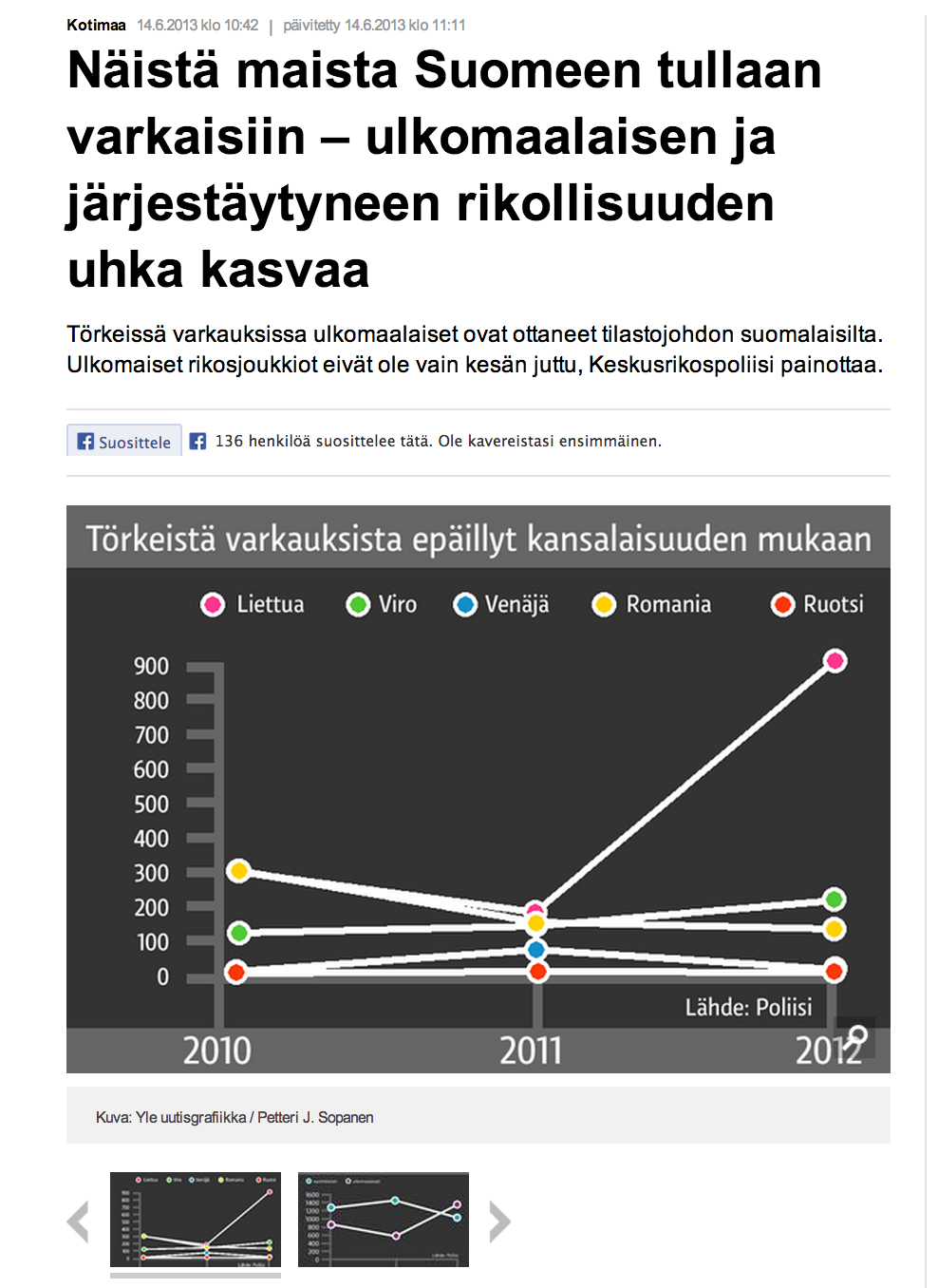
Kuvankaappaus 2013-6-16 kello 10.12.43The majority of suspected grand larceny cases in Finland are  committed by Lithuanians. Why does the media and police give so much attention to Romanians as opposed to Lithuanians?  Is it because Lithuanians are white?  Why aren’t these questions asked by the national media? Read whole story here.

A police statement targeted in early June Romanians as being responsible for the spike in petty larceny and property crimes.

The statement shouldn’t surprise us since it is the way the media and police have reacted to Romanian and Bulgarian Roma that visit Finland. In many respects, it’s no different from how the media has spread fear of certain immigrant groups by pointing out “high” rape cases.

An A-Studio documentary  in August incredibly suggested that since there were seven rape convictions against Iraqi nationals, this suggested a trend and that this community “had a problem” and was prone to commit rape.

The A-Studio documentary reinforced the following prejudices that the Anti-Defamation League calls the “code words of hate:”

  • Immigrants are an army of invaders
  • Dehumanization
  • Immigrants bring crime and disease
  • Conspiracy theory

If we look at the police statement about Romanians, it cites two – yes two! – convictions, one for petty larceny and begging and another for unreported employment.

While it’s a good matter that the police investigate exploitation, abuse and crime, are they protecting the innocent and victims by spreading their prejudice and racism?

Certainly not.

The attitude of the police, media, and the silence of too politicians, shouldn’t  surprise us. Finland’s 10,000-strong Romany minority has lived here for 500 years.

They if anyone can tell about what it feels like to be socially excluded and discriminated for centuries.

Terveisiä Scriptablogista 12 syyskuuta 2008

Posted on June 15, 2013 by Migrant Tales

Yksi monista tuhansista Migrant Tales:ia vastaan kohdistetuista viesteistä, jonka muistan hyvin oli hyökkäys Jussi Halla-ahon Scriptablogista. Alla olevaa viestiä en unohda koskaan. Noin neljän tunnin sisällä, Migrant Talesin blogiin hyökättiin. Hyökkäys torjuttiin ja tänään olemme yksi luetuimpia anti-rasistisia blogeja Suomessa.

Nimi :Old No. 7Mitä teen :Kommentoin    Viesti :Mikäs mies tuo Enriikke Tessieeri on olevinaan? En oikein tykästynyt miehen teksteihin, tuntui vähän siltä että näppäimistöön kajotessaan Enriquella on alkanut pyryttää pahemman kerran.

Eipä sillä, varmasti Suomessa on syrjintää, ryssävihaa, sovinismia ynnämuuta, mutta mitä sitten? Eikö niitä voitaisi jo laskea suomalaiseen kulttuuriin, on niistä niin kauan valitettu. Ja kun ne olisivat virallisesti meidän kulttuuriamme, voisimme vedota silmät vetistäen tiedostaviin tahoihin että meidän kulttuuriamme on suojeltava maahanmuuttajien vastaavalta. Se luultavasti toimisi….Ai ei? Ainiin, unohdin ihan: Ennenkö voimme aloittaa kitisemisen, täytyy joka iikan käydä pyörimässä avotakassa tai hiilikellarissa. Jos ei sellaista ole lähellä, joku voi tulla hakemaan kauan paikallaan maanneen kahden euron kolikon sänkyni alta, ajanee saman asian.

Josta tulikin mieleeni että voisinkin siivota talouteni, tämä alkaa näyttää afgaanin majalta. Jatkakaa.     

12. syyskuuta 2008 16:53:35


How serious is the Future of Migration 2020 Strategy?

Posted on June 15, 2013 by Migrant Tales

The more I think of the government’s published white paper on immigration policy made public on Thursday, the more I have reason to worry.  Apart from omitting altogether the term multiculturalism and cultural from diversity in the Future of Migration 2020 Strategy, your suspicions aren’t put to rest by the Confederation of Finnish Industries (EK), which was critical of the policy statement. 

Riitta Wärn, an EK labor market specialist, said that the government white paper missed the mark.

“As someone who has been monitoring immigration policy for a long time, I don’t consider this to be a major change,” she was quoted as saying on YLE in English. “There’s not really anything surprising or new laid out in this policy.”

A comment I read on Facebook linked to Qbee Integrator  highlights Wärn’s frustration: “This people are so funny, I just imagine which young skilled immigrants they are talking about while they cannot employ young foreigners who graduated from their own Finnish high priced education system. People finish professional degrees, masters and PHD and they are subjected to shop cleaners and dish washers. Every year the country produces 10s of new immigrant Finnish graduates in nursing, health care and social services, only one 1% is employed on short term basis, yet we hear everyday that there are shortages.”

While the government should be commended for speaking out against racism and the importance of challenging discrimination in our society, one of the matters that shines through in white paper is the anti-immigration Perussuomalaiset (PS) party.  Sadly it’s not its chairman, Timo Soini, that we see claiming there aren’t any racists in the party, but its far right anti-immigration pundits. 

Speaking out against racism is important but equally important is to remain focused and on our toes to distinguish between official lip service and actual deeds.

If omitting the term “cultural” from diversity raises some questions and makes it more acceptable to anti-immigration groups, another worrisome term used in the white paper is “controlled immigration.”

 “Uncontrolled immigration” is a byword used by far right and right-wing populist anti-immigration groups like the PS to keep the country white. In other words, we don’t want any Muslims, Africans and other visible immigrants to migrate and live with us. 

Another big question mark over this white paper is the credibility of Interior Minister Päivi Räsänen, whose conservative Christian and views on cultural diversity get in the way of good judgement.

How on Earth can a politician like Räsänen who considers homosexuality an illness, wants to make begging illegal,  sees nothing wrong with ethnic profiling by the police and wants to tighten family reunification laws and policy seriously wants to improve the situation of immigrants and visible minorities in Finland? 

Considering that Finland is a young republic which invested a great deal of energy in undermining immigration and foreign investment to Finland, turning it into a successful and dynamic “diverse” society will take more than just a white paper.

Read the white paper (in Finnish) here. An English-language version will be available after summer.

Government announces Future of Migration 2020 Strategy

Posted on June 14, 2013 by Migrant Tales

The government published Thursday its Future of Migration 2020 Strategy. While these types of official strategy reports are important and offer a general view, the big question is if they gives us a bigger picture of the direction our society is heading in this century. 

Read the white paper (in Finnish) here. An English-language version will be available after summer.


Kuvankaappaus 2013-6-14 kello 12.22.53

Read council of state statement here.

One of the matters that surprised me about the strategy report is that it doesn’t use the term ”multiculturalism,” which has been replaced by the term diversity (moninaisuus). In English a good synonym for multiculturalism is cultural diversity. Why does the report only speak of diversity?

These kinds of omissions always raise concern about what the government really thinks of cultural diversity and, most importantly, how it should be promoted and defended.

The Confederation of Finnish Industries (EK) said that the white paper didn’t go far enough, reports YLE in English.

“As someone who has been monitoring immigration policy for a long time, I don’t consider this to be a major change,” says Riitta Wärn, an EK labor market specialist. “There’s not really anything surprising or new laid out in this policy.”

Another question mark is  Interior Minister Päivi Räsänen, who is liked by the anti-immigration Perussuomalaliset (PS) party for her conservative ideas about immigration and stated publicly that homosexuality is a sin.

The positive matter about the 2020 strategy is that it openly speaks out against racism and discrimination and how these latter social ills undermine good ethnic relations.

It states: ”The Future of Migration 2020 Strategy has a number of key objectives: managing the labour market; ensuring equal rights for all employees; improving employment opportunities for people from an immigrant background; pursuing a more successful integration policy; aiming at a faster processing of asylum applications; and fighting discrimination.”

While our laws in Finland ensure that immigrants and visible minorities will be treated equally before the law, it is quite another matter if this always happens in real life. More importantly, do we have the resources and the will to challenge intolerance?

The report suggests, however, that the government is serious about such matters.

European Commission vice president condemns death threats to journalists in Finland

Posted on June 11, 2013 by Migrant Tales

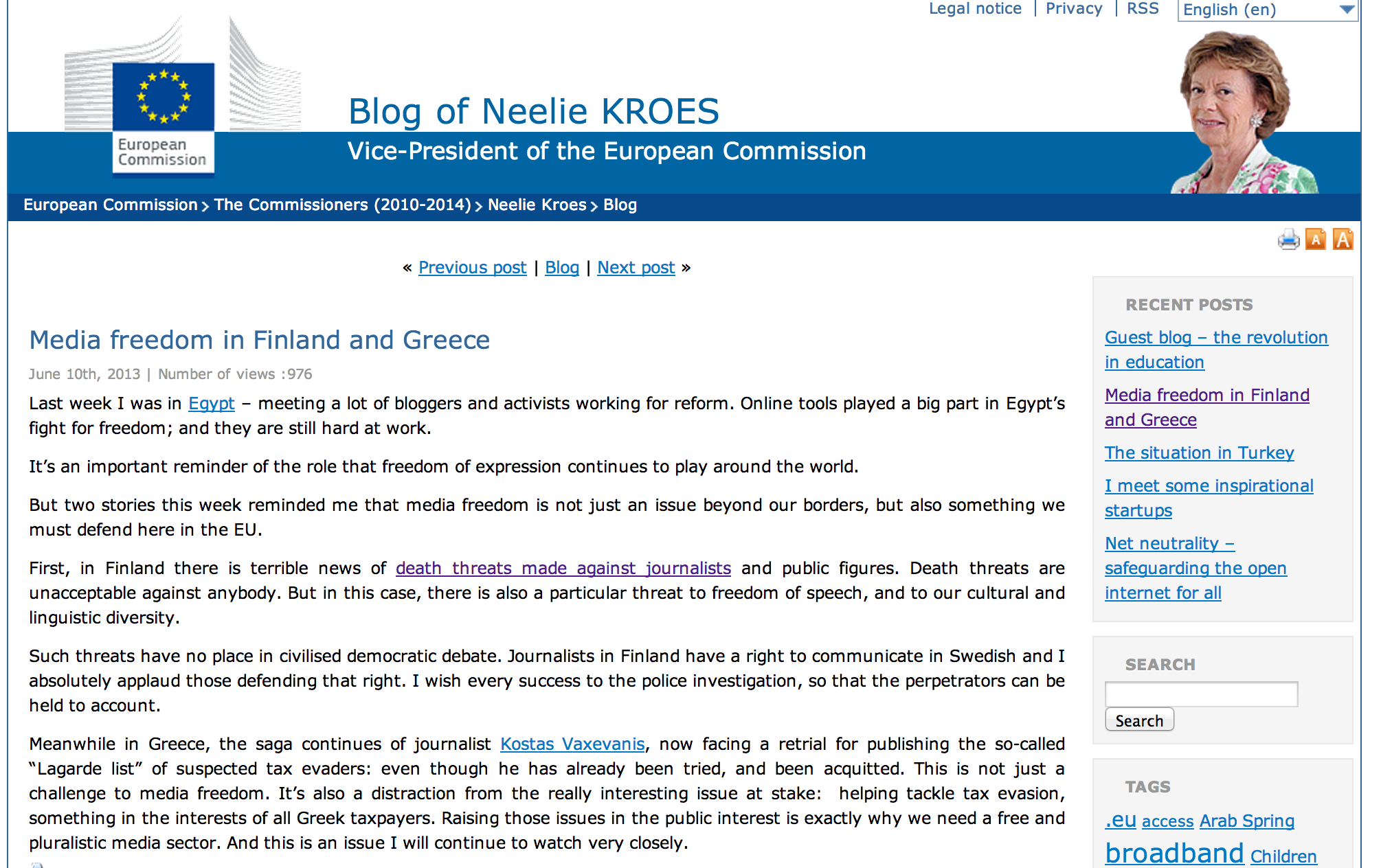
It’s a good matter that the vice president of the European Commission, Neelie Kroes, speaks out against the death threats that Swedish- and Finnish-language journalists and public figures have received recently. 

Kuvankaappaus 2013-6-11 kello 19.53.05

Read Neelie Kroes’ blog here.

The Dutch vice president of the European Commission expressed concern about media freedom in Finland and Greece.

She writes: ”Death threats are unacceptable against anybody. But in this case [Finland], there is also a particular threat to freedom of speech, and to our cultural and linguistic diversity.”

Migrant Tales, which was linked as a source on her blog concerning death threats against journalists in Finland, is worried about the how an anti-immigration, anti-EU and anti-Swedish language minority party like the Perussuomalaiset (PS) has attacked the media and uses it to polarize society.

Occasionally the media doesn’t set clear lines between the newsroom and politicians as this blog entry reveals.

Members of the Swedish-speaking communities are not the only ones who have received death threats. Feminists, researchers and even Migrant Tales have received such threats as well. It is a sad reality of life in Finland these days.


The NSA and the path to tyranny

Posted on June 11, 2013 by Migrant Tales

A nation may lose its liberties in a day and not miss them in a century. 

Baron de Montesquieu (1689-1755)

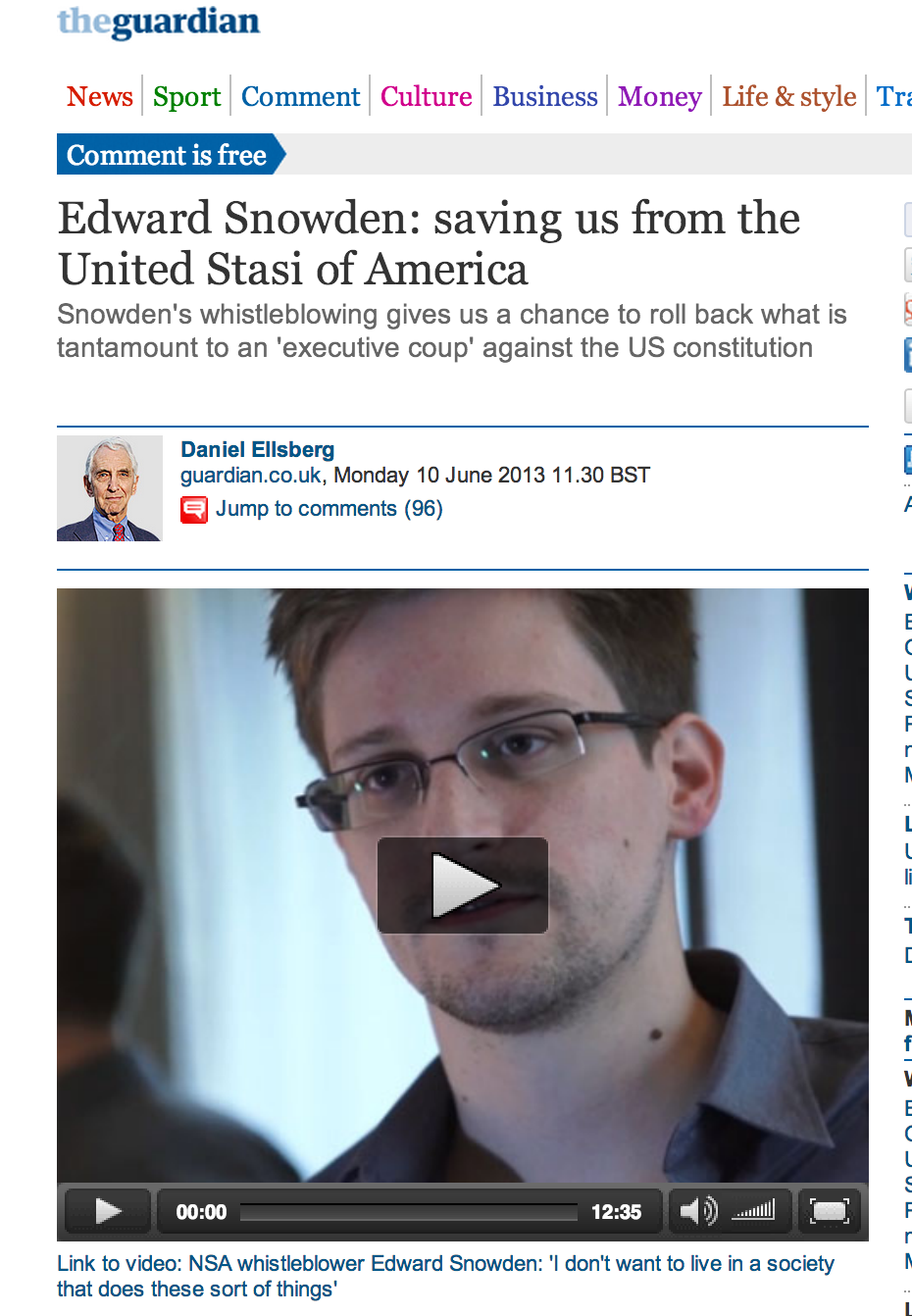
The leak by US National Security Agency (NSA) whistleblower Edward Snowden has given us a unique opportunity to ask a vitally important question: Do we want unchecked surveillance? If we give up our right to privacy, what wider implications does it have on our democracy and society?

Kuvankaappaus 2013-6-11 kello 7.18.06

See original story here.

The answer to these above-mentioned questions can be found in many volumes of history. Social thinkers like Montesquieu, whose ideas were crucial in creating today a functioning Western democracy, warned us about the dangers of absolute and unchecked power.

It’s not my estimation, but that of many others who are equally concerned about how the United States has compromised its civil rights, specifically the fourth and fifth amendments, which guard its citizens from unreasonable searches and seizures and abuse of government authority.

Considering the close links that the  NSA has with the CIA, it’s clear that such organizations would care less about civil liberties.

A security organization that requires up to an estimated  $80 billion to operate and may have 100,000 employees ensure that we’ll be applying the same wrong medicine to the problem of security. Like a locksmith, who will never admit that crime has fallen sharply, the NSA will never downsize itself either but continue to grow and amass more power and pry into the lives of billions of people.

It is the aim of any state, be it small or a hyperpower like the United States, to survive and attain immortality. States go about this in a number of ways. Some, like the NSA, monitor and place under scrutiny our privacy in a belief it makes our country more secure.

Former Eastern European communist states and the Soviet Union attempted the same thing. It wasn’t the lack of civil liberties that eventually led to the downfall of these former autocratic states, but unchecked power and surveillance. 

Even power-hungry military dictatorships in Latin America, which were backed by Washington and the CIA, planted the seeds of their destruction when the believed tried to attain absolute unchecked power.

When any state or government believes that it is invincible because it controls ultimate power, that’s the moment when their irreversible demise begins. The reason why they fall from grace is because they lose focus on the problem and decide to survive with the help of absolute power and force.

If we want to make the world a more secure place, we have to address social inequality, hunger, corporate power, autocratic regimes, human rights violations, privilege, environmental damage and others that we have the resources and ability to solve together.

The demise of a country doesn’t begin with an attack like 9/11, but on the credibility of its actions. True, a country may arm itself to the teeth because of fear, but that is only the penultimate phase before tyranny, social strife, demise and revolution.


Where are you from?

Posted on June 10, 2013 by Migrant Tales

Even if I have lived most of my adult life in Finland and my mother is Finnish, I’m still asked occasionally where I’m from. In a spirit of mutual respect, I ask the person the same question. Some don’t like it. 

The innocent question, where are you from, reveals a lot about our prejudices and ignorance about who we consider Finns.

In order to emphasize their Finnishness at the cost of your Otherness, you’ll even get sometimes a lesson in race-and-blood myths and how their ancestors have lived for centuries in Finland.

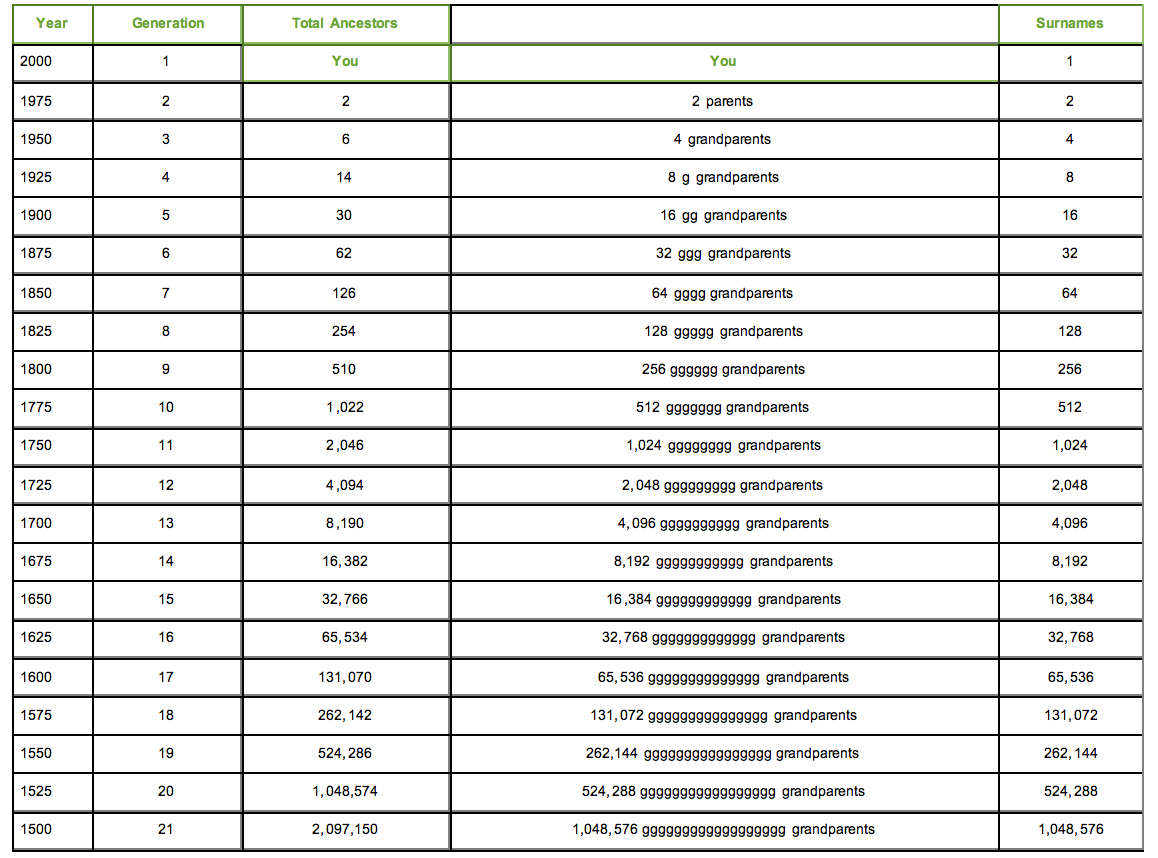
When faced with such exclusive views of who is a Finn, I ask them how many ancestors they’d have if they went back 20 generations. The answer is about one million.

Kuvankaappaus 2013-6-10 kello 8.23.30Read full story here.

Then there are those who claim they are as old as Methuselah, a biblical figure who died at the age of 969. Those who play Methuselah claim that their great grandparents fought in this and that war and built this land from scratch even if they had never seen war never mind suffered poverty.

I ask them a simple question: Are you 150 years old?

One matter that gives hope about building a more inclusive society is that we are still a young nation. Our national identity, which is nothing more than a social construct,  was built by and large on wars and our loathing of Russia. This must change in order to make our society more inclusive and acceptant of cultural diversity.

Certainly we should respect our veterans. Even if they had no choice but to fight in trenches and die in battlefields, we don’t have to be there with them since the Winter (1939-40) and Continuation War (1941-44) ended over sixty years ago. We have to forgive and move on. The longer we stay in those trenches the longer we’ll be resentful and suspicious of the outside world.

Despite all the challenges facing us during this century as we become a culturally diverse society, I’m confident that we’ll succeed at the task.

Our Nordic democratic social welfare state values and the spirit of our laws ensure success.


Buenos Aires Herald (February 12, 1987): The old-new frontier*

Posted on June 9, 2013 by Migrant Tales

Comment: It’s sad to point out 25 years after writing this opinion piece that Argentina has become a poorer country. Emigration continues to be the rule, not the exception. The opening up of the economy to foreign investment during the 1990s was a disaster. Too many foreign companies did not invest in Argentina to make it more efficient but to pillage its natural resources and markets. Corruption continues to be one of the country’s biggest issues and keeps Argentina from attaining its economic potential. 

______________________

To govern is to populate. 

Juan Bautista Alberdi (1810-84)

Although Alberdi coined the phrase more than a century ago, it is still by and large true even though the statement has in mind Anglo-Saxon emigrants as opposed to Latins never mind Amerindians, blacks or Orientals. 

Image1-4_edited-12

As most long-range programes int his country, Argentina’s immigration policy turned out a failure. The flow  should have been continuous and the vast empty patches of the countryside populated; new blood should have injected viror, social dynamism balanced with tolerance – political stability and economic prosperity should have been the rule.

True, Argentina did gain from the millions of immigrants that helped raise this country’s mid-19th century population of roughly one million to around eight million in 1914, paving the way for Argentina’s present-day 30-million-strong population.

As opposed to Australia, Canada and the US, during the early 20th century Argentina was in its own league when compared to the foreign-to-native ratio.

For instance, in the 1914 census 30 percent of the national population was composed of foreigners and, for Buenos Aires alone, this figure reached 40 percent. Add to these latter percentages the children of these original immigrants and the above-mentioned ratio becomes even more impressive.

No wonder why writer Manuel Gálvez, in a sarcastic allusion to Alberdi, said “to govern is to Argentinize.”

However, a number of internal and external factors – the Great Depression of the 1930s, World War II, domestic strife and instability, among others – curtailed the flow of immigrants thus giving way to a new demographic phenomenon: Argentina emigrants.

For those Argentines that left from the 1960s on, those who had made their homes here for a generation or two, Argentina became a stepping stone in their long search for a country that would offer them a decent existence.

Undoubtedly, the effects of this emigration are self-evident: hundres of thousands of Argentines – many of these qualified professionals – have caused a serious brain and qualified labor drain on the country, let alone speak of the flight of capital, ingenuity and hard work that are synonymous with the latter reality.

Probably the saddest fact was that Argentina could do little about halting this trend And, even today, the economic conditions aren’t attractive enough for Argentines living abroad to return en masse to the country.

 Although the Radical administration [of President Raúl Alfonsín] has roughly 20 months left in power, it has ventured – voluntarily or involuntarily – to open up the closed doors of the economy as the recent 40 percent sell off of Aerolíneas Argentinas to Scandinavian Airlines proves.

This week another important step was taken by deregulating the petchem, steel and iron industry sectors. Naturally, these ar only previews of what will happen to other sectors such as telecommunications, railways, electric power et all as the months unfold ahead.

The interesting question about all this is if these economic structural changes will pave the way for a stronger, self-confident Argentina.

Considering that the country’s economic transformation will be a long, bumpy ride, it is not likely that this Southern Cone nation will be a magnet for Argentines living abroad or foreigners in the near future, which is undoubtedly one of the major obstacles in transforming this country into a modern 21st century republic.

Will anything be done to those political, economic and social impediments that reversed the immigration trend and encouraged Argentines to leave be deal with effectively it the upcoming years?

As one foreign businessman told this journalist: “Although Argentina has 30 million people it functons as a country of two million.”

As far as both Alberdi’s and Gálvez’ phrases are concerned, to govern effectively in the late-20th century is first to modernize and, in the early 21st century, to repatriate and populate.

*This column was originally published in the Buenos Aires Herald on February 12, 1987. 

Burqas, nijabs, the PS and red herrings

Posted on June 8, 2013 by Migrant Tales

A tabloid Iltalehti story wrote about a heated debate in parliament Friday between the anti-immigration populist Perussuomalaiset (PS) party and the Greens over a draft bill  spearheaded by PS MP Vesa-Matti Saarakkala, which aims to ban the burqa and nijab in public places. The PS MP considers the law as a “preventive measure” even if the nijab never mind the burqa are extremely rare in Finland.  

PS MP Marja Louhela, who turns into a Ms Hyde whenever she hears the word “Muslim,” believes that such a ban would do a lot of good for Muslim women because it would improve their chances of getting a job.

MP Jussi Halla-aho, who was sentenced for ethnic agitation and who has never hid his loathing for Muslims and especially Somalis, claims the following: “It [burqa and nijab] messages wanting to be set apart from others, wanting to encapsulate in one’s culture. Those societies that don’t want women to communicate [with others] outside the home [require] women to veil their faces,” he said.

MP Olli Immonen, an Islamophobist like Halla-aho and Louhela who believes that Muslims will overrun Europe, offered a red herring by claiming his concern for Muslim women’s rights.

Green MPs Oras Tynkkynen and Satu Haapenen argued that the ban by the PS is unconstitutional and would not empower Muslim women.

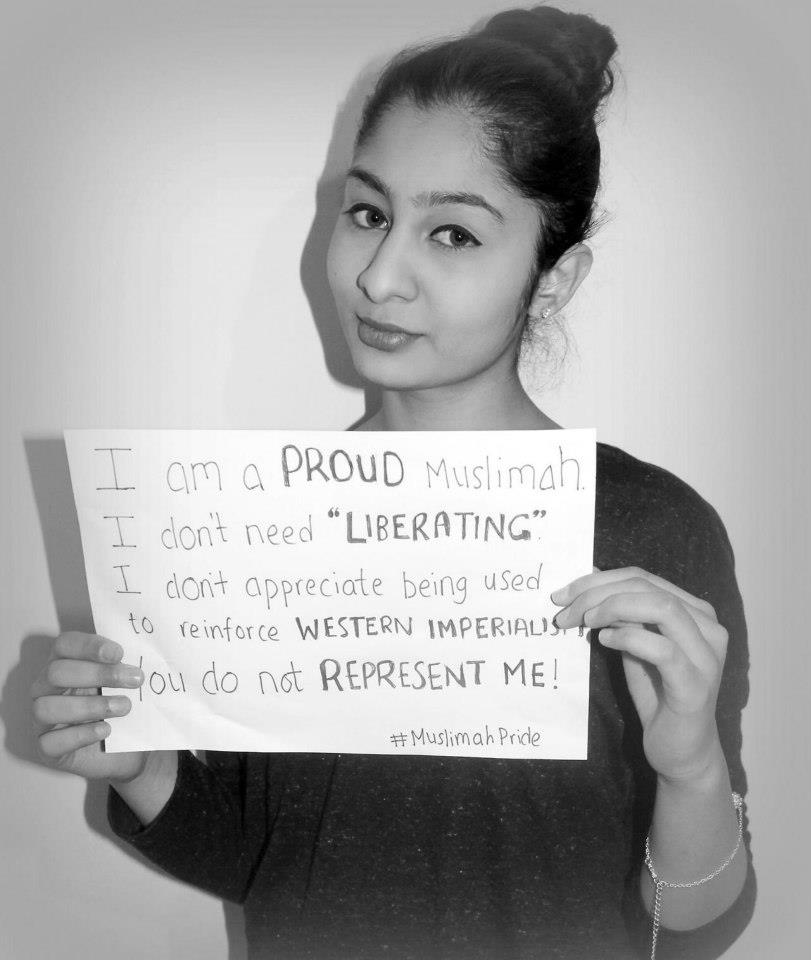
To all those PS MPs, who claim to want to “liberate” Muslim women but in reality want to oppress them by denying them acceptance and their right to their identity, I offer the picture below.

383061_488282527905709_1614995263_n

 Source: The Sociological Cinema


“Only Finnish spoken here” versus cultural diversity

Posted on June 8, 2013 by Migrant Tales

What would you do if you saw on an elementary school classroom door the following message: Only Finnish spoken here? Would you ask if speaking Swedish is ok? Would it raise disturbing memories of how minorities like the Saami were persecuted and discouraged at school especially after World War 2 for speaking their own language?

Kuvankaappaus 2013-6-8 kello 8.19.15

The Saami minority were one of many groups that were victims of white Finnish assimilation.

Here’s the double-standard and conflict: It would be disturbing to see such a sign at a school in Lapland today but we wouldn’t think anything of it if the message was intended for third-culture children, or those who have one or two immigrant parents.

One of the issues that we see over and over in the ongoing debate on immigration and immigrants is our acceptance of cultural diversity. In the last century, Finland dealt with cultural diversity in the following way:

  • discouraging “Otherness” and assimilation of minorities like the Saami, which began in the nineteenth century*
  • systematically prohibit immigration and foreign investment to the country 

If we consider that it took Finland 65 years after independence to have its first Aliens Act in force in 1983, and that the Restricting Act of 1939, which severely undermined foreign investment to the country and was shelved in 1992, our assimilation policy included immigrants and foreign investment.

Finland is a very different country today than it was in the last century. We live in a globalized world and our society is becoming ever-culturally diverse. Since our assimilation policy was systematic in the last century after independence, it’s easy to understand why some Finns oppose and are hostile to cultural diversity.

A good example of the latter are anti-immigration parties like the Perussuomalaiset (PS), which would never suggest to their voters the things  they do for immigrants. It explains as well why we don’t think twice about “only Finnish spoken here” signs at schools.

“While I believe that our school system in Finland strives to promote cultural diversity, the truth is that we have a long way to go. Killing and discouraging diversity has distorted our view of ourselves and how we accept others in our society.

One example of the latter is how some schools continue to label third-culture children as “students with immigrant backgrounds,” even if they were born and grew up in this country. Such labels serve in too many cases to promote social inequality.

If you want a culprit that is holding us back today and which promotes intolerance, you’ll find it in our assimilation policies and the way we were brought up and taught to see ourselves as an exclusive national group. With more immigrants moving to this country, we need to promote inclusion and acceptance.

One association that played an important role in our assimilation policy in the last century was Suomalaisuuden liitto. Should it surprise us that the association, which has been taken over by the PS, has spearheaded a campaign to demote the Swedish language to elective status at schools.

* Vesa Puuronen: Rasistinen Suomi. Gaudeamus, Helsinki 2011. pp. 111-163.

  • Previous
  • 1
  • …
  • 14
  • 15
  • 16
  • 17
  • 18
  • 19
  • 20
  • …
  • 152
  • Next
Read more about documentary film
Read more

Recent Posts

  • Finland’s tabloids Iltalehti and Ilta-Sanomat are the pits
  • Riikka Purra’s Dr Jekyll and Mr Hyde mask
  • Double standards
  • Perussuomalaiset: Uusi logo, sama vanha juttu
  • Taco Trump

Recent Comments

  1. Absolutely Socking: Racist Finnish Facebook group against human rights gets flooded with socks on Musta Barbaari’s mother and sister charged by the police in “ethnic profiling” case
  2. Ilkka Nuotio on Pekka Myrskylä: “Tilastot kertovat toista kuin poliittinen keskustelu”
  3. Genrih Soinkara on The war in Ukraine and the Russian-Finnish border crisis are showing Finland’s ugly side
  4. Ahti Tolvanen on Comment by Ahti Tolvanen on the Helsinki +50 conference
  5. Angel Barrientos on Angel Barrientos is one of the kind beacons of Finland’s Chilean community

Archives

  • June 2026
  • May 2026
  • April 2026
  • March 2026
  • February 2026
  • January 2026
  • December 2025
  • November 2025
  • October 2025
  • September 2025
  • August 2025
  • July 2025
  • June 2025
  • May 2025
  • April 2025
  • March 2025
  • February 2025
  • January 2025
  • December 2024
  • November 2024
  • October 2024
  • September 2024
  • August 2024
  • July 2024
  • June 2024
  • May 2024
  • April 2024
  • March 2024
  • February 2024
  • January 2024
  • December 2023
  • November 2023
  • October 2023
  • September 2023
  • August 2023
  • July 2023
  • June 2023
  • May 2023
  • April 2023
  • March 2023
  • February 2023
  • January 2023
  • December 2022
  • November 2022
  • October 2022
  • September 2022
  • August 2022
  • July 2022
  • June 2022
  • May 2022
  • April 2022
  • March 2022
  • February 2022
  • January 2022
  • December 2021
  • November 2021
  • October 2021
  • September 2021
  • August 2021
  • July 2021
  • June 2021
  • May 2021
  • April 2021
  • March 2021
  • February 2021
  • January 2021
  • December 2020
  • November 2020
  • October 2020
  • September 2020
  • August 2020
  • July 2020
  • June 2020
  • May 2020
  • April 2020
  • March 2020
  • February 2020
  • January 2020
  • December 2019
  • November 2019
  • October 2019
  • September 2019
  • August 2019
  • July 2019
  • June 2019
  • May 2019
  • April 2019
  • March 2019
  • February 2019
  • January 2019
  • December 2018
  • November 2018
  • October 2018
  • September 2018
  • August 2018
  • July 2018
  • June 2018
  • May 2018
  • April 2018
  • March 2018
  • February 2018
  • January 2018
  • December 2017
  • November 2017
  • October 2017
  • September 2017
  • August 2017
  • July 2017
  • June 2017
  • May 2017
  • April 2017
  • March 2017
  • February 2017
  • January 2017
  • December 2016
  • November 2016
  • October 2016
  • September 2016
  • August 2016
  • July 2016
  • June 2016
  • May 2016
  • April 2016
  • March 2016
  • February 2016
  • January 2016
  • December 2015
  • November 2015
  • October 2015
  • September 2015
  • August 2015
  • July 2015
  • June 2015
  • May 2015
  • April 2015
  • March 2015
  • February 2015
  • January 2015
  • December 2014
  • November 2014
  • October 2014
  • September 2014
  • August 2014
  • July 2014
  • June 2014
  • May 2014
  • April 2014
  • March 2014
  • February 2014
  • January 2014
  • December 2013
  • November 2013
  • October 2013
  • September 2013
  • August 2013
  • July 2013
  • June 2013
  • May 2013
  • April 2013
  • March 2013
  • February 2013
  • January 2013
  • December 2012
  • November 2012
  • October 2012
  • September 2012
  • August 2012
  • July 2012
  • June 2012
  • May 2012
  • April 2012
  • March 2012
  • February 2012
  • January 2012
  • December 2011
  • November 2011
  • October 2011
  • September 2011
  • August 2011
  • July 2011
  • June 2011
  • May 2011
  • April 2011
  • March 2011
  • February 2011
  • January 2011
  • December 2010
  • November 2010
  • October 2010
  • September 2010
  • August 2010
  • July 2010
  • June 2010
  • May 2010
  • April 2010
  • March 2010
  • February 2010
  • January 2010
  • December 2009
  • November 2009
  • October 2009
  • September 2009
  • August 2009
  • July 2009
  • December 2008
  • November 2008
  • October 2008
  • September 2008
  • August 2008
  • July 2008
  • June 2008
  • May 2008
  • April 2008
  • March 2008
  • February 2008
  • January 2008
  • November 2007
  • October 2007
  • September 2007
  • August 2007
  • July 2007
  • June 2007
  • May 2007

Categories

  • ?? Gia L?c
  • ????? ?????? ????? ???????? ?? ??????
  • ???????
  • @HerraAhmed
  • @mondepasrond
  • @nohatefinland
  • @oula_silver
  • @Varathas
  • A Pakistani family
  • äärioikeisto
  • Abbas Bahmanpour
  • Abdi Muhis
  • Abdirahim Hussein Mohamed
  • Abdirahim Husu Hussein
  • Abdirisak Mahamed
  • About Migrant Tales
  • activism
  • Adam Al-Sawad
  • Adel Abidin
  • Afrofinland
  • Ahmed IJ
  • Ahti Tolvanen
  • Aino Pennanen
  • Aisha Maniar
  • Alan Ali
  • Alan Anstead
  • Alejandro Díaz Ortiz
  • Alekey Bulavsev
  • Aleksander Hemon
  • Aleksanterinliitto
  • Aleksanterinliitto ry
  • Aleksanterinliitto ry:n hallitus
  • Alex Alex
  • Alex Mckie
  • Alexander Nix
  • Alexandra Ayse Albayrak
  • Alexis Neuberg
  • Ali Asaad Hasan Alzuhairi
  • Ali Hossein Mir Ali
  • Ali Rashid
  • Ali Sagal Abdikarim
  • Alina Tsui
  • Aline Müller
  • All categories
  • Aman Heidari
  • Amiirah Salleh-Hoddin & Jana Turk
  • Amin A. Alem
  • Amir Zuhairi
  • Amkelwa Mbekeni
  • Ana María Gutiérrez Sorainen
  • Anachoma
  • Anders Adlecreutz
  • Angeliina Koskinen
  • Anna De Mutiis
  • Anna María Gutiérrez Sorainen
  • Anna-Kaisa Kuusisto ja Jaakko Tuominen
  • Annastiina Kallius
  • Anneli Juise Friman Lindeman
  • Announcement
  • Anonymous
  • Antero Leitzinger
  • anti-black racism
  • Anti-Hate Crime Organisation Finland
  • Anudari Boldbaatar
  • Arshiya Nasser
  • Aspergers Syndrome
  • Asylum Corner
  • Asylum seeker 406
  • Athena Griffin and Joe Feagin
  • Autism
  • Avaaz.org
  • Awale Olad
  • Ayan Said Mohamed
  • AYY
  • Barachiel
  • Bashy Quraishy
  • Beatrice Kabutakapua
  • Beri Jamal
  • Beri Jamal and Enrique Tessieri
  • Bertolt Brecht
  • Boiata
  • Boodi Kabbani
  • Bruno Gronow
  • Carmen Pekkarinen
  • Çelen Oben and Sheila Riikonen
  • Chiara Costa-Virtanen
  • Chiara Costa-Virtanen
  • Chiara Sorbello
  • Christian Thibault
  • Christopher Wylie
  • Clara Dublanc
  • Dana
  • Daniel Malpica
  • Danilo Canguçu
  • David Papineau
  • David Schneider
  • Dexter He
  • Don Flynn
  • Dr Masoud Kamali
  • Dr. Faith Mkwesha
  • Dr. Theodoros Fouskas
  • Edna Chun
  • Eeva Kilpi
  • Emanuela Susheela
  • En castellano
  • ENAR
  • Enrique
  • Enrique Tessieri
  • Enrique Tessieri & Raghad Mchawh
  • Enrique Tessieri & Yahya Rouissi
  • Enrique Tessieri and Muhammed Shire
  • Enrique Tessieri and Sira Moksi
  • Enrique Tessieri and Tom Vandenbosch
  • Enrique Tessieri and Wael Che
  • Enrique Tessieri and Yahya Rouissi
  • Enrique Tessieri and Zimema Mhone
  • Epäluottamusmies
  • EU
  • Europe
  • European Islamophobia Report
  • European Islamophobia Report 2019,
  • European Union
  • Eve Kyntäjä
  • Ezequiel Caldeiro
  • Facebook
  • Fadumo Dayib
  • Faisa Kahiye
  • Farhad Manjoo
  • Fasismi
  • Finland
  • Fizza Qureshi
  • Flyktingar och asyl
  • Foreign Student
  • Fozia Mir-Ali
  • Frances Webber
  • Frida Selim
  • Gareth Rice
  • Ghyslain Vedeaux
  • Global Art Point
  • Great Replacement
  • Habiba Ali
  • Hami Bahadori
  • Hami Bahdori
  • Hamid
  • Hamid Alsaameere
  • Hamid Bahdori
  • Handshake
  • Harmit Athwal
  • Hassan Abdi Ali
  • Hassan Muhumud
  • Heikki Huttunen
  • Heikki Wilenius
  • Helsingin Sanomat
  • Henning van der Hoeven
  • Henrika Mälmsröm
  • Hser Hser
  • Hser Hser ja Mustafa Isman
  • Husein Muhammed
  • Hussain Kazemian
  • Hussain Kazmenian
  • Ibrahim Khan
  • Ida
  • Ignacio Pérez Pérez
  • Iise Ali Hassan
  • Ilari Kaila & Tuomas Kaila
  • Imam Ka
  • inside-an-airport
  • Institute of Race Relations
  • Iraqi asylum seeker
  • IRR European News Team
  • IRR News Team
  • Islamic Society of Norhern FInland
  • Islamic Society of Northern Finland
  • Islamophobia
  • Jacobinmag.com
  • Jallow Momodou
  • Jan Holmberg
  • Jane Elliott
  • Jani Mäkelä
  • Jari Luoto
  • Jari Taponen
  • Jegor Nazarov
  • Jenni Stammeier
  • Jenny Bourne
  • Jessie Daniels
  • Joe Davidow
  • Johannes Koski
  • John D. Foster
  • John Grayson
  • John Marriott
  • Jon Burnett
  • Jorma Härkönen
  • Jos Schuurmans
  • José León Toro Mejías
  • Josue Tumayine
  • Jouni Karnasaari
  • Juan Camilo
  • Jukka Eräkare
  • Julian Abagond
  • Julie Pascoet
  • Jussi Halla-aho
  • Jussi Hallla-aho
  • Jussi Jalonen
  • JusticeDemon
  • Kadar Gelle
  • Kaksoiskansalaisuus
  • Kansainvälinen Mikkeli
  • Kansainvälinen Mikkeli ry
  • Katherine Tonkiss
  • Kati Lepistö
  • Kati van der Hoeven-Lepistö
  • Katie Bell
  • Kättely
  • Kerstin Ögård
  • Keshia Fredua-Mensah & Jamie Schearer
  • Khadidiatou Sylla
  • Khadra Abdirazak Sugulle
  • Kiihotus kansanryhmää vastaan
  • Kirsi Crowley
  • Koko Hubara
  • Kristiina Toivikko
  • Kubra Amini
  • KuRI
  • La Colectiva
  • La incitación al odio
  • Laura Huhtasaari
  • Lauri Finér
  • Leif Hagert
  • Léo Custódio
  • Leo Honka
  • Leontios Christodoulou
  • Lessie Branch
  • Lex Gaudius
  • Leyes de Finlandia
  • Liikkukaa!
  • Linda Hyökki
  • Liz Fekete
  • M. Blanc
  • Maarit Snellman
  • Mahad Sheikh Musse
  • Maija Vilkkumaa
  • Malmin Kebab Pizzeria Port Arthur
  • Marcell Lorincz
  • Mari Aaltola
  • María Paz López
  • Maria Rittis Ikola
  • Maria Tjader
  • Marja-Liisa Tolvanen
  • Mark
  • Markku Heikkinen
  • Marshall Niles
  • Martin Al-Laji
  • Maryan Siyad
  • Matt Carr
  • Mauricio Farah Gebara
  • Media Monitoring Group of Finland
  • Micah J. Christian
  • Michael McEachrane
  • Michele Levoy
  • Michelle Kaila
  • Migrant Tales
  • Migrant Tales Literary
  • Migrantes News
  • Migrants' Rights Network
  • MigriLeaks
  • Mikko Kapanen
  • Miriam Attias and Camila Haavisto
  • Mohamed Adan
  • Mohammad Javid
  • Mohammad M.
  • Monikulttuurisuus
  • Monisha Bhatia and Victoria Canning
  • Mor Ndiaye
  • Muh'ed
  • Muhamed Abdimajed Murshid
  • Muhammed Shire
  • Muhammed Shire and Enrique Tessieri
  • Muhis Azizi
  • Musimenta Dansila
  • Muslimiviha
  • Musulmanes
  • Namir al-Azzawi
  • Natsismi
  • Neurodiversity
  • New Women Connectors
  • Nils Muižnieks
  • No Labels No Walls
  • Noel Dandes
  • Nuor Dawood
  • Omar Khan
  • Otavanmedia
  • Oula Silvennoinen
  • Paco Diop
  • Pakistani family
  • Pentti Stranius
  • Perussuomalaiset
  • perustuslaki
  • Petra Laiti
  • Petri Cederlöf
  • Pia Grochowski
  • Podcast-lukija Bea Bergholm
  • Pohjois – Suomen Islamilainen Yhdyskunta
  • Pohjois Suomen Islamilainen Yhyskunta
  • Polina Kopylova
  • Race Files
  • racism
  • Racism Review
  • Raghad Mchawh
  • Ranska
  • Rashid H. and Migrant Tales
  • Rasismi
  • Raul Perez
  • Rebecka Holm
  • Reem Abu-Hayyeh
  • Refugees
  • Reija Härkönen
  • Remiel
  • Reza Nasri
  • Richard Gresswell
  • Riikka Purra
  • Risto Laakkonen
  • Rita Chahda
  • Ritva Kondi
  • Robito Ibrahim
  • Roble Bashir
  • Rockhaya Sylla
  • Rodolfo Walsh
  • Roger Casale
  • Rostam Atai
  • Roxana Crisólogo Correa
  • Ruth Grove-White
  • Ruth Waweru-Folabit
  • S-worldview
  • Sadio Ali Nuur
  • Sami Rusanen
  • Sandhu Bhamra
  • Sara de Jong
  • Sarah Crowther
  • Sari Alhariri
  • Sarkawt Khalil
  • Sasu
  • Scot Nakagawa
  • Shabana Ahmadzai
  • Shada Islam
  • Sharon Chang blogs
  • Shenita Ann McLean
  • Shirlene Green Newball
  • Sini Savolainen
  • Sira Moksi
  • Sonia K.
  • Sonia Maria Koo
  • Steverp
  • Stop Deportations
  • Suldaan Said Ahmed
  • Suomen mediaseurantakollektiivi
  • Suomen Muslimifoorumi ry
  • Suomen viharikosvastainen yhdistys
  • Suomen viharikosvastainen yhdistys ry
  • Suomi
  • Supermen
  • Susannah
  • Suva
  • Syrjintä
  • Talous
  • Tapio Tuomala
  • Taw Reh
  • Teivo Teivainen
  • The Daily Show
  • The Heino
  • The Supermen
  • Thomas Elfgren
  • Thulfiqar Abdulkarim
  • Tim McGettigan
  • Tino Singh
  • Tito Moustafa Sliem
  • Tobias Hübinette and L. Janelle Dance
  • Transport
  • Trica Danielle Keaton
  • Trilce Garcia
  • Trish Pääkkönen
  • Trish Pääkkönen and Enrique Tessieri
  • Tuulia Reponen
  • Uncategorized
  • UNITED
  • University of Eastern Finland
  • Uyi Osazee
  • Väkivalta
  • Vapaa Liikkuvuus
  • Venla-Sofia Saariaho
  • Vieraskynä
  • W. Che
  • W. Che an Enrique Tessieri
  • Wael Ch.
  • Wan Wei
  • Women for Refugee Women
  • Xaan Kaafi Maxamed Xalane
  • Xassan Kaafi Maxamed Xalane
  • Xassan-Kaafi Mohamed Halane & Enrique Tessieri
  • Yahya Rouissi
  • Yasmin Yusuf
  • Yassen Ghaleb
  • Yle Puhe
  • Yuliet Tresa
  • Yve Shepherd
  • Zahra Khavari
  • Zaker
  • Zalina Ametova
  • Zamzam Ahmed Ali
  • Zeinab Amini ja Soheila Khavari
  • Zimema Mahone and Enrique Tessieri
  • Zimema Mhone
  • Zoila Forss Crespo Moreyra
  • ZT
  • Zulma Sierra
  • Zuzeeko Tegha Abeng
© 2026 Migrant tales | Powered by Minimalist Blog WordPress Theme