What thoughts race in your head whenever a politician, public official, or white Finn rambles on about how social justice is a key value of our society and why racism and discrimination, which are illegal, have no place in Finland?
While the latter is important for newcomers to know, the issue is how such topics are taught and framed to students that have little idea of Finnish society.
I am a sociologist who has been an immigrant-Other all my life. It should not surprise you why I am interested in immigration topics.

One of the courses I teach is “active citizenship” (Aktiivinen kansalainen). Nearly all my students came to Finland as refugees or are seeking asylum. Since I have a lot of respect for the students, I tell them frankly: Do you want me to teach the hypocrisy, spread myths, and lies about your new home country or tell how we can change matters?
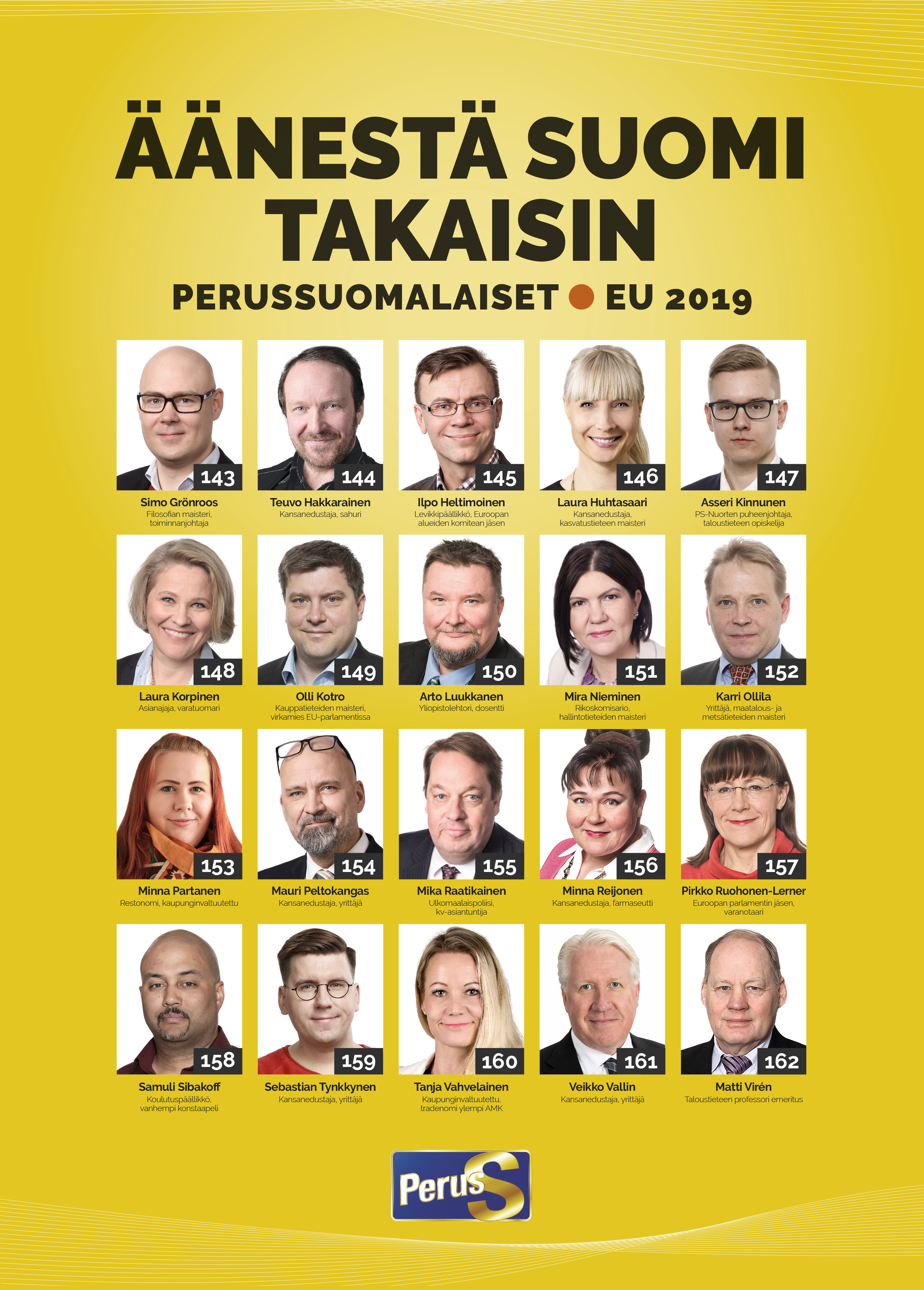
When we talk in class about social ills like racism, the Perussuomalaiset*, and other toxic topics that impact newcomers negatively, I encourage them to organize and use all the democratic means available to change matters.
For those who whine silently, I offer them handkerchiefs.
None of the students cry. Some listen more attentively than others.
Finnish white privilege #65
Today, Saturday is a better example than any to show the impunity of Finnish white privilege in the media. An article by Yle on five reasons why discrimination exists in the labor market offered only a partial view of the issue. Helsingin Sanomat published a human interest story on the same day about PS first vice-president, Riikka Purra.
One of the problems with the Yle article is that it absolves the police, politicians and other public officials for doing little to nothing to challenge discriminatory practices in the labor market. If you disagree, look at the underwhelming number of discrimination cases that are mentioned by the Yle article.
Likewise, the Helsingin Sanomat article of Purra is another example of toothless Finnish white privilege journalism. Nowhere in the story does the writer challenge Purra’s Islamophobic far-right views. Even the book she is reading by James Burham, “Suicide of the West,” exposes the PS politician’s ideology, which is mistrustful to migrants and Western liberal values.
Hungarian strongman Viktor Orbán dispises Western liberalism.
Purra’s party and herself are the ones fueling the hostile environment against migrants and minorities in Finland. The Helsingin Sanomat article offers us, instead, exalting pictures of Purra.
Both articles highlight why racism and discrimination have impunity in Finland. Both articles were written by white Finns who have never suffered racism in their country. Moreover, they don’t grasp how these articles fuel the hostile environment.
If the Roma minority has lived in Finland for over 500 years and faces racism and social exclusion even today, at this pace migrants and minorities will have to wait centuries for matters to improve.
Do we have to wait so long? Do we have to accept that we are second-class members of society?
Matters will never improve as long as our voices are faintly heard and our activism half-hearted. Even so, we are fortunate. We have many exemplary activists who are challenging the present order of things.
Migrant Tales wants to congratulate Maryan Abdulkarim, a true activist for social justice, for being awarded the Minna Canth award.
Canth (1844-97) was one of Finland’s foremost writers who wrote about social issues like women’s rights in nineteenth-century Finland.
See also:
- Defining white Finnish privilege #1: I have it and you don’t
- Defining white Finnish privilege #2: Third culture children versus “pupil with immigrant background”
- Defining white Finnish privilege #3 No history, no doctrine, no heroes and no martyrs
- Defining white Finnish privilege #4 Holding the short end of the stick
- Defining white Finnish privilege #5 It’s ok to be a racist
- Defining white Finnish privilege #6 Not having a voice and the media
- Defining white Finnish privilege #7 A definitive guide
- Defining white Finnish privilege #8 Underrated and less intelligent
- Defining white Finnish privilege #9 Mohammad Ali’s insight
- Defining white Finnish privilege #10 I can victimize and make up any story I like about migrants because I’m white
- Defining white Finnish privilege #11: Case Teuvo Hakkarainen
- Defining white Finnish privilege #12: Case Tom Packalén
- Defining white Finnish privilege #13: Case Matti Putkonen
- Defining white Finnish privilege #14: Losing sight of the real issue
- Defining white Finnish privilege #15: Case Halla-ago on the PS
- Defining white Finnish privilege #16: Rosa Emilia Clay and my history versus yours
- Defining white Finnish privilege #17: The Perussuomalaiset and our civil rights
- Defining white Finnish privilege #18: Labeling others according to your prejudice
- Defining white Finnish privilege #19: My rape statistics about your group
- Defining white Finnish privilege #20: Labeling Others to strengthen “us” and “them.”
- Defining white Finnish privilege #21: Who can be a Finn?
- Defining white Finnish privilege #22: From racist, fascist to a politician without memory
- Defining white Finnish privilege #23: Greater police powers to monitor migrants and minorities
- Defining white Finnish privilege #24: Becoming a heartless accomplice in wars and people’s suffering
- Defining white Finnish privilege #25: This land is my land, this isn’t your land
- Defining white Finnish privilege #26: Are you an ethnic Finn?
- Defining white Finnish privilege #27: White versus Other media
- Defining white Finnish privilege #28: Are you an ethnic Finn (Part 2)?
- Defining white Finnish privilege #29: Your family is worth less than mine
- White Finnish privilege #30: Whitewashing and racializing the news
- White Finnish privilege #31: The Soldiers of Odin and the Finnish media
- White Finnish privilege #32: The white Finnish police and “them”
- White Finnish privilege #33: Appropriating our narrative to maintain the status quo, amass more power and privilege
- White Finnish privilege #34: Building a political career on privilege and nativist nationalism
- White Finnish privilege #35: Case Sampo Terho and the ministry of (dis)culture
- White Finnish privilege #36: Hate speech and censorship
- White Finnish privilege #37: The master of near-everything
- Defining white Finnish privilege #38: Cultural appropriation and racism are quaint discussion topics between white Finns
- Exposing white Finnish privilege #39: The Hollywood ending of racism that will never happen in Finland
- Exposing white Finnish privilege #40: To whitewash or to disenfranchise
- Exposing white Finnish privilege #41: An Islamophobic politician and gender equality
- Exposing white Finnish privilege #42: Labeling and shaming
- Exposing white Finnish privilege #43: White versus dark skin
- Exposing white Finnish privilege #44: Defending Nazis’ rights to march is ok as long we agree on the common enemy
- Exposing white Finnish privilege #45: Do blondes have more fun?
- Exposing white Finnish privilege #46: Teuvo Hakkarainen = white racism and sexism
- Exposing white Finnish privilege #47: President Sauli Niinistö’s “culture inside four walls”
- Exposing white Finnish privilege #48: Allow me to smear your religion so mine can shine
- Exposing white Finnish privilege #49: When white privilege backfires
- Exposing white Finnish privilege #50: Caving in to white narratives
- Exposing white Finnish privilege #51: The police are the defenders of white power and privilege
- Exposing white Finnish privilege #52: Having no privilege is dangerous
- White Finnish privilege #53: Plan Finland’s unplanned pregnancy campaign #ProtectBlackGirlsToo #Whatofme
- White Finnish privilege #54: Disguising your racism, bigotry, and prejudices effectively
- White Finnish privilege #55: It’s that time of the year – Christmas!
- White Finnish privilege #56: How Islamophobic is Finland?
- White Finnish privilege #57: Finland’s “hostile environment” against migrants
- White Finnish privilege #58: How the police, media and politicians fuel Finland’s hostile environment against Muslims and migrants
- White Finnish privilege #59: In this country, you are guilty before proven innocent
- White Finnish privilege #60: Oulu, OULU! Awaken and sniff the racist coffee.
- Exposing Finnish white privilege #61: #NoRacismInUniversity #WeAreNotSkinColour
- Exposing Finnish white privilege #62: On free speech and scared white men
- Exposing Finnish white privilege #63: Silence and acting dumb are the swords of institutional racism
- Exposing Finnish white privilege #64: The cancer of institutional racism in Finland
*A direct translation of Perussuomalaiset in English would be something like “basic” or “fundamental Finn.” Official translations of the Finnish name of the party, such as Finns Party or True Finns, promote in our opinion nativist nationalism and racism. We, therefore, at Migrant Tales prefer to use in our postings the Finnish name of the party once and after that the acronym PS.