The recent case of a “youth gang” terrorizing a predominantly white neighborhood in western Helsinki exposes the knee-jerk reaction about how the media and public see suspected crime by brown and black Finns.
During the last week of August, a group of youths with covered faces at the Lauttasaari metro station allegedly attempted to rob a primary school child, who escaped home, according to Helsingin Sanomat.
“The police are aware that in [the neighborhood of] Lauttasaari there have been cases of threatening behavior, following young people, and other forms of harassment. According to the police, a group of young people aged between 15 and 17 have been causing concern in the area,” reported the daily.
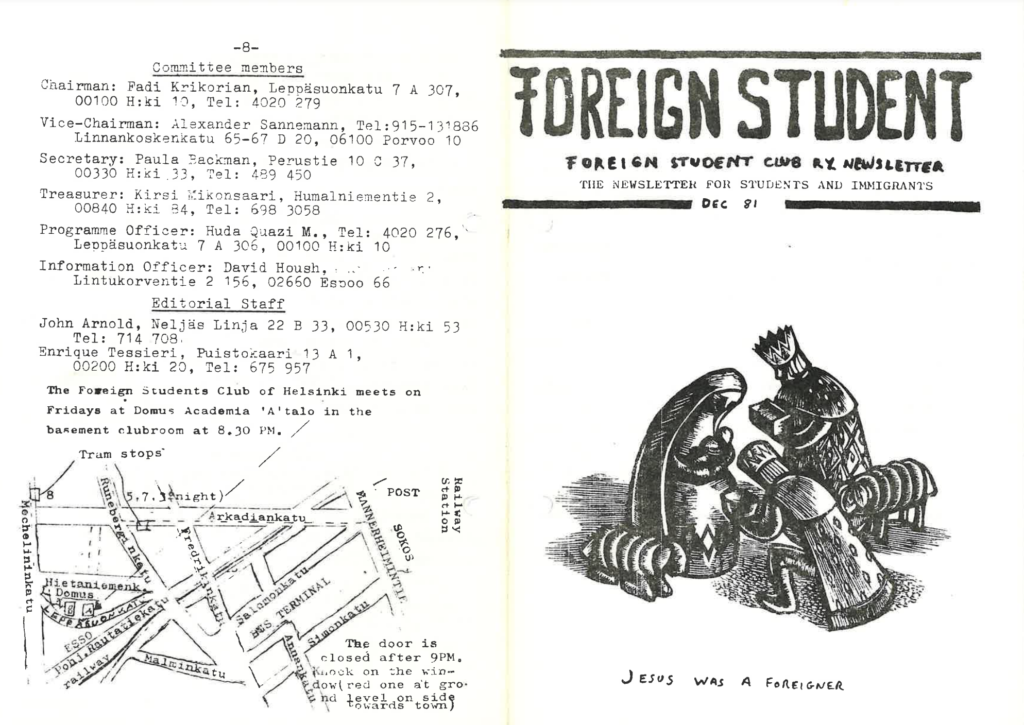
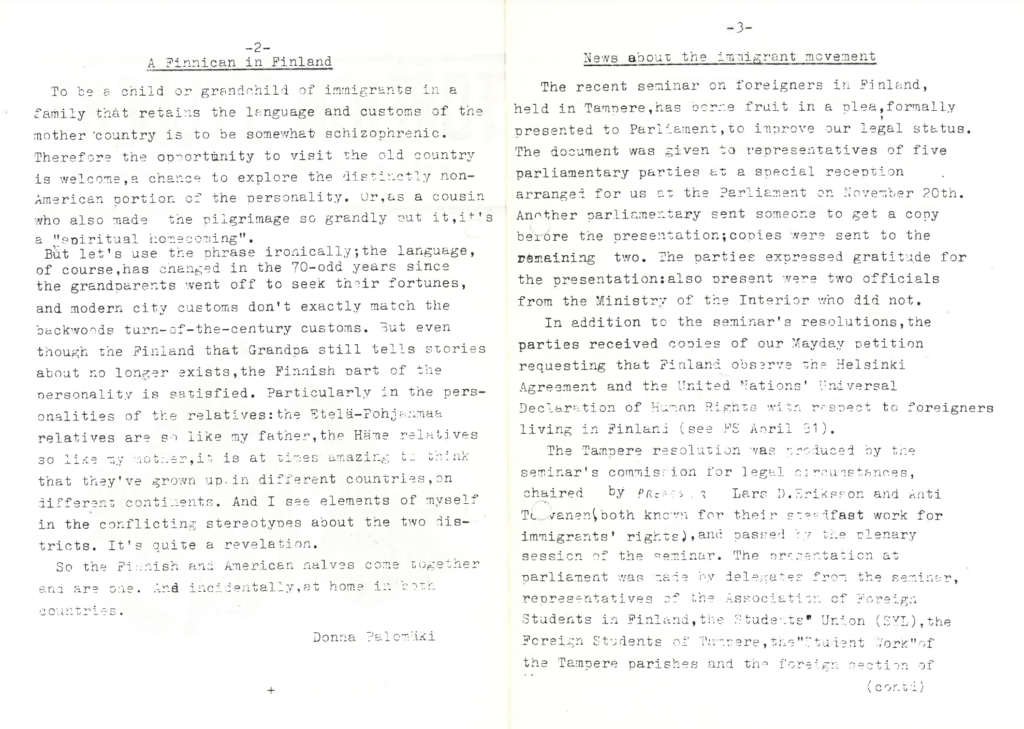
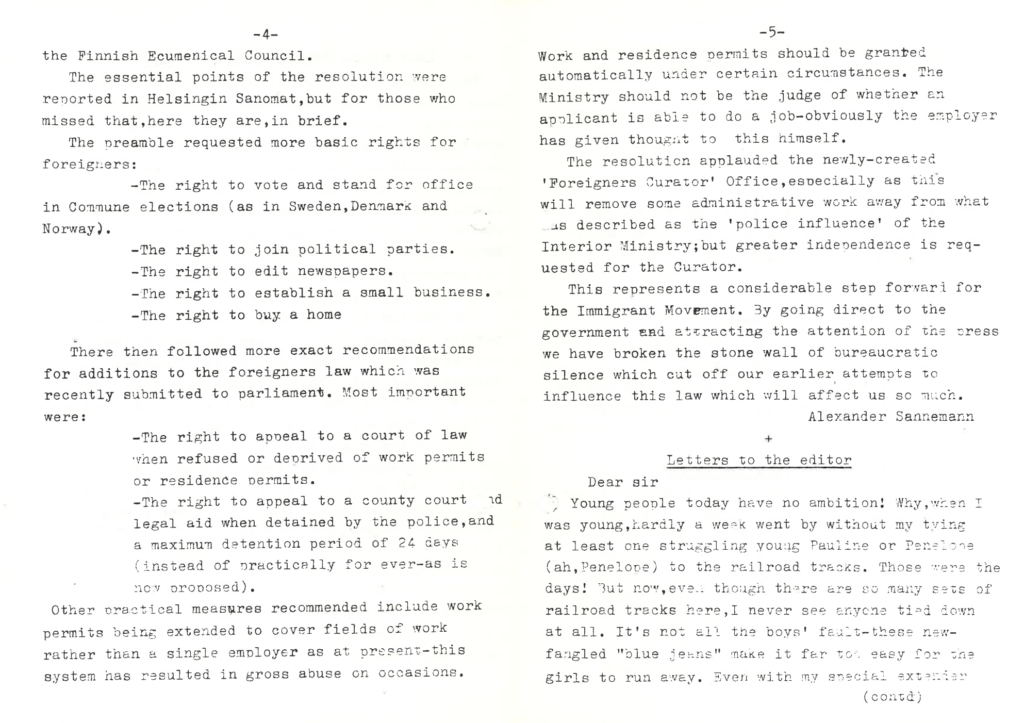
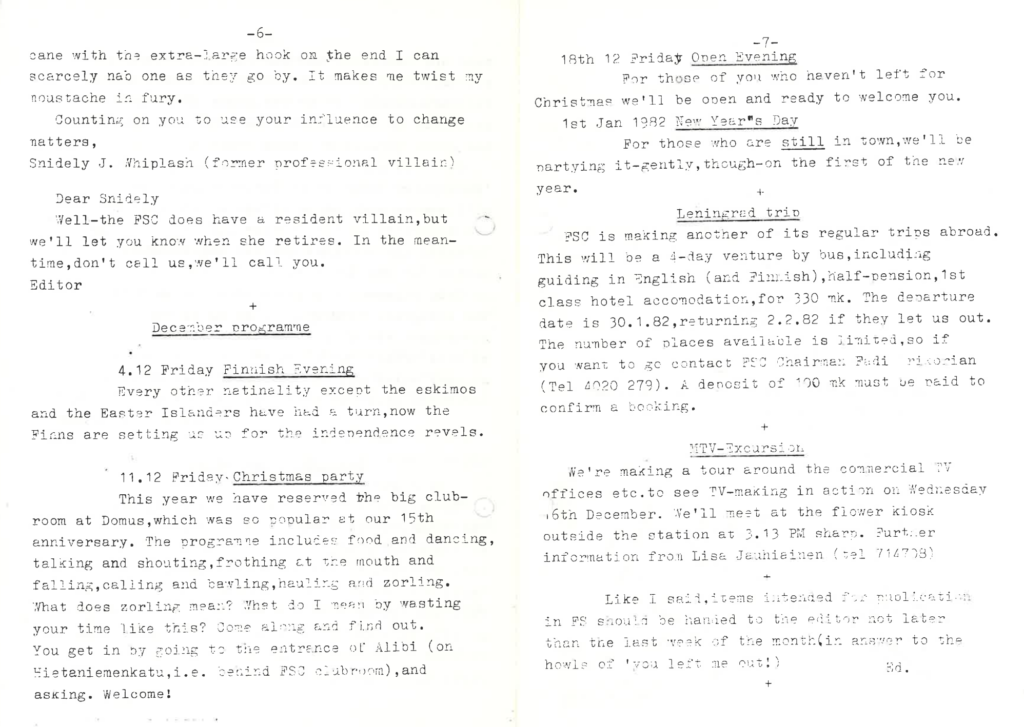
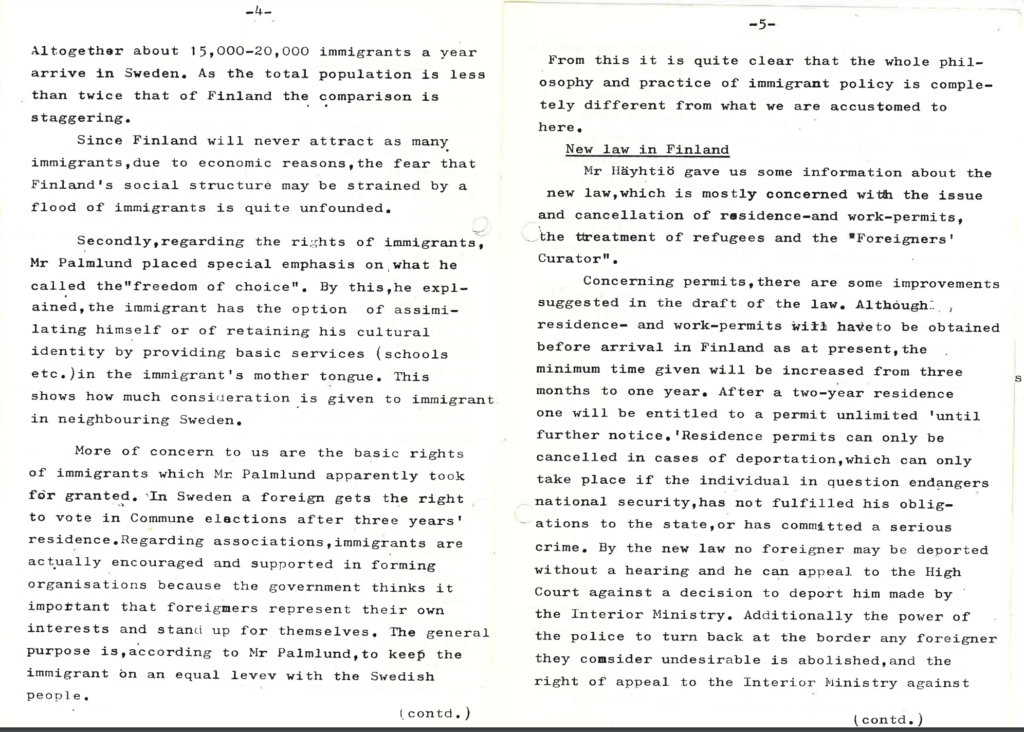
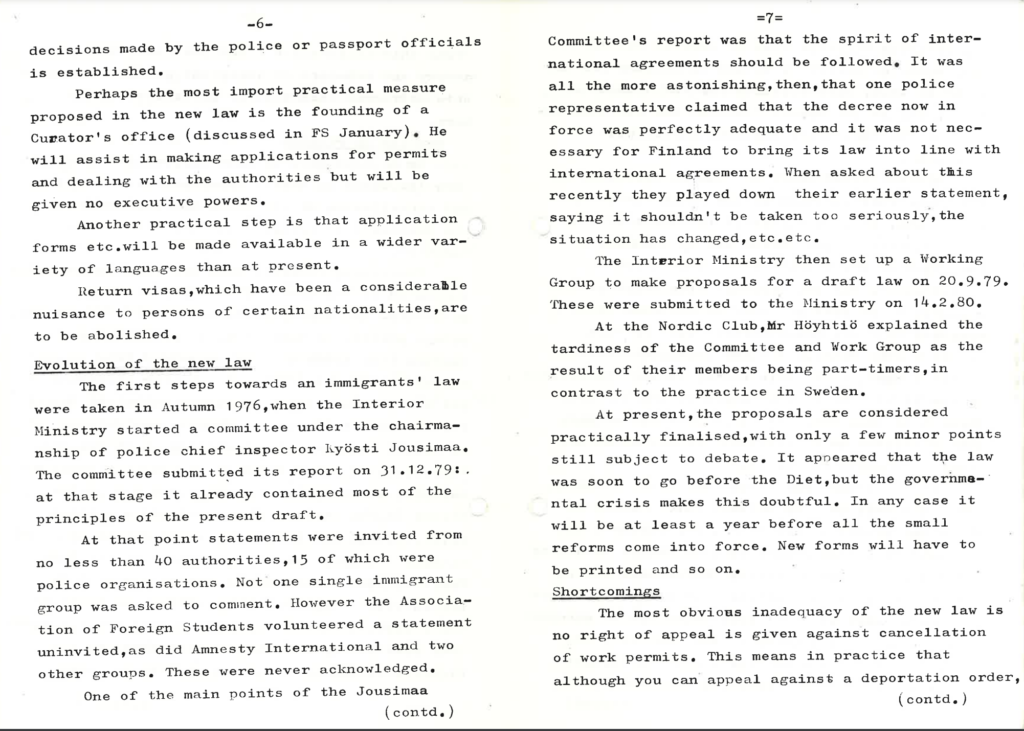
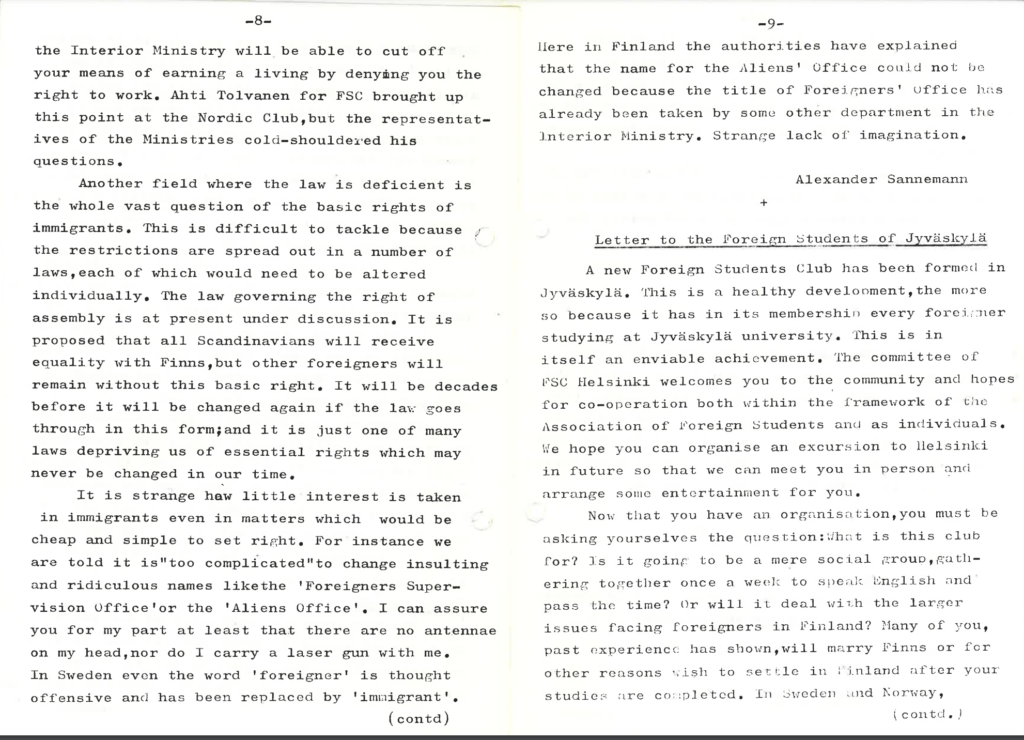
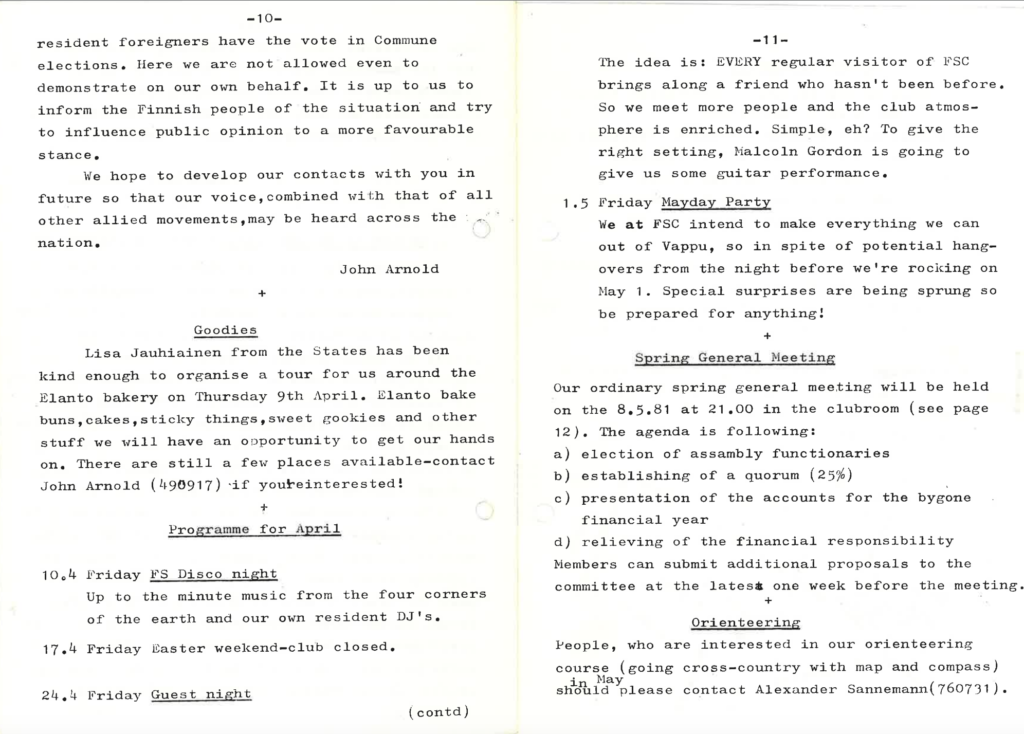
The December issue of the Foreign Student gave readers information about the ever-growing immigrant movement, which aims to improve foreigner rights in Finland. A seminar, which took place in Tampere, was attended by different political parties and officials of the interior ministry and religious groups.
“In addition to the seminar’s resolutions, the [political] parties received copies of our Mayday petition requesting that Finland observe the Helsinki Agreement and the United Nations’ Universal Declaration of Human Rights with respect to foreigners.”
Some demands made at the seminar in Tampere for greater foreigner rights included:
The right to join political parties.
The right to edit and own newspapers.
The right to establish a small business.
The right to buy a home [own property].
The right to appeal to a court of law when refused or deprived of work permits and residence permits.
The right to appeal to a county court and legal aid when detained by the police, and a maximum detention period of 24 days (instead of practically for ever as is now proposed).
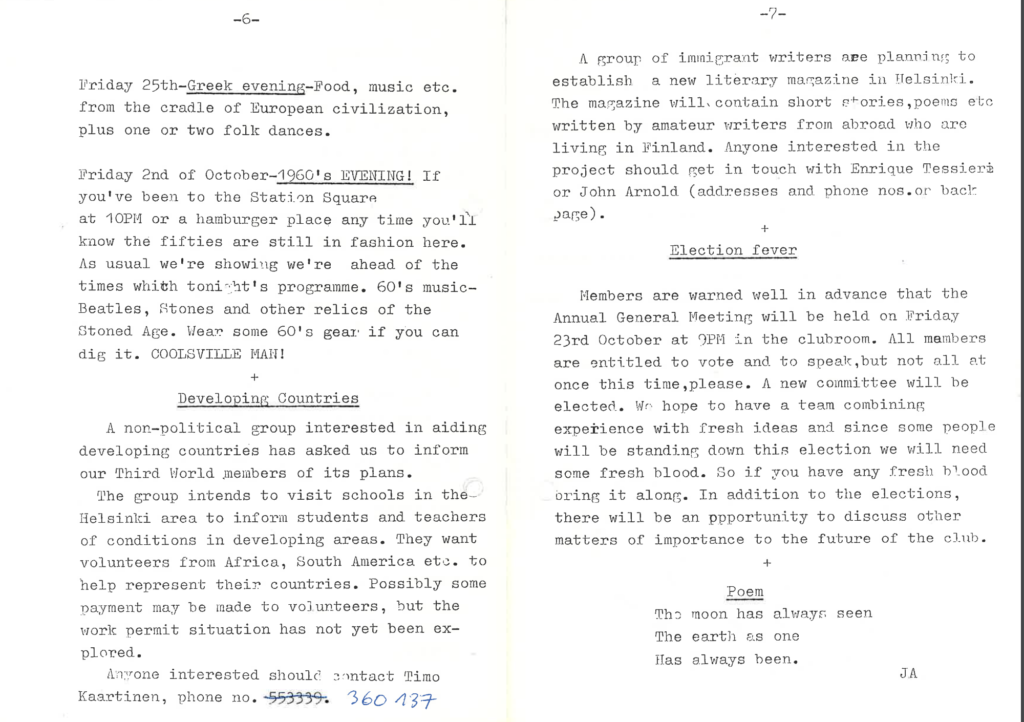
Club members had the opportunity to read in the Foreign Student the Foreign Student Club’s newly elected Chairperson Fadi Krikorian’s views on the club’s direction. After thanking the previous board for their good work, Fadi said that the prospects of the club are good.
“…tradition programmes such as international evenings will continue, there will be trips inside and outside Finland, and there will be many opportunities to familiarise Finns with visitors in their country. And to the Finns I would add, come to our club and enjoy an exotic atmosphere right here in Finland,” wrote Fadi.
The new board of the club was: Fadi, chairperson; Alexander Sannemann, vice-chairperson, Paula Backman, treasurer (formerly secretary); Huda Quazi M., programme officer; David Haush, information officer, replaced Vinaya Gupta; John Arnold and Enrique Tessieri are the editorial staff of the Foreign Student.
Unfortunately, the new chairperson did not mention in his column anything about the activism of the club in securing better rights for foreigners in Finland.
Vice Chairperson Alexander Sannemann writes about how the Foreign Students Club is not a political association. The response was a comment by Chairperson Enrique Tessieri earlier who mentioned at a meeting that the club also has a political role.
The reaction of some members shows how sensitive some were concerning the type of activism and its political direction.
Writes Alexander: “This does not mean being politically active; if we identified our course with the aim of a single political party it could indeed, but this is exactly what we have not done. We have shown our willingness to co-operate with all movements to emphasize our strict neutrality.”
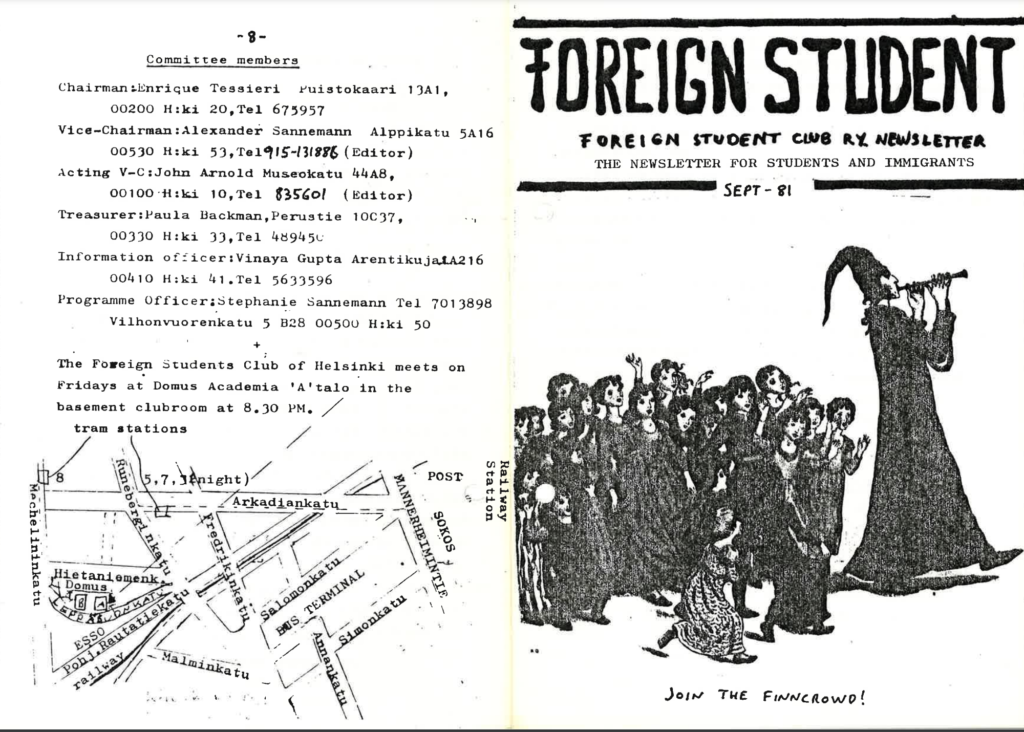
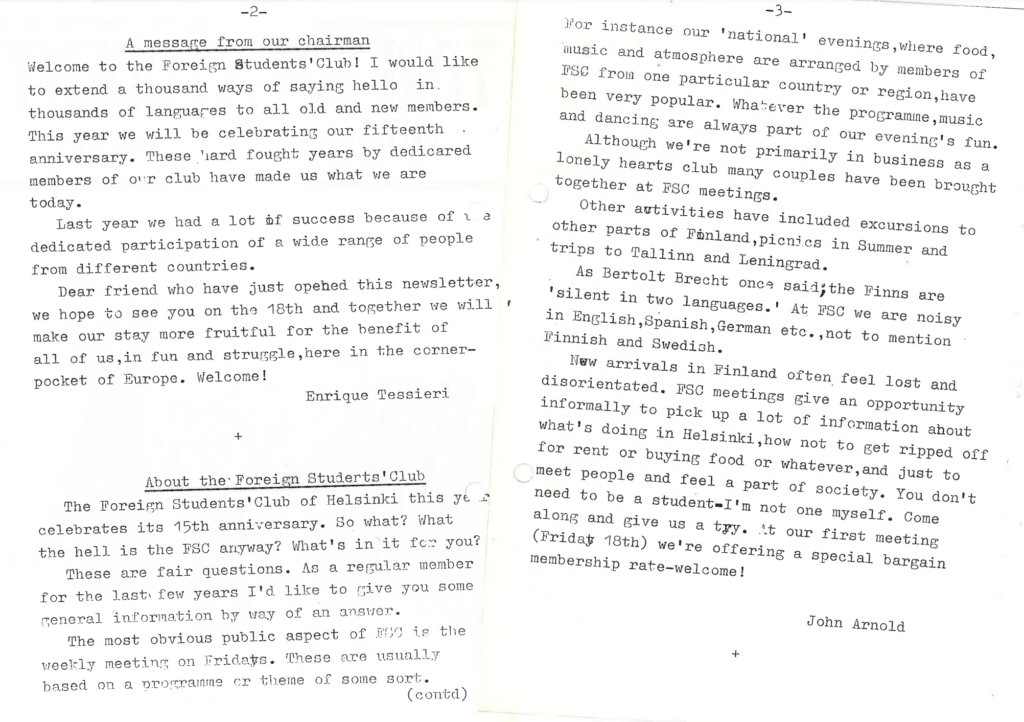
After a three-month summer break, the September issue of the Foreign Student came out and wished all the members welcome back and gave them a heads-up about the Foreign Students Club’s 15th anniversary celebrations in October.
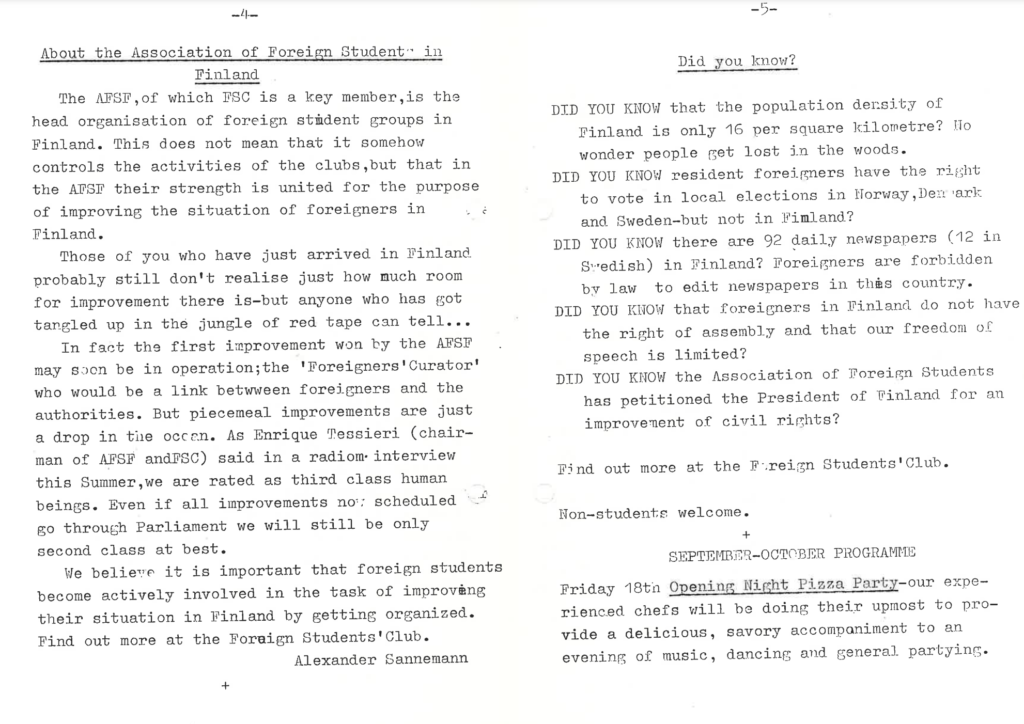
Vice chairperson Alexandr Sannemann wrote that in Finland there is a lot of room for improvement concerning foreigner rights.
“We believe it is important that foreign students become actively involved in the task of improving their situation in Finland by getting organized. Find out more at the Foreign Students’ Club,” wrote Sannemann.
The January 1982 issue of the Foreign Student was the last newsletter that came out. The newsletter did not shy away from controversy, but the last issue was too much for some. The Foreign Student got itself in trouble with the newly elected president of the club, Fadi Kriokorian, who wanted less controversial stories published.
In protest, the whole editorial board resigned and that was the end of the newsletter.
The women, who allegedly changed her story and forced an Algerian law student, Adda Lahkar, to be deported from Finland, threatened to take the newsletter to court for defamation if I did not publish a retraction that “had to be approved by her.”
I told her to go fly a kite and if she wanted to sue I would be more than happy to see her in court. End of story.
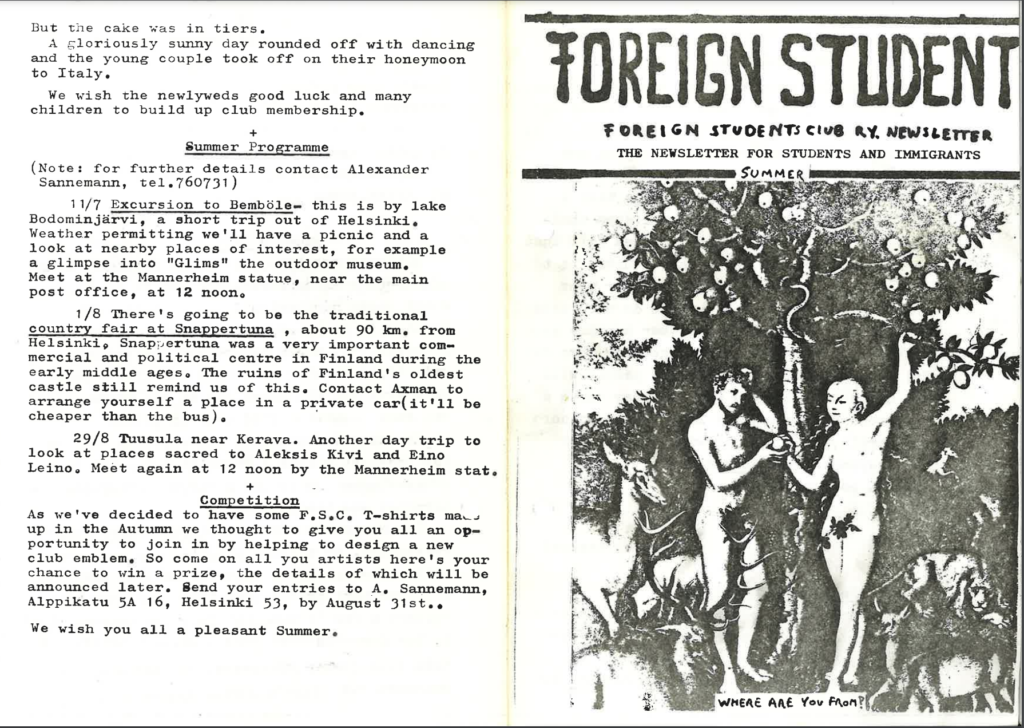
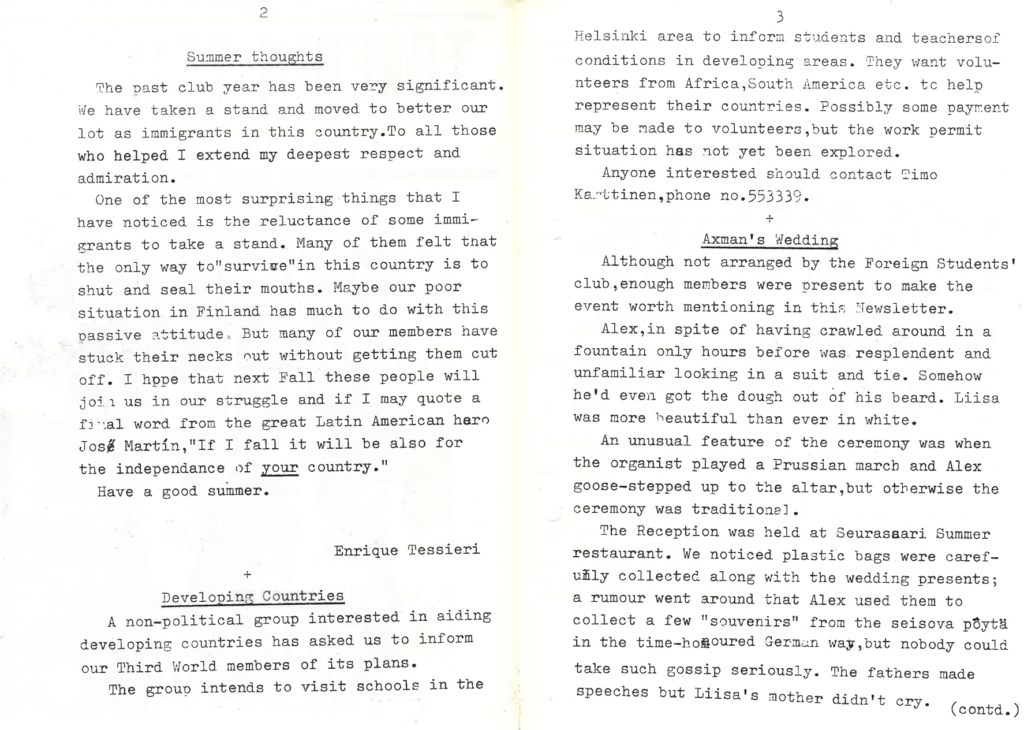
If the April issue was the longest with 12 pages, then the summer issue was the shortest Foreign Student with only four pages. Apart from wishing everyone a good summer and thanking the activism of its members, the Foreign Student expressed disappointed with those who did not speak out.
“The past club year has been very significant. We have taken a stand and moved to better our lot as immigrants in this country. To all those who helped I extend my deepest respect and admiration,” wrote Enrique Tessieri. taken
There were some kind words for Foreign Students Club vice chairperson, Alex Sannemann’s wedding in Seurasaari.
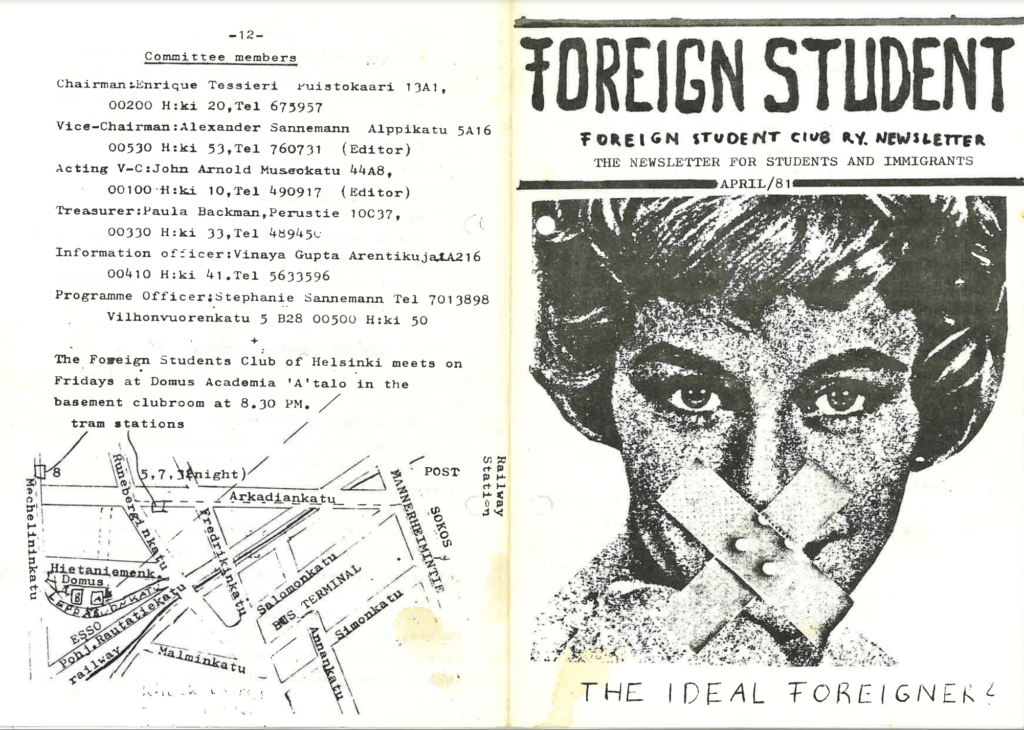
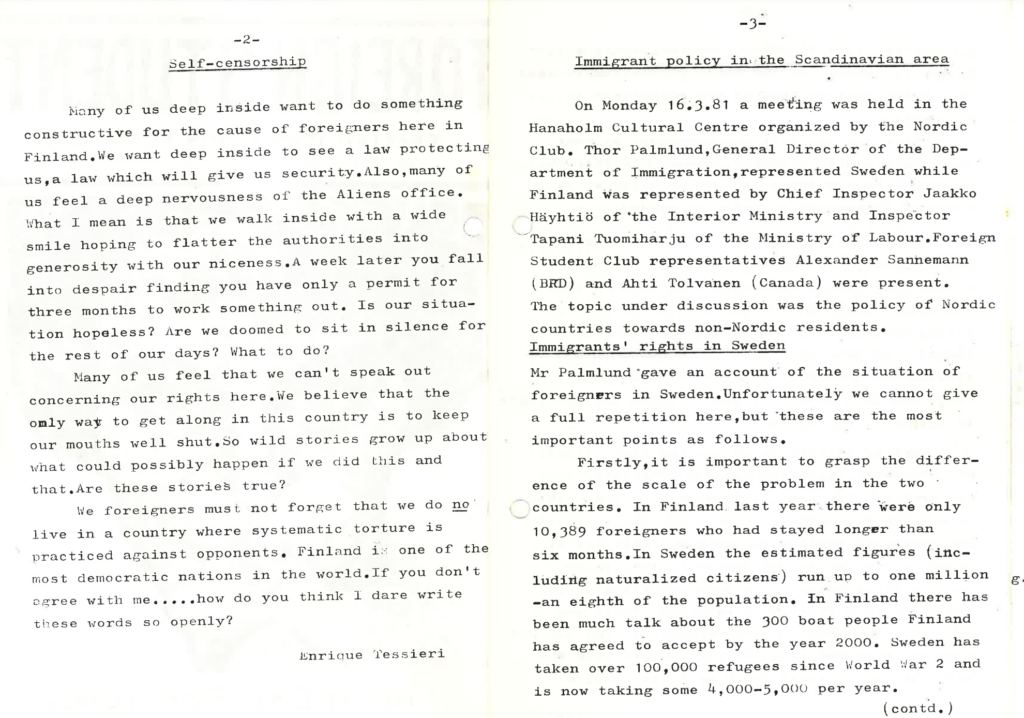
The April 1981 issue of the Foreign Student marks an important turning point where the Foreign Students Club openly calls for better rights for foreigners. The front page picture, with two band-aids covering a Lux commercial woman’s mouth, was Enrique Tessieri’s and Alex Sannemann’s idea. The newsletter did not hide its intention either. On the front page, it now read “THE NEWSLETTER FOR STUDENTS AND IMMIGRANTS.”
The newsletter was packed with an editorial about challenging self-censorship, and a comprehensive update about the new aliens’ law.
What drives the government, particularly Minister of the Interior Mari Rantanen of Perussuomalaiset (PS), to give utmost attention and tackle the issue of youth street gangs? Is it a sincere attempt to solve such a social problem, or an opportunity to further victimize migrants and minorities in Finland?
The assertion isn’t far-fetched. The PS is historically the first major contemporary Finnish party to benefit stigmatizing other groups, such as Muslims, Africans, and other non-EU nationals, as less valuable.
Many of Rantanen’s social media posts before the April election, which were deleted and white-cleaned after the election, were based on racist far-right conspiracy theories. “We shouldn’t be so blue-eyed that soon we won’t be blue-eyed,” is one of her infamous quotes. Sinisilmänen, or blue-eyed, means being naive in Finnish.
Moreover, although these types of quotes do not instill credibility in Rantanen’s ability to find solutions to youth problems, her efforts are further shot to pieces when she blames the “problem” on the “wrong” type of immigration policy.
Another takeaway is the government’s statements about clamping down on youth crime and its near-silence on far-right terrorism.
Another matter that raises red flags is the PS’s track record. In all the general elections in 2011, 2015, 2019, and 2022, the party has used successfully a migrant crime theme to attract voters to the polls.
Neighboring Sweden held its election in September 2022 against a backdrop of spiraling gang violence where over 60 people were killed.
By promising to get tough on such crime, the Sweden Democrats, a party with neo-Nazi roots, and the Moderate Party led the right-wing bloc to victory. Their success also provided the PS with an important migrant crime theme to exploit politically. The problem, however, was that Finland’s youth gang problem was small compared with Sweden’s.
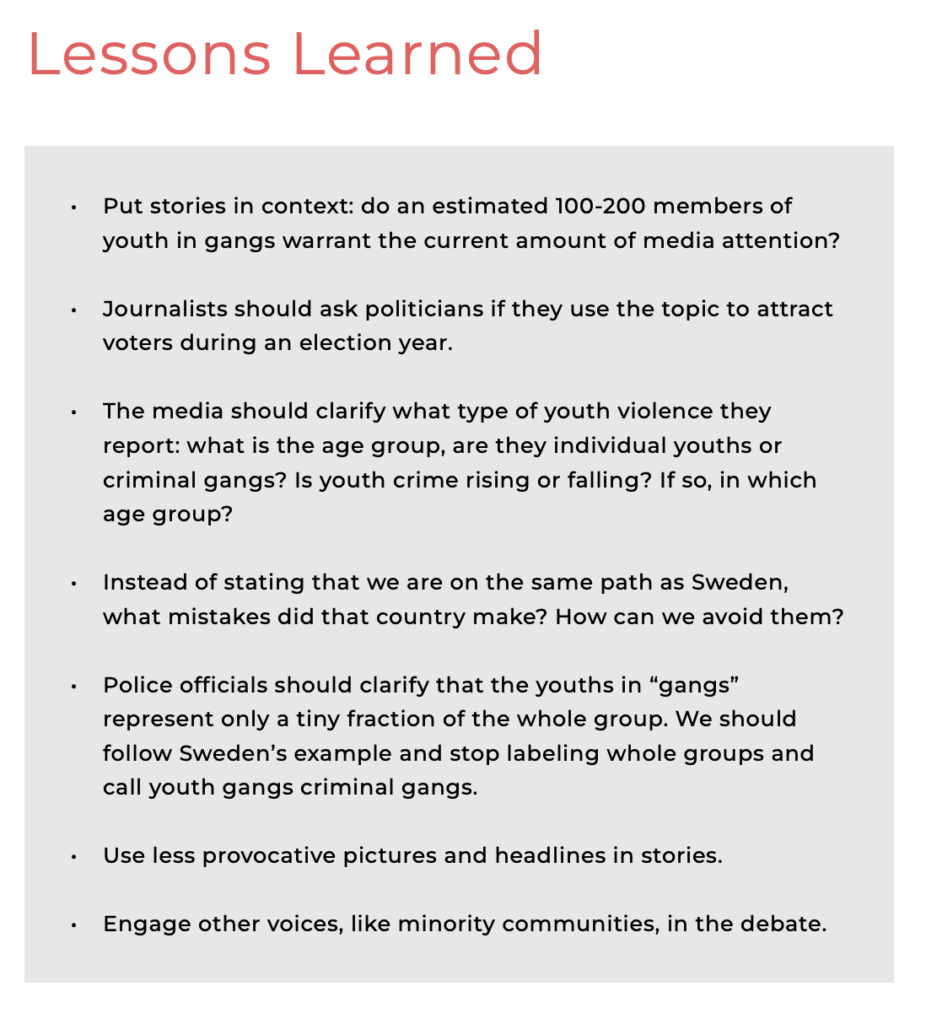
In the autumn of last year, the police estimated that there were 100-200 gang members in Helsinki and Turku.
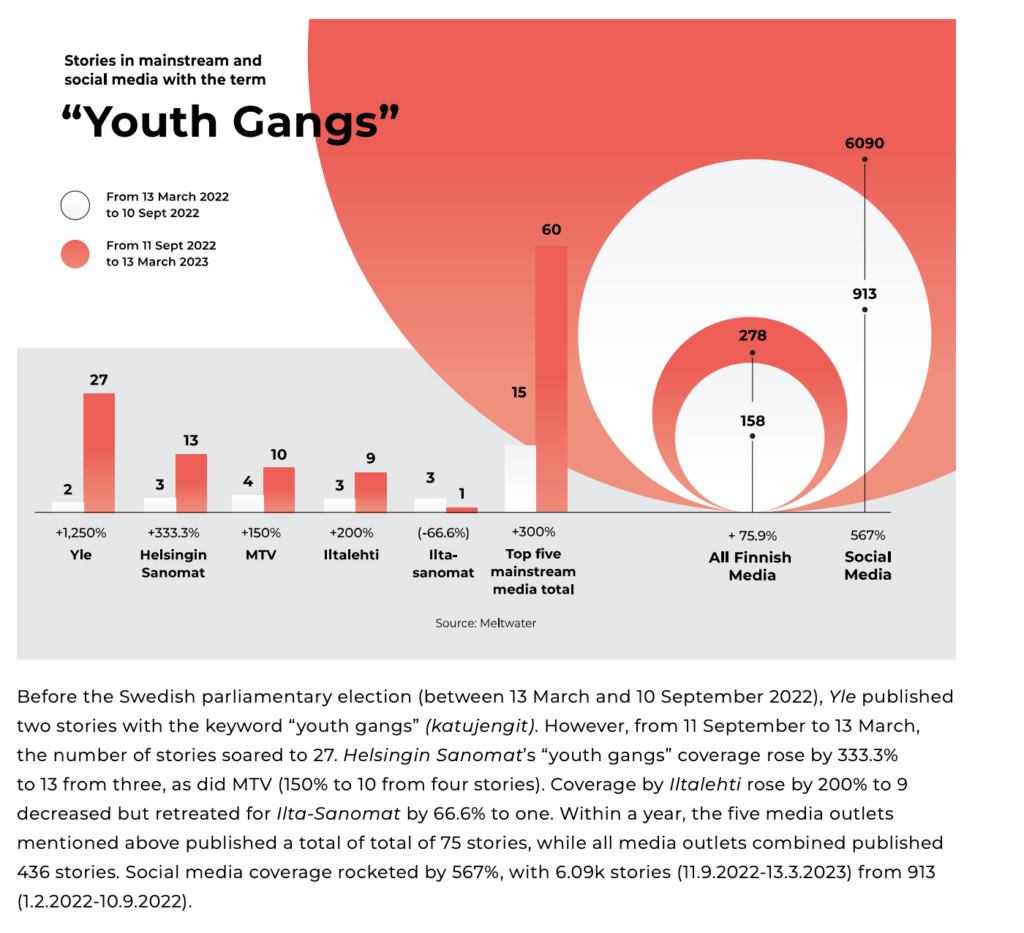
As crime is usually an important topic covered by the media, it attracts more attention if so-called people of foreign backgrounds are part of the narrative. Should it surprise us that coverage of Finland’s youth gang “problem” started to grow rapidly in October after the September elections of Sweden?
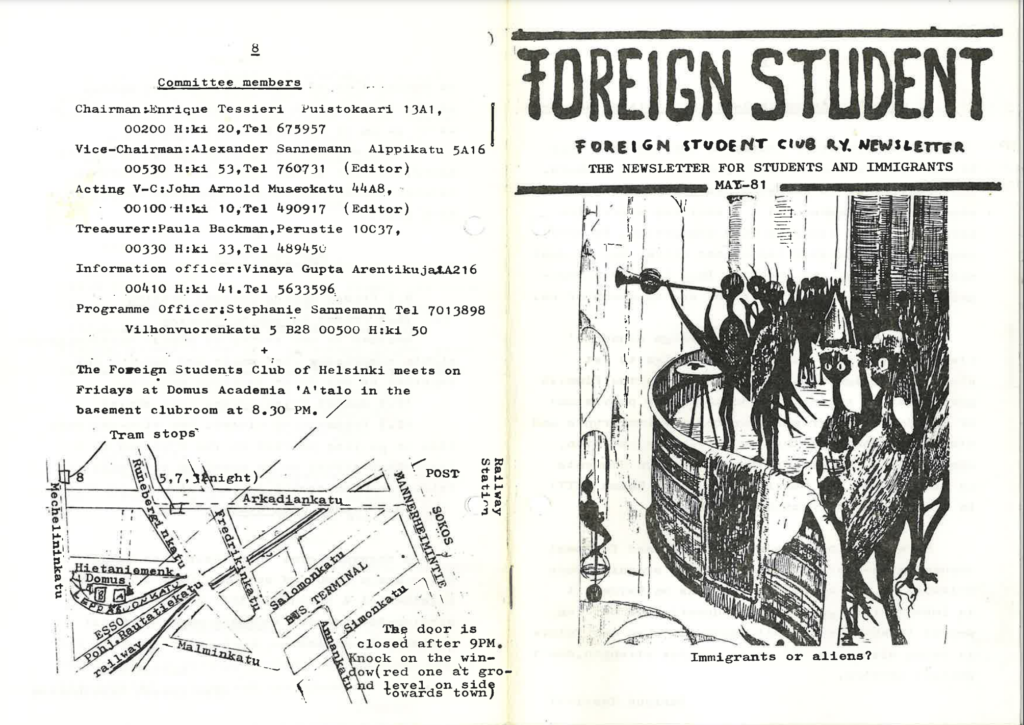
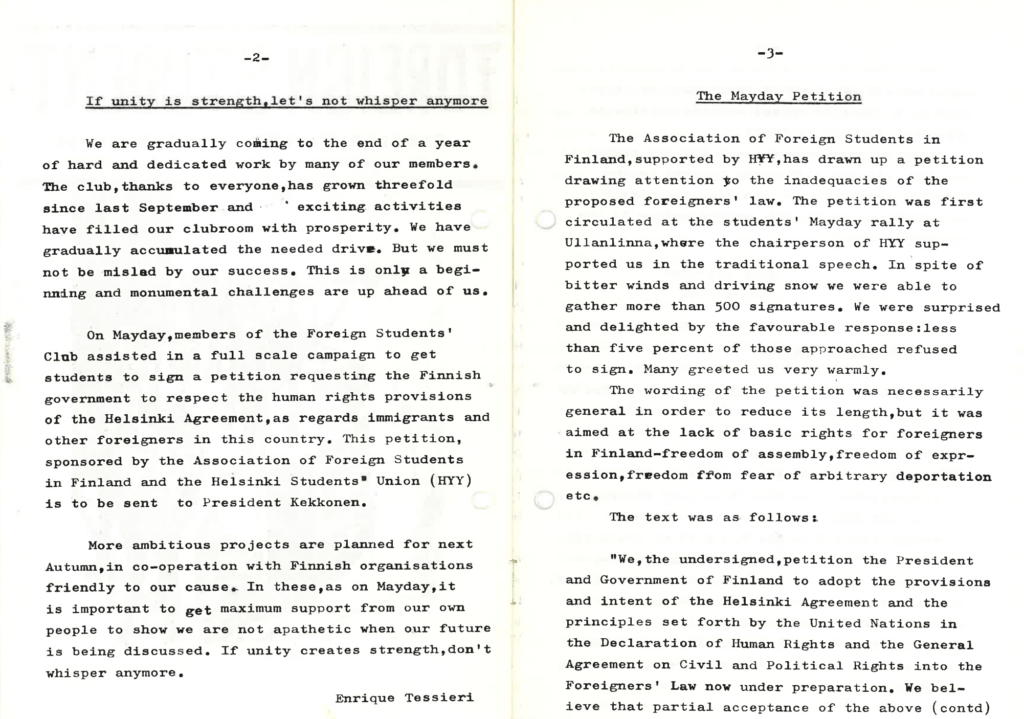
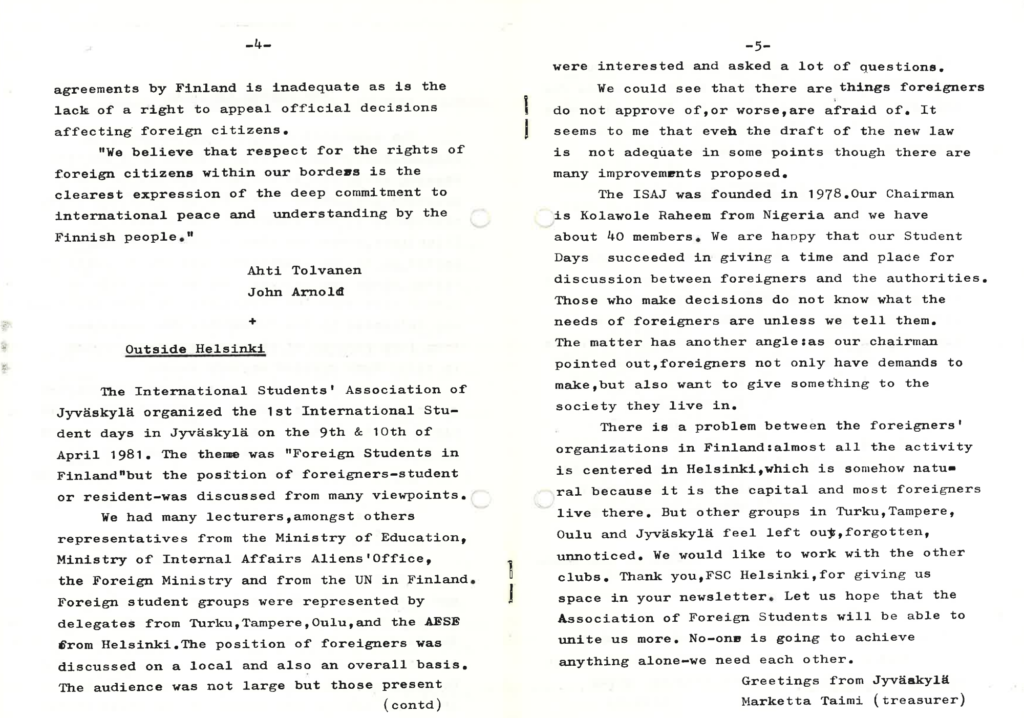
In the May 1981 issue, the Foreign Student continued to mirror the activism of some of the Foreign Students Club’s members against Finland’s arbitrary and unjust treatment of foreigners. The newsletter reported on the Mayday petition, which received over 500 signatures demanding basic human rights for foreigners.
“If unity creates strength, don’t whisper anymore,” wrote the May issue of the Foreign Student.