
Migrant tales
Menu
  • #MakeRacismHistory “In Your Eyes”
  • About Migrant Tales
  • It’s all about Human Rights
  • Literary
  • Migrant Tales Media Monitoring
  • NoHateFinland.org
  • Tales from Europe
Menu

Tag: Winter War

YLE in English: Finnish Sports Federation apologizes after 75 years to a Finnish-Jewish runner

Posted on September 21, 2013 by Migrant Tales

As Finland races into the depths of the new century and distances itself from the Winter (1939-40) and especially from the Continuation War (1941-44), I’m certain that there will be more proof about our collusion with Nazi Germany. One such story appeared Friday, when YLE in English reported on the Finnish Sports Federation’s (SUL) apology to a Jewish runner. 

Kuvankaappaus 2013-9-21 kello 11.17.33

Read full story here.

In a 1938 athletics meet, a Jewish runner of the Helsinki Makkabi sports club was placed fourth despite winning the 100-meter dash race.

The sprint runner, Abraham Tokazier, won the race but Arne Savolainen was declared the winner with Tokazier coming in fourth.

The apology by SUL took 75 years and was only possible after Finnish author Kjell Westö mentioned the incident in his new book, “Kangastus 38.”

”Any manipulation or distortion of results is shocking and against basic sporting values,” SUL chairman Vesa Harmaakorpi said in a statement. ”The judges clearly made a mistake in the 1938 meet. I would like to offer a humble apology to the athlete and his relatives on behalf of the Finnish Sports Federation.”

Leo-dan Bensky, honorary chairman of Makkabi Helsinki, said that the apology wasn’t good enough since SUL doesn’t want to retrospectively change the result of the race.

”It’s a step in the right direction, but until the result has been corrected, we don’t see the matter as resolved,” he was quoted as saying on YLE in English.

Historians like Simo Muir and Malthe Gasche state in a book called “Finland’s Holocaust” that Urho Kekkonen, the Finnish Sports Federation chairman and Finland’s president (1953-81), may have influenced the final result of the 1938 race.

Image1-3_edited-11

Finland was allied militarily with Nazi Germany during the Continuation War. Why is it still so difficult to open up this questionable period? Was Finland Adolf Hitler’s ally because it hated and wanted revenge against the Soviet Union or was it because it generally believed in Nazi Germany’s new world order and racial policies?

Citing newspapers from the time, Muir and Gasche state that there was a drive to make sure that Finnish Jewish athletes did not participate or represent the country in the 1940 Olympic Games in Helsinki.

Helsingin Sanomat claims that there may have been high-ranking Nazi German officials at the 1938 athletics meet, which forced SUL to change the final result.



Migrant Tales (May 26, 2011): Racist propaganda during Finland’s Winter War (1939-40)

Posted on August 28, 2013 by Migrant Tales

Consequently, racial prejudice and discrimination are nonexistent (in Finland).                                                                                                        Heikki Waris, An introduction to Finnish Society (1965), p. 2

Finland was also denying in the 1960s that racism did not exist because there weren’t any foreigners living in the country. Racism has, however, been part of our culture for a very long time: Kongoshoe polish, Neekeripusu (n-word kiss) chocolate,  the Fazer licorice Gollywog are some examples of how this social ill had implanted itself in the national culture.

If Waris and other researchers wanted to find out if racism existed in our culture, all they’d have to do was study Finns that emigrated to Africa, North and South America. I once asked a second-generation Finn in Argentina how many races there existed in the world. “There are three,” he said. “White, black and pitch-black.”

We can even see racism prevalent in a Suomen Kuvalehti Easter 1940 issue: “In the East Indies Islands there appears a strange form of sudden mental disorientation that is called ‘running amok,’ or being taken over by horror and then reacting in a mad fashion. Even while running away from battle with a dagger in hand, the inflicted person rushes here and there striking anyone dead (that gets in his way).”

And then on the next page of the story is a picture of two Finnish solider representing the “civilized” world who know how to keep calm in the face of shocking situations. “Can somebody imagine for example that these Finnish soldiers would “run amok?” the caption reads.

The gist of the story by PhD Jan Gästrin, headlined “Spiritual discipline,” is that blacks are uncivilized and Finns civilized. In battle Finnish soldiers don’t “run amok” but can withstand the most rigorous tests of war: rats, lice, poisoned air etc.

racist-winter-war

The first page of a Suomen Kuvalehti article published in 1940 that attempted to show how the European white man was superior to blacks.

Note: The author apologizes for the racist content of the Suomen Kuvalehti article and wants to make clear that he does not play down the valiant fight the Finns put up against the former Soviet Union in the Winter War.

This blog entry was originally published May 26, 2011.

Where are you from?

Posted on June 10, 2013 by Migrant Tales

Even if I have lived most of my adult life in Finland and my mother is Finnish, I’m still asked occasionally where I’m from. In a spirit of mutual respect, I ask the person the same question. Some don’t like it. 

The innocent question, where are you from, reveals a lot about our prejudices and ignorance about who we consider Finns.

In order to emphasize their Finnishness at the cost of your Otherness, you’ll even get sometimes a lesson in race-and-blood myths and how their ancestors have lived for centuries in Finland.

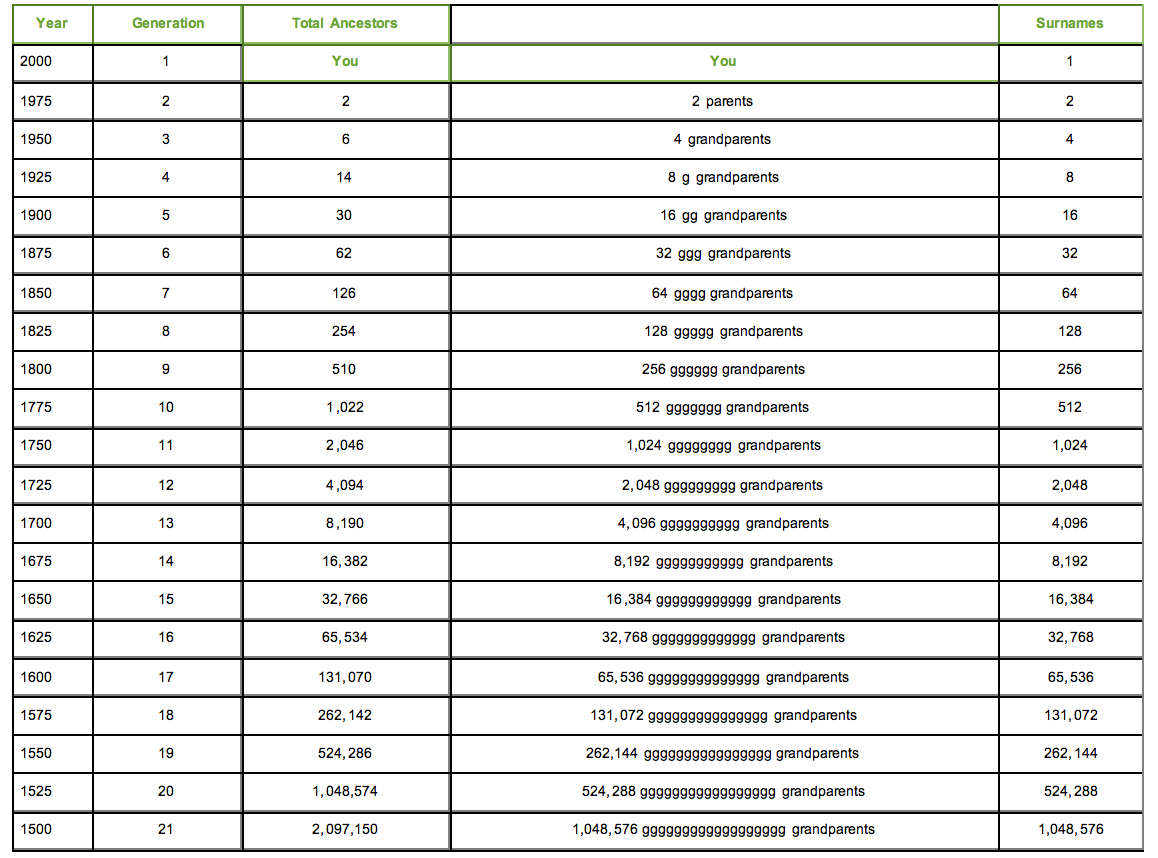
When faced with such exclusive views of who is a Finn, I ask them how many ancestors they’d have if they went back 20 generations. The answer is about one million.

Kuvankaappaus 2013-6-10 kello 8.23.30Read full story here.

Then there are those who claim they are as old as Methuselah, a biblical figure who died at the age of 969. Those who play Methuselah claim that their great grandparents fought in this and that war and built this land from scratch even if they had never seen war never mind suffered poverty.

I ask them a simple question: Are you 150 years old?

One matter that gives hope about building a more inclusive society is that we are still a young nation. Our national identity, which is nothing more than a social construct,  was built by and large on wars and our loathing of Russia. This must change in order to make our society more inclusive and acceptant of cultural diversity.

Certainly we should respect our veterans. Even if they had no choice but to fight in trenches and die in battlefields, we don’t have to be there with them since the Winter (1939-40) and Continuation War (1941-44) ended over sixty years ago. We have to forgive and move on. The longer we stay in those trenches the longer we’ll be resentful and suspicious of the outside world.

Despite all the challenges facing us during this century as we become a culturally diverse society, I’m confident that we’ll succeed at the task.

Our Nordic democratic social welfare state values and the spirit of our laws ensure success.


Finland’s biggest threat is itself

Posted on February 23, 2013 by Migrant Tales

As Finland awakens to the reality that it is a culturally diverse society, one of the biggest threats and challenges we face doesn’t come from abroad but from our backyard. When the Civil Rights Movement ended in the United States in 1968, the first matter that we learned we should stop doing is generalizing about blacks and other groups.  

It’s sad to admit that some prejudices in Finland are so old that people believe them to be scientific fact. Prejudice is a powerful political force that was capitalized by the anti-immigration Perussuomalaiset party in the April 2011 election.

Finns are even prejudiced against themselves. Some believe that Hämäläinens in southern Finland are “slow” and that people from Savo in eastern Finland are “crooked.”

racist-winter-war

Racism has powerful roots in Finland. One could even see it on a Suomen Kuvalehti article published in 1940 that attempted to show how superior the Finnish white soldier was to blacks.

Mexican_edited-1

Blacks are no longer found on racist ads but other ethnic groups like Latinos. This picture was taken at the Pieksämäki train station in July 2007. The owners of the café no longer use this sign outside their premises.

Giving up one’s prejudices isn’t easy but not impossible.

We fortunately have great laws that are based on social equality (tasa-arvo) and respect. Our successful society would be nothing today without these laws.  Instead of building bridges of acceptance, respect and tolerance, we’d be destroying those bridges with intolerance.

How, then, is it possible that such an exemplary society like ours could breed people with so much hatred and prejudice against other groups?

While there are many people who understand the importance of cultural diversity in this country, there are still too many who are reactive to it.

Despite the spirit of our present laws, they mean little and are robbed of their power if they are caged by prejudice, racism and above all by our silence.

Blaming our history on some of our intolerance is a too simple but it is one answer that sheds light on the present problem.

Few young people in Finland know that we used to be a very closed country only thirty years ago and our laws reflected this situation as well.

Foreigners were not only barred from investing in the country but the Aliens’ Office made everything possible to ensure you didn’t move here.

If is shameful that a country that saw over 1.2 million emigrate between 1860 and 1999, treated immigrants in Finland like stateless persons who didn’t even have the right to habeas corpus. Immigrants were seen at the time as a threat to national security.

Prior to our first Aliens’ Act of 1983, which came into force sixty-five years after independence, foreigners could be arrested at will by the police, held indefinitely in jail and deported without the right to appeal.

During the Great Depression, Finland enacted the Restricting Act of 1939 that kept foreigners and outside investment to a minimum. The act prohibited foreigners from owning real estate and acquiring a majority stake in Finnish companies – limiting this to 20% normally and 40% under special permission.

The act stipulated that foreigners could not own shares in sectors such as forestry, securities trading, transportation, mining, real estate and shipping.

To maintain this climate of suspicion against foreigners, the school played an important role in teaching young Finns myths in order to be prejudiced against  other groups.

neekeri

 At schools, Finnish children were taught at an early age that “n” stands for the n-word.

Fortunately times are changing!

Finland’s mini Breivik: gunman kills two and wounds seven

Posted on May 27, 2012 by Migrant Tales

What motivates a young man to take the law in his own hands and kill indiscriminately defenseless people? While we still don’t know the motives behind the killings in Hyvinkää, the suspect’s “likes” on Facebook may offer us some clues. 

Writes YLE in English: ”Police in the town of Hyvinkää, some 50km north of Helsinki, say a young man dressed in military fatigues began shooting with a rifle from the roof of a building in the city centre at 1:53am Saturday…

An 18-year-old woman was killed. Another victim, a 19-year-old man, died later in a hospital. Seven other people have been hospitalised with gunshot wounds, including a 23-year-old woman police trainee, who has critical injuries.”

Human rights activist and writer, Jussi K. Niemelä, states that the suspect’s “likes” on Facebook suggest the usual far-right ideology. Some of the suspect’s “likes” include the anti-immigration Perussuomalaiset party, Bundeswher, the German Defense Force, and Simo Häyhä, a Finnish sniper nicknamed “White Death” by the Red Army during the Winter War (1939-40).

Some have called the gunman Finland’s Anders Breivik, who killed 77 victims in Norway.

While we have to wait for the final report by the police to know the killer’s probable motives, one matter is certain: The attack was senseless and reveals the illness that has inflicted our society today.  It is the same ogre that we saw kill innocent victims in Jokela and Kauhajoki.

Migrant Tales offers its heartfelt condolences to the families of the victims.

Racist propaganda during Finland’s Winter War (1939-40)

Posted on May 26, 2011 by Migrant Tales

By Enrique Tessieri

Consequently, racial prejudice and discrimination are nonexistent (in Finland).                                                                                                          

Heikki Waris, An introduction to Finnish Society (1965), p. 2

Finland was also denying in the 1960s that racism did not exist because there weren’t any foreigners living in the country. Racism has, however, been part of our culture for a very long time: Kongo shoe polish, Neekeripusu (n-word kiss) chocolate,  the Fazer licorice Gollywog are some examples of how this social ill had implanted itself in the national culture.

If Waris and other researchers wanted to find out if racism existed in our culture, all they’d have to do was study Finns that emigrated to Africa, North and South America. I once asked a second-generation Finn in Argentina how many races there existed in the world. “There are three,” he said. “White, black and pitch-black.”

We can even see racism prevalent in a Suomen Kuvalehti Easter 1940 issue: “In the East Indies Islands there appears a strange form of sudden mental disorientation that is called ‘running amok,’ or being taken over by horror and then reacting in a mad fashion. Even while running away from battle with a dagger in hand, the inflicted person rushes here and there striking anyone dead (that gets in his way).”

And then on the next page of the story is a picture of two Finnish solider representing the “civilized” world who know how to keep calm in the face of shocking situations. “Can somebody imagine for example that these Finnish soldiers would “run amok?” the caption reads.

The gist of the story by PhD Jan Gästrin, headlined “Spiritual discipline,” is that blacks are uncivilized and Finns civilized. In battle Finnish soldiers don’t “run amok” but can withstand the most rigorous tests of war: rats, lice, poisoned air etc.

The first page of a Suomen Kuvalehti article published in 1940 that attempted to show how the European white man was superior to blacks.

Note: The author apologizes for the racist content of the Suomen Kuvalehti article and wants to make clear that he does not play down the valiant fight the Finns put up against the former Soviet Union in the Winter War.

Banishing the racial myths of Finland

Posted on December 20, 2009 by Migrant Tales

One of the matters that cultural diversity will bring to Finland is challenge the very myths and views of itself especially on the ethnic front.

Even though Finns have created a well-functioning society founded on social justice, these values have basically applied to Finns. Apart from its geographic remoteness form the rest of Europe, some Finns have emphasized in the previous century their cultural and linguistic uniqueness through the hush-hush acknowledgement of  “racial hygiene.”

A good example of this is the professor of social policy Heikki Waris, who wrote in the 1950s: “When conditions in Finland are compared with those elsewhere, for instance in central and southern European countries with their many kinds of racial mixes and all the associated unmanageable social problems, the racial unity of our nation must be seen as a great source of strength.”

Contrary to other parts of the world, “race and language” were the driving forces of our independence as well. This fear, and in many cases hatred, of the Russians even unified the Whites and Reds from the Winter War (1939-40). In the post-war period, it gained further strength through Finland’s geopolitical isolation until its full political and economic integration with Western Europe came in 1995 through EU membership.

If one wants an explanation for the deep-rooted prejudice and racism that is still alive and kicking among some Finns, one does not have to go far to find the reasons behind this societal malice. Our history and near-consensus interpretation of it reveals why.

Matters on the so-called multicultural debate in Finland are still in such a diaper stage that even our political leadership takes special care not to step on the foot of those that make racism respectable instead of defending those that are the victims of their attacks.

The highly one-sided debate in Finland on immigrants is seen as a threat by some Finns because new members of our society bring different points of views. As Finland becomes more multicultural demographically, some of our future historians, sociologists, writers, poets, politicians and others will challenge the very myths that were created in the previous century.

Our new identity and the history we write of ourselves as a nation in this century (new myths?) will be based on totally new points of departure. I for one believe it will be a very rich and inspiring debate that will strengthen our country. Given enough time, it will challenge more forcefully than ever those myths that keep the ogre of racism alive in our society.

It will be the awakening of a new Finland that will fit its needs as a nation in the new century.

Mannerheim and Finnish provincialism

Posted on November 28, 2009 by Migrant Tales

I heard yesterday an interesting talk on Marshall Carl Mannerheim (1867-1951) just a few days before the outbreak of the Winter War exactly 70 years ago on November 30, 1939. The talk centered on different aspects of the Civil War of 1918 and how Mannerheim saw the world.

Those who have studied this man, know that he was not the easiest person to get along with and had a mean temper. If he would wake up today from his eternal sleep, one of the matters that would shock him is our liberal, democratic Nordic welfare society.

Without stealing any of his thunder from those difficult decades when he led Finland, Mannerheim’s thinking would have been totally out of touch with these times.

Despite his strong distaste for dissension and the ideology behind Bolshevism (he was trained as an officer of Czarist Russia and had a soft spot for the Menshevics), his view of the world was more open than many Finns when the country became a republic in 1917. How many Finns had back then a broad international view of the world and were not overtaken by the hysteria of nationalism and petty provincialism?

How did nationalism and that narrow view of the outside world impact Finland during those crucial decades that led to the Winter and Continuation Wars? If mistrust and hatred of Russians was the driving force that unified some Finns back in those difficult times, how did it affect its foreign policy? Can we still see this same suspicion and mistrust today sprinkled in our views of immigrants?

Even though it is questionable that Finland could have done something to prevent the Winter War, there are a lot of question marks concerning the Continuation War. Answering, or pondering these queries seriously, will bring to light many things about ourselves as a a people and hitherto-unknown or hidden aspects of our history.

One of these is the reticent attitudes of Finnish authorities towards foreign investment (Restricting Act of 1939) and draconian laws to discourage foreigners to move to the country.

One of the biggest culprits, I am certain, were a small country’s petty provincialism, fear, and suspicion of the outside world.

Read more about documentary film
Read more

Recent Posts

  • Finland’s tabloids Iltalehti and Ilta-Sanomat are the pits
  • Riikka Purra’s Dr Jekyll and Mr Hyde mask
  • Double standards
  • Perussuomalaiset: Uusi logo, sama vanha juttu
  • Taco Trump

Recent Comments

  1. Absolutely Socking: Racist Finnish Facebook group against human rights gets flooded with socks on Musta Barbaari’s mother and sister charged by the police in “ethnic profiling” case
  2. Ilkka Nuotio on Pekka Myrskylä: “Tilastot kertovat toista kuin poliittinen keskustelu”
  3. Genrih Soinkara on The war in Ukraine and the Russian-Finnish border crisis are showing Finland’s ugly side
  4. Ahti Tolvanen on Comment by Ahti Tolvanen on the Helsinki +50 conference
  5. Angel Barrientos on Angel Barrientos is one of the kind beacons of Finland’s Chilean community

Archives

  • June 2026
  • May 2026
  • April 2026
  • March 2026
  • February 2026
  • January 2026
  • December 2025
  • November 2025
  • October 2025
  • September 2025
  • August 2025
  • July 2025
  • June 2025
  • May 2025
  • April 2025
  • March 2025
  • February 2025
  • January 2025
  • December 2024
  • November 2024
  • October 2024
  • September 2024
  • August 2024
  • July 2024
  • June 2024
  • May 2024
  • April 2024
  • March 2024
  • February 2024
  • January 2024
  • December 2023
  • November 2023
  • October 2023
  • September 2023
  • August 2023
  • July 2023
  • June 2023
  • May 2023
  • April 2023
  • March 2023
  • February 2023
  • January 2023
  • December 2022
  • November 2022
  • October 2022
  • September 2022
  • August 2022
  • July 2022
  • June 2022
  • May 2022
  • April 2022
  • March 2022
  • February 2022
  • January 2022
  • December 2021
  • November 2021
  • October 2021
  • September 2021
  • August 2021
  • July 2021
  • June 2021
  • May 2021
  • April 2021
  • March 2021
  • February 2021
  • January 2021
  • December 2020
  • November 2020
  • October 2020
  • September 2020
  • August 2020
  • July 2020
  • June 2020
  • May 2020
  • April 2020
  • March 2020
  • February 2020
  • January 2020
  • December 2019
  • November 2019
  • October 2019
  • September 2019
  • August 2019
  • July 2019
  • June 2019
  • May 2019
  • April 2019
  • March 2019
  • February 2019
  • January 2019
  • December 2018
  • November 2018
  • October 2018
  • September 2018
  • August 2018
  • July 2018
  • June 2018
  • May 2018
  • April 2018
  • March 2018
  • February 2018
  • January 2018
  • December 2017
  • November 2017
  • October 2017
  • September 2017
  • August 2017
  • July 2017
  • June 2017
  • May 2017
  • April 2017
  • March 2017
  • February 2017
  • January 2017
  • December 2016
  • November 2016
  • October 2016
  • September 2016
  • August 2016
  • July 2016
  • June 2016
  • May 2016
  • April 2016
  • March 2016
  • February 2016
  • January 2016
  • December 2015
  • November 2015
  • October 2015
  • September 2015
  • August 2015
  • July 2015
  • June 2015
  • May 2015
  • April 2015
  • March 2015
  • February 2015
  • January 2015
  • December 2014
  • November 2014
  • October 2014
  • September 2014
  • August 2014
  • July 2014
  • June 2014
  • May 2014
  • April 2014
  • March 2014
  • February 2014
  • January 2014
  • December 2013
  • November 2013
  • October 2013
  • September 2013
  • August 2013
  • July 2013
  • June 2013
  • May 2013
  • April 2013
  • March 2013
  • February 2013
  • January 2013
  • December 2012
  • November 2012
  • October 2012
  • September 2012
  • August 2012
  • July 2012
  • June 2012
  • May 2012
  • April 2012
  • March 2012
  • February 2012
  • January 2012
  • December 2011
  • November 2011
  • October 2011
  • September 2011
  • August 2011
  • July 2011
  • June 2011
  • May 2011
  • April 2011
  • March 2011
  • February 2011
  • January 2011
  • December 2010
  • November 2010
  • October 2010
  • September 2010
  • August 2010
  • July 2010
  • June 2010
  • May 2010
  • April 2010
  • March 2010
  • February 2010
  • January 2010
  • December 2009
  • November 2009
  • October 2009
  • September 2009
  • August 2009
  • July 2009
  • December 2008
  • November 2008
  • October 2008
  • September 2008
  • August 2008
  • July 2008
  • June 2008
  • May 2008
  • April 2008
  • March 2008
  • February 2008
  • January 2008
  • November 2007
  • October 2007
  • September 2007
  • August 2007
  • July 2007
  • June 2007
  • May 2007

Categories

  • ?? Gia L?c
  • ????? ?????? ????? ???????? ?? ??????
  • ???????
  • @HerraAhmed
  • @mondepasrond
  • @nohatefinland
  • @oula_silver
  • @Varathas
  • A Pakistani family
  • äärioikeisto
  • Abbas Bahmanpour
  • Abdi Muhis
  • Abdirahim Hussein Mohamed
  • Abdirahim Husu Hussein
  • Abdirisak Mahamed
  • About Migrant Tales
  • activism
  • Adam Al-Sawad
  • Adel Abidin
  • Afrofinland
  • Ahmed IJ
  • Ahti Tolvanen
  • Aino Pennanen
  • Aisha Maniar
  • Alan Ali
  • Alan Anstead
  • Alejandro Díaz Ortiz
  • Alekey Bulavsev
  • Aleksander Hemon
  • Aleksanterinliitto
  • Aleksanterinliitto ry
  • Aleksanterinliitto ry:n hallitus
  • Alex Alex
  • Alex Mckie
  • Alexander Nix
  • Alexandra Ayse Albayrak
  • Alexis Neuberg
  • Ali Asaad Hasan Alzuhairi
  • Ali Hossein Mir Ali
  • Ali Rashid
  • Ali Sagal Abdikarim
  • Alina Tsui
  • Aline Müller
  • All categories
  • Aman Heidari
  • Amiirah Salleh-Hoddin & Jana Turk
  • Amin A. Alem
  • Amir Zuhairi
  • Amkelwa Mbekeni
  • Ana María Gutiérrez Sorainen
  • Anachoma
  • Anders Adlecreutz
  • Angeliina Koskinen
  • Anna De Mutiis
  • Anna María Gutiérrez Sorainen
  • Anna-Kaisa Kuusisto ja Jaakko Tuominen
  • Annastiina Kallius
  • Anneli Juise Friman Lindeman
  • Announcement
  • Anonymous
  • Antero Leitzinger
  • anti-black racism
  • Anti-Hate Crime Organisation Finland
  • Anudari Boldbaatar
  • Arshiya Nasser
  • Aspergers Syndrome
  • Asylum Corner
  • Asylum seeker 406
  • Athena Griffin and Joe Feagin
  • Autism
  • Avaaz.org
  • Awale Olad
  • Ayan Said Mohamed
  • AYY
  • Barachiel
  • Bashy Quraishy
  • Beatrice Kabutakapua
  • Beri Jamal
  • Beri Jamal and Enrique Tessieri
  • Bertolt Brecht
  • Boiata
  • Boodi Kabbani
  • Bruno Gronow
  • Carmen Pekkarinen
  • Çelen Oben and Sheila Riikonen
  • Chiara Costa-Virtanen
  • Chiara Costa-Virtanen
  • Chiara Sorbello
  • Christian Thibault
  • Christopher Wylie
  • Clara Dublanc
  • Dana
  • Daniel Malpica
  • Danilo Canguçu
  • David Papineau
  • David Schneider
  • Dexter He
  • Don Flynn
  • Dr Masoud Kamali
  • Dr. Faith Mkwesha
  • Dr. Theodoros Fouskas
  • Edna Chun
  • Eeva Kilpi
  • Emanuela Susheela
  • En castellano
  • ENAR
  • Enrique
  • Enrique Tessieri
  • Enrique Tessieri & Raghad Mchawh
  • Enrique Tessieri & Yahya Rouissi
  • Enrique Tessieri and Muhammed Shire
  • Enrique Tessieri and Sira Moksi
  • Enrique Tessieri and Tom Vandenbosch
  • Enrique Tessieri and Wael Che
  • Enrique Tessieri and Yahya Rouissi
  • Enrique Tessieri and Zimema Mhone
  • Epäluottamusmies
  • EU
  • Europe
  • European Islamophobia Report
  • European Islamophobia Report 2019,
  • European Union
  • Eve Kyntäjä
  • Ezequiel Caldeiro
  • Facebook
  • Fadumo Dayib
  • Faisa Kahiye
  • Farhad Manjoo
  • Fasismi
  • Finland
  • Fizza Qureshi
  • Flyktingar och asyl
  • Foreign Student
  • Fozia Mir-Ali
  • Frances Webber
  • Frida Selim
  • Gareth Rice
  • Ghyslain Vedeaux
  • Global Art Point
  • Great Replacement
  • Habiba Ali
  • Hami Bahadori
  • Hami Bahdori
  • Hamid
  • Hamid Alsaameere
  • Hamid Bahdori
  • Handshake
  • Harmit Athwal
  • Hassan Abdi Ali
  • Hassan Muhumud
  • Heikki Huttunen
  • Heikki Wilenius
  • Helsingin Sanomat
  • Henning van der Hoeven
  • Henrika Mälmsröm
  • Hser Hser
  • Hser Hser ja Mustafa Isman
  • Husein Muhammed
  • Hussain Kazemian
  • Hussain Kazmenian
  • Ibrahim Khan
  • Ida
  • Ignacio Pérez Pérez
  • Iise Ali Hassan
  • Ilari Kaila & Tuomas Kaila
  • Imam Ka
  • inside-an-airport
  • Institute of Race Relations
  • Iraqi asylum seeker
  • IRR European News Team
  • IRR News Team
  • Islamic Society of Norhern FInland
  • Islamic Society of Northern Finland
  • Islamophobia
  • Jacobinmag.com
  • Jallow Momodou
  • Jan Holmberg
  • Jane Elliott
  • Jani Mäkelä
  • Jari Luoto
  • Jari Taponen
  • Jegor Nazarov
  • Jenni Stammeier
  • Jenny Bourne
  • Jessie Daniels
  • Joe Davidow
  • Johannes Koski
  • John D. Foster
  • John Grayson
  • John Marriott
  • Jon Burnett
  • Jorma Härkönen
  • Jos Schuurmans
  • José León Toro Mejías
  • Josue Tumayine
  • Jouni Karnasaari
  • Juan Camilo
  • Jukka Eräkare
  • Julian Abagond
  • Julie Pascoet
  • Jussi Halla-aho
  • Jussi Hallla-aho
  • Jussi Jalonen
  • JusticeDemon
  • Kadar Gelle
  • Kaksoiskansalaisuus
  • Kansainvälinen Mikkeli
  • Kansainvälinen Mikkeli ry
  • Katherine Tonkiss
  • Kati Lepistö
  • Kati van der Hoeven-Lepistö
  • Katie Bell
  • Kättely
  • Kerstin Ögård
  • Keshia Fredua-Mensah & Jamie Schearer
  • Khadidiatou Sylla
  • Khadra Abdirazak Sugulle
  • Kiihotus kansanryhmää vastaan
  • Kirsi Crowley
  • Koko Hubara
  • Kristiina Toivikko
  • Kubra Amini
  • KuRI
  • La Colectiva
  • La incitación al odio
  • Laura Huhtasaari
  • Lauri Finér
  • Leif Hagert
  • Léo Custódio
  • Leo Honka
  • Leontios Christodoulou
  • Lessie Branch
  • Lex Gaudius
  • Leyes de Finlandia
  • Liikkukaa!
  • Linda Hyökki
  • Liz Fekete
  • M. Blanc
  • Maarit Snellman
  • Mahad Sheikh Musse
  • Maija Vilkkumaa
  • Malmin Kebab Pizzeria Port Arthur
  • Marcell Lorincz
  • Mari Aaltola
  • María Paz López
  • Maria Rittis Ikola
  • Maria Tjader
  • Marja-Liisa Tolvanen
  • Mark
  • Markku Heikkinen
  • Marshall Niles
  • Martin Al-Laji
  • Maryan Siyad
  • Matt Carr
  • Mauricio Farah Gebara
  • Media Monitoring Group of Finland
  • Micah J. Christian
  • Michael McEachrane
  • Michele Levoy
  • Michelle Kaila
  • Migrant Tales
  • Migrant Tales Literary
  • Migrantes News
  • Migrants' Rights Network
  • MigriLeaks
  • Mikko Kapanen
  • Miriam Attias and Camila Haavisto
  • Mohamed Adan
  • Mohammad Javid
  • Mohammad M.
  • Monikulttuurisuus
  • Monisha Bhatia and Victoria Canning
  • Mor Ndiaye
  • Muh'ed
  • Muhamed Abdimajed Murshid
  • Muhammed Shire
  • Muhammed Shire and Enrique Tessieri
  • Muhis Azizi
  • Musimenta Dansila
  • Muslimiviha
  • Musulmanes
  • Namir al-Azzawi
  • Natsismi
  • Neurodiversity
  • New Women Connectors
  • Nils Muižnieks
  • No Labels No Walls
  • Noel Dandes
  • Nuor Dawood
  • Omar Khan
  • Otavanmedia
  • Oula Silvennoinen
  • Paco Diop
  • Pakistani family
  • Pentti Stranius
  • Perussuomalaiset
  • perustuslaki
  • Petra Laiti
  • Petri Cederlöf
  • Pia Grochowski
  • Podcast-lukija Bea Bergholm
  • Pohjois – Suomen Islamilainen Yhdyskunta
  • Pohjois Suomen Islamilainen Yhyskunta
  • Polina Kopylova
  • Race Files
  • racism
  • Racism Review
  • Raghad Mchawh
  • Ranska
  • Rashid H. and Migrant Tales
  • Rasismi
  • Raul Perez
  • Rebecka Holm
  • Reem Abu-Hayyeh
  • Refugees
  • Reija Härkönen
  • Remiel
  • Reza Nasri
  • Richard Gresswell
  • Riikka Purra
  • Risto Laakkonen
  • Rita Chahda
  • Ritva Kondi
  • Robito Ibrahim
  • Roble Bashir
  • Rockhaya Sylla
  • Rodolfo Walsh
  • Roger Casale
  • Rostam Atai
  • Roxana Crisólogo Correa
  • Ruth Grove-White
  • Ruth Waweru-Folabit
  • S-worldview
  • Sadio Ali Nuur
  • Sami Rusanen
  • Sandhu Bhamra
  • Sara de Jong
  • Sarah Crowther
  • Sari Alhariri
  • Sarkawt Khalil
  • Sasu
  • Scot Nakagawa
  • Shabana Ahmadzai
  • Shada Islam
  • Sharon Chang blogs
  • Shenita Ann McLean
  • Shirlene Green Newball
  • Sini Savolainen
  • Sira Moksi
  • Sonia K.
  • Sonia Maria Koo
  • Steverp
  • Stop Deportations
  • Suldaan Said Ahmed
  • Suomen mediaseurantakollektiivi
  • Suomen Muslimifoorumi ry
  • Suomen viharikosvastainen yhdistys
  • Suomen viharikosvastainen yhdistys ry
  • Suomi
  • Supermen
  • Susannah
  • Suva
  • Syrjintä
  • Talous
  • Tapio Tuomala
  • Taw Reh
  • Teivo Teivainen
  • The Daily Show
  • The Heino
  • The Supermen
  • Thomas Elfgren
  • Thulfiqar Abdulkarim
  • Tim McGettigan
  • Tino Singh
  • Tito Moustafa Sliem
  • Tobias Hübinette and L. Janelle Dance
  • Transport
  • Trica Danielle Keaton
  • Trilce Garcia
  • Trish Pääkkönen
  • Trish Pääkkönen and Enrique Tessieri
  • Tuulia Reponen
  • Uncategorized
  • UNITED
  • University of Eastern Finland
  • Uyi Osazee
  • Väkivalta
  • Vapaa Liikkuvuus
  • Venla-Sofia Saariaho
  • Vieraskynä
  • W. Che
  • W. Che an Enrique Tessieri
  • Wael Ch.
  • Wan Wei
  • Women for Refugee Women
  • Xaan Kaafi Maxamed Xalane
  • Xassan Kaafi Maxamed Xalane
  • Xassan-Kaafi Mohamed Halane & Enrique Tessieri
  • Yahya Rouissi
  • Yasmin Yusuf
  • Yassen Ghaleb
  • Yle Puhe
  • Yuliet Tresa
  • Yve Shepherd
  • Zahra Khavari
  • Zaker
  • Zalina Ametova
  • Zamzam Ahmed Ali
  • Zeinab Amini ja Soheila Khavari
  • Zimema Mahone and Enrique Tessieri
  • Zimema Mhone
  • Zoila Forss Crespo Moreyra
  • ZT
  • Zulma Sierra
  • Zuzeeko Tegha Abeng
© 2026 Migrant tales | Powered by Minimalist Blog WordPress Theme