
Migrant tales
Menu
  • #MakeRacismHistory “In Your Eyes”
  • About Migrant Tales
  • It’s all about Human Rights
  • Literary
  • Migrant Tales Media Monitoring
  • NoHateFinland.org
  • Tales from Europe
Menu

Tag: discrimination

The absurdity of the reverse-racism argument in Finland

Posted on July 8, 2012 by Migrant Tales

Every now and then you’ll hear a visitor on Migrant Tales claim: What about [reverse] racism against [white] Finns!? Racism is a complex problem but one matter singles it out: It is an effective tool to socially exclude, control and exploit other groups in society from vital resources such as jobs and economic wealth. 

The fact that white Finns are the standard of everything in Finland is enough proof that they wield real power. White Finns don’t have to understand racism because they simply don’t have to. It’s not an issue because they are the standard of this society, the norm. Everyone else has a prefix attached to them like immigrant, immigrant descendant, black, Roma etc.

In May 2011, the anti-immigration Perussuomalaiset (PS) party renounced all forms of racism, even positive discrimination, or affirmative action. 

It is surprising that when the PS made their preposterous statement, few if any media in this country understood how racist and grotesque it was and how it revealed a serious case of  colorblind racism (let’s pretend we’re equal because ethnic background does not matter, when in fact it does).   

Colorblind racism works in Finland in an implicit and explicit manner. Its aim is the same:  ethnic background is not the issue. If it is an issue, it’s your  ethnic background. 

  • ·         We have such a wonderful society that we are way past racism so get over it (explicit colorblind racism);
  • ·         It’s your culture, your parents or you that is hindering adaption to our society. In this case I recognize your ethnic background but only to shift blame and wash my hands of the problem (implicit colorblind racism). 

 This graffiti that reads “White Power” in Finnish was on a special elementary school’s wall in Mikkeli, Finland, for months before it was removed. 

Accusing a visible minority, or immigrant of being racist against white Finns, is a good example of implicit colorblind racism.  Since racism isn’t a problem in our society, it can’t be my problem. It’s your problem. 

Some successful immigrants or visible minorities who have succeeded in Finland may reinforce the same colorblind racist argument as white Finns. They may claim:  “I’m not white but I adapted to the white Finns’ world. That is why I am successful. You too can be.” 

Those immigrants who have racism issues usually come from countries where such a social ill is the standard. It’s easy for them to accept the white Finn as a standard because they too were the norm in their former home country.  As a result, some embrace the idea of becoming a Tuomo-setä, or Uncle Tom, because they are encouraged to and rewarded by white Finnish society for such behavior.

If you are ever confronted by a person who uses the reverse-racism argument, ask him or her how is the prejudice of a minority as devastating as that of the majority? 

White Finns should stop whining about reverse racism because it isn’t an issue. It’s only one of many loaded arguments used by them to justify their racism.  
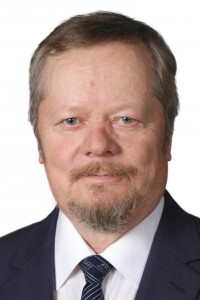


Have the PS and MP Tossavainen of Finland ever heard of the Non-Discrimination Act?

Posted on June 26, 2012 by Migrant Tales

If the future of Finland were ever left to the populist Perussuomalaiset (PS) party, it’s quite certain that this country would be doomed. The ones that would suffer the most would be immigrants and visible minorities. Outright discrimination would be  the rule.

The PS, who should know better, sent a formal request to the council of state last week asking whether it was possible to only hire Finnish workers to refurbish its recently acquired party headquarters in Helsinki.

In a blog entry on Uusi Suomi, Migrant Tales answered a question that the PS asked the council of state in a blog entry: Is it discrimination only to hire Finnish workers?

We answered PS MP Anssi Joutsenlahti’s question with a flat yes. Thanks to JusticeDemon’s help, we were able to show to the PS MP which part of the Non-Discrimination Act prohibits discrimination on the grounds of nationality.

Paragraph 1 of subsection 1 of section 2: “This Act applies to both public and private activities in the following contexts: 1) conditions for access to self-employment or means of livelihood, and support for business activities.”

For some reason the PS, the country’s third-largest party in parliament with 39 seats, does not – or does not want to – get it.

Instead of engaging in a meaningful debate about discrimination in Finland, PS MP Reijo Tossavainen writes the following comment in a Migrant Tales’ posting on Uusi Suomi: “This blog entry’s headline [Is it discrimination to only hire Finnish workers? Certainly!]  is  frankly shocking.Are Finnish labor, Finnish entrepreneurship, and Finnish identity in general something marginal in Finland?”

PS MP Reijo Tossavainen appears to have never heard of the Non-Discrimination Act.

Tossavainen even takes a below-the-belt hit at Migrant Tales in another comment. My mother is Finnish, I am a Finnish citizen and have lived in this country for 33 years.

“In a blog entry on Uusi Suomi two foreigners [Farzad Moghaddam pour and I] who live in Finland write about hiring only Finnish workers [to refurbish] the party’s headquarters. Their writings and comments make for uncomfortable reading because they respect too little Finland and Finnish identity. But what is even more shocking is to see that there are a lot of native Finns who think like them.”

Just because a populist politician has probably never read the Non-Discrimination Act in his life, doesn’t give him the right to erroneously claim that I don’t respect Finland or Finnish identity. It is an insult like many others that have come to characterize the PS after last year’s elections.

The PS are a threat to Finland, but especially to immigrants, visible minorities and expat Finns.


Migrant Rights’ Network of the UK: The Elephant in the Workplace – Why it’s time we talked about migration and labour exploitation

Posted on May 22, 2012 by Migrant Tales


Dr Sam Scott*

Certainly, it is rare for evidence of worker mistreatment to come to the fore but this does not mean, in our opinion, that it is ipso facto rare. Partly, the challenge is one of identifying workplace exploitation and persuading victims to come forward with evidence. Partly, it is about how as a society we define workplace exploitation, how it is legislated against, and how this legislation is policed. 

Trade Union membership is as low today as it was in the 1940s. Amidst the various worker protests against austerity measures, it has tended to be white-collar professionals, principally in the public services, who have been able to exert collective will, via union or professional group membership, in an attempt to protect eroding rights. Those in vulnerable employment in the UK – an estimated 2 million workers according to the TUC – do not to join unions in the main and so struggle to protect themselves from exploitative employers.

The cleaners, farm workers, production line operatives, au pairs, domestic servants, car washers, waiters and waitresses, the list could go on, are largely cast adrift, atomised and struggling to carve out a living at the bottom of the UK labour market. Their labour is not on the label, is not even evident when we look behind the label, and, in fact, has largely been written out of the social history of the late twentieth and early twenty-first century. The invisible hand of the market is now the low-wage worker and, interestingly, since the mid-1990s, this hand has become increasing migrant in origin.

New research funded by the Joseph Rowntree Foundation identifies this link between workplace exploitation and immigration via a case study of the UK food industry. Using evidence from 62 migrant workers (mainly Polish, Chinese, Latvian and Lithuanian) spread across five areas of the UK (London, Liverpool, South-West England, Lincolnshire and east-Central Scotland) the report highlights why migrants are at particular risk of exploitation. Specifically, it is their constrained economic circumstances, limited English, widespread use of tied housing, and reliance on gangmasters that renders migrants vulnerable to severe forms of exploitation: what we term ‘forced labour’.

If I had known English, I would have gone to find a new job, I would have looked for anything, but it was the beginning here and I really did not have any other options. (Sally, woman, 32, Polish)

What do we mean by forced labour? Well the JRF report identifies 14 ‘practices’ that we consider to be part of the forced labour crime (forced labour has been a criminal offence since 2009). Some of the most noteworthy practices are as follows:

  • Upfront fees/debt bondage­ – many migrants paid fees to gangmasters to travel to the UK and to secure work. This often indebted migrants and/or led them into exploitative work and housing.
  • Productivity targets and surveillance –  targets and monitoring gave workers little opportunity for social interaction at work. Pressure was intense: “It was completely crazy, rushing, shouting constantly … they can stand behind your back with a stopwatch and see how many chickens you are packing per minute … Here you are a robot, a machine.” (Izabela, woman, 44, Polish)
  • Non-/under-payment of wages – this was remarkably common, and migrants seemed unable to get back pay they were owed. A popular tactic was to deduct a few hours’ pay each week: “The boss was very, very stingy. When I worked ten hours, he would note it down as six or seven hours. Always a few hours less … Every week when the payday came, we had to argue with the boss … ”. (Li Xia, man, 42, Chinese)
  • Underwork/indebtedness – LMIs recruited even when work was scarce, because they charged workers fees for finding work, however limited, and/or for travel, accommodation and other bills. The more workers they had, the more charges they could levy; it could be in LMIs’ interests to provide workers with just enough hours to pay these charges. This left migrants with no spare money to escape their exploiters, furthering dependency.
  • Tied Accommodation – poor accommodation was often linked to exploitation. Interviewees talked of overcrowded (e.g. five people in one caravan), sub-standard, overpriced housing. “I was shocked … the caravan is for 5 people … One of the girls sleeps in the living room …” (Victoria, woman, 21, Bulgarian).

The research clearly shows that the bottom of the labour market can be a truly inhospitable place. Fear and a sense of powerlessness are pervasive and there is no collective union engagement to alleviate this and push for improvements, quite the contrary. The question then is whether we could do more to prevent forced labour and more to empower low-wage migrant workers in an attempt to halt any decline in workplace standards?

A starting point may be to think about why news headlines concerned with improving workers’ rights are so rare and why the issue of tackling workplace exploitation is so infrequently raised in policy speeches? Regrettably, it usually takes a shocking event – i.e. death at work – for people to take note. However, the reality for most victims is that forced labour is about everyday and often quite incremental forms of exploitation that only collectively and cumulatively combine to constitute a criminal act. The elephant in the workplace is not, in other words, as simple as might be implied when we glimpse its occasional monolithic shadow.

*Dr Sam Scott is an associate lecturer at the Department of Geography, University of Exeter. He has been researching international migration for the past decade and has published work on both skilled and low-wage labour migration, mainly from within the European Union. His latest research – with Professor Gary Craig (Wilbeforce Institute) and Dr Alistair Geddes (University of Dundee) – looks at experiences of forced labour in the UK food industry.

Read original story here.

This piece was reprinted by Migrant Tales with permission.

La Prórroga: 500 euros para desmontar mitos racistas

Posted on March 5, 2012 by Migrant Tales

Comment: Spain offers us in Finland a good case in point to study how the role of learning a new language has its limitations in the adaption process of immigrants. Spain has millions of Latin Americans who not only speak Spanish as their mother tongue, but belong to the same religion as well. 

The lesson we can learn from Spain is that racism and discrimination do not magically vanish after you become fluent in a language. There are many other factors at play like acceptance. . 

Are some Finnish policy-makers, politicians and even language teachers making optimistic promises? Are they giving a too rosy picture of our society by stating, “learn the language and everything will be fine?”

The beautifully written blog entry below by Zulma Sierra tells about an urban tale we commonly here in Finland as well from the anti-immigration crowd: Immigrants get better benefits and treatment than the locals. 

A man placed an ad in a Catalan daily, La Garrotxa, and offered to pay 500 euros to anyone who could inconclusively show that immigrants get preferential treatment by the authorities in the region of Catalonia. 

Nobody responded. 

This would be a great idea in Finland. What about if we placed an ad in Helsigin Sanomat and asked the same question? How many would respond? 

__________________

Zulma Sierra

Gracias a la Xarxa Barcelona Antirumors, llegó a mi pantalla esta historia fascinante: un hombre ofreció 500 euros a quien aportara pruebas de que los inmigrantes reciben tratos de favor por parte de la Administración Pública.

El anuncio salió en el diario local La Garrotxa y contaba con el respaldo del abogado Joan Capdevila. Es decir, quien quisiera comprobar que el anuncio iba en serio podía llamar a este despacho en Olot, y si las pruebas aprobadas eran irrefutables, el abogado se encargaría de pagarle su premio. El diario La Garrotxa, a su vez, se comprometía a publicar la historia -con las pruebas conseguidas por el ganador- siempre respetando el anonimato del participante.

Y aquí entramos en un terreno interesante: el anónimo. Porque el promotor directo de la iniciativa sigue siendo un misterio. Sólo Joan Capdevila lo conoce y, según un artículo suyo, aparecido en la Revista de Girona, el hombre estaba cansado de oír que a las madres extranjeras les regalaban pañales para sus recién nacidos, que los inmigrantes recibían un tiquet de asistencia o que los escolares -hijos de extranjeros- tenían comedor y transporte gratis.

El hombre estaba dispuesto a poner de su bolsillo para desmontar mitos, o para ratificarlos (en caso de que resultasen ciertos), pero no le interesaba ni dar la cara ni unirse a ninguna cruzada antiracismo.

¿Anuncio trampa? se preguntaban algunos políticos y comentaristas en los medios de comunicación locales. ¿Cómo es posible que una sola persona pretenda acabar con los estereotipos? El racismo y la discriminación, insistían en sus análisis, es cosa de las Administraciones Públicas y los profesionales.

Sí y no, digo yo. ¿Acaso la participación individual en la vida pública sólo puede concretarse a través del voto en unas elecciones? Para Capdevila resulta sorprendente que los medios de comunicación fueran perdiendo interés en la historia a medida que pasaba el tiempo porque no estaba respaldada por un colectivo o por una entidad. No se tomaron el trabajo de investigar por su cuenta el origen y la veracidad de las supuestas ayudas extraordinarias que reciben los inmigrantes de Girona, porque la “denuncia” que planteaba este ciudadano era bastante inusual.

Y se queja así don Joan Capdevila en su texto:

Els ciutadans normals i corrents, individualment, s’han d’abstenir, han de ser només espectadors de la realitat i no intervenir-hi, d’altra manera són excèntrics ridículs.

“Los ciudadanos normales y corrientes, individualmente, deben abstenerse, deben ser sólo espectadores de la realidad y no intervenir, de otra manera son excéntricos ridículos”.

Imagen tomada de Taringa.net

Imagen tomada de Taringa.net

Pues qué lamentable que así sea. Qué aburrido es vivir en la resignación, viendo pasar aquello que no te gusta, sin pronunciar ninguna palabra en contra. Qué penoso, además, que quienes deciden en las esferas de poder sólo toquen a mi puerta en época de elecciones porque saben que el resto del tiempo permaneceré inmóvil.

Y no quiero con esto desacreditar a los movimientos ciudadanos valientes y masivos como el 15-M que van dejando huellas importantes cada vez que pisan la calle. Por el contrario, pienso que una manifestación colectiva tiene que ir respaldada por acciones individuales y que, aunque una golondrina no haga verano, vale la pena hacerse sentir, decir lo que se piensa, luchar por lo que se cree.

Desde aquí, gracias a Capdevila y a su cliente por ir en contra del conformismo.

Por cierto… ¿Quieren sabe cómo acabó la historia? Nunca se presentó ningún candidato al premio durante los dos meses de la convocatoria.

Milloin minusta tulee suomalainen?

Posted on March 4, 2012 by Sasu

Sasu Xinhang Öländer

”Olenko suomalainen?” on niitä kysymyksiä, jotka yhdistävät kaikkia toisen polven maahanmuuttajia. Mutta kaikista kipeimmin se koskettaa värillisiä. Kantasuomalaisten keskuudessa kuuluu välillä lausahdus maassa maan tavalla mutta mitä tämä sanonta oikeasti tarkoittaa.

Abdirahim Husu Hussein sanoi kerran maahanmuuttajien poliittisessa paneelista, että on täysin kyllästynyt tähän sanontaan. Hän asettui sanomaan, että eikö somalit jo eläneet maassa maan tavalla. Tietyssä mielessä Abdirahim asetti kysymyksen. Mikä oikeasti riittää?

Tätä me emme usein kysy. Mutta meidän on silti aloitettava siitä. Jos haluat elää suomessa on sinun sopeuduttava ympäristöön. Kovin pala onkin kielen oppiminen. Suomen kieli on yksi vaikeimmista kielistä. Samalla suomen kielen opetus kouluissa on pirstaleista ja usein ala-arvoista. Vanhemmille maahanmuuttajille kielen oppiminen käyttökelpoiselle tasolle on useimmiten lähes mahdotonta. Lasten kohdalla oppimisen mahdollisuudet ovat useimmiten erittäin hyvä. Tämä johtuu siitä että lapset omaksuvat uusia asioita helpommin ja he useimmiten kasvavat pitkälti kantasuomalaisten keskuudessa. Nyrkki sääntö on, että ensimmäinen sukupolvi harvemmin oppii uuden asuin maan tavoille, mutta toinen polvi oppii.

Sitten tulee kulttuuri kohta. Tässäkin kohdassa ensimmäisellä sukupolvella useimmiten on hankaluuksia myötäillä ympäröivää kulttuuria. Heidän lasten kohdalla tilanne on monimutkaisempi. He oppivat koulun kautta erittäin hyvin mitä on olla Suomalainen ja Eurooppalainen. Ongelmaksi tulee silti, että opetus ei ole monikulttuurista. Suomen koulut valitettavasti ovat pahasti etnosentrisiä. Opetus antaa värillisille lapsille ulkoisuuden tunteen. He eivät kykene löytämään itseänsä koulusta samalla tavalla, kuin valkoiset oppilaat. Tämä voi johtaa kahteen mahdolliseen tilanteeseen.

Ensimmäinen on koulutuksen täydellinen hylkääminen koska kouluilla ei ole mitään tarjottavaa värilliselle lapselle. Tavallaan parempi vaihtoehto on koulutuksen vastaan ottaminen. Tässä vaihtoehdossa on enemmän hyötyä, mutta pahoja sivuoireita. Tärkein oire on omiensa mahdollinen hylkääminen. Tämä johtuu siitä että sinä et enään usko, että veljesi ja siskosi eivät ole enään samalla viivalla. Sinä olet nyt käynyt koulun ja oppinut miten olla suomalainen/Eurooppalainen ja näin ollen olet asteen ylempi. Tämä nähtiin siinä miten Afrikkalaiset ja Aasialaiset jotka ovat käyneet Eurooppalaisen koulutuksen olivat irtaantuneet omien maanmiesten todellisuudesta. Pahin on mahdollisen itseinhon synty. Et usko olevasi yhtä hyvä jollet osoita käytökselläsi, että Eurooppalaisuus ja valkeus on hyvä. On mainittava, että median antamat viestit hyvästä/pahasta ja kauniista/rumasta vahvistaa tätä ajattelu mallia.

Toisaalta Suomalaissuusta opitaan myös ympäristöstä. Ympäristö maahanmuuttajilla on pahasti vaihtelevaa. Osa maahanmuuttajista elävät monikulttuurisesta ympäristössä jossa asuu myös kantasuomalaisia. Ja toisaalta osa elää ympäristössä joka on monikulttuurinen mutta kantasuomalaisia ei näy hirveästi. Sellaisessa ympäristössä on huomattavasti hankalampaa suomalaistua. Voisin sanoa sen olevan lähes mahdotonta. Tässä näkyykin selvästi kantasuomalaisten tekopyhyys. He haluavat maahanmuuttajien suomalaistumista, mutta eivät ole valmiita asumaan heidän kanssa.

Sosiologi Sam Richards totesi, että sehän on ihan hullua olettaa maahanmuuttajien sulautuvan ympäröivään yhteiskuntaan, jos hallitseva ryhmä ei ole valmis asumaan heidän kanssa. Miten sinä voit oppia olemaan suomalainen, jos ympärilläsi on vain ainoastaan maahanmuuttajia. Tämä on maahanmuuttokriitikoiden pahin karikko. Jos Jussi Halla-Aho ei ole valmis asumaan Somalien kanssa, ei hänellä ole mitään moraalista oikeutta sanoa, että heidän pitäisi suomalaistua.

Ne jotka uskovat ”maassa maan tavalla” slouganiin näkevät, että mitään muutosta ei ole tapahtunut. He näkevät kulttuurit staattisina elementteinä, jotka eivät ikinä muutu. On suuri virhe uskoa että kulttuuri olisi staattinen. Kulttuuri on alituisessa muutos tilassa. Sekoittuminen on alituinen ilmiö, jota tapahtuu aina monikulttuurisissa yhteisöissä.

Vaikka suomalaiset eivät siitä ehkä pitäisi niin suomalaisuuteen on liittynyt aina vain uusia elementtejä. 1940-50-luvun sukupolvet eivät nuoruudessa kykenisi ajattelemaan, että he saattaisivat hakea Thaihierontaa, akupunktiota, syödä kebab aterioita, nauttia intialaista tai nepalilaista ruokaa ja tuskinpa he voisivat ajattelevan, että miten monen kirjava Kampin ja Asematunnelin edusta voisi olla. He tutkin kykenisivät uskomaan, että he voisivat aivan itse tehdä kiinalaista ruokaa eksoottisilla aineksilla, jotka sinä voit ostaa Hämeentieltä. Jos haluat nähdä maahanmuuton niin tee panorama asematunnelin historiasta.

Nämä analyyttiset todisteet annettuna on meidän palattava alun kysymykseen, mikä tekee sinusta suomalaisen. Jos suomalaisuus on pelkkää tietoisuutta Suomen historiasta ja kulttuurista niin silloin Abdirahim kommentti on oikeutettu. Maahanmuuttokriitikoiden tarvitsee kävellä vain Suomen kouluihin nähdäkseen sen sukupolven. Sukupolven maahanmuuttajia, jotka ovat omaksuneet Suomen heidän toiseksi identiteetiksi. Mutta he löytävät myös kadotetun sukupolven. He ovat värilliset. Värilliset jotka ovat tehneet kaikkensa, mutta se ei riitä vieläkään. Heille kysymys ”milloin olen suomalainen” vaanii olan takana aina, kun ventovieras kysyy mistä tulet. Aina kun he kohtaavat syrjintää, he muistavat, että vaikka he itse mielessään olisivat suomalaisia niin suurimmalle osalle suomalaisia he ovat yhä maahanmuuttajia ja kuokka vieraita. Heille suomalaisuus muuttuu helposti taakaksi. He joutuvat pohtimaan aina mitä he sanovat, kun kysymys tulee. Mitä kantasuomalaiset haluavat kuulla heiltä ja mitä he uskovat. Samalla he kamppailevat median ja yhteiskunnan heijastamia stereotyyppejä vastaan. Stereotyyppejä jotka ovat negatiivisia ja pahin kaikesta on, että värilliset alkavat uskoa siihen.

Stereotyypit ja Internoidut rasistiset uskomukset tekevät suomalaisuus identiteetistä ongelman. Ensiksi olet epävarma kuka sinä olet ja toiseksi et tiedä mitä uskoa itsestä. Oman arvon tunnistaminen on on ongelmista vaikein. Mistä tiedät kuinka kykenevä olet kun yhteiskunta heijastaa hirveän negatiivisen kuvan sinunlaisista. Yrität olla suomalainen, mutta mikään ei tunnu ikinä riittävän. Kun kuulet Maassa Maan Tavalla on sinun kysyttävä etkö sinä jo elä niin.

Martin Luther King sanoi Where Do We Go From Here Chaos or Community kirjassa, että pahin asia jonka ihminen voi menettää on tietämys omasta arvosta ja omasta kulttuurista. Ei ole olemassa pahinta haavaa kuin sielun haava. Vahvin vastalääke tähän on ylpeys. Ylpeys omaan rotuun, etnisyyteen/kulttuuriin ja uskontoon. Kun sinä olet tietoinen omista juurista ja ylpeä niistä, silloin rasismi ei voi tuhota sinua sisältä päin. Malcolm X, Steven Biko ja Martin Luther King toimikoon profeetoina tällä tiellä.

guardian.co.uk: Latvians reject Russian as official language

Posted on February 19, 2012 by Migrant Tales

Comment:  Those who have visited Latvia like I many times, the country looks beautiful from the outside but from the inside it is another story especially for about a third of the population that speak Russian as their first language. Other sources claim that Russian speakers comprise of 44% of the country’s 2.1 million people.  

While few will deny the human rights violations committed during the Soviet regime on language groups like the Latvians and Estonians, the question we should ask is if these countries have learned anything from their history.  

What will ethnic Latvians or Estonians gain by excluding a large sector of the population from society by placing language and citizenship barriers? Do they believe that denying language rights will make the “problem” go away over time?

This, I believe, is wishful thinking. Finland could play a bigger role in pointing out to these countries how, for example, we came to have two official languages, Finnish and Swedish. Certainly there are historical differences why the Swedish speakers were given language rights as opposed to Russians in Latvia and Estonia, where they account for about 25% of the population.  

Despite that we haven’t embarked on questionable path of the Baltic States when it comes to mending ethnic relations, Finland has not always had a benign view of its its Russian speakers. Discrimination is a sad reality but it manifests itself different than in Latvia. 

Writes the guardian.co.uk: “Hundreds of thousands of Russians, Belarussians and Ukrainians moved to Latvia and the neighboring Baltic republics during the population transfers of the Soviet regime. Many of them never learned Latvian and were denied citizenship when Latvia regained independence, meaning they do not have the right to vote or work in government.”

Are the Latvians sowing the seeds of future conflicts and strife by excluding Russian speakers?

_______________

Associated Press

Latvian voters have resoundingly rejected a proposal to give official status to Russian, the mother tongue of their former Soviet occupiers and a large chunk of the population.

Read whole story.

Migrant Tales wants to hear your story

Posted on February 6, 2012 by Migrant Tales

By Enrique Tessieri

Thanks to you, Migrant Tales has achieved one of its most important aims: “To be a voice for those whose views and situation are understood poorly and heard faintly by the media, politicians and public.” In order to continue to be heard, we need more voices on Migrant Tales. 

We aim to publish stories in English, Finnish and any other language.

Do you have a real-life story to tell? Do you want to do it anonymously or with your real name? Then Migrant Tales is the blog where your voice will be heard by many.

Migrant Tales wants to continue as well to publish more scoops like we did with the tragic death of a Somali in Oulu.   If you know of a story and want to alert us, please write to us: [email protected].

We are interested as well in publishing poetry, short stories about life in Finland on our very own online “little magazine,” Migrant Tales Literary.

Thank you for your support.

OP-Pohjola-Group Kangasniemi only serves customers in Finnish and Swedish

Posted on February 1, 2012 by Migrant Tales

By Enrique Tessieri

Below is an incident that happened at the offices of insurance company OP-Pohola-Group in Kangasniemi, a small town located between Mikkeli and Jyväskylä. The letter, published on the www.kangasniemi.info website, is a complaint to the company for refusing to offer service to a man because he did not speak Finnish or Swedish.

Writes Lucien den Arend:  “Well… you can make your own decision. They don’t want to do business a family of five with many objects to insure, because, although the father speaks English, Dutch, German, French, Spanish and a little Russian, he speaks no Swedish or Finnish yet.”

Below is the letter sent to OP-Pohjola-Group by the couple:

 Dear Mr. Karhinen,

 We are writing you because we have not been able to get past your sub leaders (personel). It is about the fact that the members of our family of five are all Finnish except me. And that your representative in Kangasniemi let us leave her office after she told us that it is company policy not to speak English – only Finnish and Swedish. We had been invited to come and listen to OP Pohjola Group’s offer for insurance for our Kartano, island, five cars and art collection. My wife gave her information in Finnish and when it was my turn (I do not speak Finnish) the woman/girl, your representative, said (in Finnish to my wife) that she does speak English but refuses to because it is company policy to only speak Finnish and Swedish.

 So last week we had a very active discussion about this on the facebook group IESAF – or International English Speakers’ Association of Finland. In more than sixty posts we discussed this problem.

 How can it be that your company name is in English; and your website has English pages, but it is its policy not to converse with a customer who cannot speak Finnish or Swedish?

 And why do I get no answer to my question about this serous problem – posted on your site’s form last week Monday. And why does my wife not get a response to her question, in Finnish, posted one day later?

 Yours Sincerely,

Lucien den Arend and Marjo Heikkinen

*Thank you Sheri Mylene Chang for the heads up!

What should an immigrant do if he cannot find work in Finland?

Posted on January 15, 2012 by Migrant Tales

By Enrique Tessieri

What should you do if you live in Finland and cannot find employment? The lucky ones can move to another country but for many it is a crude dead-end street lined with little hope: fragmented work life, lower salary than average, health problems and, worse, discrimination that will discourage you to integrate.  

There is an interesting article in Sunday’s Helsingin Sanomat on page A8 about a U.S. citizen, Ryan Savage, who is married to a Finn.

“USAmerican Ryan Savage is a dream come true for the immigration officials:  university graduate that moved with his spouse to Finland. He speaks the most widely spoken language in the world [English]. The problem is that Savage cannot find any work in Finland.”

Helsingin Sanomat claims that immigrant men make on average 10,000 euros less than Finnish men, while the difference [6,000 euros] is less between immigrant and Finnish women.

Other sad realities about being an immigrant in this country are that you have a greater chance of living in poverty than Finnish families and have twice as greater chance of being attacked by another person than a Finn. One study showed that immigrant men have 50% more ear ailments than Finnish males.

If the above is true, we should be especially concerned and critical about those parties that play down the role prejudice and racism in this country. All these social and physical symptoms mentioned above are indirectly or directly related to social ills like exclusion.

But if a politician, political party or society deny that racism is not a big social problem in this country and that everything is fine, it is effectively telling you that they will not do anything to tackle the problems of our ever-growing immigrant community.  Thus you do not exist. Since you don’t exist there is no reason to even worry never mind begin addressing your problems.

There are many ways of confronting the apathy or denial of the majority concerning our community: get involved in a political party, form a social movement, start up a blog like Migrant Tales or Facebook page like My Finland is International, or simply leave Finland for greener pastures.

Everyone isn’t that fortunate that he or she can just move to anther country. Some are forced to face that depressing  music that eats away at your self-esteem and keeps you from realizing your full potential in this society.

A society like ours that claims to be for social justice and equality cannot accept prejudice, exclusion and inequality in any form.

While first-generation immigrants should raise their voices in Finland and demand changes, it is their children  that are our hope.

Some of them have seen enough of how their parents have been excluded from the labor market and are getting the short end of society’s stick.

They, rightfully, have a valid gripe and should demand far better than what their parents got.

It’s time to organize, be and think proactively.

MTV3: Kauppalehti: Siivousfirmojen pitää irtisanoa maahanmuuttajia

Posted on November 23, 2011 by Migrant Tales

Comment: What can you make out of this story below? MTV3 claims, quoting business daily Kauppalehti, that the office that hands out work permits in the Uusimaa region of Southern Finland wants cleaning companies to hire EU nationals.  This may be easier said than done. 

MTV3 reports that the employers of the cleaning companies are pretty irritated by the recommendation since finding such workers among EU nationals are scarce.  Siskon Siivous general manager, Pasi Hämäläinen, said that two thirds of the company’s employees come from outside Europe.

” This latest case does give the lie to claims about alleged welfare shopping by humanitarian migrants,” writes JusticeDemon in a thread.

______________

Uudellamaalla kiistellään siivousalan työvoimatilanteesta, kertoo Kauppalehti. Uudenmaan työlupayksikkö on evännyt työlupia afrikkalaisilta ja aasialaisilta siivoojilta ja kehottanut yrityksiä palkkaamaan siivoojia Euroopan talousalueelta. Luvatta jääneet siivoojat olivat olleet töissä jo vuosia, turvapaikkahakemuksen käsittelyn kestäessä.

Read whole story.

  • Previous
  • 1
  • …
  • 10
  • 11
  • 12
  • 13
  • 14
  • 15
  • Next
Read more about documentary film
Read more

Recent Posts

  • Finland’s tabloids Iltalehti and Ilta-Sanomat are the pits
  • Riikka Purra’s Dr Jekyll and Mr Hyde mask
  • Double standards
  • Perussuomalaiset: Uusi logo, sama vanha juttu
  • Taco Trump

Recent Comments

  1. Absolutely Socking: Racist Finnish Facebook group against human rights gets flooded with socks on Musta Barbaari’s mother and sister charged by the police in “ethnic profiling” case
  2. Ilkka Nuotio on Pekka Myrskylä: “Tilastot kertovat toista kuin poliittinen keskustelu”
  3. Genrih Soinkara on The war in Ukraine and the Russian-Finnish border crisis are showing Finland’s ugly side
  4. Ahti Tolvanen on Comment by Ahti Tolvanen on the Helsinki +50 conference
  5. Angel Barrientos on Angel Barrientos is one of the kind beacons of Finland’s Chilean community

Archives

  • June 2026
  • May 2026
  • April 2026
  • March 2026
  • February 2026
  • January 2026
  • December 2025
  • November 2025
  • October 2025
  • September 2025
  • August 2025
  • July 2025
  • June 2025
  • May 2025
  • April 2025
  • March 2025
  • February 2025
  • January 2025
  • December 2024
  • November 2024
  • October 2024
  • September 2024
  • August 2024
  • July 2024
  • June 2024
  • May 2024
  • April 2024
  • March 2024
  • February 2024
  • January 2024
  • December 2023
  • November 2023
  • October 2023
  • September 2023
  • August 2023
  • July 2023
  • June 2023
  • May 2023
  • April 2023
  • March 2023
  • February 2023
  • January 2023
  • December 2022
  • November 2022
  • October 2022
  • September 2022
  • August 2022
  • July 2022
  • June 2022
  • May 2022
  • April 2022
  • March 2022
  • February 2022
  • January 2022
  • December 2021
  • November 2021
  • October 2021
  • September 2021
  • August 2021
  • July 2021
  • June 2021
  • May 2021
  • April 2021
  • March 2021
  • February 2021
  • January 2021
  • December 2020
  • November 2020
  • October 2020
  • September 2020
  • August 2020
  • July 2020
  • June 2020
  • May 2020
  • April 2020
  • March 2020
  • February 2020
  • January 2020
  • December 2019
  • November 2019
  • October 2019
  • September 2019
  • August 2019
  • July 2019
  • June 2019
  • May 2019
  • April 2019
  • March 2019
  • February 2019
  • January 2019
  • December 2018
  • November 2018
  • October 2018
  • September 2018
  • August 2018
  • July 2018
  • June 2018
  • May 2018
  • April 2018
  • March 2018
  • February 2018
  • January 2018
  • December 2017
  • November 2017
  • October 2017
  • September 2017
  • August 2017
  • July 2017
  • June 2017
  • May 2017
  • April 2017
  • March 2017
  • February 2017
  • January 2017
  • December 2016
  • November 2016
  • October 2016
  • September 2016
  • August 2016
  • July 2016
  • June 2016
  • May 2016
  • April 2016
  • March 2016
  • February 2016
  • January 2016
  • December 2015
  • November 2015
  • October 2015
  • September 2015
  • August 2015
  • July 2015
  • June 2015
  • May 2015
  • April 2015
  • March 2015
  • February 2015
  • January 2015
  • December 2014
  • November 2014
  • October 2014
  • September 2014
  • August 2014
  • July 2014
  • June 2014
  • May 2014
  • April 2014
  • March 2014
  • February 2014
  • January 2014
  • December 2013
  • November 2013
  • October 2013
  • September 2013
  • August 2013
  • July 2013
  • June 2013
  • May 2013
  • April 2013
  • March 2013
  • February 2013
  • January 2013
  • December 2012
  • November 2012
  • October 2012
  • September 2012
  • August 2012
  • July 2012
  • June 2012
  • May 2012
  • April 2012
  • March 2012
  • February 2012
  • January 2012
  • December 2011
  • November 2011
  • October 2011
  • September 2011
  • August 2011
  • July 2011
  • June 2011
  • May 2011
  • April 2011
  • March 2011
  • February 2011
  • January 2011
  • December 2010
  • November 2010
  • October 2010
  • September 2010
  • August 2010
  • July 2010
  • June 2010
  • May 2010
  • April 2010
  • March 2010
  • February 2010
  • January 2010
  • December 2009
  • November 2009
  • October 2009
  • September 2009
  • August 2009
  • July 2009
  • December 2008
  • November 2008
  • October 2008
  • September 2008
  • August 2008
  • July 2008
  • June 2008
  • May 2008
  • April 2008
  • March 2008
  • February 2008
  • January 2008
  • November 2007
  • October 2007
  • September 2007
  • August 2007
  • July 2007
  • June 2007
  • May 2007

Categories

  • ?? Gia L?c
  • ????? ?????? ????? ???????? ?? ??????
  • ???????
  • @HerraAhmed
  • @mondepasrond
  • @nohatefinland
  • @oula_silver
  • @Varathas
  • A Pakistani family
  • äärioikeisto
  • Abbas Bahmanpour
  • Abdi Muhis
  • Abdirahim Hussein Mohamed
  • Abdirahim Husu Hussein
  • Abdirisak Mahamed
  • About Migrant Tales
  • activism
  • Adam Al-Sawad
  • Adel Abidin
  • Afrofinland
  • Ahmed IJ
  • Ahti Tolvanen
  • Aino Pennanen
  • Aisha Maniar
  • Alan Ali
  • Alan Anstead
  • Alejandro Díaz Ortiz
  • Alekey Bulavsev
  • Aleksander Hemon
  • Aleksanterinliitto
  • Aleksanterinliitto ry
  • Aleksanterinliitto ry:n hallitus
  • Alex Alex
  • Alex Mckie
  • Alexander Nix
  • Alexandra Ayse Albayrak
  • Alexis Neuberg
  • Ali Asaad Hasan Alzuhairi
  • Ali Hossein Mir Ali
  • Ali Rashid
  • Ali Sagal Abdikarim
  • Alina Tsui
  • Aline Müller
  • All categories
  • Aman Heidari
  • Amiirah Salleh-Hoddin & Jana Turk
  • Amin A. Alem
  • Amir Zuhairi
  • Amkelwa Mbekeni
  • Ana María Gutiérrez Sorainen
  • Anachoma
  • Anders Adlecreutz
  • Angeliina Koskinen
  • Anna De Mutiis
  • Anna María Gutiérrez Sorainen
  • Anna-Kaisa Kuusisto ja Jaakko Tuominen
  • Annastiina Kallius
  • Anneli Juise Friman Lindeman
  • Announcement
  • Anonymous
  • Antero Leitzinger
  • anti-black racism
  • Anti-Hate Crime Organisation Finland
  • Anudari Boldbaatar
  • Arshiya Nasser
  • Aspergers Syndrome
  • Asylum Corner
  • Asylum seeker 406
  • Athena Griffin and Joe Feagin
  • Autism
  • Avaaz.org
  • Awale Olad
  • Ayan Said Mohamed
  • AYY
  • Barachiel
  • Bashy Quraishy
  • Beatrice Kabutakapua
  • Beri Jamal
  • Beri Jamal and Enrique Tessieri
  • Bertolt Brecht
  • Boiata
  • Boodi Kabbani
  • Bruno Gronow
  • Carmen Pekkarinen
  • Çelen Oben and Sheila Riikonen
  • Chiara Costa-Virtanen
  • Chiara Costa-Virtanen
  • Chiara Sorbello
  • Christian Thibault
  • Christopher Wylie
  • Clara Dublanc
  • Dana
  • Daniel Malpica
  • Danilo Canguçu
  • David Papineau
  • David Schneider
  • Dexter He
  • Don Flynn
  • Dr Masoud Kamali
  • Dr. Faith Mkwesha
  • Dr. Theodoros Fouskas
  • Edna Chun
  • Eeva Kilpi
  • Emanuela Susheela
  • En castellano
  • ENAR
  • Enrique
  • Enrique Tessieri
  • Enrique Tessieri & Raghad Mchawh
  • Enrique Tessieri & Yahya Rouissi
  • Enrique Tessieri and Muhammed Shire
  • Enrique Tessieri and Sira Moksi
  • Enrique Tessieri and Tom Vandenbosch
  • Enrique Tessieri and Wael Che
  • Enrique Tessieri and Yahya Rouissi
  • Enrique Tessieri and Zimema Mhone
  • Epäluottamusmies
  • EU
  • Europe
  • European Islamophobia Report
  • European Islamophobia Report 2019,
  • European Union
  • Eve Kyntäjä
  • Ezequiel Caldeiro
  • Facebook
  • Fadumo Dayib
  • Faisa Kahiye
  • Farhad Manjoo
  • Fasismi
  • Finland
  • Fizza Qureshi
  • Flyktingar och asyl
  • Foreign Student
  • Fozia Mir-Ali
  • Frances Webber
  • Frida Selim
  • Gareth Rice
  • Ghyslain Vedeaux
  • Global Art Point
  • Great Replacement
  • Habiba Ali
  • Hami Bahadori
  • Hami Bahdori
  • Hamid
  • Hamid Alsaameere
  • Hamid Bahdori
  • Handshake
  • Harmit Athwal
  • Hassan Abdi Ali
  • Hassan Muhumud
  • Heikki Huttunen
  • Heikki Wilenius
  • Helsingin Sanomat
  • Henning van der Hoeven
  • Henrika Mälmsröm
  • Hser Hser
  • Hser Hser ja Mustafa Isman
  • Husein Muhammed
  • Hussain Kazemian
  • Hussain Kazmenian
  • Ibrahim Khan
  • Ida
  • Ignacio Pérez Pérez
  • Iise Ali Hassan
  • Ilari Kaila & Tuomas Kaila
  • Imam Ka
  • inside-an-airport
  • Institute of Race Relations
  • Iraqi asylum seeker
  • IRR European News Team
  • IRR News Team
  • Islamic Society of Norhern FInland
  • Islamic Society of Northern Finland
  • Islamophobia
  • Jacobinmag.com
  • Jallow Momodou
  • Jan Holmberg
  • Jane Elliott
  • Jani Mäkelä
  • Jari Luoto
  • Jari Taponen
  • Jegor Nazarov
  • Jenni Stammeier
  • Jenny Bourne
  • Jessie Daniels
  • Joe Davidow
  • Johannes Koski
  • John D. Foster
  • John Grayson
  • John Marriott
  • Jon Burnett
  • Jorma Härkönen
  • Jos Schuurmans
  • José León Toro Mejías
  • Josue Tumayine
  • Jouni Karnasaari
  • Juan Camilo
  • Jukka Eräkare
  • Julian Abagond
  • Julie Pascoet
  • Jussi Halla-aho
  • Jussi Hallla-aho
  • Jussi Jalonen
  • JusticeDemon
  • Kadar Gelle
  • Kaksoiskansalaisuus
  • Kansainvälinen Mikkeli
  • Kansainvälinen Mikkeli ry
  • Katherine Tonkiss
  • Kati Lepistö
  • Kati van der Hoeven-Lepistö
  • Katie Bell
  • Kättely
  • Kerstin Ögård
  • Keshia Fredua-Mensah & Jamie Schearer
  • Khadidiatou Sylla
  • Khadra Abdirazak Sugulle
  • Kiihotus kansanryhmää vastaan
  • Kirsi Crowley
  • Koko Hubara
  • Kristiina Toivikko
  • Kubra Amini
  • KuRI
  • La Colectiva
  • La incitación al odio
  • Laura Huhtasaari
  • Lauri Finér
  • Leif Hagert
  • Léo Custódio
  • Leo Honka
  • Leontios Christodoulou
  • Lessie Branch
  • Lex Gaudius
  • Leyes de Finlandia
  • Liikkukaa!
  • Linda Hyökki
  • Liz Fekete
  • M. Blanc
  • Maarit Snellman
  • Mahad Sheikh Musse
  • Maija Vilkkumaa
  • Malmin Kebab Pizzeria Port Arthur
  • Marcell Lorincz
  • Mari Aaltola
  • María Paz López
  • Maria Rittis Ikola
  • Maria Tjader
  • Marja-Liisa Tolvanen
  • Mark
  • Markku Heikkinen
  • Marshall Niles
  • Martin Al-Laji
  • Maryan Siyad
  • Matt Carr
  • Mauricio Farah Gebara
  • Media Monitoring Group of Finland
  • Micah J. Christian
  • Michael McEachrane
  • Michele Levoy
  • Michelle Kaila
  • Migrant Tales
  • Migrant Tales Literary
  • Migrantes News
  • Migrants' Rights Network
  • MigriLeaks
  • Mikko Kapanen
  • Miriam Attias and Camila Haavisto
  • Mohamed Adan
  • Mohammad Javid
  • Mohammad M.
  • Monikulttuurisuus
  • Monisha Bhatia and Victoria Canning
  • Mor Ndiaye
  • Muh'ed
  • Muhamed Abdimajed Murshid
  • Muhammed Shire
  • Muhammed Shire and Enrique Tessieri
  • Muhis Azizi
  • Musimenta Dansila
  • Muslimiviha
  • Musulmanes
  • Namir al-Azzawi
  • Natsismi
  • Neurodiversity
  • New Women Connectors
  • Nils Muižnieks
  • No Labels No Walls
  • Noel Dandes
  • Nuor Dawood
  • Omar Khan
  • Otavanmedia
  • Oula Silvennoinen
  • Paco Diop
  • Pakistani family
  • Pentti Stranius
  • Perussuomalaiset
  • perustuslaki
  • Petra Laiti
  • Petri Cederlöf
  • Pia Grochowski
  • Podcast-lukija Bea Bergholm
  • Pohjois – Suomen Islamilainen Yhdyskunta
  • Pohjois Suomen Islamilainen Yhyskunta
  • Polina Kopylova
  • Race Files
  • racism
  • Racism Review
  • Raghad Mchawh
  • Ranska
  • Rashid H. and Migrant Tales
  • Rasismi
  • Raul Perez
  • Rebecka Holm
  • Reem Abu-Hayyeh
  • Refugees
  • Reija Härkönen
  • Remiel
  • Reza Nasri
  • Richard Gresswell
  • Riikka Purra
  • Risto Laakkonen
  • Rita Chahda
  • Ritva Kondi
  • Robito Ibrahim
  • Roble Bashir
  • Rockhaya Sylla
  • Rodolfo Walsh
  • Roger Casale
  • Rostam Atai
  • Roxana Crisólogo Correa
  • Ruth Grove-White
  • Ruth Waweru-Folabit
  • S-worldview
  • Sadio Ali Nuur
  • Sami Rusanen
  • Sandhu Bhamra
  • Sara de Jong
  • Sarah Crowther
  • Sari Alhariri
  • Sarkawt Khalil
  • Sasu
  • Scot Nakagawa
  • Shabana Ahmadzai
  • Shada Islam
  • Sharon Chang blogs
  • Shenita Ann McLean
  • Shirlene Green Newball
  • Sini Savolainen
  • Sira Moksi
  • Sonia K.
  • Sonia Maria Koo
  • Steverp
  • Stop Deportations
  • Suldaan Said Ahmed
  • Suomen mediaseurantakollektiivi
  • Suomen Muslimifoorumi ry
  • Suomen viharikosvastainen yhdistys
  • Suomen viharikosvastainen yhdistys ry
  • Suomi
  • Supermen
  • Susannah
  • Suva
  • Syrjintä
  • Talous
  • Tapio Tuomala
  • Taw Reh
  • Teivo Teivainen
  • The Daily Show
  • The Heino
  • The Supermen
  • Thomas Elfgren
  • Thulfiqar Abdulkarim
  • Tim McGettigan
  • Tino Singh
  • Tito Moustafa Sliem
  • Tobias Hübinette and L. Janelle Dance
  • Transport
  • Trica Danielle Keaton
  • Trilce Garcia
  • Trish Pääkkönen
  • Trish Pääkkönen and Enrique Tessieri
  • Tuulia Reponen
  • Uncategorized
  • UNITED
  • University of Eastern Finland
  • Uyi Osazee
  • Väkivalta
  • Vapaa Liikkuvuus
  • Venla-Sofia Saariaho
  • Vieraskynä
  • W. Che
  • W. Che an Enrique Tessieri
  • Wael Ch.
  • Wan Wei
  • Women for Refugee Women
  • Xaan Kaafi Maxamed Xalane
  • Xassan Kaafi Maxamed Xalane
  • Xassan-Kaafi Mohamed Halane & Enrique Tessieri
  • Yahya Rouissi
  • Yasmin Yusuf
  • Yassen Ghaleb
  • Yle Puhe
  • Yuliet Tresa
  • Yve Shepherd
  • Zahra Khavari
  • Zaker
  • Zalina Ametova
  • Zamzam Ahmed Ali
  • Zeinab Amini ja Soheila Khavari
  • Zimema Mahone and Enrique Tessieri
  • Zimema Mhone
  • Zoila Forss Crespo Moreyra
  • ZT
  • Zulma Sierra
  • Zuzeeko Tegha Abeng
© 2026 Migrant tales | Powered by Minimalist Blog WordPress Theme